Cancer occurs as a result of the unlimited growth of cells. There are around 100 cancer types, and types of cancers depend upon the type of affected cells. Cancer comes along with tribulations as a result of uncontrolled division of cells that eventually leads to lumps or tissue masse that are called tumors. In leukemia cases where cancer disturbs the normal functioning of the blood through unlimited cell division. Sometimes, tumors steadily grow and interfere with the digestive, circulatory, and nervous system and then release hormones that may affect body function.
Tumors that don’t grow or show limited growth are called benign tumors. On the other hand, those tumors that grow and spread across organs or other parts of the body are called malignant tumors. Bone cancer, Breast cancer, cervical cancer, Blood cancer, Skin cancer, Colon cancer, Bladder cancer, Anal cancer are among common cancer types. The cause of cancer is uncertain, but it results due to uncontrollable cell growth, and cells that grow don’t die. Symptoms depend upon the type of cancer and location where it is placed. Few types of cancer appear in the form of a lump that subsequently grows in size.
Homeopathy approach for the treatment of cancer in India considers overall physical health. Homeopathic medicines and treatment are individualized after expert-examination, which considers various factors such as medical history, physical and mental well being of the patient. Various homeopathic medicines are useful in the treatment of cancer, but the patient can’t take these without consulting an expert homeopathy specialist who is expert in treating numerous ailments. Dr. Vikas Singhal is a leading homeopathy specialist in our country who has 14 years long experience in providing Homeopathic Treatment of in India.
To get the Best Homeopathy Treatment of Cancer in India, feel free to contact Dr. Singhal Homeo at landline number 0172-4611747, or patients can live chat at +91 7087472000 to book an appointment. Moreover, Dr. Singhal Homeo runs a Tele-medicine service for those who order online medicines for the disease. It provides free home delivery to the patients who pay full in advance. .
This is the first post on my new blog. I’m just getting this new blog going, so stay tuned for more. Subscribe below to get notified when I post new updates.
Behcet’s disease represents a significant challenge in contemporary medical practice, affecting patients worldwide with its complex symptomatology and unpredictable course. For individuals seeking alternative therapeutic approaches, homeopathic medicine offers a promising avenue for comprehensive management. This article examines the role of homeopathy in treating Behcet’s disease and highlights the expertise available through specialized medical practitioners in this field.
Clinical Understanding of Behcet’s Disease and Treatment Limitations
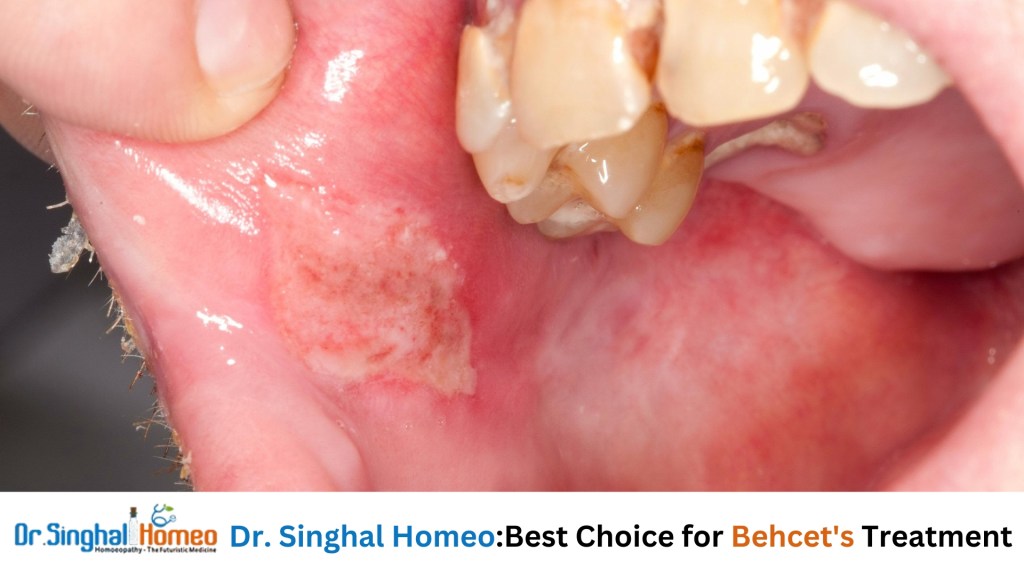
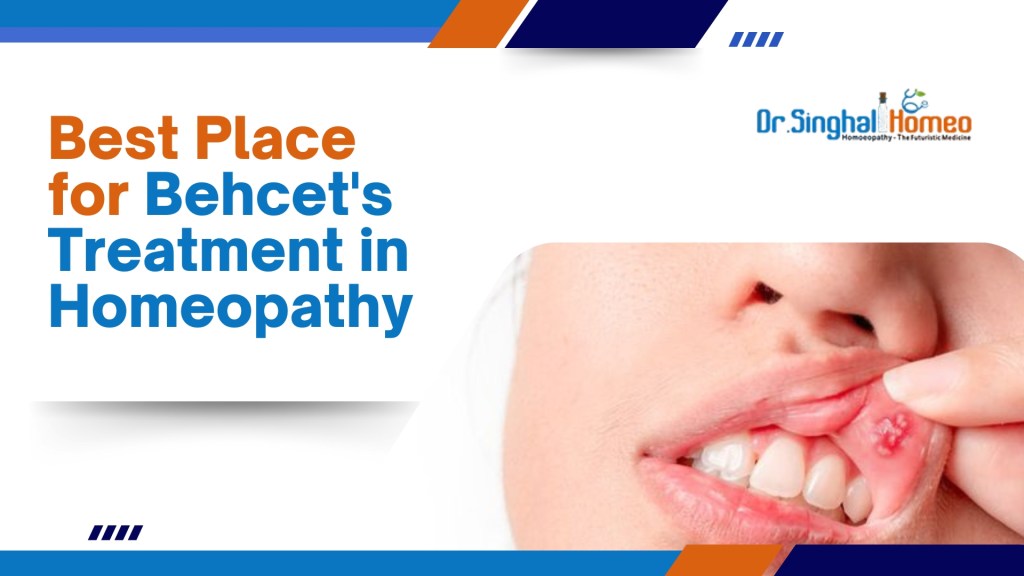
Behcet’s disease is a chronic, multisystem vasculitis characterized by recurrent oral and genital ulcerations, ocular manifestations, skin lesions, and potential involvement of the nervous, vascular, and gastrointestinal systems. The condition follows an unpredictable pattern of remissions and exacerbations, significantly impacting patients’ quality of life and functional capacity.
Conventional therapeutic approaches primarily rely on immunosuppressive agents, corticosteroids, and biological therapies. While these treatments may provide symptomatic relief, they often present considerable adverse effects and fail to address the underlying immunological dysfunction. Many patients experience treatment resistance or develop complications from long-term medication use, necessitating alternative therapeutic considerations.
The limitations of standard medical interventions include incomplete symptom control, significant side effect profiles, and the inability to prevent disease progression in all cases. These factors have led patients and healthcare providers to explore complementary medical approaches, particularly homeopathic treatment modalities.
Homeopathic Approach to Behcet’s Disease Management
Behcet’s treatment in homeopathy operates on fundamentally different principles compared to conventional medicine. The homeopathic methodology emphasizes individualization of treatment based on the patient’s complete symptom picture, constitutional factors, and disease susceptibility patterns. This approach considers the person as an integrated whole rather than focusing solely on disease manifestations.
Reduction in frequency and severity of disease flares
Management of associated symptoms without adverse effects
Support for the body’s natural healing mechanisms
Improvement in overall constitutional health
The therapeutic strategy involves detailed case analysis, miasmatic assessment, and selection of individualized remedies based on the principles of similitude. This methodology allows for treatment adaptation based on the patient’s response and evolving symptom patterns.
Clinical Expertise: Dr. Vikas Singhal’s Specialized Practice
In the field of homeopathic medicine, clinical experience and specialized knowledge are paramount for achieving optimal therapeutic outcomes. Dr. Vikas Singhal represents a distinguished practitioner with 23 years of dedicated experience in treating complex autoimmune conditions, including Behcet’s disease.
Dr. Singhal’s practice at Dr. Singhal Homeo Clinic in Chandigarh has established a reputation for excellence in homeopathic medicine. His expertise extends beyond national boundaries, with successful treatment outcomes documented across 73 countries. This international recognition reflects both the efficacy of his treatment protocols and the global demand for specialized homeopathic care.
Professional Qualifications and Treatment Methodology
As a leading homeopath, Dr. Singhal employs evidence-based homeopathic principles combined with contemporary understanding of autoimmune pathophysiology. His treatment methodology encompasses:
Comprehensive Case Evaluation: Each patient undergoes thorough assessment including detailed medical history, constitutional analysis, and symptom evaluation. This process ensures accurate remedy selection and treatment planning.
Individualized Treatment Protocols: Recognition that Behcet’s disease manifests differently in each patient leads to customized treatment approaches tailored to specific symptom patterns and constitutional factors.
Long-term Management Strategies: Focus on sustained improvement rather than temporary symptom suppression, with regular monitoring and treatment adjustments as needed.
Integration of Supportive Measures: Incorporation of dietary recommendations and lifestyle modifications that complement homeopathic treatment and support overall health optimization.
Accessible Healthcare Delivery Models
Recognizing the challenges faced by patients with chronic conditions, Dr. Singhal Homeo Clinic has developed comprehensive service delivery models to ensure accessibility to quality care:
Telemedicine Consultations
The clinic offers online consultation services that provide patients with access to expert homeopathic care regardless of geographical location. These consultations utilize secure digital platforms to conduct thorough case evaluations and treatment planning. The telemedicine model has proven particularly valuable for patients experiencing mobility limitations during disease flares or those residing in remote locations.
Traditional In-Person Consultations
For patients preferring direct consultation, the clinic facilities in Chandigarh provide a professional environment for comprehensive medical evaluation. These sessions allow for detailed examination and personalized patient-physician interaction that many individuals find beneficial for their treatment experience.
International Medicine Distribution
The clinic maintains a sophisticated distribution network enabling doorstep delivery of prescribed homeopathic medicines to patients across 73 countries. This service ensures continuity of treatment and eliminates barriers related to medicine procurement, particularly important for patients requiring ongoing therapeutic support.
Holistic Patient Care Beyond Medication
The best doctor for Behcet treatment recognizes that comprehensive management extends beyond pharmaceutical interventions. Dr. Singhal’s practice incorporates holistic care elements including:
Nutritional Counseling
Specialized dietary consultation addresses the role of nutrition in autoimmune conditions. Patients receive evidence-based guidance on anti-inflammatory dietary patterns, identification of potential trigger foods, and nutritional support for immune system balance.
Lifestyle Optimization
Comprehensive lifestyle consultation examines factors that may influence disease progression, including stress management, sleep hygiene, exercise recommendations, and environmental considerations. These interventions complement homeopathic treatment and support overall wellness.
Patient Education
Detailed education regarding disease management empowers patients to participate actively in their treatment. This includes understanding of symptom patterns, trigger identification, and self-care strategies that enhance treatment outcomes.
Evidence-Based Practice and Treatment Outcomes
Dr. Singhal’s extensive clinical experience spanning 23+ years provides substantial evidence for the efficacy of homeopathic treatment in Behcet’s disease management. The international scope of his practice, treating patients across 73 countries, demonstrates reproducible treatment outcomes across diverse populations and healthcare systems.
Clinical indicators of treatment success include reduced frequency of disease flares, decreased severity of symptoms, improved quality of life measures, and reduced dependence on conventional immunosuppressive therapies. Long-term follow-up data supports the sustainability of treatment benefits and the safety profile of homeopathic interventions.
Conclusion and Clinical Recommendations
Behcet’s treatment in homeopathy represents a viable therapeutic option for patients seeking comprehensive, individualized care. The expertise available through specialized practitioners like Dr. Vikas Singhal at Dr. Singhal Homeo Clinic provides patients with access to evidence-based homeopathic medicine supported by decades of clinical experience.
For individuals considering homeopathic treatment for Behcet’s disease, consultation with qualified practitioners offers the opportunity to explore this therapeutic modality while maintaining appropriate medical supervision. The availability of both online and offline consultation options, combined with international medicine delivery services, ensures accessibility to quality care regardless of geographical constraints.
Healthcare professionals and patients alike should consider the potential benefits of integrative approaches that combine the strengths of homeopathic medicine with comprehensive supportive care. The documented success in treating patients across 73 countries provides compelling evidence for the global applicability and effectiveness of specialized homeopathic treatment protocols.
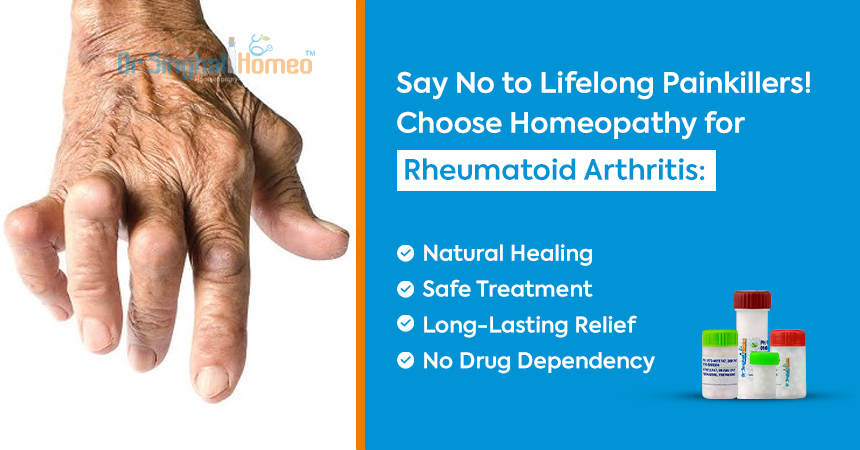
Living with rheumatoid arthritis doesn’t have to feel like a dead end. While conventional treatments have their place, many people are discovering promising relief through homeopathic medicines for rheumatoid arthritis. If you’re tired of side effects from traditional medications or simply want to explore gentler alternatives, you’re not alone in this journey.
Understanding the Gentle Approach
Homeopathic medicines for rheumatoid arthritis work on the principle that like cures like, using highly diluted natural substances to stimulate your body’s own healing response. Unlike harsh pharmaceuticals, these remedies aim to address the root cause of inflammation while supporting your overall well-being.
The beauty of homeopathy lies in its personalized approach. Rather than offering a one-size-fits-all solution, homeopathic practitioners consider your unique symptoms, personality, and lifestyle when selecting the right remedy for you.
Rhus Toxicodendron: Perfect for morning stiffness that improves with gentle movement
Bryonia: Helpful when joints feel worse with any motion and better with rest
Arnica: Excellent for reducing inflammation and pain in swollen joints
Apis Mellifica: Works wonders for joints that feel hot, swollen, and sensitive to touch
Important: Always consult a qualified homeopathic practitioner before starting any treatment.
What Makes Homeopathy Different
The most refreshing aspect of homeopathic medicines for rheumatoid arthritis is their gentle nature. You won’t have to worry about stomach irritation, liver damage, or other concerning side effects that often accompany conventional treatments. Many patients report feeling more energetic and emotionally balanced while using these natural remedies.
“I started noticing improvements in my joint pain within just a few weeks of beginning homeopathic treatment. The best part? I felt like myself again, not drowsy or foggy like with my previous medications.” – Sarah, 45
Taking the Next Step Forward
Starting your journey with homeopathic medicines for rheumatoid arthritis requires patience and the right guidance. At Dr Singhal Homeo, expert care and personalized treatment plans ensure you receive the most suitable remedy for your specific condition. A qualified practitioner monitors your progress and adjusts treatment as needed for the best results.
Remember, healing takes time, but many people experience meaningful improvements within a few months. Consistency and proper guidance play a key role in long-term relief.
Your path to better joint health and improved quality of life might be closer than you think. For expert consultation, you can contact Dr Singhal Homeo at +91 9056551747.
Frequently Asked Questions About Homeopathic Treatment
Can I take homeopathic medicines with my current medications?
Yes, homeopathic remedies are generally safe to use alongside conventional medications. However, it’s essential to inform both your doctor and homeopathic practitioner about all treatments you’re taking to ensure the best care coordination.
Are there any side effects from homeopathic medicines for rheumatoid arthritis?
Homeopathic remedies are known for their gentle nature and minimal side effects. Some people may experience a temporary worsening of symptoms initially, which homeopaths consider a positive sign that the remedy is working.
How do I know which homeopathic remedy is right for me?
The selection process involves a detailed consultation with a qualified practitioner who will assess your specific symptoms, pain patterns, triggers, and overall health. Each person receives an individualized treatment plan based on their unique presentation.
Can children with juvenile arthritis use homeopathic medicines?
Homeopathic medicines are safe for all ages, including children. Many parents find these gentle remedies particularly appealing for young patients, as they avoid the harsh side effects of conventional medications.
Will homeopathy cure my rheumatoid arthritis completely?
While homeopathy can provide significant relief and improvement in quality of life, results vary from person to person. Many patients experience reduced pain, improved mobility, and better overall well-being, though complete cure depends on various individual factors.
Behcet’s disease presents significant therapeutic challenges for healthcare practitioners and patients alike. As conventional treatment approaches often provide limited long-term relief, there has been increasing interest in exploring alternative therapeutic modalities. Homeopathic treatment for Behcet has emerged as a viable complementary approach that warrants careful consideration within the broader treatment paradigm for this complex autoimmune condition.
Clinical Understanding of Behcet’s Disease
Behcet’s disease is a chronic, multisystem vasculitis characterized by recurrent inflammatory episodes affecting various organ systems. The condition typically manifests as recurrent oral and genital ulcerations, ocular inflammation, skin lesions, and potential involvement of vascular, neurological, and gastrointestinal systems. The episodic nature of symptoms and variable clinical presentation make diagnosis and treatment particularly challenging.
Current conventional therapeutic approaches primarily focus on immunosuppression and symptom management through corticosteroids, immunomodulatory agents, and biological therapies. While these interventions may provide temporary relief, they often carry significant adverse effects and do not address the underlying pathophysiological mechanisms comprehensively.
Principles of Homeopathic Medicine in Behcet’s Disease Management
Fundamental Therapeutic Approach
Behcet’s treatment in homeopathy operates on the fundamental principle of individualized medicine, where treatment selection is based on the totality of symptoms rather than disease categorization alone. This approach recognizes that each patient presents with unique constitutional characteristics, symptom patterns, and disease manifestations that require personalized therapeutic intervention.
The homeopathic methodology emphasizes the restoration of homeostatic balance through the administration of highly diluted substances that stimulate the body’s innate healing mechanisms. In the context of Behcet’s disease, this approach aims to modulate immune system dysfunction and reduce inflammatory responses without suppressing natural physiological processes.
Constitutional Assessment and Remedy Selection
The selection of appropriate homeopathic remedies for homeopathy for Behcet requires comprehensive constitutional assessment. Practitioners evaluate not only the presenting symptoms but also the patient’s overall physical constitution, mental-emotional state, and individual susceptibility patterns. This holistic evaluation ensures that treatment addresses the underlying predisposition to autoimmune dysfunction rather than merely suppressing symptomatic manifestations.
Evidence-Based Homeopathic Interventions
Primary Therapeutic Remedies
Clinical experience and homeopathic literature have identified several remedies that demonstrate therapeutic potential in homeopathic treatment for Behcet:
Arsenicum Album: Indicated for patients presenting with burning pains, particularly in oral ulcerations, accompanied by anxiety and restlessness
Mercurius Solubilis: Appropriate for cases involving severe mucosal inflammation with metallic taste and excessive salivation
Natrum Muriaticum: Beneficial for patients with recurrent ulcerative lesions associated with emotional suppression and grief
Phosphorus: Indicated in cases with ocular involvement and bleeding tendencies
Rhus Toxicodendron: Useful for patients experiencing joint involvement and skin manifestations with characteristic modalities
Treatment Protocols and Methodology
Homeopathic treatment for Behcet’s disease focuses on a personalized and holistic approach. The process usually begins with detailed case-taking, where the patient’s symptoms, medical history, and overall health are carefully evaluated. Based on this analysis, the most suitable homeopathic remedy is selected and monitored over time. At Dr Singhal Homeo, treatment is tailored to each individual to support the body’s natural healing process. With expert guidance and continuous follow-up, patients receive safe and gentle care aimed at improving symptoms and overall well-being.
Clinical Outcomes and Therapeutic Benefits
Documented Improvements
Clinical observations in homeopathy for Behcet have documented several positive therapeutic outcomes. Patients frequently report reduction in the frequency and severity of ulcerative episodes, improved healing times for oral and genital lesions, and decreased inflammatory activity in affected organ systems.
Long-term Prognosis
The homeopathic approach to Behcet’s disease management aims to achieve sustainable improvement in overall health status rather than temporary symptom suppression. Patients often experience gradual but progressive enhancement in their constitutional strength, leading to reduced susceptibility to inflammatory episodes and improved quality of life.
Safety Profile
One of the significant advantages of homeopathic treatment for Behcet is its excellent safety profile. Homeopathic remedies, when properly prescribed, do not produce the adverse effects commonly associated with conventional immunosuppressive therapies. This makes homeopathic treatment particularly suitable for long-term management of chronic conditions such as Behcet’s disease.
Integration with Conventional Medical Care
Collaborative Treatment Approaches
Contemporary medical practice increasingly recognizes the value of integrative approaches to complex autoimmune conditions. Behcet’s treatment in homeopathy can be effectively integrated with conventional medical care, providing complementary therapeutic benefits without interfering with necessary conventional interventions.
Healthcare practitioners are encouraged to maintain open communication regarding all therapeutic modalities being employed, ensuring coordinated care that maximizes therapeutic benefit while minimizing potential interactions or complications.
Monitoring and Assessment
Regular clinical assessment is essential for patients receiving homeopathy for Behcet. Practitioners should monitor disease activity markers, symptom progression, and overall constitutional improvement. This systematic approach allows for appropriate treatment modifications and ensures optimal therapeutic outcomes.
Clinical Considerations and Patient Selection
Appropriate Candidates
Homeopathic treatment for Behcet may be particularly beneficial for patients who have not achieved satisfactory results with conventional therapy, those experiencing adverse effects from immunosuppressive medications, or individuals seeking a more natural approach to disease management. Early intervention with homeopathic treatment may also help prevent disease progression and reduce long-term complications.
Treatment Duration and Expectations
Patients should understand that homeopathic treatment typically requires sustained commitment over extended periods. While some individuals may experience improvement within weeks, others may require several months of treatment before significant clinical benefits become apparent. The gradual nature of improvement reflects the fundamental homeopathic principle of gentle, sustainable healing.
Future Directions and Research Opportunities
The growing interest in Behcet’s treatment in homeopathy presents opportunities for systematic clinical research to further validate therapeutic efficacy. Well-designed clinical trials could provide valuable insights into optimal treatment protocols, patient selection criteria, and long-term outcomes.
Healthcare institutions and research organizations are encouraged to investigate the potential of homeopathic interventions as part of comprehensive treatment strategies for Behcet’s disease. Such research could contribute significantly to the development of evidence-based integrative treatment approaches for complex autoimmune conditions.
Conclusion
Homeopathic treatment for Behcet represents a promising therapeutic approach that addresses the complex pathophysiology of this challenging autoimmune condition. Through individualized treatment protocols that support the body’s natural healing mechanisms, homeopathy offers patients a safe and effective alternative or complement to conventional medical management. As healthcare continues to evolve toward more personalized and integrative approaches, homeopathy for Behcet deserves serious consideration as part of comprehensive treatment strategies for improving patient outcomes and quality of life.
Are you tired of migraine headaches controlling your life? You’re not alone. Millions of people worldwide suffer from these debilitating headaches that can last for hours or even days. While conventional treatments often provide temporary relief, many are turning to homeopathy for a more natural, long-lasting solution.
Why Homeopathy Works for Migraine Treatment
Homeopathy treats the root cause of migraines rather than just masking the symptoms. This gentle, natural approach works by stimulating your body’s own healing mechanisms. Unlike painkillers that can cause dependency and side effects, homeopathic medicines are safe, non-toxic, and work in harmony with your body.
Many patients report significant improvement in both the frequency and intensity of their migraines after starting homeopathic treatment. The best part? No harsh chemicals or synthetic drugs entering your system.
Meet Dr. Vikas Singhal: Your Migraine Solution Expert
When searching for the best doctor for migraine treatment, experience and expertise matter most. Dr. Vikas Singhal stands out as a leading homeopath with an impressive 23 years of experience in treating complex cases, including chronic migraines.
Operating from Dr. Singhal Homeo Clinic in Chandigarh, Dr. Singhal has helped thousands of patients find lasting relief from their migraine pain. His remarkable reach extends globally – he currently treats patients and sends medicines to 73 countries worldwide, proving the effectiveness of his treatment approach.
Convenient Treatment Options That Fit Your Life
Dr. Singhal understands that migraine sufferers need flexible treatment options. That’s why Dr. Singhal Homeo Clinic offers:
Online consultation for patients who cannot travel
Offline consultation at the Chandigarh clinic
Doorstep delivery of medicines to your location
Comprehensive diet and lifestyle consultation
This convenience means you can start your healing journey from anywhere in the world, without the stress of travel triggering more migraines.
Meet Dr. Vikas Singhal: A Trusted Expert for Migraine Treatment
When searching for the best doctor for migraine treatment, experience and expertise play a crucial role. Dr. Vikas Singhal is a well-known classical homeopathic physician with over 23 years of experience in treating chronic and complex health conditions, including migraines.
He practices at Dr. Singhal Homeo Clinic in Chandigarh, where he has helped thousands of patients find long-term relief from migraine headaches. His treatment approach is based on classical homeopathy, which focuses on individualized care and addressing the underlying cause of illness.
Dr. Singhal’s reputation extends beyond India. He currently treats patients and sends medicines to 73 countries worldwide, demonstrating the trust and effectiveness of his treatment methods.
Flexible Treatment Options for Patients
Migraine sufferers often find it difficult to travel during severe attacks. Understanding this challenge, Dr. Singhal Homeo Clinic provides convenient consultation options:
Online consultations for patients who cannot visit the clinic
Offline consultations at the Chandigarh clinic
Doorstep delivery of medicines across India and internationally
Detailed diet and lifestyle guidance
This flexibility allows patients from anywhere in the world to begin treatment without the stress of traveling, which can sometimes trigger migraine episodes.
Holistic Care for Long-Term Migraine Relief
One of the reasons many patients consider Dr. Singhal among the best doctors for migraine treatment is his holistic approach.
Migraine triggers can vary widely from person to person and may include:
Stress and anxiety
Certain foods and dietary habits
Hormonal changes
Irregular sleep patterns
Environmental triggers such as bright light or strong smells
Instead of focusing only on medicine, Dr. Singhal provides complete guidance on diet, lifestyle, and trigger management. This comprehensive care helps patients reduce the chances of future migraine attacks while improving overall well-being.
Take the First Step Toward Migraine Freedom
Migraines can make life extremely difficult, but the good news is that effective and natural solutions are available. With Dr. Vikas Singhal’s homeopathic treatment approach, many patients have experienced lasting relief and improved quality of life.
His 23 years of experience and successful treatment of patients worldwide highlight the reliability of his approach. If you are struggling with recurring migraine headaches, exploring homeopathy may help you regain control of your life. If you have any questions about using homeopathic treatment for migraine headache relief, please feel free to call us or message us on WhatsApp at +91 9056551747.
Frequently Asked Questions
Q: How effective is homeopathy for migraine headaches?
Homeopathy is highly effective for migraines as it addresses the root cause and provides lasting relief without side effects.
Q: Who is the best doctor for migraine treatment?
Dr. Vikas Singhal, a classical homeopathic doctor with 23 years of experience, is considered among the best for migraine treatment with reach in 73 countries.
Q: How long does homeopathic treatment take to work for migraines?
Most patients start experiencing improvement within 2-4 weeks, with significant relief typically seen within 3-6 months of treatment.
Q: Can I get homeopathic treatment online?
Yes, Dr. Singhal Homeo Clinic offers both online and offline consultations with doorstep delivery of medicines worldwide.
Q: Are there any side effects of homeopathic medicines for migraines?
Homeopathic medicines are generally safe and natural, with minimal or no side effects or risk of dependency. Consulting a qualified doctor, like Dr. Vikas Singhal further reduces the chances of side effects.
Polycystic Ovarian Disorder (PCOD), also known as Polycystic Ovary Syndrome (PCOS), represents one of the most prevalent endocrine disorders affecting women of reproductive age. As conventional treatment approaches continue to evolve, there has been increasing interest in complementary and alternative medicine modalities, particularly homeopathic medicine for PCOD. This article examines the clinical applications, therapeutic mechanisms, and evidence-based considerations of homeopathic interventions in PCOD management.
The growing body of research and clinical experience suggests that homeopathic medicine for PCOD offers a systematic approach to addressing the complex hormonal imbalances characteristic of this condition. Understanding the principles and applications of homeopathic treatment provides valuable insights for both healthcare practitioners and patients seeking comprehensive care options.
Clinical Understanding of PCOD and Homeopathic Intervention
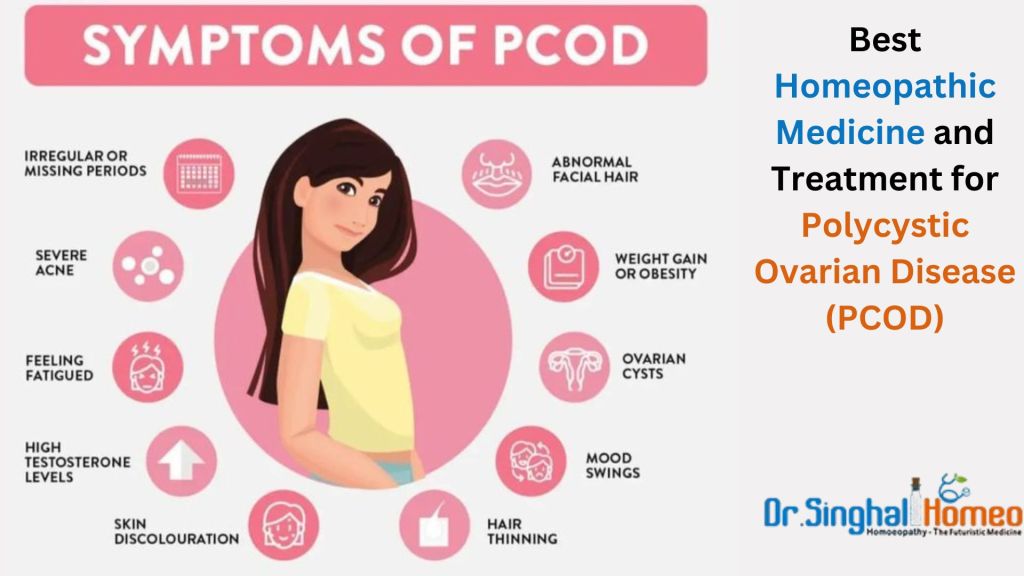
PCOD is characterized by multiple ovarian cysts, irregular menstrual cycles, hyperandrogenism, and metabolic dysfunction. The condition affects approximately 5-10% of women of reproductive age and is associated with significant long-term health implications, including increased risk of type 2 diabetes, cardiovascular disease, and endometrial cancer.
Homeopathic medicine for PCOD operates on the principle of individualization, where treatment protocols are tailored to the specific constitutional characteristics and symptom patterns of each patient. This approach contrasts with conventional treatments that typically focus on standardized protocols for symptom management.
The theoretical framework of homeopathic medicine suggests that PCOD symptoms result from deeper constitutional imbalances that require correction at the fundamental level. Rather than suppressing individual symptoms, homeopathic interventions aim to stimulate the body’s inherent regulatory mechanisms to restore physiological balance.
Therapeutic Mechanisms in Homeopathic PCOD Treatment
Hormonal Regulation and Endocrine Balance
The application of homeopathic medicine for PCOD focuses significantly on addressing hormonal dysregulation. Clinical observations suggest that appropriately selected homeopathic remedies may influence the hypothalamic-pituitary-ovarian axis, potentially supporting the normalization of luteinizing hormone (LH) and follicle-stimulating hormone (FSH) ratios.
Research indicates that certain homeopathic preparations may have regulatory effects on insulin sensitivity, which is frequently compromised in PCOD patients. This metabolic component is particularly significant, as insulin resistance plays a central role in the pathophysiology of the condition.
Constitutional Treatment Approach
Homeopathic medicine for PCOD employs a constitutional treatment methodology that considers the totality of symptoms rather than isolated manifestations. This approach involves detailed case analysis including:
Comprehensive menstrual history and pattern analysis
Metabolic and endocrine symptom evaluation
Psychological and emotional state assessment
Physical constitutional characteristics
Individual response patterns to environmental factors
Remedy Selection Criteria
The selection of appropriate homeopathic remedies for PCOD follows established homeopathic principles, including similarity of symptoms, individualization, and minimum dose. Commonly indicated remedies in clinical practice include:
Pulsatilla nigricans: Indicated for patients with irregular, delayed, or suppressed menstruation, particularly when associated with emotional lability and changeable symptoms.
Sepia officinalis: Frequently prescribed for patients presenting with hormonal imbalances accompanied by bearing-down sensations, irregular menses, and characteristic psychological symptoms.
Calcarea carbonica: Often indicated in cases where PCOD is associated with obesity, slow metabolism, and characteristic constitutional features.
Natrum muriaticum: Considered for patients with stress-related hormonal disruptions and specific emotional patterns.
Clinical Applications and Treatment Protocols
Menstrual Cycle Normalization
Clinical experience with homeopathic medicine for PCOD demonstrates potential benefits in menstrual cycle regulation. Treatment protocols typically focus on addressing the underlying hormonal imbalances that contribute to oligomenorrhea or amenorrhea commonly seen in PCOD patients.
The therapeutic approach involves careful monitoring of menstrual patterns, ovulation indicators, and associated symptoms. Treatment plans are regularly adjusted based on patient response and evolving symptom patterns.
Metabolic Support and Weight Management
PCOD frequently presents with metabolic complications, including insulin resistance and weight management challenges. Homeopathic medicine for PCOD addresses these aspects through constitutional treatment that may support metabolic function and healthy weight regulation.
Clinical protocols often incorporate remedies that have traditionally been associated with metabolic regulation and may support the body’s natural mechanisms for maintaining healthy weight and glucose metabolism.
Dermatological Manifestations
Hyperandrogenism in PCOD often results in dermatological symptoms including acne, hirsutism, and androgenic alopecia. Homeopathic treatment approaches these manifestations as expressions of underlying hormonal imbalances rather than isolated dermatological conditions.
Treatment protocols address both the hormonal basis of these symptoms and the local manifestations, often resulting in gradual improvement in skin condition and hair growth patterns.
Evidence Base and Clinical Considerations
Research Perspectives
While the evidence base for homeopathic medicine for PCOD continues to develop, several studies have examined the potential benefits of homeopathic interventions in PCOD management. Observational studies and case series have reported improvements in various PCOD parameters following homeopathic treatment.
Research methodologies in homeopathy face unique challenges due to the individualized nature of treatment, making traditional randomized controlled trial designs difficult to implement effectively. However, pragmatic trial designs and observational studies provide valuable insights into clinical outcomes.
Safety Profile and Contraindications
Homeopathic medicine for PCOD is generally associated with a favorable safety profile when administered under qualified supervision. The highly diluted nature of homeopathic preparations minimizes the risk of direct pharmacological side effects.
However, appropriate case management requires consideration of potential interactions with conventional medications and monitoring for any changes in clinical status that may require conventional medical intervention.
Integration with Conventional Care
Clinical practice often involves integrating homeopathic medicine for PCOD with conventional treatment approaches. This integrative model allows patients to benefit from both conventional symptomatic management and homeopathic constitutional treatment.
Coordination between homeopathic practitioners and conventional healthcare providers is essential to ensure comprehensive patient care and appropriate monitoring of treatment outcomes.
Treatment Outcomes and Prognosis
Expected Clinical Responses
Patients undergoing homeopathic treatment for PCOD typically experience gradual improvement in symptoms over several months. Clinical outcomes commonly include:
Progressive menstrual cycle normalization
Improvement in metabolic parameters
Reduction in hyperandrogenic symptoms
Enhanced overall well-being and energy levels
Improved stress tolerance and emotional balance
Long-term Management Considerations
Homeopathic medicine for PCOD is often viewed as a long-term therapeutic approach that aims to address constitutional imbalances underlying the condition. Treatment duration varies based on individual factors, symptom severity, and treatment response.
Regular follow-up appointments allow for treatment optimization and monitoring of clinical progress. The goal is to achieve sustainable improvement that supports long-term health and reduces the risk of PCOD-related complications.
Conclusion
Homeopathic medicine for PCOD represents a systematic approach to addressing the complex hormonal and metabolic imbalances characteristic of this condition. The individualized treatment methodology, favorable safety profile, and focus on overall constitutional improvement make homeopathy a valuable consideration in comprehensive PCOD management.
At Dr. Singhal Homeo clinic, this natural approach is carefully applied under the guidance of Dr. Vikas Singhal, who has over 23 years of clinical experience in treating chronic hormonal and women’s health conditions. Each case of PCOD is evaluated in detail, considering symptoms, lifestyle, stress factors, and metabolic concerns to create a personalized treatment plan aimed at long-term balance rather than temporary relief.
While further research continues to strengthen the evidence base for homeopathic interventions in PCOD, clinical experience and patient outcomes suggest meaningful benefits for appropriately selected individuals. Integrating homeopathic medicine with necessary conventional care can enhance treatment results and improve overall quality of life.
Women considering homeopathic treatment for PCOD are encouraged to consult experienced practitioners like Dr. Vikas Singhal to ensure proper assessment, individualized remedy selection, and continuous monitoring throughout the healing journey.
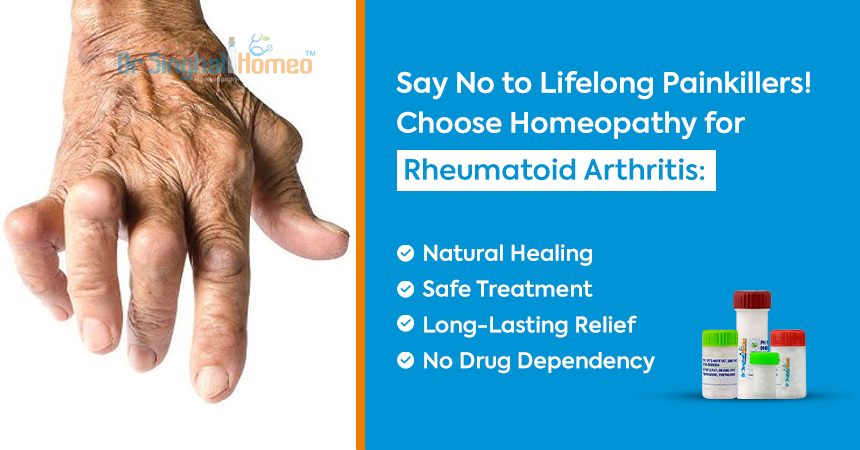
Living with rheumatoid arthritis doesn’t mean you have to accept constant pain and limited mobility. Many people are discovering that homeopathic medicines for rheumatoid arthritis offer a gentle, natural approach to managing this challenging condition. While traditional treatments focus on suppressing symptoms, homeopathy works with your body’s natural healing abilities to provide lasting relief.
Understanding Rheumatoid Arthritis and Natural Solutions
Rheumatoid arthritis affects millions of people worldwide, causing joint inflammation, stiffness, and pain that can significantly impact daily life. The good news is that homeopathic treatments have shown promising results in helping people manage these symptoms naturally.
Unlike conventional medications that often come with unwanted side effects, homeopathic remedies are prepared from natural substances and work by stimulating your body’s own healing response. This makes them safe for long-term use and suitable for people of all ages.
Popular Homeopathic Remedies for Joint Health
Several homeopathic medicines have gained recognition for their effectiveness in treating rheumatoid arthritis symptoms:
Rhus Toxicodendron: Particularly helpful for morning stiffness that improves with movement
Bryonia: Best for joint pain that worsens with any motion and feels better with rest
Arnica: Excellent for reducing inflammation and pain in swollen joints
Calcarea Carbonica: Beneficial for people who experience cold, damp weather triggering their symptoms
Important Note: Always consult a qualified homeopathic practitioner before starting any treatment, as self-medication can be harmful.
Finding the Right Treatment Plan
The beauty of homeopathic medicine lies in its individualized approach. What works for one person may differ for another, even with the same condition. A qualified homeopathic practitioner will consider your specific symptoms, lifestyle, and overall health to create a personalized treatment plan.
Many patients report noticeable improvements in pain levels, joint mobility, and overall quality of life within a few weeks of starting homeopathic treatment. The key is consistency and patience, as natural healing takes time to show lasting results.
Supporting Your Healing Journey
Homeopathic medicines for rheumatoid arthritis can provide significant relief, especially when combined with healthy lifestyle choices. Gentle exercise, an anti-inflammatory diet, and stress management can enhance the effectiveness of homeopathic remedies and support better joint health. Many patients have experienced reduced pain, improved mobility, and a better quality of life through natural treatment.
At Dr. Singhal Homeo Clinic, Dr. Vikas Singhal brings over 23 years of experience in treating chronic autoimmune conditions like rheumatoid arthritis with personalized homeopathic care. Each treatment plan is tailored to the patient’s symptoms, lifestyle, and overall health.
For consultation, call or WhatsApp +91 9056551747 and begin your journey toward natural, long-term relief.
Frequently Asked Questions
Are homeopathic medicines safe to take alongside conventional arthritis medications?
Homeopathic remedies are generally safe to use with other medications, but it’s essential to inform both your homeopathic practitioner and regular doctor about all treatments you’re taking.
Can homeopathic treatment completely cure rheumatoid arthritis?
Homeopathy offers significant potential for sustained improvement and long-term management of rheumatoid arthritis. Many patients experience substantial reduction in symptoms, improved joint function, and enhanced overall well-being. With proper treatment, some individuals achieve remarkable results that can last for years, allowing them to lead more active and comfortable lives.
Who is considered one of the best homeopathic doctors for rheumatoid arthritis treatment?
Dr. Vikas Singhal is widely recognized as one of the best homeopathic practitioners for treating rheumatoid arthritis and other chronic conditions, with over 23 years of experience and successful patient outcomes. He offers online consultation services that have benefited patients from 73 countries worldwide, providing convenient access to expert care with medicines delivered directly to patients’ doorsteps.
What lifestyle changes should I make alongside homeopathic treatment?
Incorporate gentle exercises like swimming or yoga, follow an anti-inflammatory diet rich in omega-3 fatty acids, manage stress through meditation, and ensure adequate rest for optimal healing.
Vitiligo represents a complex dermatological condition characterized by the progressive loss of skin pigmentation, affecting approximately 0.5-2% of the global population. For individuals seeking alternative therapeutic approaches beyond conventional dermatological treatments, homeopathic medicine offers a comprehensive treatment methodology that addresses both the symptomatic manifestations and underlying constitutional factors of this condition.
Clinical Understanding of Vitiligo and Homeopathic Intervention
Vitiligo manifests as depigmented patches on the skin due to the destruction or dysfunction of melanocytes, the cells responsible for melanin production. While conventional medical approaches typically focus on topical therapies, phototherapy, and immunosuppressive treatments, vitiligo treatment in homeopathy adopts a fundamentally different therapeutic philosophy.
Homeopathic treatment for vitiligo operates on the principle of individualized medicine, where treatment protocols are developed based on the patient’s complete symptom picture, constitutional type, and underlying predispositions. This approach aims to stimulate the body’s inherent healing mechanisms rather than merely suppressing visible symptoms.
Professional Excellence: Dr. Vikas Singhal’s Clinical Expertise
When evaluating options for the best doctor for vitiligo treatment within the homeopathic domain, clinical experience and treatment outcomes serve as primary indicators of professional competence. Dr. Vikas Singhal, practicing at Dr. Singhal Homeo Clinic in Chandigarh, brings 23 years of specialized experience in homeopathic medicine, with particular expertise in treating complex dermatological conditions including vitiligo.
Dr. Singhal’s practice demonstrates remarkable global reach, currently treating patients and sending medicines to 73 countries worldwide. This international patient base reflects both the accessibility of his treatment protocols and the consistent therapeutic outcomes achieved through his clinical methodology.
Clinical Services and Treatment Infrastructure
Dr. Singhal Homeo Clinic provides comprehensive healthcare services designed to accommodate diverse patient needs:
Individualized Treatment Protocols: Each patient receives customized treatment plans developed through detailed case analysis and constitutional assessment
International Patient Care: The clinic’s ability to serve patients across 73 countries demonstrates its capacity for effective remote treatment management
Flexible Consultation Models: Both online and offline consultation services ensure accessibility regardless of geographical constraints
Comprehensive Medicine Distribution: Doorstep delivery of medicines facilitates treatment continuity for patients worldwide
Therapeutic Methodology in Homeopathic Vitiligo Treatment
The clinical approach to vitiligo treatment in homeopathy involves comprehensive patient evaluation encompassing multiple diagnostic dimensions. Dr. Vikas Singhal’s treatment methodology incorporates detailed analysis of patient history, including genetic predisposition, environmental triggers, psychological factors, and the specific pattern of disease progression.
This multifactorial assessment enables the selection of constitutional remedies that address not only the visible depigmentation but also the underlying immunological and metabolic imbalances contributing to the condition’s development and progression.
Treatment Protocol Development
Professional homeopathic treatment for vitiligo follows structured protocols:
Initial Assessment Phase: Comprehensive evaluation includes detailed medical history, family history, lifestyle factors, stress patterns, and emotional state analysis through either online or offline consultation methods.
Treatment Planning: Development of individualized therapeutic protocols based on homeopathic principles, incorporating specific remedy selection, potency determination, and dosage schedules.
Monitoring and Adjustment: Regular follow-up consultations enable treatment modification based on patient response and disease progression patterns.
Supportive Care Integration: Diet and lifestyle consultation services provide additional therapeutic support to optimize treatment outcomes.
Clinical Evidence and Patient Outcomes
The efficacy of Dr. Singhal’s approach to vitiligo treatment is evidenced by his extensive international patient base spanning 73 countries. This global reach indicates consistent therapeutic outcomes and patient satisfaction across diverse populations and genetic backgrounds.
Clinical observations suggest that patients undergoing homeopathic treatment for vitiligo often experience not only improvement in pigmentation patterns but also enhancement in overall health parameters, immune function, and quality of life indicators.
Professional Consultation and Treatment Access
For individuals seeking the best doctor for vitiligo treatment within the homeopathic medical system, Dr. Vikas Singhal’s 23 years of clinical experience and international practice scope represent significant professional credentials.
The clinic’s infrastructure supports both local and international patients through comprehensive consultation services, reliable medicine distribution systems, and ongoing clinical support. The availability of online consultation options ensures that geographical location does not limit access to expert care.
Treatment Considerations and Clinical Expectations
Vitiligo treatment in homeopathy requires understanding that therapeutic outcomes develop gradually as the body’s healing mechanisms are stimulated. The treatment process involves constitutional strengthening, immune system optimization, and gradual restoration of melanocyte function.
Patients considering homeopathic treatment for vitiligo should be prepared for a comprehensive therapeutic approach that may include lifestyle modifications, dietary adjustments, and consistent medication adherence as prescribed by qualified practitioners.
Conclusion
The management of vitiligo through homeopathic medicine offers a viable therapeutic alternative for patients seeking comprehensive treatment approaches. Dr. Vikas Singhal’s extensive clinical experience, demonstrated through 23 years of practice and international patient care across 73 countries, positions him as a qualified practitioner for individuals considering homeopathic treatment options.
The integration of personalized treatment protocols, accessible consultation services, reliable medicine distribution, and supportive care services through Dr. Singhal Homeo Clinic provides a structured framework for vitiligo management within the homeopathic medical system.
For patients exploring alternatives to conventional dermatological treatments, consultation with experienced homeopathic practitioners represents a prudent step in comprehensive healthcare planning.
Leucoderma and vitiligo represent significant dermatological conditions affecting millions of individuals worldwide. These hypopigmentary disorders are characterized by the development of depigmented patches on the skin, resulting from the dysfunction or destruction of melanocytes. While conventional medical approaches exist, homeopathic medicine for leucoderma and vitiligo has emerged as a notable alternative therapeutic option, demonstrating promising results in clinical practice.
This article examines the application of homeopathic medicine for vitiligo, exploring the theoretical framework, treatment methodologies, and clinical considerations relevant to healthcare practitioners and patients seeking comprehensive information about this therapeutic approach.
Pathophysiology and Clinical Presentation of Leucoderma and Vitiligo
Leucoderma and vitiligo are essentially synonymous terms describing an acquired skin disorder characterized by circumscribed depigmented macules and patches. The condition results from the selective destruction or dysfunction of melanocytes, the specialized cells responsible for melanin production in the epidermis.
The etiology of vitiligo involves multiple factors, including autoimmune mechanisms, genetic predisposition, oxidative stress, and environmental triggers. Current research suggests that autoimmune destruction of melanocytes plays a primary role, with T-cell mediated immune responses targeting melanocyte-specific antigens.
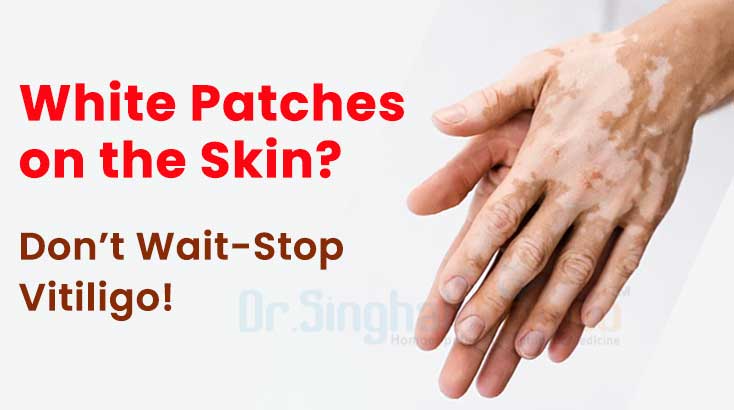
Clinical manifestation typically includes well-demarcated, milky-white patches that may appear anywhere on the body, with common sites including the face, hands, feet, and areas subject to friction or trauma. The condition may be localized, generalized, or segmental in distribution, with varying degrees of progression and stability.
Homeopathic Therapeutic Approach to Vitiligo Treatment
Fundamental Principles of Homeopathic Medicine
Homeopathic medicine for leucoderma operates on the principle of individualization, wherein treatment is tailored to the patient’s constitutional type, symptom totality, and overall health status. This approach considers not merely the local skin manifestations but the complete symptom picture, including physical, mental, and emotional aspects of the patient.
The homeopathic treatment protocol emphasizes the concept of “similia similibus curentur” (like cures like), selecting remedies based on the principle that substances capable of producing symptoms in healthy individuals can treat similar symptoms in diseased states when administered in highly diluted, potentized forms.
Constitutional Remedies in Homeopathic Practice
Constitutional prescribing represents the cornerstone of effective homeopathic medicine for vitiligo. This approach involves comprehensive case analysis to identify the most appropriate remedy based on the patient’s overall constitutional pattern. Commonly utilized constitutional remedies include:
Arsenicum Album: Frequently prescribed for patients presenting with anxiety, restlessness, and perfectionist tendencies, particularly when skin lesions are associated with burning sensations and the patient exhibits characteristic fears and insecurities.
Sulphur: Indicated in cases where patients present with philosophical dispositions, tendency toward skin complaints, and characteristic modalities including aggravation from heat and bathing, with improvement from cool, open air.
Phosphorus: Often considered for patients with sensitive, artistic temperaments who exhibit strong empathetic qualities and tendency toward bleeding disorders or respiratory complaints alongside their skin condition.
Silicea: Recommended for individuals with refined, sensitive constitutions who exhibit chronic, slowly progressing conditions and tendency toward infections and delayed healing processes.
Specific Therapeutic Remedies
Beyond constitutional treatment, homeopathic medicine for leucoderma includes specific remedies targeted toward particular symptom presentations:
Baryta Carbonica: Clinical experience suggests efficacy in cases where depigmentation primarily affects the extremities, particularly hands and feet, often in elderly patients or those with developmental concerns.
Hydrocotyle Asiatica: Traditionally employed when vitiligo patches demonstrate progressive spreading patterns, with particular attention to cases involving circular or ring-like lesion configurations.
Mercurius Solubilis: May be indicated when skin depigmentation occurs concomitantly with premature graying of hair in affected areas, particularly when patients present with characteristic mercury symptomatology.
Clinical Management and Treatment Protocols
Assessment and Case Analysis
Comprehensive homeopathic treatment of vitiligo requires detailed case analysis incorporating multiple dimensions of patient presentation. The assessment process includes:
Detailed medical history including onset, progression, and triggering factors
Complete symptom inventory encompassing physical, mental, and emotional domains
Constitutional analysis including physical characteristics, temperament, and general health patterns
Miasmatic assessment to understand underlying predispositions
Repertorization and materia medica study for remedy selection
Treatment Monitoring and Prognosis
Clinical response to homeopathic medicine for vitiligo typically follows a gradual, progressive pattern. Initial therapeutic response may include stabilization of existing lesions and cessation of new patch development, generally observed within 3-6 months of treatment initiation.
Repigmentation typically occurs through the development of small pigmented spots within depigmented areas, gradually expanding and coalescing over extended treatment periods. Complete therapeutic response may require 12-36 months of consistent treatment, depending on factors including:
Extent and duration of the condition
Age of the patient and general health status
Location and type of vitiligo lesions
Patient compliance and constitutional responsiveness
Concurrent stressors and lifestyle factors
Integration with Conventional Medical Care
Homeopathic medicine for leucoderma can be effectively integrated with conventional dermatological care. This integrative approach allows patients to benefit from both systems while maintaining appropriate medical monitoring and assessment.
Healthcare practitioners should consider homeopathic treatment as a complementary therapeutic option, particularly for patients seeking alternatives to conventional treatments or those experiencing limited success with standard therapeutic protocols.
Safety Considerations and Contraindications
Homeopathic remedies demonstrate excellent safety profiles due to their highly diluted nature and minimal risk of adverse reactions. However, proper case management requires qualified homeopathic practitioners capable of accurate remedy selection and case monitoring.
Patients should maintain regular dermatological assessment to monitor disease progression and ensure appropriate therapeutic response. Any concerning changes in lesion characteristics or rapid progression should prompt immediate conventional medical evaluation.
Conclusion and Clinical Implications
Homeopathic medicine for vitiligo represents a valuable therapeutic option within the comprehensive management of this challenging dermatological condition. The individualized, constitutional approach characteristic of homeopathic treatment offers unique advantages in addressing both the local skin manifestations and systemic health factors contributing to the condition.
Clinical evidence and practitioner experience suggest that homeopathic medicine for leucoderma can provide significant therapeutic benefit when applied by qualified practitioners using appropriate case analysis and remedy selection protocols. The gentle, non-invasive nature of homeopathic treatment makes it particularly suitable for long-term management of chronic conditions like vitiligo.
For those seeking expert care, Dr. Singhal Homeo Clinic in Chandigarh offers specialized homeopathic treatment for vitiligo and other chronic skin disorders. With experienced practitioners and individualized treatment plans, the clinic focuses on safe, natural, and holistic healing. For optimal therapeutic outcomes, patients should consult qualified homeopathic professionals and follow a consistent treatment approach for comprehensive and long-term health management.
Finding the right treatment for your child’s asthma can feel overwhelming, especially when traditional medicines come with side effects or don’t provide complete relief. Many parents are discovering that asthma homeopathy treatment for child offers a gentle, natural approach that works alongside the body’s healing abilities.
Understanding Homeopathy for Childhood Asthma
Homeopathy focuses on treating each child as a unique individual rather than just addressing symptoms. This personalized approach considers your child’s specific triggers, breathing patterns, and overall health. Unlike conventional treatments that might suppress symptoms, homeopathic remedies aim to strengthen your child’s respiratory system naturally.
The beauty of asthma homeopathy treatment for child lies in its safety profile. These remedies are highly diluted and don’t carry the harsh side effects often associated with long-term steroid use or bronchodilators.
Common Homeopathic Remedies for Young Asthma Patients
Arsenicum Album
This remedy works wonderfully for children whose asthma worsens at night or in cold weather. If your child experiences anxiety along with breathing difficulties, this gentle treatment can provide significant relief.
Natrum Sulphuricum
Perfect for children whose asthma flares up in damp conditions or after exercise. Many parents notice improvements in their child’s breathing within weeks of starting this remedy.
Antimonium Tartaricum
Ideal for younger children who struggle with chest congestion and rattling sounds during breathing episodes.
Important Disclaimer: The remedies mentioned above are for informational purposes only. Never attempt to self-medicate your child or choose homeopathic medicines without proper consultation. Always work with a qualified homeopathic practitioner who can assess your child’s specific condition and recommend appropriate treatments.
What to Expect During Treatment
Asthma homeopathy treatment for children typically begins with a detailed consultation where the practitioner learns about your child’s unique symptoms, triggers, and medical history. This thorough approach ensures the most suitable remedy is selected.
Most children respond positively to homeopathic treatment within 4-6 weeks, though some may notice improvements sooner. The goal is gradual, lasting improvement rather than quick fixes that might not address underlying causes.
Working with Healthcare Providers
The most effective approach combines homeopathy with your child’s existing asthma management plan. Never stop prescribed medications without consulting your doctor first. Many pediatricians are open to complementary treatments when they see positive results.
Keep detailed records of your child’s symptoms, triggers, and improvements to share with both your homeopath and pediatrician. This collaboration ensures your child receives comprehensive care.
About Dr. Singhal Homeo – Experienced Care for Childhood Asthma
With 23 years of experience in homeopathic practice, Dr. Singhal Homeo is widely known for providing personalized and result-oriented care for childhood asthma and other respiratory conditions. Each child is carefully evaluated based on individual symptoms, triggers, medical history, and overall health before recommending a customized treatment plan.
The focus is on gentle, safe, and long-term management of asthma through a holistic homeopathic approach, helping children breathe more comfortably and live an active life.
Asthma homeopathy treatment for child offers families a promising path toward better respiratory health. While each child’s journey is different, many parents report fewer asthma attacks, improved sleep quality, and increased energy levels in their children.
Remember that healing takes time, and consistency with treatment is key. With patience and the right homeopathic support, your child can enjoy a more active, comfortable life with better breathing and fewer limitations.
Consider consulting a qualified homeopathic practitioner to explore how this natural approach might benefit your child’s unique situation.
Frequently Asked Questions
Is homeopathic treatment safe for very young children?
Yes, homeopathic remedies are generally safe for children of all ages due to their highly diluted nature. However, always consult with a qualified homeopathic practitioner experienced in treating children to ensure proper dosing and remedy selection.
Can my child continue regular asthma medications while using homeopathy?
Absolutely. Homeopathic treatment works well alongside conventional asthma medications. Never discontinue prescribed medications without your doctor’s approval. Many families gradually reduce conventional medications with their pediatrician’s guidance as homeopathic treatment progresses.
What should I look for when choosing a homeopathic practitioner for my child?
Look for a certified practitioner with specific experience treating children’s respiratory conditions. They should take detailed case histories, consider your child’s overall health, and work collaboratively with your existing healthcare team without advising you to stop conventional treatments abruptly.
Are you tired of constant sneezing, watery eyes, and blocked nose every time you encounter dust? You’re not alone. Millions of people worldwide struggle with dust allergies, searching for effective treatments that offer lasting relief without side effects. The good news is that homeopathy for dust allergy provides a natural, safe solution that addresses the root cause of your symptoms.
Why Choose Homeopathic Treatment for Dust Allergy?
Unlike conventional medications that merely suppress symptoms, homeopathic treatment for dust allergy works by strengthening your immune system. This approach helps your body naturally respond better to dust particles without overreacting. Many patients experience significant improvement in their quality of life through this gentle yet effective treatment method.
Homeopathy offers several advantages:
No harmful side effects
Safe for all age groups
Treats the underlying cause
Provides long-term relief
Boosts overall immunity
Meet Dr. Vikas Singhal – Your Trusted Homeopath
When seeking the best doctor for dust allergy treatment, experience matters. Dr. Vikas Singhal brings 23 years of experience in treating allergic conditions through homeopathy. Based in Chandigarh, he has successfully helped thousands of patients overcome their dust allergies and regain control of their lives.
Proven Track Record
Dr. Singhal Homeo Clinic has earned recognition for treating patients across 73 countries, demonstrating the effectiveness of their treatment approach. This global reach speaks volumes about the trust patients place in Dr. Singhal’s expertise.
Convenient Treatment Options
Understanding that dust allergy affects your daily routine, Dr. Singhal offers flexible consultation options:
Online consultations for busy schedules
Offline consultations at the clinic
Doorstep delivery of medicines worldwide
This convenience ensures you never miss your treatment, regardless of your location or circumstances.
Complete Care Beyond Medicine
What sets this practice apart is the comprehensive approach to healing. Along with homeopathic medicines, you receive valuable diet and lifestyle consultation. This guidance helps you make informed choices that support your recovery and prevent future allergic episodes.
Take Action Today
Don’t let dust allergy control your life any longer. With Dr. Vikas Singhal’s expertise and proven homeopathic treatment for dust allergy, you can experience the relief you deserve. The combination of 23 years of experience, global patient satisfaction, and convenient treatment delivery makes this the ideal choice for your healing journey.
Contact Dr. Singhal Homeo Clinic today and take the first step toward a dust allergy-free life. Your healthier, happier future awaits. Calll or whatsapp us at +91 9056551747.
Frequently Asked Questions
How effective is homeopathic treatment for dust allergy?
Homeopathic treatment addresses the root cause of dust allergies by strengthening your immune system naturally. With proper treatment, most patients experience significant improvement within 3-6 months of starting therapy.
Are homeopathic medicines safe for children with dust allergies?
Yes, homeopathic medicines are completely safe for children of all ages with no side effects. These natural remedies work gently to boost immunity and reduce allergic reactions effectively.
How long does homeopathic treatment for dust allergy take to show results?
Initial improvement usually appears within 4-8 weeks of starting treatment under expert guidance. Complete recovery typically takes 6-12 months depending on individual case severity and response.
Can I take homeopathic medicines alongside conventional allergy medications?
Yes, homeopathic medicines can be safely combined with conventional treatments without any interactions. However, it’s recommended to consult your homeopath for proper guidance and dosage adjustments.
What lifestyle changes support homeopathic treatment for dust allergies?
Regular house cleaning, using air purifiers, and maintaining proper humidity levels enhance treatment effectiveness. Dr. Singhal provides detailed diet and lifestyle consultation to support your healing process.
Does Dr. Vikas Singhal provide online consultations for dust allergy treatment?
Yes, Dr. Singhal offers both online and offline consultations for patient convenience worldwide. Medicines are delivered directly to your doorstep with detailed instructions for proper usage.
How many years of experience does Dr. Vikas Singhal have in treating allergies?
Dr. Vikas Singhal has 23 years of experience in homeopathic treatment of various allergic conditions. He has successfully treated patients from 73 countries with proven results and expertise.
 health