If you’ve been dealing with nagging back pain or stiffness that just won’t go away, spondylitis might be the reason. It’s not just about your back — it can touch several parts of your body in ways you might not expect.
The Spine Is Where It All Begins
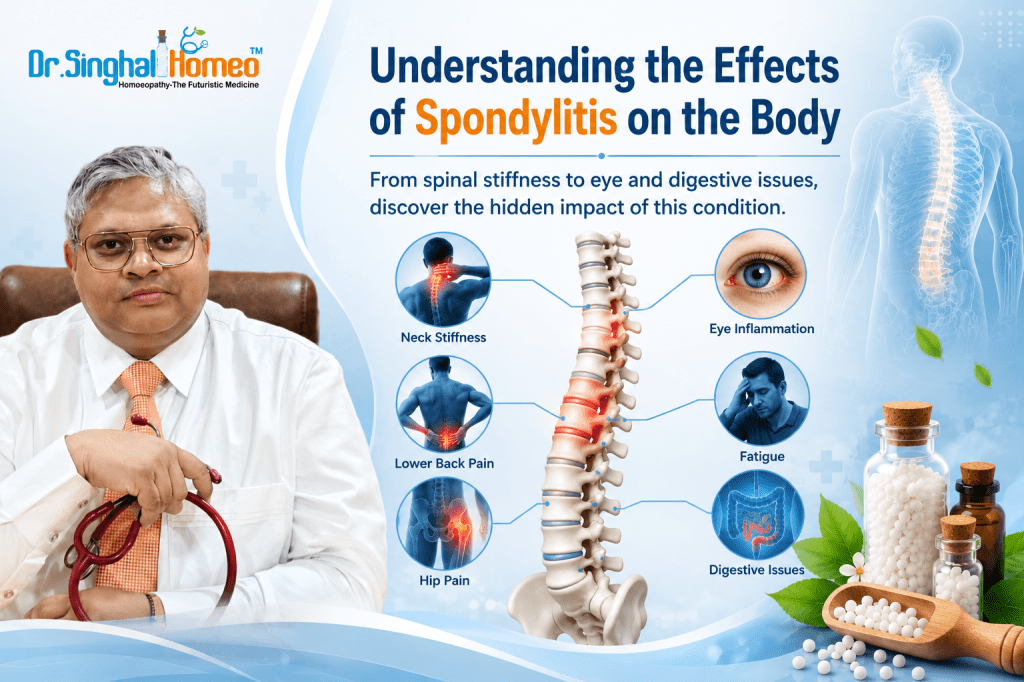
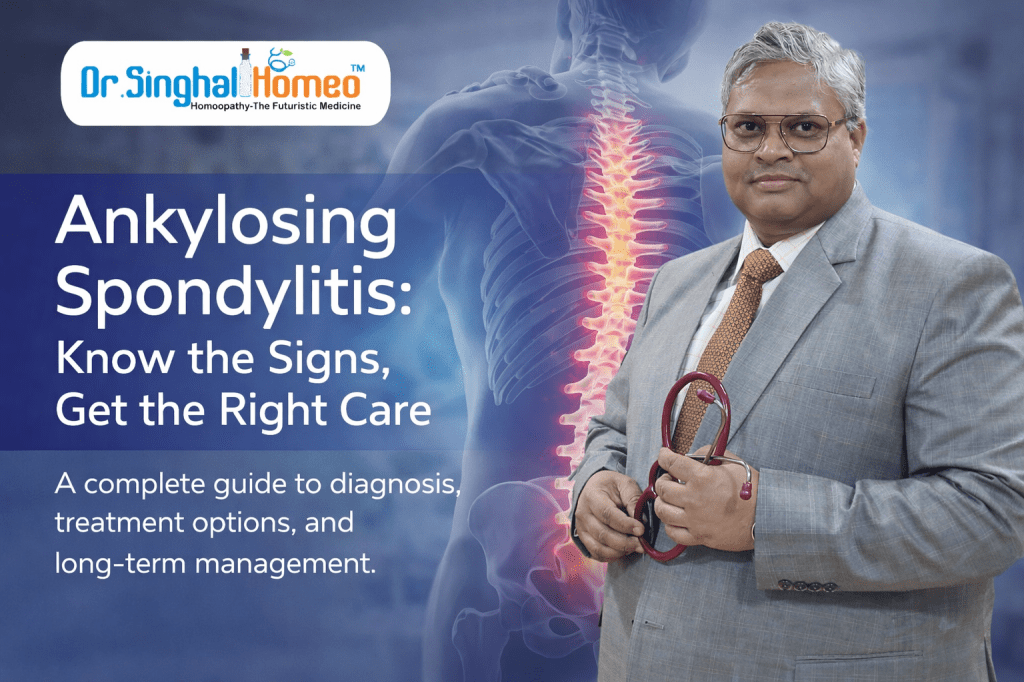
The spine is primarily affected by spondylitis, and one of the most critical types is ankylosing spondylitis, which has an autoimmune origin. The inflammation typically starts at the base of the spine and gradually works its way upward if left unmanaged.
Specific Spinal Regions Involved
The sacroiliac joints — where your spine connects to the pelvis — are almost always the first to show signs
The lumbar spine (lower back) follows shortly after
The thoracic spine (mid-back) can become stiff over time
The cervical spine (neck) may also be involved in advanced cases
Hip and shoulder joints are the most commonly affected large joints
The eyes can develop uveitis — causing redness, light sensitivity, and blurred vision
Chest and rib joints can make deep breathing uncomfortable
The gut has a known connection to spondylitis, often linked with Crohn’s disease or ulcerative colitis
The body parts involved in spondylitis go well beyond the back — from the eyes to the gut, this condition can affect overall quality of life.
Symptoms You Should Not Ignore
Morning stiffness and lower back pain that eases with movement
Fatigue that feels out of proportion to your activity
Eye redness or sudden vision changes
Swelling or pain in the hips or knees
Final Thoughts
Spondylitis is a condition that deserves more attention. Starting in the spine, spinal inflammation caused by spondylitis has the potential to involve the hips, eyes, chest, and even the digestive system. If back pain has been bothering you for more than three months and started before age 45, don’t wait — speak to a doctor and get the right answers for your body early.
Holistic Care for Spondylitis Under Expert Guidance
If you are struggling with persistent back pain, stiffness, or symptoms related to spondylitis, seeking the right treatment at an early stage can make a significant difference. Dr. Vikas Singhal is one of the leading Homeopathic doctors in India and abroad, with more than twenty-three years of experience at Dr. Singhal Homeo Clinic in Chandigarh. He provides specialized care for ankylosing spondylitis and other chronic autoimmune conditions through personalized homeopathic treatment plans. To get more details or book an appointment, contact us at +91 9056551747.
Are you struggling with PCOD symptoms and wondering where to find the best medical care? You’re not alone. Polycystic Ovarian Disorder affects millions of women worldwide, and finding the right doctor can make all the difference in your healing journey.
Why Choosing the Right Doctor Matters
PCOD is a complex condition that affects your hormones, metabolism, and overall well-being. The symptoms can be overwhelming – irregular periods, weight gain, hair loss, and mood swings. That’s why finding a doctor who truly understands this condition is so important.
Provides ongoing support throughout your treatment
Meet Dr. Vikas Singhal: A Leading Expert in PCOD Treatment
Dr. Vikas Singhal stands out as one of the most experienced doctors in treating PCOD. With 23 years of experience, he has helped thousands of women overcome their PCOD challenges through homeopathic treatment.
What makes Dr. Singhal special? His approach goes beyond just managing symptoms. At Dr. Singhal Homeo Clinicin Chandigarh, he focuses on treating the whole person, not just the disease.
Global Reach and Accessibility
Dr. Singhal’s expertise isn’t limited to his local clinic. He has been treating patients and sending medicines to 73 countries. This global reach shows how effective his treatment methods are and how many women worldwide trust his care.
Whether you live nearby or far away, you can access his expertise through:
Online and offline consultation options
Doorstep delivery of medicines worldwide
Flexible appointment scheduling
Follow-up support throughout your treatment
Complete Care Beyond Medicine
What sets Dr. Singhal apart is his complete approach to PCOD treatment. Along with homeopathic medicines, he provides diet and lifestyle consultation. This is crucial because PCOD affects your entire body system.
His treatment plans often include:
Personalized medicine based on your specific symptoms
Dietary guidelines that support hormonal balance
Lifestyle changes that improve your overall health
Regular monitoring of your progress
Taking the Next Step
Finding the best doctor for PCOD treatment can feel overwhelming, but you don’t have to struggle alone. Dr. Vikas Singhal’s proven track record, global experience, and patient-centered approach make him an excellent choice for women seeking effective PCOD treatment.
Ready to start your healing journey? Consider booking a consultation with Dr. Singhal Homeo Clinic. With both online and offline options available, getting the help you need has never been easier. Remember, PCOD is treatable, and with the right doctor by your side, you can reclaim your health and happiness. For more information, call or WhatsApp at +91 9056551747.
Living with rheumatoid arthritis can feel overwhelming, especially when you’re searching for the best doctor for Rheumatoid Arthritis treatment. The right medical professional can make all the difference in managing your symptoms and improving your quality of life.
Why Experience Matters in Rheumatoid Arthritis Treatment
When dealing with a complex condition like rheumatoid arthritis, experience counts. Dr. Vikas Singhal, a renowned Homeopath in Chandigarh, brings over 23 years of experience to the table. This extensive background means he’s seen countless cases and understands the nuances of treating this challenging autoimmune condition.
What sets Dr. Singhal apart is his comprehensive approach to patient care. At Dr. Singhal Homeo Clinic, patients receive personalized attention that goes beyond just prescribing medications.
Global Reach with Personal Touch
Finding the Best Doctor shouldn’t be limited by geography. Dr. Singhal has been treating patients and sending medicines to 73 countries, making quality healthcare accessible worldwide. This global reach demonstrates the trust patients place in his treatment methods.
Whether you prefer face-to-face meetings or virtual consultations, the clinic offers both online and offline consultation options. This flexibility ensures you can receive expert care regardless of your location or schedule constraints.
Comprehensive Care Beyond Medicine
What makes Dr. Singhal’s approach unique is the holistic care package. Beyond treating rheumatoid arthritis, he also provides expertise as thebest doctor for HSV treatment, showing his versatility in handling various health conditions.
The clinic offers:
Doorstep delivery of medicines for your convenience
Diet and lifestyle consultation to support your treatment
Personalized treatment plans based on your specific needs
Regular follow-ups to monitor progress
Making Treatment Accessible
One of the biggest challenges patients face is accessing quality treatment consistently. Dr. Singhal’s clinic addresses this through their medicine delivery service, ensuring you never miss doses due to travel or mobility issues.
The diet and lifestyle consultation component is particularly valuable for rheumatoid arthritis patients, as certain foods and habits can trigger flare-ups or support healing.
Your Next Step Forward
Choosing the right doctor for rheumatoid arthritis treatment is a crucial decision that impacts your daily life and long-term health. With Dr. Vikas Singhal’s extensive experience, global reach, and comprehensive care approach, you’re not just getting a doctor – you’re getting a healthcare partner committed to your wellness journey.
Ready to take control of your rheumatoid arthritis? Consider scheduling a consultation to discuss your treatment options and start your path toward better health management.
Expert Care with Homeopathy
If you or your family is suffering from Rheumatoid Arthritis and looking for homeopathic treatment, you are in the right place. Dr. Singhal Homeo Clinic is dedicated to helping patients manage joint pain, stiffness, swelling, and mobility issues associated with Rheumatoid Arthritis. Our homeopathic medicines focus on addressing the root causes of the condition while providing individualized care based on your symptoms, medical history, and lifestyle.
Dr. Vikas Singhal has over 23 years of experience and offers customized homeopathic treatment plans for various chronic and autoimmune conditions, including Rheumatoid Arthritis. To learn more or schedule an appointment, please call or WhatsApp us at +91 9056551747.
Living with ankylosing spondylitis can feel overwhelming, especially when you’re first learning about the condition. The good news is that small lifestyle changes can make a big difference in managing your symptoms and improving your quality of life. Let’s explore some practical lifestyle tips for ankylosing spondylitis that you can start using today.
Moving Your Body the Right Way
Exercise might be the last thing you want to do when you’re dealing with stiff, painful joints. However, staying active is one of the most important lifestyle tips for ankylosing spondylitis. The key is choosing the right activities.
Low-Impact Exercise Options
Swimming stands out as an excellent choice because the water supports your body weight while allowing for full range of motion. If you don’t have access to a pool, walking on flat surfaces or using an elliptical machine can provide similar benefits.
Stretching and flexibility exercises are equally important. Consider trying yoga or tai chi, as these gentle practices can help maintain spinal flexibility while reducing stress. Even simple daily stretches can prevent your spine from becoming too stiff.
Creating Sleep Success
Quality sleep becomes even more crucial when you have ankylosing spondylitis. Your sleeping position can significantly impact how you feel in the morning.
Try sleeping on your back or stomach rather than on your side. Use a thin pillow or no pillow at all to keep your neck in a neutral position. A firm mattress provides better support for your spine than a soft one.
Smart Food Choices
While there’s no specific diet for ankylosing spondylitis, certain foods can help reduce inflammation in your body. Focus on eating plenty of fruits, vegetables, and fish rich in omega-3 fatty acids like salmon and sardines.
Consider limiting processed foods, sugar, and refined carbohydrates, as these can increase inflammation. Some people find that reducing dairy or gluten helps their symptoms, though this varies from person to person.
Managing Daily Activities
Simple changes to your daily routine can prevent unnecessary strain on your spine and joints. When sitting, use a chair with good back support and take breaks every 30 minutes to stand and stretch.
At work, adjust your computer screen to eye level to avoid neck strain. If you spend long hours at a desk, consider using a standing desk for part of the day.
Taking Care of Your Mental Health
Living with chronic pain can affect your mood and mental health. Don’t hesitate to talk to friends, family, or a counselor about your feelings. Joining a support group, either in person or online, can connect you with others who understand what you’re going through.
Managing ankylosing spondylitis is a journey, not a destination. These lifestyle tips for ankylosing spondylitis work best when you incorporate them gradually into your routine. Start with one or two changes and build from there. Remember to work closely with your healthcare team to create a comprehensive management plan that’s right for you.
Natural Support and Better Living with Ankylosing Spondylitis
For those seeking natural and effective ways to manage ankylosing spondylitis, Dr. Vikas Singhal is one of the leading Homeopathic doctors in India and abroad. He has been practicing at his Dr. Singhal Homeo Clinic in Chandigarh for 23 years. He offers specialized care for chronic spine and joint conditions like ankylosing spondylitis, focusing on long-term relief through personalized homeopathic treatment. For more details or to make an appointment, reach out to us at +91 9056551747.
Frequently Asked Questions
What exercises should I avoid with ankylosing spondylitis?
Avoid high-impact activities like running on concrete, contact sports, and heavy weightlifting that could strain your spine and joints.
How often should I exercise with ankylosing spondylitis?
Aim for daily gentle stretching and 3-4 sessions of low-impact exercise per week, but listen to your body’s signals.
Can diet really help reduce ankylosing spondylitis symptoms?
Yes, anti-inflammatory foods like fish, fruits, and vegetables may help reduce inflammation, while processed foods can worsen symptoms.
What sleeping position is best for ankylosing spondylitis?
Sleep on your back or stomach with minimal pillows to maintain proper spinal alignment and prevent morning stiffness.
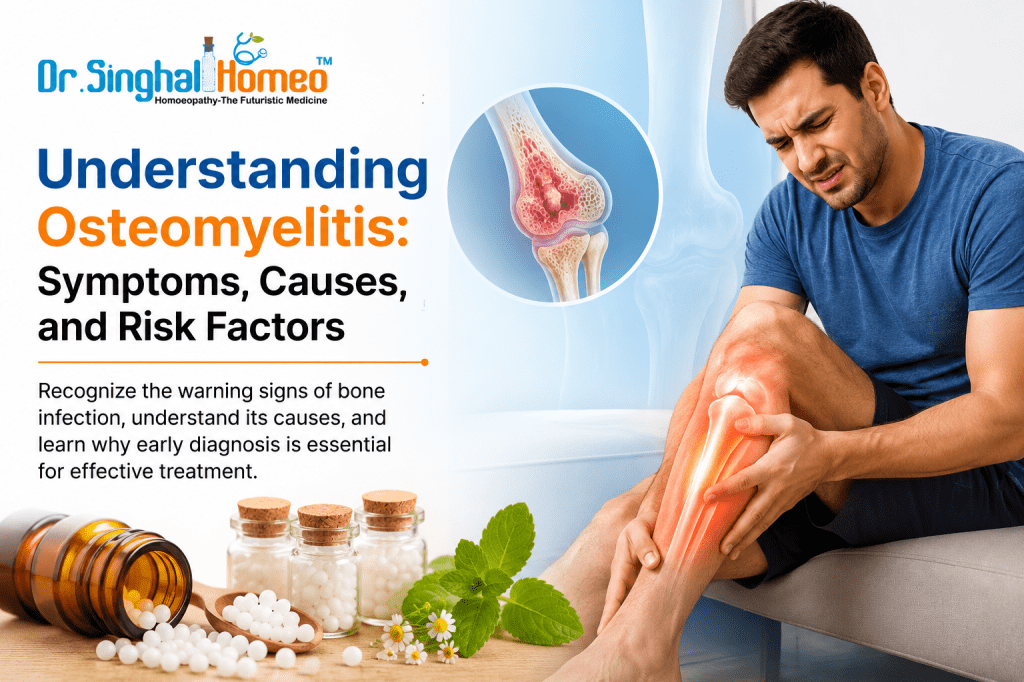
Osteomyelitis represents a serious medical condition characterized by bacterial infection of bone tissue. This inflammatory disorder requires prompt medical attention and thorough understanding for effective management. Healthcare professionals and patients alike must recognize the critical importance of early identification and appropriate treatment protocols.
Clinical Presentation and Symptomatology
Primary Clinical Manifestations
The osteomyelitis symptoms and causes present distinct patterns that healthcare providers must carefully evaluate. Patients typically exhibit the following clinical signs:
Localized bone pain with progressive intensity and persistence
Systemic inflammatory response including fever exceeding 38°C (100.4°F)
Regional inflammation manifesting as erythema, edema, and increased temperature
Constitutional symptoms including malaise, fatigue, and general discomfort
Purulent discharge from cutaneous openings overlying infected bone
Functional impairment of the affected anatomical region
Age-Specific Presentations
Pediatric patients often demonstrate acute onset with high fever, irritability, and reluctance to utilize affected extremities. Conversely, adult presentations may follow a more insidious course, with chronic pain and subtle inflammatory markers preceding obvious clinical signs.
Elderly patients present unique challenges, as symptoms may be masked by concurrent medical conditions or immunocompromised states, leading to delayed diagnosis and potentially severe complications.
Etiology and Risk Factors
Pathophysiological Mechanisms
The development of osteomyelitis involves complex interactions between pathogenic microorganisms and host defense mechanisms. Understanding these osteomyelitis symptoms and causes requires examination of three primary infection pathways:
Hematogenous dissemination: Bacteremia originating from distant infection sites allows pathogenic organisms to seed bone tissue through vascular channels. This mechanism predominates in pediatric cases and affects metaphyseal regions of long bones.
Contiguous spread: Direct bacterial invasion occurs through traumatic wounds, surgical incisions, or compound fractures where bone tissue becomes exposed to environmental contaminants.
Vascular insufficiency: Compromised blood supply creates favorable conditions for bacterial proliferation, particularly in diabetic patients with peripheral vascular disease.
Predisposing Factors
Several clinical conditions significantly increase osteomyelitis risk:
Immunocompromised states including diabetes mellitus, malignancy, or immunosuppressive therapy
Orthopedic hardware such as joint prostheses, internal fixation devices, or bone grafts
Intravenous drug use providing direct vascular access for pathogenic organisms
Chronic wounds including pressure ulcers, diabetic foot ulcers, or venous stasis ulcers
Recent surgical procedures involving bone or joint manipulation
Microbiology and Causative Organisms
Staphylococcus aureus remains the predominant causative organism across all age groups, demonstrating particular virulence in bone tissue. Methicillin-resistant Staphylococcus aureus (MRSA) poses increasing therapeutic challenges in hospital-acquired infections.
Gram-negative organisms, including Pseudomonas aeruginosa and Enterobacteriaceae, frequently complicate diabetic foot infections or post-surgical cases. Anaerobic bacteria may contribute to polymicrobial infections, particularly in cases involving pressure ulcers or diabetic complications.
Diagnostic Considerations
Clinical Assessment
Comprehensive evaluation begins with detailed medical history and physical examination. Healthcare providers must assess pain characteristics, constitutional symptoms, and examine affected areas for signs of inflammation or drainage.
Laboratory and Imaging Studies
Diagnostic workup typically includes complete blood count, erythrocyte sedimentation rate, and C-reactive protein levels to assess inflammatory response. Blood cultures may identify causative organisms in hematogenous cases.
Radiographic imaging begins with plain radiographs, though early osteomyelitis may not demonstrate obvious changes for 10-14 days. Advanced imaging modalities, including magnetic resonance imaging or bone scintigraphy, provide enhanced sensitivity for early detection and extent assessment.
Treatment Implications and Prognosis
Early recognition of osteomyelitis symptoms and causes significantly influences treatment outcomes. Appropriate antibiotic therapy, often requiring prolonged courses, forms the cornerstone of management. Severe cases may necessitate surgical intervention for debridement of necrotic tissue or drainage of abscesses.
Conclusion
Osteomyelitis represents a serious medical condition requiring comprehensive understanding of its clinical presentation and underlying pathophysiology. Healthcare professionals must maintain high clinical suspicion when evaluating patients with bone pain and systemic inflammatory signs. Early identification of osteomyelitis symptoms and causes enables prompt therapeutic intervention, reducing the risk of chronic infection, bone destruction, and associated complications. Patients experiencing persistent bone pain with constitutional symptoms should seek immediate medical evaluation to ensure optimal outcomes through appropriate diagnostic assessment and treatment protocols.
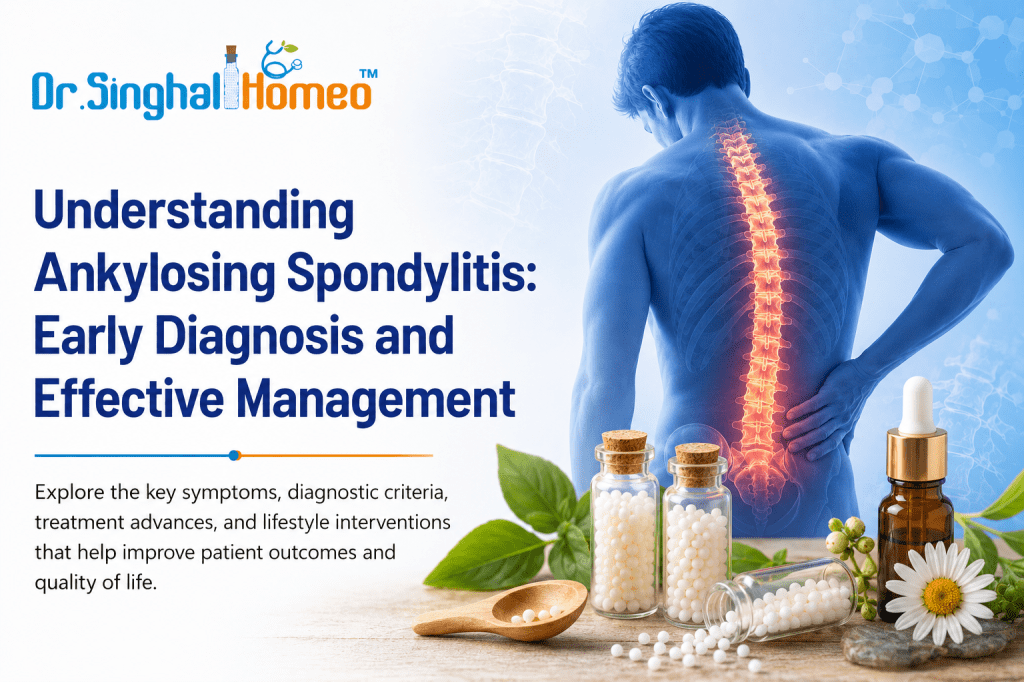
Ankylosing spondylitis represents a significant inflammatory arthropathy that necessitates prompt recognition and comprehensive management strategies. Healthcare professionals and patients alike require thorough understanding of the diagnostic criteria, clinical manifestations, and therapeutic approaches associated with this chronic condition. This article provides an evidence-based examination of ankylosing spondylitis diagnosis and management protocols to facilitate optimal patient outcomes.
Clinical Presentation and Pathophysiology
Ankylosing spondylitis is a chronic inflammatory disease belonging to the spondyloarthritis family, characterized by progressive inflammation of the axial skeleton. The condition primarily affects the sacroiliac joints and spine, with potential involvement of peripheral joints and extra-articular manifestations. The pathophysiology involves immune-mediated inflammation that can ultimately result in structural damage and ankylosis of affected joints.
The disease demonstrates a marked predilection for young adults, typically manifesting between the second and fourth decades of life. Epidemiological studies indicate a higher prevalence in males, with a male-to-female ratio of approximately 3:1, though recent research suggests potential underdiagnosis in female populations due to variable clinical presentations.
Diagnostic Criteria and Clinical Assessment
Primary Clinical Manifestations
The cornerstone of ankylosing spondylitis diagnosis and management lies in recognition of characteristic clinical features that distinguish this condition from mechanical back pain and other inflammatory arthropathies.
Cardinal Symptoms Include:
Inflammatory back pain with insidious onset, typically before age 40
Morning stiffness exceeding 30 minutes duration
Improvement with exercise and deterioration with rest
Nocturnal pain causing sleep disruption
Alternating buttock pain indicating sacroiliitis
Extra-articular Manifestations
Ankylosing spondylitis frequently presents with systemic complications that may precede or accompany spinal symptoms:
Acute anterior uveitis, occurring in approximately 25-30% of patients
Inflammatory bowel disease associations
Cardiovascular complications including aortitis and conduction abnormalities
The diagnostic process for ankylosing spondylitis requires systematic evaluation incorporating clinical assessment, laboratory investigations, and imaging studies.
Clinical Evaluation: Comprehensive history taking and physical examination remain fundamental components. Assessment should include spinal mobility measurements using standardized tools such as the Bath Ankylosing Spondylitis Metrology Index (BASMI) and functional assessment through instruments like the Bath Ankylosing Spondylitis Functional Index (BASFI).
Laboratory Investigations: While no pathognomonic laboratory marker exists for ankylosing spondylitis, several tests provide valuable diagnostic information:
Acute-phase reactants (erythrocyte sedimentation rate and C-reactive protein) to assess inflammatory activity
HLA-B27 testing, positive in approximately 90% of patients with ankylosing spondylitis
Complete blood count and comprehensive metabolic panel to establish baseline parameters
Imaging Studies: Radiological evaluation serves as a critical component of ankylosing spondylitis diagnosis and management:
Plain radiographs of the pelvis and lumbar spine to identify sacroiliitis and syndesmophyte formation
Magnetic resonance imaging for early detection of inflammatory changes prior to radiographic evidence
Computed tomography when detailed assessment of structural changes is required
Evidence-Based Management Strategies
Pharmacological Interventions
Contemporary ankylosing spondylitis diagnosis and management emphasizes early intervention to prevent structural damage and maintain functional capacity.
First-Line Therapy: Non-steroidal anti-inflammatory drugs (NSAIDs) constitute the initial pharmacological intervention, providing both symptomatic relief and potential disease-modifying effects. Continuous NSAID therapy has demonstrated efficacy in reducing radiographic progression compared to on-demand usage.
Advanced Therapeutic Options: For patients with inadequate response to conventional therapy, biologic agents represent a significant advancement in treatment paradigms:
Janus kinase inhibitors showing emerging promise in clinical trials
Conventional Disease-Modifying Antirheumatic Drugs: Traditional DMARDs such as methotrexate may be considered for patients with significant peripheral joint involvement, though evidence for axial disease modification remains limited.
Non-Pharmacological Interventions
Physical therapy and exercise programs constitute essential components of comprehensive ankylosing spondylitis management. Evidence consistently demonstrates that structured exercise interventions improve spinal mobility, reduce functional impairment, and enhance quality of life measures.
Recommended Exercise Modalities:
Spinal extension exercises to counteract kyphotic deformity
Regular monitoring protocols are essential for optimizing ankylosing spondylitis diagnosis and management outcomes. Standardized assessment tools facilitate objective evaluation of disease activity and treatment response:
Bath Ankylosing Spondylitis Disease Activity Index (BASDAI)
Assessment of SpondyloArthritis International Society (ASAS) response criteria
Regular imaging surveillance to monitor structural progression
Prognosis and Long-term Considerations
The prognosis for patients with ankylosing spondylitis has improved significantly with advances in early diagnosis and therapeutic interventions. Factors associated with poorer outcomes include early age of onset, elevated inflammatory markers, hip joint involvement, and smoking history.
Contemporary management approaches emphasizing early intervention with biologic therapies have demonstrated substantial improvements in preventing radiographic progression and maintaining functional capacity. Patient education regarding lifestyle modifications, including smoking cessation, postural awareness, and adherence to exercise regimens, remains crucial for optimizing long-term outcomes.
Conclusion
Effective ankylosing spondylitis diagnosis and management requires multidisciplinary collaboration between primary care physicians, rheumatologists, physical therapists, and other healthcare professionals. Early recognition of characteristic clinical features, appropriate utilization of diagnostic modalities, and implementation of evidence-based therapeutic strategies are essential for preventing irreversible structural damage and maintaining patient quality of life.
The evolving understanding of disease pathophysiology continues to inform novel therapeutic targets, offering promise for improved outcomes in patients with ankylosing spondylitis. Continued research efforts and adherence to established clinical guidelines will ensure optimal management of this complex inflammatory condition.
Healthcare providers must remain vigilant for early signs of ankylosing spondylitis and maintain current knowledge of therapeutic advances to provide comprehensive, patient-centered care that addresses both the physical and psychosocial aspects of this chronic inflammatory disease.
The diagnosis of Human Papillomavirus (HPV) presents patients with the critical challenge of identifying appropriate medical expertise for effective treatment management. As one of the most prevalent sexually transmitted infections globally, HPV requires specialized medical attention from qualified healthcare professionals who possess the requisite knowledge and experience to address this complex viral condition comprehensively.
The Medical Significance of HPV and the Importance of Specialized Care
Human Papillomavirus encompasses over 200 distinct viral strains, with varying degrees of clinical significance and potential health implications. While numerous HPV infections resolve spontaneously through natural immune response, certain high-risk variants pose substantial health risks when left without appropriate medical intervention. Consequently, the selection of thebest doctor for HPV treatmentrepresents a fundamental decision that directly impacts patient outcomes and long-term health preservation.
The contemporary healthcare landscape presents patients with numerous treatment modalities and healthcare providers, creating complexity in the decision-making process. Conventional medical approaches typically emphasize symptomatic management; however, alternative therapeutic frameworks offer comprehensive treatment strategies that address underlying pathophysiology while enhancing the body’s innate healing mechanisms.
Dr. Vikas Singhal: Distinguished Expertise in Homeopathic Medicine
In the pursuit of identifying the best doctor for HPV treatment, Dr. Vikas Singhal emerges as a distinguished practitioner in the field of homeopathic medicine. Dr. Singhal brings 23 years of experience in clinical practice, specializing in the treatment of complex viral infections, including both HPV and HSV cases through evidence-based homeopathic interventions.
Dr. Singhal Homeo Clinic, located in Chandigarh, has established itself as a center of excellence for patients seeking comprehensive alternative medical care. Dr. Singhal’s clinical approach distinguishes itself through its emphasis on individualized patient care that addresses the complete spectrum of patient health rather than focusing solely on symptomatic presentations.
International Practice and Accessibility Standards
Dr. Singhal’s clinical practice demonstrates remarkable global reach, having successfully provided treatment to patients across 73 countries through systematic medicine distribution and consultation services. This international scope of practice demonstrates both the efficacy of his therapeutic approaches and the confidence patients worldwide place in his clinical expertise.
The practice accommodates diverse patient needs through comprehensive online and offline consultation services, ensuring that geographical limitations do not impede access to quality medical care. This accessibility framework particularly benefits patients requiring specialized HPV treatment regardless of their geographical location.
Clinical Advantages of Homeopathic Treatment Modalities
Patients considering homeopathic intervention for viral infections such as HPV should understand the fundamental principles that distinguish this approach from conventional medical treatment. Homeopathic medicine operates through the following therapeutic mechanisms:
Enhancement of immune system functionality through natural stimulation
Addressing underlying etiological factors contributing to viral infections
Provision of individualized treatment protocols based on comprehensive symptom analysis
Delivery of treatment with minimal adverse effects
Support for the body’s inherent healing capabilities
Dr. Singhal’s clinical methodology as a leading homeopath involves comprehensive case evaluation, incorporating not only physical symptomatology but also psychological and emotional factors that may influence patient health outcomes.
Comprehensive Patient Care Services
Dr. Singhal’s practice extends beyond conventional treatment provision to encompass complete patient care services:
Pharmaceutical Distribution Services
The implementation of doorstep delivery of medicines ensures continuous treatment access while maintaining patient privacy and convenience. This service proves particularly valuable for patients managing sensitive medical conditions such as HPV, where discretion and treatment continuity are paramount.
Integrated Health Management
Beyond pharmaceutical intervention, Dr. Singhal provides comprehensive diet and lifestyle consultation services that complement primary treatment protocols. This holistic approach acknowledges that optimal health outcomes require integrated lifestyle modifications that support immune function and overall patient wellness.
Specialized Viral Infection Treatment
Dr. Singhal’s clinical expertise extends to serve as the best doctor for HSV treatment, providing comprehensive care for patients presenting with multiple viral infections. His extensive experience with various viral conditions enables the development of integrated treatment strategies when patients present with complex clinical presentations.
Clinical Consultation Process and Patient Expectations
Patients selecting Dr. Singhal for HPV treatment management can anticipate a systematic and professional clinical approach. The consultation process encompasses:
Comprehensive medical history evaluation
Detailed symptom assessment and clinical examination
Lifestyle and dietary pattern analysis
Thorough explanation of proposed treatment methodologies
Complete patient education regarding the therapeutic process
This structured consultation framework ensures patients receive comprehensive information necessary for informed decision-making regarding their healthcare management.
Evidence-Based Treatment Selection and Patient Outcomes
The selection of appropriate medical care for HPV management requires careful consideration of provider qualifications, treatment methodologies, and accessibility factors. Dr. Vikas Singhal’s clinical practice demonstrates measurable success in patient outcomes through systematic homeopathic intervention combined with comprehensive patient support services.
His established reputation as the best doctor in homeopathic viral infection treatment, supported by extensive international patient base and proven treatment delivery systems, positions his practice as a viable option for patients seeking alternative therapeutic approaches to HPV management.
Conclusion and Recommendations for Patient Action
HPV diagnosis necessitates prompt and appropriate medical intervention from qualified healthcare professionals. Dr. Vikas Singhal’s comprehensive approach to homeopathic medicine, supported by extensive clinical experience and global patient care delivery systems, represents a valuable treatment option for patients seeking alternative therapeutic modalities.
For patients considering homeopathic intervention for HPV treatment, consultation with Dr. Singhal’s practice may provide access to specialized care that addresses both immediate symptom management and long-term health optimization through natural healing methodologies.
Living with Behcet’s disease can feel like walking through a minefield. One day you’re fine, and the next day you’re dealing with painful mouth sores, skin problems, or joint pain. If this sounds familiar, you’re probably wondering what causes these flare-ups. Understanding the dietary and nondietary triggers of Behcet’s disease can help you take control of your symptoms and improve your quality of life.
Food Triggers That Can Make Symptoms Worse
Many people with Behcet’s disease notice that certain foods seem to trigger their symptoms. While triggers vary from person to person, some common culprits include:
Citrus fruits – Oranges, lemons, and grapefruits can cause mouth sores in some patients
Tomatoes – The acidity in tomatoes may worsen oral ulcers
Spicy foods – Hot peppers and heavily seasoned dishes often trigger flare-ups
Nuts – Particularly walnuts and hazelnuts have been reported as triggers
Chocolate – Some patients notice increased symptoms after eating chocolate
Alcohol – Beer and wine can worsen inflammation in sensitive individuals
Keep in mind that food triggers are highly individual. What bothers one person might be perfectly fine for another. Consider keeping a food diary to track which foods might be causing your symptoms.
Beyond Food: Other Common Triggers
The dietary and nondietary triggers of Behcet’s disease extend far beyond what’s on your plate. Several lifestyle and environmental factors can spark flare-ups:
Stress and Emotional Factors
Stress is one of the biggest triggers for Behcet’s symptoms. Whether it’s work pressure, family problems, or major life changes, emotional stress can send your immune system into overdrive. Learning to manage stress through relaxation techniques, exercise, or counseling can make a real difference.
Physical Triggers
Lack of sleep – Poor sleep quality or not getting enough rest
Dental problems – Tooth infections or dental procedures
Hormonal changes – Menstrual cycles, pregnancy, or menopause
Weather changes – Some people are sensitive to temperature or humidity shifts
Infections and Illness
Getting sick with a cold, flu, or other infection can trigger Behcet’s symptoms. Your immune system is already overactive with this condition, so any additional strain can cause problems.
Taking Control of Your Triggers
Understanding the dietary and nondietary triggers of Behcet’s disease is the first step toward better symptom management. Start by keeping a detailed diary of your symptoms, food intake, stress levels, and daily activities. Over time, patterns will emerge that can help you identify your personal triggers.
Work closely with your healthcare team to develop a management plan that addresses both dietary changes and lifestyle modifications. Remember, managing Behcet’s disease is a journey, not a destination. With patience and careful attention to your triggers, you can reduce flare-ups and enjoy a better quality of life.
Natural Healing Under Expert Guidance For people living with Behcet’s disease, managing symptoms through the right guidance and holistic approach can make a significant difference in daily life. Understanding dietary and nondietary triggers, along with personalized medical support, helps reduce flare-ups and improve overall quality of life. With expert care, proper lifestyle adjustments, and a balanced approach, patients can better control pain, inflammation, and recurring symptoms.
Dr. Vikas Singhal is one of the best Homeopathic doctors in India and abroad. He has been practicing at his Dr. Singhal Homeo Clinic in Chandigarh for 23 years. He provides specialized care for chronic and autoimmune conditions like Behcet’s disease, focusing on root-cause-based homeopathic treatment without side effects. For more details or to make an appointment, reach out to us at +91 9056551747.
Frequently Asked Questions
Q: Are there any foods that can help reduce Behcet’s disease symptoms?
Anti-inflammatory foods like omega-3 rich fish, leafy greens, and berries may help reduce inflammation. However, consult your doctor before making dietary changes.
Q: How long does it take to identify my personal triggers?
Most people need 3-6 months of careful tracking through food and symptom diaries to identify their specific triggers and patterns.
Q: Can stress alone cause a Behcet’s flare-up without other triggers?
Yes, emotional or physical stress can independently trigger symptoms. Stress management is crucial for controlling Behcet’s disease flare-ups and overall symptom management.
Q: Should I avoid all common trigger foods at once?
No, eliminate suspected foods one at a time for 2-3 weeks each. This helps identify which specific foods affect your symptoms.
Polycystic Ovarian Disease (PCOD) and Polycystic Ovary Syndrome (PCOS) represent prevalent endocrine disorders affecting reproductive-aged women globally. Despite their widespread occurrence, many individuals remain uninformed about the distinguishing characteristics and clinical presentations of these conditions. This article provides a detailed examination of the symptoms associated with PCOD and PCOS to facilitate early recognition and appropriate medical intervention.
Distinguishing PCOD from PCOS: Clinical Definitions
Understanding the fundamental differences between PCOD and PCOS is essential for accurate symptom interpretation. PCOD (Polycystic Ovarian Disease) is characterized by the presence of multiple immature follicles in the ovaries that develop into cysts over time. This condition typically presents with milder symptoms and responds favorably to lifestyle modifications.
PCOS (Polycystic Ovary Syndrome), conversely, represents a complex metabolic and endocrine disorder involving significant hormonal disruptions. PCOS carries greater long-term health implications and requires comprehensive medical management to prevent associated complications.
Both conditions share overlapping symptomatology, necessitating careful clinical evaluation for differential diagnosis. Early symptom recognition enables timely intervention and improved long-term outcomes.
Primary Clinical Manifestations
Menstrual Dysfunction and Reproductive Abnormalities
Menstrual irregularities constitute the most frequently reported initial presentation in patients with PCOD or PCOS. These disturbances manifest as:
Oligomenorrhea: Menstrual cycles exceeding 35 days in length
Amenorrhea: Complete cessation of menstruation for three or more consecutive cycles
Menorrhagia: Abnormally heavy or prolonged menstrual bleeding
Metrorrhagia: Irregular bleeding between menstrual periods
Dysmenorrhea: Increased menstrual pain and cramping
These menstrual abnormalities result from disrupted hypothalamic-pituitary-ovarian axis function, leading to anovulation or irregular ovulatory patterns. The severity and frequency of menstrual disturbances often correlate with the degree of underlying hormonal imbalance.
Anthropometric Changes and Metabolic Dysfunction
Weight management difficulties represent a significant clinical feature in both conditions. Patients commonly experience:
Central obesity with preferential abdominal fat distribution
Insulin resistance leading to impaired glucose metabolism
Difficulty achieving weight reduction despite caloric restriction and exercise
Increased appetite and carbohydrate cravings
Elevated body mass index (BMI)
The metabolic dysfunction associated with these conditions creates a self-perpetuating cycle wherein weight gain exacerbates hormonal imbalances, further compromising metabolic function.
Dermatological and Integumentary Manifestations
Androgenic effects from elevated male hormone levels produce characteristic dermatological changes:
Hirsutism:
Excessive terminal hair growth in male-pattern distribution
Facial hair development, particularly on the chin, upper lip, and jawline
Increased hair density on the chest, abdomen, and back
Coarse hair texture in previously fine hair areas
Androgenic Alopecia:
Male-pattern baldness with temporal recession
Crown thinning and vertex hair loss
Reduced hair diameter and density
Progressive hair miniaturization
Dermatological Complications:
Persistent acne vulgaris resistant to conventional treatments
Acanthosis nigricans presenting as hyperpigmented, velvety skin patches
Increased sebum production and oily skin
Skin tag formation in intertriginous areas
Secondary Symptoms and Systemic Effects
Musculoskeletal and Neurological Symptoms
The systemic nature of these conditions extends beyond reproductive and metabolic effects:
Chronic pelvic pain and pressure sensations
Lower back pain and discomfort
Generalized fatigue and reduced exercise tolerance
Sleep disturbances including sleep apnea
Mood disorders including depression and anxiety
Fertility and Reproductive Health Complications
Reproductive dysfunction represents a major concern for affected individuals:
Primary or secondary infertility
Anovulatory cycles resulting in conception difficulties
Increased miscarriage rates
Reduced oocyte quality and ovarian reserve markers
Complications during pregnancy including gestational diabetes
These fertility challenges often serve as the initial presentation that leads to diagnosis, particularly in women actively attempting conception.
Clinical Assessment and Diagnostic Considerations
Healthcare evaluation should be pursued when individuals present with:
Multiple concurrent symptoms from different symptom categories
Persistent menstrual irregularities lasting more than three consecutive cycles
Rapid onset or progression of androgenic symptoms
Unexplained weight gain resistant to lifestyle interventions
Dermatological changes unresponsive to standard treatments
Early medical assessment facilitates prompt diagnosis and intervention, potentially preventing long-term complications such as type 2 diabetes mellitus, cardiovascular disease, and endometrial pathology.
Symptom Variability and Clinical Presentation
The clinical presentation of PCOD and PCOS demonstrates considerable heterogeneity among affected individuals. Symptom severity, combination, and progression vary significantly based on factors including age, genetic predisposition, lifestyle factors, and concurrent medical conditions.
Some patients may present with predominantly reproductive symptoms, while others exhibit primarily metabolic manifestations. This variability necessitates individualized assessment and management approaches tailored to each patient’s specific clinical presentation.
Medical Evaluation and Professional Consultation
Individuals experiencing multiple symptoms consistent with PCOD or PCOS should seek professional medical evaluation. Healthcare providers utilize comprehensive assessment including detailed medical history, physical examination, laboratory investigations, and imaging studies to establish accurate diagnosis.
Documentation of symptom patterns, timing, and severity assists healthcare providers in developing appropriate diagnostic and treatment strategies. Patients should maintain detailed records of menstrual cycles, weight fluctuations, and symptom progression to facilitate clinical assessment.
Conclusion
Recognition of PCOD and PCOS symptoms represents a critical step in achieving timely diagnosis and appropriate medical management. Both conditions present with characteristic patterns of reproductive, metabolic, and dermatological manifestations that, when recognized early, enable effective intervention.
The complex nature of these disorders requires comprehensive evaluation by qualified healthcare professionals who can provide accurate diagnosis and evidence-based treatment recommendations. Individuals experiencing symptoms consistent with PCOD or PCOS should prioritize medical consultation to optimize long-term health outcomes and quality of life.
Through increased awareness and understanding of these clinical presentations, affected individuals can take proactive steps toward appropriate medical care and symptom management, ultimately improving their overall health trajectory and reproductive outcomes.
If you’re dealing with chronic back pain that seems worse in the morning, you might be wondering if something more serious is going on. For many people, this journey leads to learning about ankylosing spondylitis, a condition that affects the spine and can significantly impact daily life.
Recognizing the Early Signs
Ankylosing spondylitis diagnosis and management starts with understanding the symptoms. This inflammatory disease typically begins with lower back pain and stiffness, especially after periods of rest. Many people notice their symptoms are worst when they wake up or after sitting for long periods.
The pain often improves with movement and exercise, which sets it apart from typical back problems. Other signs include:
Pain that lasts more than three months
Stiffness that gets better with activity
Pain that may spread to your hips or shoulders
Fatigue that doesn’t improve with rest
Eye inflammation in some cases
How Doctors Make the Diagnosis
Getting a proper diagnosis can take time because early symptoms often mimic common back problems. Your doctor will likely start with a detailed discussion about your symptoms and family history, since ankylosing spondylitis can run in families.
Medical Tests and Examinations
The diagnostic process usually includes several steps:
Physical examination: Your doctor will check your spine’s flexibility and look for tender areas
Blood tests: These check for inflammation markers and a specific gene called HLA-B27
Imaging studies: X-rays can show changes in your spine and pelvis, while MRI scans can detect earlier inflammation
It’s important to know that not everyone with ankylosing spondylitis tests positive for the HLA-B27 gene, and having the gene doesn’t guarantee you’ll develop the condition.
Treatment Options That Really Work
Effective ankylosing spondylitis diagnosis and management involves a combination of approaches tailored to your specific needs. The good news is that early treatment can make a significant difference in preventing long-term complications.
Medications
Your treatment plan may include:
Anti-inflammatory drugs: These help reduce pain and stiffness
Disease-modifying drugs: These slow down the progression of the disease
Biologic medications: For more severe cases, these target specific parts of the immune system
Lifestyle Changes
Beyond medication, certain lifestyle adjustments can greatly improve your quality of life:
Regular exercise, especially swimming and stretching
Physical therapy to maintain flexibility
Good posture habits throughout the day
Stress management techniques
Moving Forward with Confidence
Remember that ankylosing spondylitis diagnosis and management is an ongoing process. Work closely with your healthcare team to find the right combination of treatments for you. Many people with this condition lead full, active lives with proper care and management.
The key is early detection and consistent treatment. If you recognize these symptoms in yourself, don’t wait to seek medical attention.
Expert Homeopathic Care for Ankylosing Spondylitis
Living with ankylosing spondylitis can be challenging, especially when chronic back pain, stiffness, and reduced mobility begin affecting your daily activities. If you’re looking for a natural and holistic approach to managing this condition, Dr. Vikas Singhal offers personalized homeopathic treatment focused on addressing the root cause of the disease rather than simply suppressing symptoms.
With over 23 years of clinical experience at Dr. Singhal Homeo Clinic, Chandigarh, Dr. Vikas Singhal has helped patients manage ankylosing spondylitis and other chronic autoimmune disorders through individualized homeopathic medicines, lifestyle guidance, and long-term care strategies.
Early diagnosis, proper treatment, regular exercise, and expert medical guidance can make a significant difference in managing ankylosing spondylitis effectively and maintaining an active lifestyle.
To learn more about homeopathic treatment for Ankylosing Spondylitis or to schedule an appointment, contact us at +91 9056551747.
Frequently Asked Questions
How long does it take to get diagnosed with ankylosing spondylitis?
Diagnosis can take several years as symptoms develop gradually and often mimic other conditions. Early detection requires persistent symptoms and proper testing.
Can ankylosing spondylitis be cured completely?
There’s no cure currently, but effective treatments like homeopathy can control symptoms. Doctors like Dr. Vikas Singhal have been treating patients successfully.
What exercises are best for ankylosing spondylitis management?
Swimming, yoga, and stretching exercises are most beneficial. Focus on maintaining spine flexibility and strengthening core muscles under professional guidance.



 health