
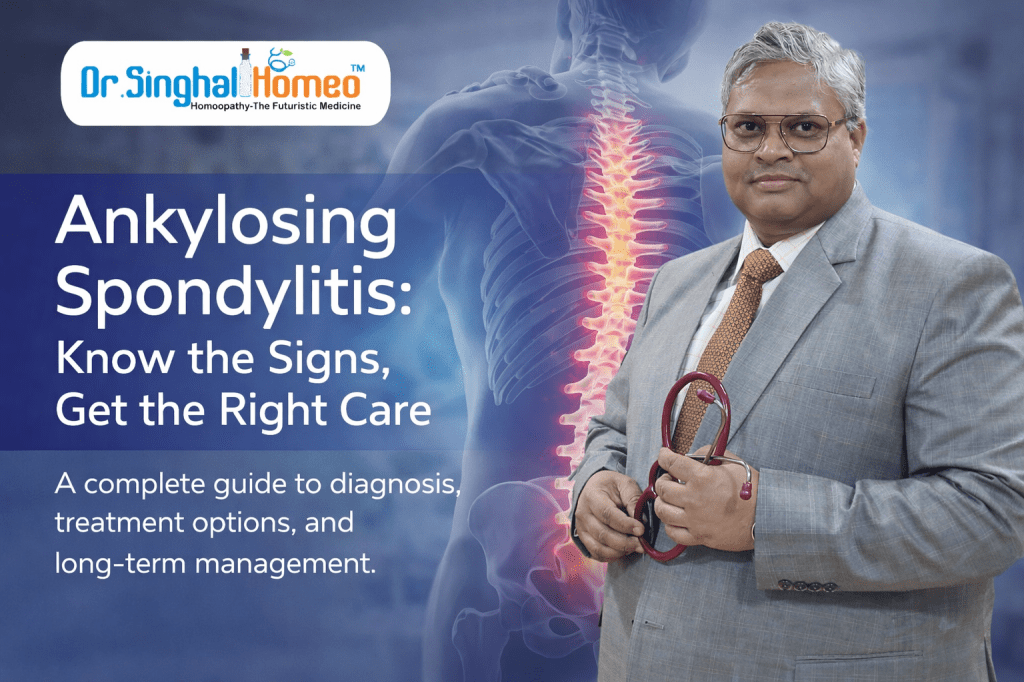
If you’re dealing with chronic back pain that seems worse in the morning, you might be wondering if something more serious is going on. For many people, this journey leads to learning about ankylosing spondylitis, a condition that affects the spine and can significantly impact daily life.
Recognizing the Early Signs
Ankylosing spondylitis diagnosis and management starts with understanding the symptoms. This inflammatory disease typically begins with lower back pain and stiffness, especially after periods of rest. Many people notice their symptoms are worst when they wake up or after sitting for long periods.
The pain often improves with movement and exercise, which sets it apart from typical back problems. Other signs include:
- Pain that lasts more than three months
- Stiffness that gets better with activity
- Pain that may spread to your hips or shoulders
- Fatigue that doesn’t improve with rest
- Eye inflammation in some cases
How Doctors Make the Diagnosis
Getting a proper diagnosis can take time because early symptoms often mimic common back problems. Your doctor will likely start with a detailed discussion about your symptoms and family history, since ankylosing spondylitis can run in families.
Medical Tests and Examinations
The diagnostic process usually includes several steps:
- Physical examination: Your doctor will check your spine’s flexibility and look for tender areas
- Blood tests: These check for inflammation markers and a specific gene called HLA-B27
- Imaging studies: X-rays can show changes in your spine and pelvis, while MRI scans can detect earlier inflammation
It’s important to know that not everyone with ankylosing spondylitis tests positive for the HLA-B27 gene, and having the gene doesn’t guarantee you’ll develop the condition.
Treatment Options That Really Work
Effective ankylosing spondylitis diagnosis and management involves a combination of approaches tailored to your specific needs. The good news is that early treatment can make a significant difference in preventing long-term complications.
Medications
Your treatment plan may include:
- Anti-inflammatory drugs: These help reduce pain and stiffness
- Disease-modifying drugs: These slow down the progression of the disease
- Biologic medications: For more severe cases, these target specific parts of the immune system
Lifestyle Changes
Beyond medication, certain lifestyle adjustments can greatly improve your quality of life:
- Regular exercise, especially swimming and stretching
- Physical therapy to maintain flexibility
- Good posture habits throughout the day
- Stress management techniques
Moving Forward with Confidence
Remember that ankylosing spondylitis diagnosis and management is an ongoing process. Work closely with your healthcare team to find the right combination of treatments for you. Many people with this condition lead full, active lives with proper care and management.
The key is early detection and consistent treatment. If you recognize these symptoms in yourself, don’t wait to seek medical attention.
Expert Homeopathic Care for Ankylosing Spondylitis
Living with ankylosing spondylitis can be challenging, especially when chronic back pain, stiffness, and reduced mobility begin affecting your daily activities. If you’re looking for a natural and holistic approach to managing this condition, Dr. Vikas Singhal offers personalized homeopathic treatment focused on addressing the root cause of the disease rather than simply suppressing symptoms.
With over 23 years of clinical experience at Dr. Singhal Homeo Clinic, Chandigarh, Dr. Vikas Singhal has helped patients manage ankylosing spondylitis and other chronic autoimmune disorders through individualized homeopathic medicines, lifestyle guidance, and long-term care strategies.
Early diagnosis, proper treatment, regular exercise, and expert medical guidance can make a significant difference in managing ankylosing spondylitis effectively and maintaining an active lifestyle.
To learn more about homeopathic treatment for Ankylosing Spondylitis or to schedule an appointment, contact us at +91 9056551747.
Frequently Asked Questions
How long does it take to get diagnosed with ankylosing spondylitis?
Diagnosis can take several years as symptoms develop gradually and often mimic other conditions. Early detection requires persistent symptoms and proper testing.
Can ankylosing spondylitis be cured completely?
There’s no cure currently, but effective treatments like homeopathy can control symptoms. Doctors like Dr. Vikas Singhal have been treating patients successfully.
What exercises are best for ankylosing spondylitis management?
Swimming, yoga, and stretching exercises are most beneficial. Focus on maintaining spine flexibility and strengthening core muscles under professional guidance.

