
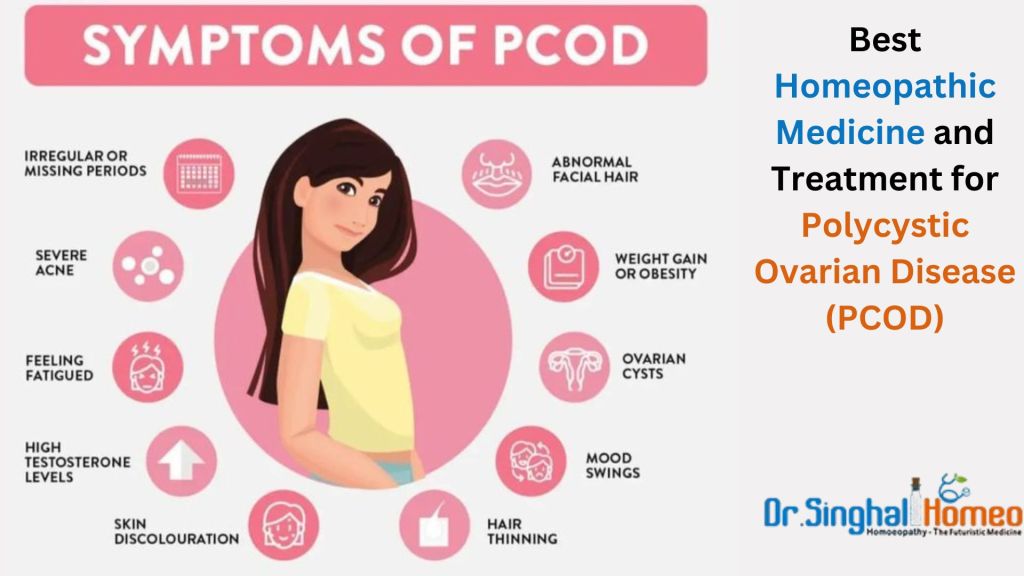
Polycystic Ovarian Disorder (PCOD), also known as Polycystic Ovary Syndrome (PCOS), represents one of the most prevalent endocrine disorders affecting women of reproductive age. As conventional treatment approaches continue to evolve, there has been increasing interest in complementary and alternative medicine modalities, particularly homeopathic medicine for PCOD. This article examines the clinical applications, therapeutic mechanisms, and evidence-based considerations of homeopathic interventions in PCOD management.
The growing body of research and clinical experience suggests that homeopathic medicine for PCOD offers a systematic approach to addressing the complex hormonal imbalances characteristic of this condition. Understanding the principles and applications of homeopathic treatment provides valuable insights for both healthcare practitioners and patients seeking comprehensive care options.
Clinical Understanding of PCOD and Homeopathic Intervention
PCOD is characterized by multiple ovarian cysts, irregular menstrual cycles, hyperandrogenism, and metabolic dysfunction. The condition affects approximately 5-10% of women of reproductive age and is associated with significant long-term health implications, including increased risk of type 2 diabetes, cardiovascular disease, and endometrial cancer.
Homeopathic medicine for PCOD operates on the principle of individualization, where treatment protocols are tailored to the specific constitutional characteristics and symptom patterns of each patient. This approach contrasts with conventional treatments that typically focus on standardized protocols for symptom management.
The theoretical framework of homeopathic medicine suggests that PCOD symptoms result from deeper constitutional imbalances that require correction at the fundamental level. Rather than suppressing individual symptoms, homeopathic interventions aim to stimulate the body’s inherent regulatory mechanisms to restore physiological balance.
Therapeutic Mechanisms in Homeopathic PCOD Treatment
Hormonal Regulation and Endocrine Balance
The application of homeopathic medicine for PCOD focuses significantly on addressing hormonal dysregulation. Clinical observations suggest that appropriately selected homeopathic remedies may influence the hypothalamic-pituitary-ovarian axis, potentially supporting the normalization of luteinizing hormone (LH) and follicle-stimulating hormone (FSH) ratios.
Research indicates that certain homeopathic preparations may have regulatory effects on insulin sensitivity, which is frequently compromised in PCOD patients. This metabolic component is particularly significant, as insulin resistance plays a central role in the pathophysiology of the condition.
Constitutional Treatment Approach
Homeopathic medicine for PCOD employs a constitutional treatment methodology that considers the totality of symptoms rather than isolated manifestations. This approach involves detailed case analysis including:
- Comprehensive menstrual history and pattern analysis
- Metabolic and endocrine symptom evaluation
- Psychological and emotional state assessment
- Physical constitutional characteristics
- Individual response patterns to environmental factors
Remedy Selection Criteria
The selection of appropriate homeopathic remedies for PCOD follows established homeopathic principles, including similarity of symptoms, individualization, and minimum dose. Commonly indicated remedies in clinical practice include:
Pulsatilla nigricans: Indicated for patients with irregular, delayed, or suppressed menstruation, particularly when associated with emotional lability and changeable symptoms.
Sepia officinalis: Frequently prescribed for patients presenting with hormonal imbalances accompanied by bearing-down sensations, irregular menses, and characteristic psychological symptoms.
Calcarea carbonica: Often indicated in cases where PCOD is associated with obesity, slow metabolism, and characteristic constitutional features.
Natrum muriaticum: Considered for patients with stress-related hormonal disruptions and specific emotional patterns.
Clinical Applications and Treatment Protocols
Menstrual Cycle Normalization
Clinical experience with homeopathic medicine for PCOD demonstrates potential benefits in menstrual cycle regulation. Treatment protocols typically focus on addressing the underlying hormonal imbalances that contribute to oligomenorrhea or amenorrhea commonly seen in PCOD patients.
The therapeutic approach involves careful monitoring of menstrual patterns, ovulation indicators, and associated symptoms. Treatment plans are regularly adjusted based on patient response and evolving symptom patterns.
Metabolic Support and Weight Management
PCOD frequently presents with metabolic complications, including insulin resistance and weight management challenges. Homeopathic medicine for PCOD addresses these aspects through constitutional treatment that may support metabolic function and healthy weight regulation.
Clinical protocols often incorporate remedies that have traditionally been associated with metabolic regulation and may support the body’s natural mechanisms for maintaining healthy weight and glucose metabolism.
Dermatological Manifestations
Hyperandrogenism in PCOD often results in dermatological symptoms including acne, hirsutism, and androgenic alopecia. Homeopathic treatment approaches these manifestations as expressions of underlying hormonal imbalances rather than isolated dermatological conditions.
Treatment protocols address both the hormonal basis of these symptoms and the local manifestations, often resulting in gradual improvement in skin condition and hair growth patterns.
Evidence Base and Clinical Considerations
Research Perspectives
While the evidence base for homeopathic medicine for PCOD continues to develop, several studies have examined the potential benefits of homeopathic interventions in PCOD management. Observational studies and case series have reported improvements in various PCOD parameters following homeopathic treatment.
Research methodologies in homeopathy face unique challenges due to the individualized nature of treatment, making traditional randomized controlled trial designs difficult to implement effectively. However, pragmatic trial designs and observational studies provide valuable insights into clinical outcomes.
Safety Profile and Contraindications
Homeopathic medicine for PCOD is generally associated with a favorable safety profile when administered under qualified supervision. The highly diluted nature of homeopathic preparations minimizes the risk of direct pharmacological side effects.
However, appropriate case management requires consideration of potential interactions with conventional medications and monitoring for any changes in clinical status that may require conventional medical intervention.
Integration with Conventional Care
Clinical practice often involves integrating homeopathic medicine for PCOD with conventional treatment approaches. This integrative model allows patients to benefit from both conventional symptomatic management and homeopathic constitutional treatment.
Coordination between homeopathic practitioners and conventional healthcare providers is essential to ensure comprehensive patient care and appropriate monitoring of treatment outcomes.
Treatment Outcomes and Prognosis
Expected Clinical Responses
Patients undergoing homeopathic treatment for PCOD typically experience gradual improvement in symptoms over several months. Clinical outcomes commonly include:
- Progressive menstrual cycle normalization
- Improvement in metabolic parameters
- Reduction in hyperandrogenic symptoms
- Enhanced overall well-being and energy levels
- Improved stress tolerance and emotional balance
Long-term Management Considerations
Homeopathic medicine for PCOD is often viewed as a long-term therapeutic approach that aims to address constitutional imbalances underlying the condition. Treatment duration varies based on individual factors, symptom severity, and treatment response.
Regular follow-up appointments allow for treatment optimization and monitoring of clinical progress. The goal is to achieve sustainable improvement that supports long-term health and reduces the risk of PCOD-related complications.
Conclusion
Homeopathic medicine for PCOD represents a systematic approach to addressing the complex hormonal and metabolic imbalances characteristic of this condition. The individualized treatment methodology, favorable safety profile, and focus on overall constitutional improvement make homeopathy a valuable consideration in comprehensive PCOD management.
At Dr. Singhal Homeo clinic, this natural approach is carefully applied under the guidance of Dr. Vikas Singhal, who has over 23 years of clinical experience in treating chronic hormonal and women’s health conditions. Each case of PCOD is evaluated in detail, considering symptoms, lifestyle, stress factors, and metabolic concerns to create a personalized treatment plan aimed at long-term balance rather than temporary relief.
While further research continues to strengthen the evidence base for homeopathic interventions in PCOD, clinical experience and patient outcomes suggest meaningful benefits for appropriately selected individuals. Integrating homeopathic medicine with necessary conventional care can enhance treatment results and improve overall quality of life.
Women considering homeopathic treatment for PCOD are encouraged to consult experienced practitioners like Dr. Vikas Singhal to ensure proper assessment, individualized remedy selection, and continuous monitoring throughout the healing journey.

