Finding Hope in Homeopathy: Your Complete Guide to Rheumatoid Arthritis Treatment with Dr. Vikas Singhal

Have you ever woken up to joints so stiff and painful that even the simplest tasks feel impossible? If you’re dealing with rheumatoid arthritis, you know this struggle all too well. The morning stiffness, the swollen joints, the constant worry about your future mobility – it’s exhausting. But what if I told you there’s a gentle, natural approach that could change your life? Rheumatoid arthritis treatment in homeopathy offers a path to healing that works with your body, not against it.

Unlike conventional treatments that often focus on suppressing symptoms, homeopathy addresses the root cause of your condition. Today, we’ll explore how homeopathy treatment for rheumatoid arthritis can offer you real hope and why finding the best doctor for rheumatoid arthritis treatment makes all the difference in your healing journey.

Understanding Rheumatoid Arthritis: More Than Just Joint Pain

Rheumatoid arthritis isn’t just about sore joints – it’s an autoimmune condition where your body’s immune system mistakenly attacks healthy joint tissues. This creates inflammation, pain, and over time, can lead to joint damage and deformity. The condition typically affects multiple joints symmetrically, meaning if your right hand hurts, your left hand probably does too.

What makes RA particularly challenging is its unpredictable nature. You might have good days followed by terrible flare-ups. The pain can be so severe that it affects your sleep, work, and relationships. Many patients describe feeling like prisoners in their own bodies, watching their independence slowly slip away.

The emotional toll is equally significant. Depression and anxiety often accompany RA, creating a cycle where physical pain worsens mental health, which in turn can intensify physical symptoms. This is precisely why rheumatoid arthritis treatment in homeopathy takes such a comprehensive approach – it treats you as a whole person, not just a collection of symptoms.

Why Choose Homeopathy for Your Rheumatoid Arthritis Journey

When you’re exploring homeopathy treatment for rheumatoid arthritis, you’re choosing a medical system that has been helping people for over 200 years. Homeopathy works on the principle that the body has an innate ability to heal itself when given the right stimulus. Instead of suppressing your immune system like many conventional treatments, homeopathy aims to regulate and balance it.

The beauty of homeopathic treatment lies in its gentle yet effective approach. While conventional medications often come with a long list of side effects – from stomach ulcers to increased infection risk – homeopathic remedies are safe for long-term use. You won’t have to worry about liver damage, bone loss, or other complications that can arise from prolonged use of conventional RA medications.

The Individualized Approach That Changes Everything

One of the most compelling aspects of homeopathy treatment for rheumatoid arthritis is its individualized nature. No two patients receive the same treatment, even if they have the same diagnosis. Your homeopath will consider your unique symptom pattern, your emotional state, your lifestyle, and even your food preferences when selecting your remedy.

For instance, one patient might experience joint pain that’s worse in cold, damp weather and feels better with warmth. Another might find their pain increases with heat and improves with cold applications. These subtle differences guide the homeopath to select the most appropriate remedy for your specific case.

This personalized approach often leads to improvements that go beyond just joint pain. Patients frequently report better sleep, improved energy levels, enhanced mood, and an overall sense of well-being. This happens because homeopathy treats the whole person, not just the disease.

Meet Dr. Vikas Singhal: Your Partner in Healing

When searching for the best doctor for rheumatoid arthritis treatment, experience and expertise matter tremendously. Dr. Vikas Singhal stands out as a beacon of hope for RA patients worldwide.

What makes Dr. Singhal’s expertise particularly valuable is his 23 years of dedicated experience in treating chronic illnesses like rheumatoid arthritis. Over more than two decades, he has encountered virtually every variation and complexity of RA, from early-stage cases to advanced conditions with multiple complications. This extensive experience has given him deep insights into the disease patterns, treatment responses, and long-term management strategies that only come from years of dedicated practice.

What sets Dr. Singhal apart is not just his extensive experience, but his genuine commitment to patient care. Operating from Dr. Singhal Homeo Clinic in Chandigarh, he has built a reputation as the best doctor for RA treatment through his compassionate approach and remarkable success rates. His patients don’t just see him as a doctor – they see him as a partner in their healing journey.

A Global Reach That Brings Hope Everywhere

Dr. Singhal’s expertise extends far beyond geographical boundaries. He has been treating patients and sending medicines to 73 countries, making quality homeopathic care accessible to people worldwide. This global reach is a testament to his effectiveness and the trust patients place in his treatment methods.

Whether you’re in New York, London, Dubai, or anywhere else in the world, you can access Dr. Singhal’s expertise. His international patient base includes people from diverse backgrounds, all united by their successful treatment outcomes under his care.

Comprehensive Treatment Approach: Beyond Just Medicine

What makes Dr. Singhal the best doctor for rheumatoid arthritis treatment is his comprehensive approach to healing. He understands that successful RA treatment goes beyond just prescribing remedies – it involves addressing lifestyle factors, dietary habits, and emotional well-being.

Convenient Consultation Options

Dr. Singhal offers both online and offline consultation options, making it easy for patients to access his expertise regardless of their location or mobility limitations. This is particularly beneficial for RA patients who might have difficulty traveling due to joint pain or stiffness.

During consultations, Dr. Singhal takes time to understand your complete health picture. He’ll ask about your pain patterns, what makes them better or worse, your sleep quality, stress levels, and how RA affects your daily life. This thorough assessment allows him to select the most appropriate homeopathic remedy for your specific case.

Medicine Delivery Made Simple

Understanding that RA patients often face mobility challenges, Dr. Singhal provides doorstep delivery of medicines worldwide. You don’t have to worry about running out of medication or struggling to pick up prescriptions. Your customized homeopathic remedies are delivered directly to your door, ensuring uninterrupted treatment.

The medicines are prepared with the highest quality standards and shipped with proper packaging to maintain their potency. This attention to detail ensures that you receive the same high-quality treatment whether you’re visiting the clinic in person or being treated from thousands of miles away.

Holistic Lifestyle Guidance

As part of his comprehensive approach, Dr. Singhal provides diet and lifestyle consultation tailored to your specific needs. He understands that certain foods can trigger inflammation while others can help reduce it. His dietary recommendations are practical and easy to follow, designed to support your homeopathic treatment and overall health.

The lifestyle guidance covers various aspects including exercise recommendations suitable for your condition, stress management techniques, and sleep hygiene practices. This holistic approach ensures that every aspect of your life supports your healing journey.

Success Stories That Inspire Hope

The true measure of any treatment lies in its results. Dr. Singhal’s patients consistently report significant improvements in their quality of life. Many have been able to reduce their dependence on conventional medications, while others have experienced complete remission of their symptoms.

One patient shared how she went from being barely able to hold a coffee cup to returning to her hobby of painting within six months of starting treatment. Another described how his morning stiffness, which used to last for hours, now resolves within minutes. These aren’t just medical improvements – they’re life transformations.

What’s particularly encouraging is that these improvements tend to be sustained over time. Unlike conventional treatments that often lose effectiveness, homeopathic treatment builds your body’s natural healing capacity, creating lasting change.

Your Journey to Better Health Starts Now

If you’re tired of living with the constant pain and limitations of rheumatoid arthritis, it’s time to consider homeopathy treatment for rheumatoid arthritis. Dr. Vikas Singhal’s proven approach offers you a chance to reclaim your life and rediscover the joy of pain-free movement.

Remember, the sooner you start treatment, the better your outcomes are likely to be. Early intervention with homeopathy can prevent joint damage and help you maintain your mobility and independence. Don’t let another day pass wondering “what if” – take the first step toward healing today.

Your journey to better health doesn’t have to be a lonely one. With Dr. Singhal’s expertise, compassionate care, and comprehensive treatment approach, you have everything you need to overcome rheumatoid arthritis and embrace a healthier, more vibrant future. The path to healing is waiting – all you need to do is take that first step.
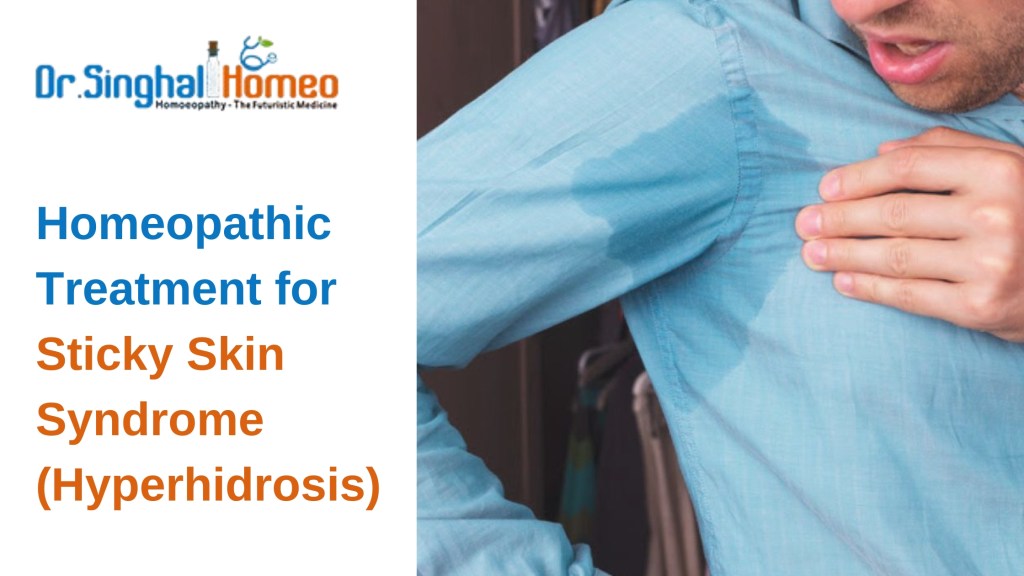
Finding Relief: The Best Doctor for Sticky Skin Treatment and Hyperhidrosis with Homeopathy

Are you tired of dealing with the discomfort and embarrassment of sticky skin or excessive sweating? You’re not alone. Millions of people worldwide struggle with these conditions, known as sticky skin syndrome and hyperhidrosis. If you’ve been searching for an effective, natural solution, you’ve come to the right place. In this article, we’ll explore how homeopathy can offer relief and introduce you to one of the best doctors in the field: Dr. Vikas Singhal of Dr. Singhal Homeo Clinic in Chandigarh.

Understanding Sticky Skin Syndrome and Hyperhidrosis

Before we dive into treatment options, let’s take a closer look at these conditions and how they affect daily life.

What is Sticky Skin Syndrome?

Sticky skin syndrome is a condition characterized by an abnormal stickiness or tackiness of the skin. People with this condition often describe their skin as feeling:

  • Clammy
  • Damp
  • Adhesive-like
  • Uncomfortable

This persistent stickiness can lead to various issues, including:

  • Difficulty wearing certain fabrics
  • Increased susceptibility to skin infections
  • Lowered self-esteem and social anxiety

Understanding Hyperhidrosis

Hyperhidrosis, on the other hand, is a condition marked by excessive sweating. This sweating often occurs in specific areas of the body, such as:

  • Palms
  • Soles of the feet
  • Underarms
  • Face

Like sticky skin syndrome, hyperhidrosis can significantly impact a person’s quality of life, leading to:

  • Social embarrassment
  • Difficulty performing everyday tasks
  • Skin irritation and infections

The Power of Homeopathy in Treating Skin Conditions

When it comes to treating sticky skin syndrome and hyperhidrosis, many people are turning to homeopathy for its natural, holistic approach. But what makes homeopathy so effective?

Principles of Homeopathic Treatment

Homeopathy is based on the principle of “like cures like.” This means that a substance that causes symptoms in a healthy person can be used in small, diluted amounts to treat similar symptoms in a sick person. Some key benefits of homeopathic treatment include:

  • Gentle and non-invasive approach
  • No harmful side effects
  • Treats the root cause, not just symptoms
  • Personalized treatment plans

Homeopathy for Sticky Skin and Hyperhidrosis

When it comes to treating sticky skin syndrome and hyperhidrosis, homeopathy offers a range of remedies that can be tailored to each individual’s unique symptoms and constitution. Some common homeopathic remedies used for these conditions include:

  • Calcarea carbonica
  • Silicea
  • Thuja occidentalis
  • Natrum muriaticum

However, it’s important to note that homeopathic treatment should always be prescribed by a qualified homeopath who can assess your individual case and recommend the most appropriate remedies.

Dr. Vikas Singhal: Your Expert in Homeopathic Skin Treatment

When searching for the best doctor for sticky skin treatment and hyperhidrosis homeopathic treatment, one name stands out: Dr. Vikas Singhal of Dr. Singhal Homeo Clinic in Chandigarh.

Why Choose Dr. Vikas Singhal?

Dr. Singhal brings a wealth of experience and expertise to the field of homeopathy. Here’s why he’s considered one of the best in treating skin conditions:

  • 23 years of experience in homeopathic practice
  • Specializes in treating skin conditions, including sticky skin syndrome and hyperhidrosis
  • Treats patients from 73 countries worldwide
  • Offers both online and offline consultations for convenience
  • Provides doorstep delivery of medicines
  • Includes comprehensive diet and lifestyle consultation as part of treatment

Dr. Singhal’s Approach to Treatment

Dr. Singhal’s approach to treating sticky skin syndrome and hyperhidrosis is holistic and patient-centered. Here’s what you can expect:

  1. Thorough initial consultation to understand your symptoms and medical history
  2. Personalized treatment plan using carefully selected homeopathic remedies
  3. Ongoing follow-up consultations to monitor progress and adjust treatment as needed
  4. Comprehensive diet and lifestyle advice to support your healing process
  5. Easy access to medicines through doorstep delivery

Success Stories: Real Patients, Real Results

Don’t just take our word for it. Here are some testimonials from patients who have found relief through Dr. Singhal’s homeopathic treatment:

“After years of struggling with sticky skin, I finally found relief with Dr. Singhal’s treatment. His personalized approach and genuine care made all the difference.” – Mannat, 32

“I was skeptical about homeopathy at first, but Dr. Singhal’s expertise in treating hyperhidrosis has changed my life. I can finally feel confident in social situations.” – James, 28

These stories are just a few examples of the many patients who have benefited from Dr. Singhal’s homeopathic treatment for sticky skin syndrome and hyperhidrosis.

The Consultation Process: What to Expect

If you’re considering homeopathic treatment for your sticky skin or hyperhidrosis, here’s what you can expect when you consult with Dr. Singhal:

Initial Consultation

Your first consultation with Dr. Singhal will be comprehensive and thorough. He will:

  • Listen attentively to your symptoms and concerns
  • Ask detailed questions about your medical history and lifestyle
  • Conduct a physical examination if necessary
  • Explain the principles of homeopathy and how it can help your condition
  • Answer any questions you may have about the treatment process

Personalized Treatment Plan

Based on the information gathered during your consultation, Dr. Singhal will develop a personalized treatment plan tailored to your specific needs. This plan may include:

  • Carefully selected homeopathic remedies
  • Dietary recommendations
  • Lifestyle modifications to support your healing

Follow-up Consultations

Regular follow-up consultations are an essential part of your treatment. During these sessions, Dr. Singhal will:

  • Assess your progress
  • Make any necessary adjustments to your treatment plan
  • Address any new concerns or symptoms that may have arisen

The Convenience of Online Consultations

In today’s busy world, finding time for doctor’s appointments can be challenging. That’s why Dr. Singhal offers the convenience of online consultations. This means you can:

  • Receive expert homeopathic treatment from the comfort of your home
  • Save time and travel expenses
  • Maintain your treatment plan even if you’re traveling or living abroad

Beyond Treatment: Comprehensive Care

Dr. Singhal’s approach to treating sticky skin syndrome and hyperhidrosis goes beyond just prescribing remedies. He believes in providing comprehensive care that addresses all aspects of your health and well-being. This includes:

Diet and Nutrition Advice

What you eat can have a significant impact on your skin health. Dr. Singhal provides personalized dietary recommendations to support your treatment, such as:

  • Foods to include or avoid
  • Hydration tips
  • Supplements that may be beneficial

Lifestyle Modifications

Simple changes in your daily routine can make a big difference in managing sticky skin and hyperhidrosis. Dr. Singhal may suggest:

  • Stress management techniques
  • Appropriate clothing choices
  • Skincare routines

Emotional Support

Dealing with skin conditions can take an emotional toll. Dr. Singhal offers compassionate support and guidance to help you cope with the psychological aspects of your condition.

Taking the First Step Towards Healthier Skin

If you’re ready to find relief from sticky skin syndrome or hyperhidrosis, taking the first step is easy. Here’s how you can get started with Dr. Singhal’s homeopathic treatment:

  1. Visit the Dr. Singhal Homeo Clinic website
  2. Schedule an online or in-person consultation
  3. Prepare for your consultation by making a list of your symptoms and concerns
  4. Attend your consultation and receive your personalized treatment plan
  5. Begin your journey towards healthier, more comfortable skin

Remember, with Dr. Singhal’s 23 years of experience and proven track record of treating patients worldwide, you’re in expert hands.

Conclusion: Your Path to Skin Comfort Starts Here

Living with sticky skin syndrome or hyperhidrosis doesn’t have to be a lifelong struggle. With the best doctor for Sticky Skin Treatment like Dr. Vikas Singhal, you can find relief and regain your confidence.

Don’t let sticky skin or excessive sweating hold you back any longer. Take the first step towards healthier, more comfortable skin by scheduling a consultation with Dr. Singhal today. With his expertise in homeopathy, personalized treatment plans, and comprehensive approach to care, you’re on the path to discovering the best treatment for your skin concerns.

Remember, your journey to better skin health is just a consultation away. Reach out to Dr. Singhal Homeo Clinic and experience the difference that expert homeopathic care can make in your life.

Warts Homeopathy Medicine: A Natural Approach to Skin Health

Understanding Warts and the Homeopathic Perspective

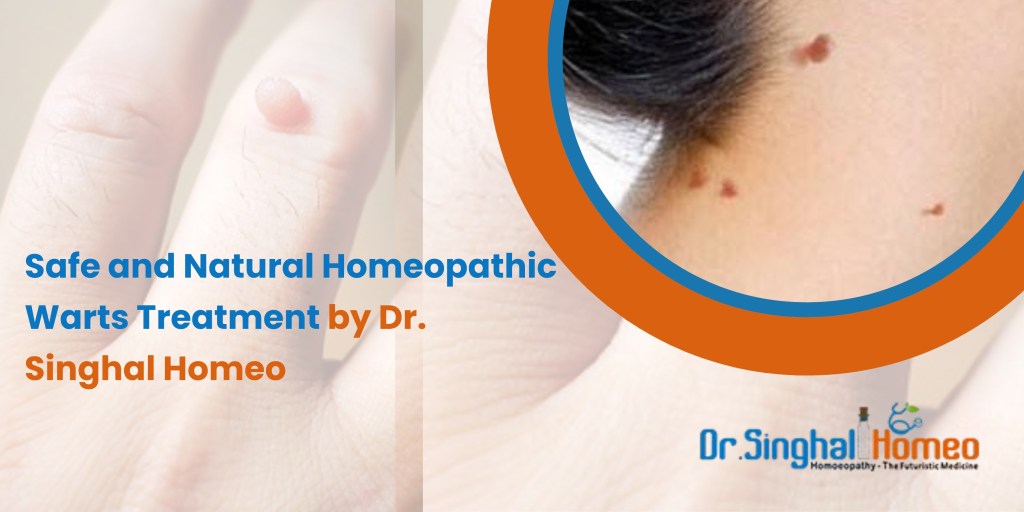
Have you ever noticed a small, rough bump on your skin that seems to appear out of nowhere? Chances are, you’re dealing with a wart. These common skin growths, caused by the human papilloma-virus (HPV), can be frustrating and sometimes embarrassing. While conventional treatments are available, many people are turning to homeopathy for a gentler, more holistic approach. Let’s explore the world of warts homeopathy medicine and how it might offer a natural solution to this pesky skin problem.

What is Homeopathy?

Before we dive into specific remedies, it’s important to understand the basics of homeopathy. Developed in the late 18th century by Samuel Hahnemann, homeopathy is based on the principle of “like cures like.” This means that a substance causing symptoms in a healthy person can, in very small doses, treat similar symptoms in someone who is ill.

Homeopathic medicines are made from natural substances that are highly diluted and then potentized through a specific process. The idea is to stimulate the body’s own healing mechanisms rather than directly attacking the symptom or disease.

Common Homeopathic Remedies for Warts

When it comes to warts homeopathy medicine, several remedies are frequently recommended. Let’s look at some of the most popular options:

Thuja Occidentalis

Often considered the go-to remedy for warts, Thuja is particularly useful for:

  • Cauliflower-like warts
  • Warts on hands, feet, or genitals
  • Warts that bleed easily

Many homeopaths believe Thuja can help boost the immune system’s ability to fight off the HPV virus.

Antimonium Crudum

This remedy is often suggested for:

  • Hard, smooth warts
  • Warts on the soles of the feet
  • Warts that are painful when touched

Antimonium Crudum is thought to be especially effective for stubborn plantar warts.

Nitric Acidum

Nitric Acidum is commonly used for:

  • Large, fleshy warts
  • Warts that bleed easily or are painful
  • Warts around fingernails or on palms

This remedy is often chosen when warts are accompanied by a stinging or splinter-like pain.

Causticum

Causticum is frequently recommended for:

  • Large, jagged warts
  • Warts on the face or fingertips
  • Warts that are inflamed or sore

This remedy is believed to be particularly helpful for long-standing warts that have resisted other treatments.

How to Use Homeopathic Medicines for Warts

When using warts homeopathy medicine, it’s important to follow some general guidelines:

  1. Consult a qualified homeopath for personalized advice.
  2. Follow dosage instructions carefully.
  3. Be patient, as results may take weeks or even months.
  4. Avoid substances that might interfere with the remedy, such as strong flavors.
  5. Monitor your progress and report any changes to your homeopath.

The Holistic Approach of Homeopathy

One of the key aspects of homeopathy is its holistic approach to health. When prescribing warts homeopathy medicine, a homeopath will consider not just the physical appearance of the warts, but also:

  • Your overall health and medical history
  • Your emotional state and stress levels
  • Your lifestyle and diet
  • Any other symptoms you might be experiencing

This comprehensive approach is based on the belief that physical symptoms like warts are often manifestations of deeper imbalances in the body.

Complementary Natural Approaches

While homeopathic medicines for warts can be effective on their own, many people choose to combine them with other natural approaches:

  1. Boosting immune function through diet and supplements
  2. Using natural topical treatments like apple cider vinegar or tea tree oil
  3. Practicing stress reduction techniques
  4. Maintaining proper hygiene to prevent the spread of warts

Potential Benefits of Homeopathy for Wart Treatment

Many people are drawn to homeopathy for wart treatment due to several potential benefits:

  • Gentle approach with minimal side effects
  • Non-invasive treatment method
  • Holistic healing that may prevent future outbreaks
  • Customized treatment based on individual symptoms

Is Warts Homeopathy Medicine Right for You?

Deciding whether to try homeopathic medicines for warts is a personal choice. Here are some steps you can take if you’re considering this approach:

  1. Research reputable homeopaths in your area
  2. Consult with both a homeopath and your regular doctor
  3. Prepare for a potentially longer treatment process
  4. Keep an open mind while maintaining realistic expectations

Remember, what works for one person may not work for another. The key is finding an approach that aligns with your health goals and personal beliefs.

The Journey of Natural Healing

By exploring options like warts homeopathy medicine, you’re taking an active role in your health journey. Homeopathy offers a unique perspective on healing, focusing not just on eliminating warts but also on enhancing your body’s natural ability to fight off the virus that causes them.

When considering homeopathic treatment for warts, it’s essential to approach it with patience and consistency. Unlike some conventional treatments that may offer quick results, homeopathy often works more subtly and gradually. This slower pace allows your body to heal naturally, potentially leading to longer-lasting results and improved overall health.

Combining Homeopathy with Lifestyle Changes

Many people find value in combining homeopathic treatments with other natural approaches. For instance, you might use homeopathic remedies internally while also boosting your immune system through diet and lifestyle changes. This holistic approach can create a synergistic effect, potentially enhancing the effectiveness of your wart treatment.

Consider incorporating immune-boosting foods into your diet, such as:

  • Citrus fruits rich in vitamin C
  • Garlic and ginger for their antiviral properties
  • Leafy greens packed with nutrients

Additionally, managing stress through practices like meditation, yoga, or regular exercise can support your body’s healing processes.

Working with a Qualified Homeopath

If you decide to explore homeopathy for wart treatment, it’s crucial to work with a qualified practitioner. A skilled homeopath can:

  • Recommend the most appropriate remedies for your specific case
  • Guide you through the treatment process
  • Adjust the approach based on your response
  • Address any concerns or questions you may have

Remember that addressing warts is not just about eliminating a physical symptom – it’s an opportunity to look at your overall health and well-being.

Conclusion: Embracing Natural Healing

Warts homeopathy medicine offers a unique, natural approach to treating warts. By considering this option, you’re opening yourself up to a world of alternative healing that has helped many people over the years. Whether homeopathy becomes your primary treatment or a complementary approach, the goal is to find a solution that works best for you in addressing those pesky warts while supporting your overall well-being.

As you embark on your journey to treat warts naturally, keep in mind that healing is a process. Be patient with yourself and your body, and don’t hesitate to seek guidance from healthcare professionals along the way. With the right approach and a positive attitude, you can work towards clearer, healthier skin and a greater sense of overall wellness.

“The art of healing comes from nature, not from the physician. Therefore the physician must start from nature, with an open mind.” – Paracelsus

This quote reminds us of the power of natural healing and the importance of keeping an open mind when it comes to our health. Whether you choose homeopathy or another approach, taking proactive steps towards addressing your warts is a positive move towards better health and increased self-confidence.

Homeopathic Treatment for Genital Warts: Natural Relief That Works

Genital warts are small growths caused by the HPV or Human Papillomavirus. These can appear in the genital area and are often painless but emotionally distressing. If you’re looking for gentle and long-lasting care, homeopathic treatment for genital warts offers a safe and effective approach. Here’s how it helps:

Treats the Root Cause

Homeopathy doesn’t just remove visible warts—it targets the HPV virus itself. This helps reduce recurrence and strengthens your immune system from within.

Natural and Non-Invasive

Unlike laser or surgical treatments, homeopathic treatment for genital warts is non-invasive and free from harsh chemicals. It’s ideal for sensitive skin and doesn’t leave scars.

Boosts Immunity Naturally

Since HPV is a virus, a strong immune response is key. Homeopathy for HPV works by improving your body’s defense system, helping it fight the virus more effectively.

Personalized Remedies

Homeopathic doctors offer customized remedies based on your symptoms, mental health, and body type. Common medicines like Thuja occidentalis and Nitric acid are widely used but only after proper evaluation.

Safe for Long-Term Use

Homeopathy is gentle and safe for all ages. You can use it for extended periods without worrying about side effects.

Why Opt for Dr. Singhal Homeo Clinic

Dr. Vikas Singhal is one of the best experts in classical homeopathy, with years of experience treating complex conditions like HPV. At Dr. Singhal Homeo Clinic, patients receive personalized care tailored to their symptoms and overall health. The clinic is known for its safe & effective approach, especially in offering homeopathy for HPV, which works by boosting immunity and addressing the root cause. With a trusted reputation and a track record of successful cases, Dr. Singhal Homeo Clinic is a reliable option for those pursuing long-term relief through natural healing.

Call or WhatsApp us at +91 9056551747 to learn more or fix an appointment.

Homeopathy: A Natural Approach to Sticky Skin Syndrome and Hyperhidrosis

Understanding Sticky Skin Syndrome and Hyperhidrosis

Have you ever felt like your skin is constantly damp, sticky, or excessively sweaty? If so, you might be experiencing what’s known as sticky skin syndrome or hyperhidrosis. These conditions can be frustrating and impact your daily life, but there’s good news! Homeopathy offers a gentle and natural approach to managing these symptoms. In this blog post, we’ll explore how homeopathy can help with sticky skin syndrome and hyperhidrosis, providing you with hope and practical solutions.

What is Sticky Skin Syndrome?

Sticky skin syndrome is a condition where the skin feels consistently moist or tacky, even in normal temperature conditions. It’s not just about sweating; it’s a unique sensation that can make you feel uncomfortable in your own skin. People with this condition often describe feeling like their skin is always slightly damp or sticky to the touch.

Hyperhidrosis: When Sweating Becomes Excessive

Hyperhidrosis, on the other hand, is a medical condition characterized by excessive sweating. This sweating goes beyond what’s needed to regulate body temperature and can occur in specific areas like the palms, feet, underarms, or all over the body. It’s more than just a minor inconvenience; hyperhidrosis can significantly impact a person’s quality of life, affecting social interactions, work performance, and self-esteem.

The Promise of Homeopathy for Skin Conditions

Homeopathy is a holistic system of medicine that’s been around for over 200 years. It’s based on the principle of “like cures like,” using small doses of natural substances to stimulate the body’s self-healing abilities. When it comes to sticky skin syndrome and hyperhidrosis, homeopathy offers a promising alternative to conventional treatments.

Why Choose Homeopathy?

  • Gentle on the body
  • No harsh chemicals or side effects
  • Treats the whole person, not just symptoms
  • Personalized approach to healing

Homeopathy looks at each person as a unique individual, taking into account not just their physical symptoms but also their emotional state and overall constitution. This personalized approach is particularly beneficial for conditions like sticky skin syndrome and hyperhidrosis, which can have both physical and emotional components.

Homeopathic Remedies for Sticky Skin Syndrome

Let’s explore some of the homeopathic remedies that have shown promise in treating sticky skin syndrome:

Calcarea Carbonica

This remedy is often prescribed for people who tend to have clammy hands and feet. If you find that your skin feels damp and cold, especially in your extremities, Calcarea Carbonica might be helpful. It’s particularly suited for individuals who are easily fatigued and prone to anxiety.

Silica

Silica is another remedy that can be beneficial for sticky skin. It’s often recommended for people who have a tendency towards excessive perspiration, especially on the feet. If you find that your feet are constantly damp and your socks get soaked quickly, Silica might be worth considering.

Natrum Muriaticum

This remedy is often prescribed for individuals who have oily or moist skin, particularly on the face. If you notice that your skin feels sticky or oily, especially in warm weather, Natrum Muriaticum could be helpful. It’s also known to be beneficial for people who tend to retain water.

Homeopathic Approach to Hyperhidrosis

Hyperhidrosis can be particularly challenging, but homeopathy offers several remedies that have shown promise in managing this condition:

Thuya Occidentalis

Thuya is a popular remedy for excessive sweating, particularly when it occurs in specific areas like the armpits or feet. If you find that your sweating is worse at night or is accompanied by a strong odor, this remedy might be suitable for you.

Acidum Hydrofluoricum

This remedy is often prescribed for profuse sweating, especially when it’s accompanied by a feeling of weakness or exhaustion. If you notice that your sweating tends to be worse on one side of the body, Acidum Hydrofluoricum could be worth exploring.

Iodum

Iodum is frequently recommended for individuals who experience excessive sweating along with a sensation of heat. If you find that you’re constantly feeling warm and sweating profusely, even in cool environments, this remedy might be beneficial.

The Homeopathic Consultation Process

When seeking homeopathic treatment for sticky skin syndrome or hyperhidrosis, it’s important to consult with a qualified homeopath. Here’s what you can expect during a typical consultation:

  1. Detailed Case Taking: The homeopath will ask you about your symptoms, medical history, lifestyle, and emotional state.
  2. Individualized Assessment: Based on your unique symptom picture, the homeopath will determine the most suitable remedy for you.
  3. Prescription of Remedy: You’ll be given a specific remedy in a particular potency and dosage.
  4. Follow-up Consultations: Regular follow-ups will help track your progress and make any necessary adjustments to your treatment.

Remember, homeopathy is about treating the whole person, not just the symptoms. Your treatment plan will be tailored specifically to you.

Lifestyle Tips to Complement Homeopathic Treatment

While homeopathic remedies can be incredibly effective, combining them with lifestyle changes can enhance their benefits. Here are some tips to help manage sticky skin syndrome and hyperhidrosis:

Stay Hydrated

It might seem counterintuitive, but drinking plenty of water can actually help regulate your body’s sweating mechanism. Aim for at least 8 glasses of water a day.

Choose Breathable Fabrics

Opt for natural, breathable fabrics like cotton, linen, or moisture-wicking materials. These can help keep your skin dry and comfortable.

Practice Stress-Reduction Techniques

Stress can exacerbate sweating and skin issues. Consider incorporating relaxation techniques like meditation, deep breathing, or yoga into your daily routine.

Watch Your Diet

Certain foods and beverages can trigger excessive sweating. Pay attention to your body’s reactions and consider reducing or eliminating triggers like spicy foods, caffeine, or alcohol.

Use Natural Antiperspirants

Look for antiperspirants with natural ingredients like sage or witch hazel, which can help reduce sweating without harsh chemicals.

Success Stories: Real People, Real Results

While everyone’s experience with homeopathy is unique, many individuals have found relief from sticky skin syndrome and hyperhidrosis through this natural approach. Here are a couple of inspiring stories:

“I’ve struggled with clammy hands for years, which made social interactions awkward. After trying Calcarea Carbonica for a few months, I noticed a significant improvement. My hands are much drier now, and I feel more confident in social situations.” – Sarah, 32

“Hyperhidrosis was ruining my life. I couldn’t wear certain clothes and was always self-conscious about sweat stains. Thuya Occidentalis has been a game-changer for me. My sweating has reduced dramatically, and I feel like I can live my life again.” – Mike, 45

These stories highlight the potential of homeopathy to make a real difference in people’s lives. While results can vary, many find that homeopathy offers hope where other treatments have failed.

The Science Behind Homeopathy and Skin Health

While homeopathy is often viewed as an alternative medicine, there’s growing scientific interest in its effects on various health conditions, including skin issues. Some studies have suggested that homeopathic remedies can influence the body’s regulatory systems, potentially helping to balance sweat production and skin moisture levels.

For example, a study published in the Journal of Alternative and Complementary Medicine found that individualized homeopathic treatment showed significant improvement in patients with hyperhidrosis compared to a placebo group. While more research is needed, these findings are encouraging for those seeking natural solutions for sticky skin syndrome and hyperhidrosis.

When to Seek Professional Help

While homeopathy can be incredibly beneficial, it’s important to know when to seek professional medical advice. If your sticky skin or excessive sweating is:

  • Interfering significantly with daily activities
  • Causing emotional distress or social anxiety
  • Accompanied by other unexplained symptoms
  • Not responding to home remedies or lifestyle changes

In these cases, it’s advisable to consult with a healthcare professional or a qualified homeopath. They can help rule out any underlying medical conditions and provide personalized treatment recommendations.

Embracing a Holistic Approach to Skin Health

Homeopathy for sticky skin syndrome and hyperhidrosis treatment is not just about addressing the physical symptoms; it’s about embracing a holistic approach to health and well-being. This approach considers:

  • Physical symptoms
  • Emotional well-being
  • Environmental factors
  • Lifestyle choices

By addressing all these aspects, homeopathy aims to bring balance to the body and promote overall health, not just alleviate specific symptoms.

The Journey to Healthier Skin

Remember, healing is a journey, and homeopathy is a gentle, gradual process. It may take some time to see results, but many people find the wait worthwhile as they experience improvements not just in their skin condition, but in their overall health and well-being.

Tips for Your Homeopathic Journey:

  1. Be patient and consistent with your treatment.
  2. Keep a symptom diary to track your progress.
  3. Communicate openly with your homeopath about any changes or concerns.
  4. Embrace the holistic nature of homeopathy by making positive lifestyle changes.

Conclusion: Hope and Healing with Homeopathy

Living with sticky skin syndrome or hyperhidrosis can be challenging, but hyperhidrosis treatment in homeopathy offers a beacon of hope. This natural, holistic approach to healing provides a gentle yet effective way to manage these conditions—addressing not just the physical symptoms but the whole person.

Whether you’re dealing with constantly clammy skin or excessive sweating that interferes with your daily life, hyperhidrosis homeopathic treatment may offer the relief you’ve been seeking. With its personalized approach, minimal side effects, and focus on overall well-being, homeopathy presents an appealing option for those looking to improve their skin health naturally.

Remember, everyone’s journey to health is unique. What works for one person may not work the same way for another. That’s why the individualized nature of homeopathy is so valuable. By working closely with a qualified homeopath and staying committed to your treatment plan, you can take positive steps towards healthier, more comfortable skin.

Don’t let sticky skin syndrome or hyperhidrosis hold you back. Explore the possibilities of hyperhidrosis homeopathic treatment and take the first step towards feeling more comfortable and confident in your own skin. Your journey to better skin health starts here!

Understanding the Difference Between PCOD and PCOS: A Comprehensive Guide

Introduction

Polycystic Ovary Syndrome (PCOS) and Polycystic Ovarian Disease (PCOD) are two terms that are often used interchangeably, but they actually refer to distinct medical conditions. Both affect the ovaries and can cause hormonal imbalances, but their underlying mechanisms, symptoms, and long-term implications differ. This article aims to provide a detailed explanation of the differences between PCOD and PCOS, helping readers understand these conditions better.

What is PCOD?

Polycystic Ovarian Disease (PCOD) is a condition characterized by the presence of multiple small cysts on the ovaries. These cysts are actually immature follicles that have failed to release an egg during ovulation.

Key Features of PCOD

  • Multiple small cysts on the ovaries
  • Irregular menstrual cycles
  • Mild hormonal imbalances
  • Generally less severe than PCOS

Causes of PCOD

The exact cause of PCOD is not fully understood, but several factors may contribute to its development:

  1. Hormonal imbalances
  2. Genetics
  3. Lifestyle factors (such as diet and exercise)
  4. Environmental factors

What is PCOS?

Polycystic Ovary Syndrome (PCOS) is a more complex endocrine disorder that affects various systems in the body. It is characterized by hormonal imbalances, irregular menstrual cycles, and the presence of multiple cysts on the ovaries.

Key Features of PCOS

  • Multiple cysts on the ovaries
  • Significant hormonal imbalances
  • Irregular or absent menstrual cycles
  • Metabolic disturbances
  • Increased risk of long-term health complications

Causes of PCOS

The exact cause of PCOS is also not fully understood, but it is believed to involve a combination of genetic and environmental factors. Some potential contributing factors include:

  1. Insulin resistance
  2. Elevated androgen levels
  3. Chronic low-grade inflammation
  4. Genetic predisposition

Comparing PCOD and PCOS: Key Differences

1. Severity and Impact on Overall Health

PCOD is generally considered a milder condition compared to PCOS. While PCOD primarily affects the ovaries, PCOS has a more systemic impact on the body, affecting multiple organ systems.

  • PCOD: Primarily affects ovarian function
  • PCOS: Affects ovarian function, metabolism, and other body systems

2. Hormonal Imbalances

Both conditions involve hormonal imbalances, but the extent and type of imbalances differ:

  • PCOD: Mild hormonal imbalances, primarily affecting reproductive hormones
  • PCOS: More significant hormonal imbalances, including elevated androgen levels and insulin resistance

3. Ovulation and Fertility

The impact on ovulation and fertility varies between the two conditions:

  • PCOD: Ovulation may be irregular but often still occurs
  • PCOS: Ovulation is often absent or very irregular, leading to more significant fertility issues

4. Long-term Health Risks

The long-term health implications of these conditions differ:

  • PCOD: Generally fewer long-term health risks
  • PCOS: Increased risk of type 2 diabetes, cardiovascular disease, and endometrial cancer
Diagnosis: How are PCOD and PCOS Identified?

The diagnostic process for both PCOD and PCOS involves a combination of clinical evaluation, laboratory tests, and imaging studies. However, the specific criteria and findings may differ.

Diagnosing PCOD

  1. Medical history and physical examination
  2. Ultrasound to identify multiple small cysts on the ovaries
  3. Hormonal tests (may show mild imbalances)

Diagnosing PCOS

The diagnosis of PCOS typically requires meeting at least two of the following three criteria (Rotterdam criteria):

  1. Irregular or absent menstrual cycles
  2. Clinical or biochemical signs of hyperandrogenism (elevated androgen levels)
  3. Polycystic ovaries on ultrasound

Additional tests for PCOS may include:

  • Fasting glucose and insulin levels
  • Lipid profile
  • Thyroid function tests

Treatment Approaches: Managing PCOD vs. PCOS

The management strategies for PCOD and PCOS share some similarities but also have distinct differences based on the severity and systemic impact of each condition.

Treatment for PCOD

  1. Lifestyle modifications
    • Balanced diet
    • Regular exercise
    • Stress management
  2. Hormonal therapy
    • Oral contraceptives to regulate menstrual cycles
  3. Ovulation induction (if fertility is desired)
    • Medications like Clomiphene citrate

Treatment for PCOS

  1. Lifestyle modifications (similar to PCOD)
  2. Hormonal therapy
    • Oral contraceptives
    • Anti-androgen medications
  3. Insulin-sensitizing drugs
    • Metformin to address insulin resistance
  4. Ovulation induction and fertility treatments
    • Clomiphene citrate
    • Gonadotropins
    • In vitro fertilization (IVF) in some cases
  5. Management of associated conditions
    • Treatment for hirsutism and acne
    • Monitoring and management of metabolic risks

Living with PCOD or PCOS: Lifestyle Considerations

Whether diagnosed with PCOD or PCOS, certain lifestyle factors can significantly impact the management and progression of these conditions.

Diet and Nutrition

  • Focus on a balanced diet rich in whole grains, lean proteins, and vegetables
  • Limit processed foods and refined sugars
  • Consider working with a registered dietitian for personalized advice

Exercise and Physical Activity

  • Engage in regular physical activity (aim for at least 150 minutes per week)
  • Incorporate both aerobic exercises and strength training
  • Choose activities that you enjoy to maintain consistency

Stress Management

  • Practice stress-reduction techniques such as meditation, yoga, or deep breathing exercises
  • Ensure adequate sleep (7-9 hours per night)
  • Consider counseling or support groups if needed

Conclusion

Understanding the difference between PCOD and PCOS is crucial for proper diagnosis, treatment, and management of these conditions. While PCOD is generally a milder condition primarily affecting the ovaries, PCOS is a more complex endocrine disorder with wider-ranging effects on the body.

Both conditions require attention and management, but the approaches may differ based on the specific diagnosis and individual patient factors. If you suspect you may have either PCOD or PCOS, it’s essential to consult with a healthcare provider for proper evaluation and personalized treatment planning.

By staying informed about these conditions and working closely with healthcare professionals, individuals with PCOD or PCOS can effectively manage their symptoms and reduce the risk of long-term complications, leading to improved overall health and quality of life.

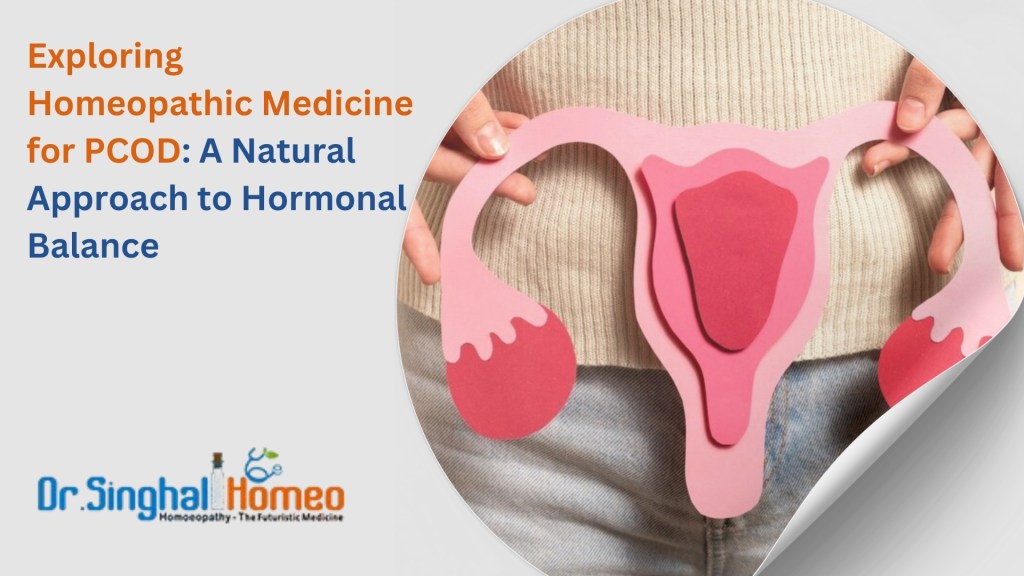
Say Goodbye to Hormonal Imbalance with Homeopathic Medicine for PCOD

Polycystic Ovarian Disease, or PCOD, is a common hormonal disorder affecting millions of women, especially in their reproductive years. It is marked by irregular periods, ovarian cysts, weight gain, acne, and sometimes, difficulties in conceiving. With the rising number of PCOD cases, many women are turning to gentler, side-effect-free alternatives like homeopathic medicine for PCOD.

Why Choose Homeopathy?

Homeopathy follows a holistic approach. Instead of simply managing symptoms, it aims to correct the root cause of hormonal imbalance. This natural healing method is gaining popularity because it is safe, non-habit-forming, and free from harmful side effects.

Homeopathic medication for PCOD works gently to restore the body’s natural hormonal rhythm, regulate menstrual cycles, and promote healthy ovarian function. It focuses on treating the individual, not just the disease.

Common Homeopathic Medicines for Polycystic Ovarian Disease

Each case is unique, so a qualified homeopath prescribes medicines based on the individual’s symptoms and medical history. However, some commonly used homeopathic medicines for PCOD include:

  • Sepia – Useful for irregular periods, hair growth on the face, and irritability.
  • Pulsatilla – Helps in delayed or scanty periods, especially in young girls.
  • Lachesis – Recommended for women with long-standing hormonal issues and hot flushes.

Why Choose Dr. Singhal Homeo Clinic?

If you’re seeking a natural and effective solution for this condition, homeopathic medicine for PCOD can offer lasting relief without side effects. Dr. Vikas Singhal, a renowned homeopathy expert, provides personalized treatments tailored to each patient’s unique symptoms and medical history. At Dr. Singhal Homeo Clinic, you receive expert care rooted in years of clinical experience and modern homeopathic practices. The clinic is recognized for its evidence-based approach and high success rates in managing complex conditions, such as polycystic ovary syndrome (PCOS). Choose us for holistic healing, compassionate care, and long-term wellness.

Feel free to call or WhatsApp us at +91 9056551747 to learn more or book an appointment.

Homeopathy for Behcet’s Disease – A Natural Healing Approach

Behcet’s disease is a rare, chronic condition that causes blood vessel inflammation throughout the body. It can lead to painful sores, skin issues, eye problems, and joint pain. While conventional treatments often focus on symptom relief, homeopathy offers a natural & holistic approach to managing the disease.

Here’s how homeopathy for Behcet can help:

Personalized Healing
  • Homeopathy works on the principle of treating the person, not just the disease.
  • Remedies are selected based on the patient’s symptoms, lifestyle, and emotional state.

Long-Term Relief

  • Unlike short-term relief methods, behcet’s treatment in homeopathy aims to control flare-ups and reduce their frequency over time.
  • Homeopathic remedies may help balance the immune system, which plays a role in behcet’s.

Safe and Natural

  • Homeopathy uses natural substances in very small doses, making it gentle on the body.
  • It’s non-addictive and has no harmful side effects when taken under professional guidance.

Tailored by Experts

  • The best doctor for behcet treatment in homeopathy will study your detailed case history before starting treatment.
  • An expert homeopath ensures the remedy suits your specific symptoms and triggers.

Widespread Benefits

  • Homeopathy for behcet not only addresses physical symptoms but also helps with anxiety, fatigue, and emotional well-being.
  • This holistic method makes it a preferred choice for many seeking alternative care.

If you’re searching for behcet’s treatment in homeopathy, consulting the best doctor for behcet treatment can make all the difference. Homeopathy offers a safe, supportive path to managing this complex condition.

Why Choose Dr. Vikas Singhal?

Choose Dr. Singhal Homeo Clinic for expert care in rare and chronic conditions. With years of experience in behcet’s treatment in homeopathy, Dr. Vikas Singhal offers personalized remedies that aim for long-term relief. Recognized as the best doctor for behcet treatment, he focuses on treating the root cause with safe, natural, and effective homeopathic solutions.

Call or WhatsApp us at +91 9056551747 to know more or schedule an appointment.

Osteomyelitis – Symptoms and Causes: A Closer Look

Osteomyelitis is a severe bone infection that occurs when fungi or bacteria invade the bone tissue. It can form due to an open wound, surgery, or an infection spreading from another body part. Understanding Osteomyelitis – Symptoms and Causes is essential for early diagnosis and treatment.

Signs of Osteomyelitis

The signs of osteomyelitis can change depending on the severity of the infection. Common symptoms include:

  • Persistent Discomfort: A deep, throbbing discomfort in the affected bone.
  • Swelling & Redness: Infected regions may become swollen and warm.
  • Fever and Chills: The body’s immune reaction to infection frequently leads to fever.
  • Limited Movement: Difficulty in moving or stiffness in the affected limb.
  • Pus or Drainage: Pus may drain from the infection site in severe circumstances.

Recognizing these signs early is essential to stop complications.

Causes of Osteomyelitis

The main cause of osteomyelitis is bacterial infection, especially Staphylococcus aureus. Other causes are:

  • Injury or Surgery: Open fractures or surgical procedures can introduce bacteria.
  • Weakened Immune System: Individuals with cancer, diabetes, or kidney disorders are at higher risk.
  • Bloodstream Infections: Bacteria from other infections can travel to bones.

By understanding Osteomyelitis – Symptoms and Causes, people can take preventive steps such as appropriate wound care, keeping good hygiene, and pursuing medical attention at the first sign of infection. Early diagnosis and treatment can assist in stopping severe complications like bone loss or the spread of disease.

Why Opt for Dr. Singhal Homeo Clinic?

Dr. Vikas Singhal is among India’s best and most reputable Homeopathic doctors. He has been practicing at Dr. Singhal Homeo clinic in Chandigarh for 22 years. Using homeopathy, Dr. Singhal is a trusted name for treating osteomyelitis, including its symptoms and causes. He offers personalized treatments that target the root cause, boost immunity, and encourage natural healing without side effects. Unlike conventional medicines, homeopathy at his clinic strives to effectively decrease discomfort, swelling, and infection recurrence. If you seek a safe and natural method for Osteomyelitis – Symptoms and causes, Dr. Singhal is your ideal option for expert homeopathic treatment.

Call or WhatsApp at +91 9056551747 to schedule an appointment or know more.

Understanding Osteomyelitis: Symptoms, Causes, and More

What is Osteomyelitis?

Osteomyelitis is a serious medical condition characterized by inflammation of the bone and bone marrow, typically caused by an infection. This condition can affect people of all ages and can occur in any bone in the body. However, it most commonly affects the long bones in the legs and arms, as well as the vertebrae of the spine.

Osteomyelitis can be acute or chronic, with acute cases developing rapidly over a matter of days or weeks, while chronic cases persist for months or even years. The condition can lead to severe complications if left untreated, making early diagnosis and appropriate treatment crucial for a positive outcome.

Common Symptoms of Osteomyelitis

Recognizing the symptoms of osteomyelitis is essential for early detection and treatment. The signs and symptoms can vary depending on the type of osteomyelitis (acute or chronic) and the specific bones affected. Here are some of the most common symptoms:

Pain and Swelling

  • Persistent, deep pain in the affected bone or joint
  • Swelling, redness, and warmth in the area around the infected bone
  • Tenderness to touch or pressure on the affected area

Fever and Chills

  • Elevated body temperature, often accompanied by chills and sweating
  • In some cases, a low-grade fever that persists for an extended period

Limited Range of Motion

  • Difficulty moving the affected limb or joint
  • Stiffness in the affected area
  • Reduced flexibility and mobility

Fatigue and General Malaise

  • Feeling tired and weak
  • Loss of appetite
  • Irritability, especially in children

Skin Changes

  • In cases where the infection reaches the skin’s surface, open sores or areas of reddened, stretched skin may appear
  • Pus drainage from the affected area

Additional Symptoms in Chronic Cases

  • Weight loss
  • Chronic pain that may worsen during physical activity
  • Excessive sweating, particularly at night

It’s important to note that these symptoms can vary in severity and may not all be present in every case of osteomyelitis. Additionally, in some instances, especially in chronic cases, symptoms may be subtle or develop gradually over time.

Causes of Osteomyelitis

Understanding the causes of osteomyelitis is crucial for prevention and appropriate treatment. The condition typically results from an infection, but there are several ways this infection can develop:

Bloodstream Infection (Hematogenous Osteomyelitis)

  • Bacteria or fungi in the bloodstream can travel to a bone, causing infection
  • This is more common in children, particularly affecting the growth plates of bones
  • Conditions that weaken the immune system, such as diabetes or kidney problems, can increase the risk

Direct Contamination

  • Open fractures or deep puncture wounds can allow bacteria to enter the bone directly
  • Surgical procedures, especially those involving prosthetic joints or spinal fusion, can sometimes introduce bacteria

Spread from Adjacent Soft Tissue

  • Infections in nearby soft tissues, such as cellulitis or abscess, can spread to the bone
  • This is more common in adults, particularly those with conditions that affect blood flow to the extremities

Risk Factors

Several factors can increase an individual’s risk of developing osteomyelitis:

  • Recent injury or orthopedic surgery
  • Diabetes, especially with poor blood sugar control
  • Peripheral vascular disease
  • Intravenous drug use
  • Sickle cell disease
  • Hemodialysis
  • Weakened immune system due to conditions like HIV/AIDS or chemotherapy

Diagnosis of Osteomyelitis

Diagnosing osteomyelitis can be challenging, as its symptoms often mimic other conditions. Healthcare providers typically use a combination of methods to confirm the diagnosis:

Physical Examination

  • The doctor will examine the affected area for signs of swelling, redness, and tenderness
  • They will also assess the range of motion and overall physical condition

Blood Tests

  • Complete blood count (CBC) to check for signs of infection
  • Erythrocyte sedimentation rate (ESR) and C-reactive protein (CRP) to measure inflammation levels
  • Blood cultures to identify the specific bacteria causing the infection

Imaging Studies

  • X-rays to look for changes in bone structure
  • MRI or CT scans for more detailed images of bone and surrounding soft tissues
  • Bone scans to detect areas of increased bone metabolism, which can indicate infection

Bone Biopsy

  • A small sample of bone may be taken for laboratory analysis
  • This can help identify the specific organism causing the infection and determine the most effective antibiotic treatment
Treatment Options for Osteomyelitis

The treatment of osteomyelitis typically involves a combination of medical and sometimes surgical interventions. The goal is to eliminate the infection, promote healing, and prevent complications.

Antibiotic Therapy

  • Intravenous antibiotics are usually the first line of treatment
  • Treatment may last for several weeks, often followed by oral antibiotics
  • The specific antibiotic chosen depends on the type of bacteria causing the infection

Surgery

In some cases, surgical intervention may be necessary:

  • Draining abscesses
  • Removing dead or infected bone tissue (debridement)
  • Removing infected prosthetic material in cases involving joint replacements
  • Restoring blood flow to the affected area

Hyperbaric Oxygen Therapy

  • This treatment involves breathing pure oxygen in a pressurized room
  • It can help improve oxygen supply to infected areas, promoting healing

Pain Management

  • Pain relief medications may be prescribed to manage discomfort
  • Physical therapy may be recommended to maintain joint mobility and muscle strength
Complications of Untreated Osteomyelitis

If left untreated or inadequately treated, osteomyelitis can lead to serious complications:

  • Chronic osteomyelitis: The infection can become persistent and difficult to eradicate
  • Bone death (osteonecrosis): Parts of the bone may die due to lack of blood supply
  • Septic arthritis: The infection can spread to nearby joints
  • Skin cancer: In rare cases of long-standing chronic osteomyelitis, skin cancer may develop in the overlying skin
  • Limb amputation: In severe cases where other treatments have failed, amputation may be necessary to prevent the spread of infection

Prevention of Osteomyelitis

While not all cases of osteomyelitis can be prevented, certain measures can reduce the risk:

  • Proper wound care: Clean and dress wounds promptly and thoroughly
  • Management of chronic conditions: Keep conditions like diabetes well-controlled
  • Smoking cessation: Quitting smoking can improve blood flow and reduce infection risk
  • Foot care: People with diabetes should inspect their feet regularly for cuts or sores

Living with Osteomyelitis

For individuals diagnosed with osteomyelitis, particularly chronic cases, learning to live with the condition is important:

  • Follow treatment plans carefully, including completing all prescribed antibiotics
  • Attend regular follow-up appointments with healthcare providers
  • Maintain overall health through proper nutrition and exercise
  • Be vigilant for signs of recurrence or new infections
  • Seek support from healthcare professionals, family, and support groups

Conclusion

Osteomyelitis is a serious bone infection that requires prompt diagnosis and treatment. Understanding its symptoms and causes for osteomyelitis is crucial for early detection and effective management. While the condition can be challenging to treat, especially in chronic cases, advances in medical and surgical techniques have improved outcomes for many patients.

If you suspect you or someone you know may have osteomyelitis, it’s important to seek medical attention promptly. Early intervention can significantly improve the chances of successful treatment and prevent potentially severe complications. Remember, bone health is an integral part of overall health, and taking care of your bones means taking care of your entire body.

Design a site like this with WordPress.com
Get started