Living with rheumatoid arthritis doesn’t have to mean accepting constant pain and stiffness. While traditional treatments play an important role, many people are discovering that homeopathic medicines for rheumatoid arthritis offer a gentle, natural approach to managing their symptoms and improving their quality of life.
Understanding the Homeopathic Approach to Joint Health
Homeopathic medicines for rheumatoid arthritis work differently than conventional treatments. Instead of simply masking symptoms, these natural remedies aim to support your body’s own healing abilities. This approach considers not just your physical symptoms, but also your emotional well-being and overall health picture.
The beauty of homeopathic treatment lies in its gentle nature. These medicines are highly diluted natural substances that stimulate your body’s healing response without harsh side effects. For people dealing with rheumatoid arthritis, this means potentially finding relief while supporting overall wellness.
Common Homeopathic Options for Arthritis Relief
Several homeopathic medicines have shown promise for rheumatoid arthritis symptoms:
Rhus Toxicodendron – Often helpful for joint stiffness that improves with movement
Bryonia – May benefit those whose pain worsens with movement
Apis Mellifica – Could help with swelling and burning sensations
Arnica – Traditionally used for inflammation and soreness
Each person’s experience with rheumatoid arthritis is unique, which is why homeopathic treatment is individualized. What works wonderfully for one person might be different for another, and that’s perfectly normal.
Getting Started with Homeopathic Treatment
The most encouraging aspect of exploring homeopathic medicines for rheumatoid arthritis is that you’re taking an active role in your health journey. Working with a qualified homeopathic practitioner can help you find the right approach for your specific symptoms and lifestyle.
Many people find that homeopathic treatment complements their existing care routine beautifully. The goal isn’t to replace your current treatment but to add another layer of natural support that works with your body rather than against it.
Your Path Forward
Remember, every small step toward natural healing is a victory worth celebrating. Starting with homeopathic medicines for rheumatoid arthritis represents hope and possibility. While results may take time, many people report gradual improvements in pain, mobility, and overall energy. The journey toward better joint health is a marathon, not a sprint, and homeopathy offers a gentle, sustainable approach that respects your body’s natural healing ability.
For personalized care, Dr. Singhal Homeo Clinic provides specialized homeopathic treatment for rheumatoid arthritis with individualized remedies aimed at reducing joint pain, stiffness, and inflammation while improving overall well-being. With experienced guidance and a holistic approach, the clinic focuses on long-term relief and better quality of life. To learn more or book a consultation, contact Dr. Singhal Homeo Clinic at +91 9056551747 and take a positive step toward natural healing and healthier joints.
Frequently Asked Questions
How long does it take for homeopathic medicines to work for rheumatoid arthritis?
Most people notice improvements within 4-6 weeks. Significant changes develop gradually over 3-6 months as homeopathic medicines support natural healing processes.
Can I take homeopathic medicines alongside my regular arthritis medications?
Yes, homeopathic medicines are generally safe with conventional treatments. Always inform both doctors about all medications for coordinated care.
Who is considered the best homeopathic doctor for rheumatoid arthritis treatment?
Dr. Vikas Singhal, a classical homeopathic doctor with 23 years of experience, specializes in treating complex conditions like rheumatoid arthritis effectively.
Are there any side effects of homeopathic medicines for rheumatoid arthritis?
Homeopathic medicines have minimal or no side effects. Occasionally, temporary symptom worsening occurs, indicating body response. No dependency or long-term adverse effects.
Polycystic Ovary Syndrome (PCOD), alternatively termed Polycystic Ovary Syndrome (PCOS), represents a prevalent endocrine disorder affecting reproductive-aged women globally. This condition manifests through complex hormonal imbalances, insulin resistance, and metabolic dysfunction, significantly impacting patients’ quality of life and reproductive health. As healthcare practitioners and patients increasingly explore integrative treatment modalities, homeopathic medicine for PCOD has gained considerable attention as a complementary therapeutic approach that addresses the fundamental pathophysiology of this condition.
This clinical review examines the therapeutic potential of homeopathic medicine for PCOD, evaluating treatment protocols, commonly prescribed remedies, and evidence-based outcomes. Healthcare professionals and patients seeking comprehensive information regarding homeopathic interventions for PCOD will find this analysis particularly relevant for informed clinical decision-making.
Pathophysiology and Clinical Presentation of PCOD
Polycystic Ovary Syndrome constitutes a multifaceted endocrinological disorder characterized by hyperandrogenism, ovulatory dysfunction, and polycystic ovarian morphology. The condition’s etiology involves complex interactions between genetic predisposition, environmental factors, and metabolic abnormalities, particularly insulin resistance.
Clinical manifestations typically include oligomenorrhea or amenorrhea, hirsutism, acne, alopecia, obesity, and fertility complications. These symptoms result from elevated circulating androgens and disrupted hypothalamic-pituitary-ovarian axis function. Additionally, patients frequently present with metabolic complications, including glucose intolerance, dyslipidemia, and increased cardiovascular risk factors.
Conventional therapeutic interventions primarily focus on symptomatic management through hormonal contraceptives, insulin sensitizers, and ovulation induction agents. While these treatments demonstrate efficacy in symptom control, they often fail to address the underlying constitutional factors contributing to the disorder’s persistence and may present adverse effects that impact patient compliance and long-term outcomes.
Homeopathic Therapeutic Framework for PCOD
Homeopathic medicine for PCOD operates within a holistic therapeutic paradigm that emphasizes individualized treatment based on constitutional assessment and symptom totality. This medical system, established by Dr. Samuel Hahnemann, employs the principle of similitude, utilizing highly potentized substances to stimulate the organism’s inherent healing capacity.
The homeopathic approach to PCOD treatment differs fundamentally from conventional allopathic methods by addressing the patient’s complete physiological, psychological, and constitutional profile. This comprehensive evaluation enables practitioners to identify the underlying miasmatic tendencies and constitutional weaknesses that predispose individuals to developing PCOD.
Detailed symptomatology assessment including onset, modalities, and characteristic features
Constitutional type evaluation based on physical, mental, and emotional characteristics
Miasmatic analysis to identify inherited predispositions
Hormonal pattern evaluation and menstrual cycle characteristics
Metabolic assessment including dietary preferences and digestive function
Psychological profile including stress response patterns and emotional tendencies
This comprehensive evaluation ensures that prescribed remedies address the individual’s unique constitutional requirements rather than applying standardized treatment protocols.
Primary Homeopathic Remedies in PCOD Management
Clinical experience and homeopathic literature have identified several key remedies that demonstrate particular efficacy in treating PCOD-related symptoms. The selection of appropriate remedies depends upon careful constitutional matching and symptom similarity.
Pulsatilla Nigricans
Pulsatilla represents one of the most frequently indicated remedies in PCOD cases, particularly for patients presenting with irregular, scanty menstruation accompanied by emotional lability. The remedy’s indication extends to individuals demonstrating changeable symptoms, preference for cool environments, and a gentle, yielding disposition. Clinical presentations often include thick, bland leucorrhea, weight fluctuations, and marked sensitivity to hormonal changes.
Sepia Officinalis
Sepia demonstrates particular efficacy in PCOD cases characterized by bearing-down pelvic sensations, irregular menstrual patterns, and emotional indifference or irritability. This remedy proves beneficial for patients experiencing alopecia, melasma, and profound fatigue. The constitutional picture often includes a history of hormonal stress, childbearing complications, or significant life transitions.
Calcarea Carbonica
This remedy addresses PCOD manifestations in patients with pronounced metabolic dysfunction, particularly those presenting with obesity, cold sensitivity, and profuse perspiration. Calcarea Carbonica patients typically demonstrate delayed or suppressed menstruation, anxiety regarding health matters, and preference for routine and security.
Natrum Muriaticum
Natrum Muriaticum proves particularly valuable in PCOD cases with underlying emotional trauma or chronic grief patterns. This remedy addresses irregular menstruation, hirsutism, and the psychological components of hormonal imbalance, particularly in patients with a history of emotional suppression or relationship difficulties.
Treatment Protocols and Clinical Outcomes
Homeopathic medicine for PCOD typically requires extended treatment periods to achieve sustainable therapeutic outcomes. Clinical protocols generally involve initial constitutional prescribing followed by careful monitoring and remedy adjustment based on patient response patterns.
Treatment duration varies considerably depending upon individual constitutional factors, symptom severity, and treatment compliance. Most patients demonstrate initial improvements within three to six months of commencing homeopathic treatment, with significant clinical changes occurring between six to eighteen months of consistent therapy.
Monitoring and Assessment Parameters
Effective homeopathic treatment of PCOD requires systematic monitoring of multiple clinical parameters:
Menstrual cycle regularity and flow characteristics
Anthropometric measurements including weight and body mass index
Hormonal profile changes including androgen levels and insulin sensitivity
Dermatological improvements in acne and hirsutism
Psychological well-being and stress response patterns
Overall energy levels and functional capacity
Regular follow-up consultations, typically scheduled at monthly intervals initially, allow for precise treatment adjustments and remedy modification based on evolving symptom patterns and constitutional changes.
Integrative Treatment Considerations
Homeopathic medicine for PCOD demonstrates enhanced therapeutic efficacy when integrated with appropriate lifestyle modifications and complementary interventions. This integrative approach addresses multiple pathophysiological factors contributing to PCOD development and maintenance.
Nutritional interventions focusing on glycemic control, anti-inflammatory dietary patterns, and micronutrient optimization support homeopathic treatment outcomes. Regular physical activity, stress management techniques, and sleep hygiene protocols further enhance therapeutic responses and promote sustainable health improvements.
Safety Profile and Contraindications
Homeopathic remedies generally demonstrate excellent safety profiles with minimal adverse effects when prescribed by qualified practitioners. However, proper clinical assessment and professional supervision remain essential for optimal treatment outcomes and patient safety.
Practitioners must consider potential interactions with conventional medications and ensure appropriate monitoring of patients with concurrent medical conditions requiring conventional medical management.
Clinical Evidence and Future Directions
While homeopathic medicine for PCOD shows promising clinical outcomes in practice, rigorous research studies examining its efficacy remain limited. Existing case studies and clinical observations suggest significant therapeutic potential, particularly in improving menstrual regularity, reducing hirsutism, and enhancing overall quality of life.
Future research initiatives should focus on well-designed clinical trials examining homeopathic treatment protocols for PCOD, with particular emphasis on long-term outcomes and comparative effectiveness studies with conventional treatments.
Professional Recommendations and Conclusions
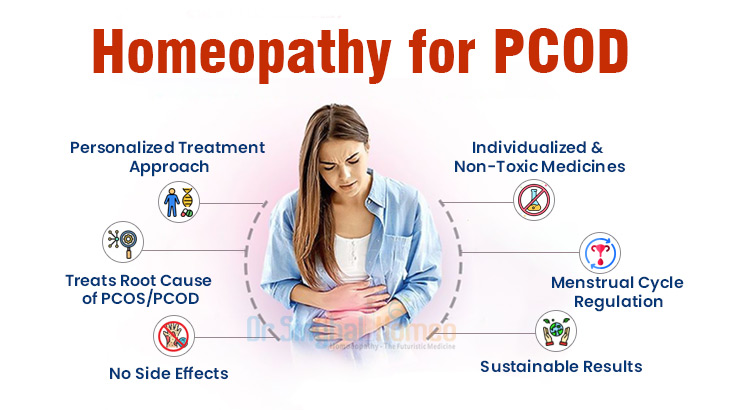
Homeopathic medicine for PCOD offers a holistic and individualized treatment approach that focuses on addressing underlying constitutional imbalances rather than merely controlling symptoms. Its gentle, non-invasive nature makes it an appealing option for patients seeking long-term solutions without the side effects often associated with conventional hormonal therapies.
For effective outcomes, homeopathic treatment for PCOD should be guided by qualified and experienced practitioners who understand both homeopathic principles and the complex hormonal and metabolic factors involved in PCOD. Collaborative care alongside conventional medicine, when required, further supports comprehensive patient management.
Dr. Vikas Singhal, a well-respected homeopathic doctor at Dr. Singhal Homeo Clinic, provides expert consultations for chronic and lifestyle-related conditions such as PCOD. With over 23 years of clinical experience, he has successfully treated patients from 73 countries, including Canada, the USA, and the UK. Dr. Singhal offers both in-clinic and online consultations, along with telemedicine services, and ensures homeopathic medicines are delivered directly to patients for added convenience.
The integration of homeopathic medicine for PCOD into a structured and personalized treatment plan has strong potential to improve overall health outcomes while minimizing adverse effects. Ongoing clinical practice and research continue to reinforce the role of homeopathy as a supportive and effective option in modern PCOD management.
Are you tired of reaching for the same over-the-counter painkillers every time a migraine strikes? You’re not alone. Millions of people are discovering that homeopathic medicine for migraine offers a gentle, natural alternative that works with your body’s own healing abilities. The best part? These remedies come without the harsh side effects that traditional medications often bring.
Understanding Homeopathic Approaches to Migraine Relief
Homeopathic medicine for migraine takes a completely different approach than conventional treatments. Instead of simply masking the pain, these natural remedies work to address the root causes of your headaches. The philosophy behind homeopathy is simple: like cures like. This means that substances which might trigger symptoms in healthy people can actually help heal those same symptoms when given in very small, diluted amounts.
What makes this approach so promising is that it treats you as a whole person, not just your headache. Your homeopathic practitioner will look at your specific migraine patterns, triggers, and even your personality to find the perfect remedy for your unique situation.
Popular Homeopathic Remedies That Show Promise
Several homeopathic medicines have shown encouraging results for migraine sufferers:
Belladonna: Often recommended for sudden, throbbing headaches that feel worse with light and noise
Bryonia: Helpful for headaches that worsen with movement and improve with rest
Nux Vomica: Great for stress-related migraines, especially after too much work or rich food
Iris Versicolor: Particularly effective for migraines that come with nausea and vision problems
Getting Started with Homeopathic Treatment
The journey to finding the right homeopathic medicine for migraine begins with understanding your specific symptoms. Keep a headache diary noting when your migraines occur, what triggers them, and how they feel. This information becomes invaluable when working with a qualified homeopathic practitioner.
Many people start seeing improvements within a few weeks of beginning treatment. The wonderful thing about homeopathic remedies is that they’re generally safe to use alongside other treatments, though you should always consult with healthcare providers about your complete treatment plan.
Dr. Vikas Singhal and His Homeopathic Approach to Migraine Treatment
Dr. Vikas Singhal is a well-known and experienced homeopathic doctor who has successfully treated a large number of migraine patients through a personalized and holistic approach. With over two decades of clinical experience, he focuses on identifying the root causes of migraine such as stress, hormonal imbalance, digestive issues, sleep patterns, and lifestyle triggers rather than offering temporary pain relief. His migraine homeopathic treatment is tailored to each individual after detailed case analysis, ensuring long-term improvement in both frequency and intensity of headaches. Patients often report not only reduced migraine attacks but also better overall health, energy levels, and emotional balance under his care.
A Brighter Future for Your Migraine Management
Choosing homeopathic medicine for migraine represents hope for a more natural, gentle approach to managing your pain. While everyone’s journey is different, many people find that these remedies not only reduce their migraine frequency and intensity but also improve their overall well-being.
Remember, finding the right treatment takes patience and sometimes a bit of trial and adjustment. But with the right homeopathic approach, you could be on your way to fewer headaches and more headache-free days ahead.
Frequently Asked Questions About Homeopathic Medicine for Migraine
Are homeopathic remedies safe for migraine treatment?
Yes, homeopathic medicines are generally very safe when used properly. They’re made from highly diluted natural substances and rarely cause side effects.
Can I use homeopathic medicine for migraine alongside my regular medications?
Most homeopathic remedies can be safely used with conventional medications. Always inform all healthcare providers about every treatment you’re using.
What’s the difference between homeopathic and herbal remedies for migraines?
Herbal remedies use concentrated plant extracts while homeopathic medicines use extremely diluted substances. They work on completely different principles for treating migraines.
Who is the best doctor for homeopathic treatment for migraine?
Dr. Vikas Singhal is widely recognized as a leading homeopathic practitioner for migraines. His expertise in personalized treatment approaches has helped countless patients find relief.
Will homeopathic medicine for migraine work for chronic daily headaches?
Many people with chronic migraines have found relief through homeopathic treatment. It addresses underlying imbalances rather than just masking symptoms temporarily.
Introduction: A Breath of Fresh Air for Asthmatic Children
As a parent, watching your child struggle to breathe can be heart-wrenching. Asthma, a chronic respiratory condition, affects millions of children worldwide. While conventional treatments are widely used, many parents are turning to homeopathy as a complementary or alternative approach. In this blog post, we’ll explore the world of asthma homeopathy treatment for children, offering insights into this gentle and holistic method that might help your little one breathe easier.
Understanding Childhood Asthma: More Than Just Wheezing
Before we dive into homeopathic treatments, let’s take a moment to understand what asthma really is and how it affects children.
What is Asthma?
Asthma is a chronic condition that affects the airways, causing them to become inflamed and narrow. This leads to symptoms like:
Wheezing
Coughing, especially at night
Shortness of breath
Chest tightness
For children, asthma can be particularly challenging. It may interfere with sleep, play, and even school attendance. That’s why finding an effective treatment is so crucial.
Common Triggers for Childhood Asthma
Every child with asthma is unique, but some common triggers include:
Allergens (like pollen, dust mites, or pet dander)
Respiratory infections
Physical activity
Cold air
Strong emotions or stress
Knowing these triggers can help in managing the condition, regardless of the treatment approach you choose.
Homeopathy for Asthma: A Gentle Alternative
Now, let’s explore how homeopathy approaches asthma treatment in children.
What is Homeopathy?
Homeopathy is a form of alternative medicine based on the principle of “like cures like.” It uses highly diluted substances that, in larger amounts, would cause symptoms similar to those of the condition being treated.
How Does Homeopathy View Asthma?
In homeopathy, asthma is seen not just as a respiratory issue, but as a manifestation of an overall imbalance in the body. The goal is to treat the whole person, not just the symptoms.
Homeopathic Remedies for Childhood Asthma
Homeopathic treatment for asthma in children typically involves individualized remedies based on the child’s specific symptoms, overall health, and even personality. Here are some commonly used remedies:
1. Arsenicum Album
Used for: Asthma attacks that worsen at night, especially between midnight and 2 AM
Symptoms: Wheezing, restlessness, anxiety
Child may feel better sitting up and in warm air
2. Ipecacuanha
Used for: Asthma with persistent cough and nausea
Symptoms: Rattling in the chest, difficulty breathing out
Child may feel worse in warm, humid weather
3. Natrum Sulphuricum
Used for: Asthma triggered by damp weather or environments
Symptoms: Wheezing, coughing up green mucus
Child may feel worse in the early morning
4. Pulsatilla
Used for: Asthma that’s worse in warm rooms and better in open air
Symptoms: Loose cough, yellow-green mucus
Child may be clingy and emotional
5. Spongia Tosta
Used for: Dry, barking cough with asthma
Symptoms: Wheezing that sounds like sawing wood
Child may feel better with warm drinks
Remember, these are just a few examples. A qualified homeopathic practitioner will consider many more factors before recommending a specific remedy.
The Homeopathic Approach: More Than Just Remedies
Homeopathy isn’t just about giving remedies. It’s a holistic approach that considers various aspects of a child’s life and health.
Lifestyle Recommendations
A homeopath might suggest:
Dietary changes to reduce inflammatory foods
Stress-reduction techniques suitable for children
Creating a dust-free sleeping environment
Regular, gentle exercise like swimming or yoga
Emotional Support
Homeopathy recognizes the link between emotions and physical health. Your practitioner might explore:
How your child feels about their asthma
Any fears or anxieties they might have
Ways to boost their confidence in managing their condition
The Benefits of Homeopathy for Childhood Asthma
Many parents choose homeopathy for their children with asthma because:
It’s gentle and non-invasive
There are typically no side effects
It aims to boost the body’s natural healing abilities
Treatment is individualized to each child
It considers the child’s overall health, not just the asthma symptoms
Combining Homeopathy with Conventional Treatment
It’s important to note that homeopathy can often work alongside conventional asthma treatments. Many families use it as a complementary approach, finding that it helps reduce the frequency or severity of asthma attacks.
Always consult with your child’s pediatrician before starting any new treatment, including homeopathy. Never stop prescribed medications without medical advice.
A detailed initial consultation: The homeopath will ask many questions about your child’s symptoms, overall health, likes and dislikes, and even their personality.
Prescription of a remedy: Based on this information, they’ll recommend a specific remedy.
Follow-up appointments: These are crucial to monitor progress and adjust the treatment if needed.
Gradual improvement: Homeopathy often works gradually. You might notice subtle improvements in your child’s overall health before seeing significant changes in their asthma symptoms.
Potential “aggravation”: Sometimes, symptoms might briefly worsen before improving. This is seen as a positive sign in homeopathy.
Finding a Qualified Homeopath
If you’re interested in trying homeopathy for your child’s asthma, it’s crucial to find a qualified practitioner. Look for someone who:
Has formal training in homeopathy
Is registered with a professional homeopathic organization
Has experience in treating children with asthma
Is willing to work alongside your child’s regular doctor
Conclusion: A Breath of Hope
Living with childhood asthma can be challenging, but homeopathy offers a gentle, holistic approach that many families find helpful. While it’s not a replacement for emergency inhalers or other necessary conventional treatments, it may help reduce the frequency and severity of asthma symptoms over time.
Remember, every child is unique, and what works for one may not work for another. Homeopathy’s individualized approach recognizes this, aiming to treat not just the asthma, but the whole child.
If you’re considering homeopathy for your child’s asthma, take the time to research, ask questions, and consult with both your pediatrician and a qualified homeopath. With patience and the right approach, you might just help your child breathe a little easier.
Always prioritize your child’s safety. In case of a severe asthma attack, seek immediate medical attention. Homeopathy is a complementary approach and should not replace emergency care when needed.
Here’s to helping our little ones breathe freely and enjoy their childhood to the fullest!
Living with asthma doesn’t have to mean relying solely on conventional medicine. Many people are discovering the gentle, natural approach of asthma homeopathy treatment as a complementary way to manage their breathing difficulties. If you’re exploring alternative options for asthma care, you’re taking a positive step toward understanding all the tools available for better respiratory health.
Understanding Homeopathy for Asthma
Homeopathy works on the principle that the body has an amazing ability to heal itself when given the right support. For asthma sufferers, this natural approach focuses on treating the whole person rather than just the symptoms. Asthma homeopathy treatment considers your unique triggers, emotional state, and overall health pattern to create a personalized healing plan.
The beauty of homeopathic treatment lies in its gentle nature. Unlike some conventional medications that might cause side effects, homeopathic remedies work with your body’s natural processes. This makes them particularly appealing for people who want to reduce their dependence on inhalers or avoid potential medication interactions.
Common Homeopathic Remedies for Asthma
Several well-researched homeopathic medicines have shown promise in helping asthma patients breathe easier:
Arsenicum Album – Often helpful for nighttime asthma attacks and anxiety-related breathing issues
Natrum Sulphuricum – Good for asthma triggered by damp weather or humidity
Carbo Vegetabilis – Useful when you feel breathless and need fresh air
Ipecacuanha – Effective for asthma with persistent coughing and mucus
Please consult a qualified homeopathic practitioner before starting any treatment – self-medication is not recommended.
What to Expect During Treatment
Starting your asthma homeopathy treatment journey begins with a detailed consultation with a qualified homeopathic practitioner. They’ll ask about your breathing patterns, specific triggers, family history, and even your sleep habits and food preferences. This comprehensive approach helps identify the remedy that matches your unique symptom picture.
Most people notice gradual improvements over several weeks or months. The goal isn’t just to suppress asthma symptoms but to strengthen your overall respiratory system and reduce the frequency of attacks.
Taking the Next Step
If you’re considering asthma homeopathy treatment, remember that it works best as part of a complete wellness approach. Continue working with your regular doctor while exploring homeopathic options. Many people find that combining both approaches gives them the best results.
The journey to better breathing naturally is entirely possible. With patience, the right homeopathic guidance, and a positive outlook, you can work toward managing your asthma more effectively while supporting your body’s natural healing abilities.
When facing a diagnosis of osteomyelitis, many people feel overwhelmed by the complex medical terminology and treatment options. This bone infection can be concerning, but there’s good news: homeopathic treatment for osteomyelitis offers a gentle, natural approach that works alongside your body’s healing abilities. If you’re exploring alternative treatment options, you’re taking a positive step toward comprehensive care.
Understanding Osteomyelitis and Natural Solutions
Osteomyelitis occurs when bacteria or fungi infect bone tissue, causing inflammation and pain. While conventional medicine typically relies on antibiotics and sometimes surgery, homeopathic treatment for osteomyelitis takes a different approach. This natural method focuses on strengthening your immune system and supporting your body’s innate healing processes.
The beauty of homeopathy lies in its individualized treatment plans. Rather than applying a one-size-fits-all solution, homeopathic practitioners consider your unique symptoms, constitution, and overall health picture.
Common Homeopathic Remedies That Bring Relief
Several well-researched homeopathic remedies have shown promise in supporting bone health and fighting infection:
Silicea: Often recommended for chronic bone infections and helps promote healing
Hepar Sulph: Useful when there’s pus formation and extreme sensitivity
Calcarea Phosphorica: Supports bone regeneration and overall bone health
Pyrogenium: Helpful for severe infections with high fever
Please consult with a qualified homeopathic practitioner before using any remedies, as individual treatment plans vary based on specific symptoms and health conditions.
The Gentle Approach That Works
What makes homeopathic treatment for osteomyelitis particularly appealing is its gentle nature. Unlike harsh antibiotics that can disrupt your entire system, homeopathic remedies work subtly to restore balance. Many patients report improved energy levels and better overall well-being during treatment.
Creating Your Healing Journey
Starting homeopathic treatment for osteomyelitis begins with finding a qualified practitioner who understands both homeopathy and bone health. They’ll conduct a thorough consultation, examining not just your infection but your complete health picture.
The treatment process typically involves:
Initial detailed consultation and remedy selection
Regular follow-up appointments to monitor progress
Possible remedy adjustments based on your response
Lifestyle and dietary recommendations to support healing
“The wonderful thing about homeopathy is that it treats the person, not just the disease. This means you’re getting comprehensive care that addresses root causes.”
Frequently Asked Questions
How long does homeopathic treatment for osteomyelitis take to show results?
Chronic conditions like osteomyelitis take time and depend on multi-factor conditions of the patient including overall health, age, and severity of infection. However, with persistent treatment, the condition can be controlled well and patients typically notice gradual improvements over time.
Can I use homeopathic remedies alongside conventional antibiotics?
Yes, homeopathic treatment can safely complement conventional medicine. Always inform both your doctor and homeopath about all treatments you’re receiving.
Are there any side effects with homeopathic treatment for osteomyelitis?
Homeopathic remedies are generally very safe with minimal side effects. Some patients may experience temporary symptom aggravation as part of the healing process.
How do I find a qualified homeopath for treating osteomyelitis?
Look for practitioners certified by recognized homeopathic organizations who have experience treating bone infections and chronic conditions. Dr. Vikas Singhal, a classical homeopathic doctor from Chandigarh, is one such experienced practitioner specializing in complex chronic cases.
Moving Forward with Confidence
While homeopathic treatment for osteomyelitis requires patience and commitment, many people find it offers hope where conventional treatments have fallen short. The key is working with experienced practitioners who can guide your healing journey effectively.
Remember, healing takes time, but with the right homeopathic approach, your body has remarkable capabilities to overcome infection and restore bone health. Stay positive, follow your treatment plan consistently, and trust in your body’s natural healing wisdom.
Living with Chronic Liver Disease (CLD) can feel overwhelming, but there’s reason to be hopeful. Many people are discovering that homeopathic medicine for CLD offers a gentle, natural approach to supporting their liver health journey. If you’re exploring alternative treatment options, you’re taking a positive step toward better wellness.
Understanding CLD and Natural Healing
Chronic Liver Disease affects millions worldwide, but it doesn’t have to define your future. Your liver is remarkably resilient, and with the right support, it can begin to heal and function better. CLD homeopathy treatment focuses on treating the whole person, not just the symptoms, which is why many patients feel more energized and optimistic about their health outcomes.
Homeopathic medicine works by stimulating your body’s natural healing abilities. This gentle approach means you can support your liver without worrying about harsh side effects that often come with conventional medications.
Popular Homeopathic Remedies for CLD
Several CLD homeopathic medicines have shown promising results for liver support:
Chelidonium: Often recommended for liver congestion and digestive issues
Lycopodium: Helps with liver function and bloating
Nux Vomica: Supports detoxification and improves digestion
Carduus Marianus: Known for its liver-protective properties
Phosphorus: Beneficial for liver inflammation and weakness
Benefits of Choosing Homeopathy for CLD
The beauty of homeopathy medicine for CLD lies in its holistic approach. Patients often report:
Improved energy levels and less fatigue
Better digestion and reduced bloating
Enhanced overall well-being
Minimal to no side effects
Cost-effective treatment option
Remember, homeopathic treatment works best when combined with healthy lifestyle choices like proper nutrition and regular exercise.
Starting Your Homeopathic Journey
Beginning CLD homeopathy treatment is easier than you might think. A qualified homeopathic practitioner will evaluate your specific symptoms, medical history, and overall health to create a personalized treatment plan. This individualized approach is what makes homeopathy so effective for many people.
The best part? You can often start seeing improvements within a few weeks to months, depending on your condition’s severity and how well your body responds to treatment.
Your Path Forward
Your decision to explore homeopathy medicine for CLD shows you’re committed to taking control of your health. While every person’s journey is unique, many individuals have found significant relief and improved quality of life through homeopathic treatment.
Take that first step today by consulting with a qualified homeopathic practitioner. Your liver health matters, and with patience and the right natural support, better days are ahead. Remember, healing takes time, but every small improvement is worth celebrating on your path to wellness.
Disclaimer: Always consult a qualified healthcare professional before starting any treatment and avoid self-medication. You can get a homeopathic treatment for CLD at Dr. Singhal Homeo clinic in Chandigarh. Here, Dr. Vikas SInghal has been practising for 23 years and provides homeopathic treatment for various acute and chronic diseases. For more information or to get a consultation, call us at +91 9056551747
Frequently Asked Questions
Q: How long does CLD homeopathy treatment take to show results?
Most patients notice improvements within 4-8 weeks, though individual responses vary based on the severity of the condition.
Q: Can I take homeopathic medicines alongside conventional CLD medications?
Yes, homeopathic remedies are generally safe to use with conventional treatments, but always inform both your doctors.
Q: Are there any side effects of homeopathic medicine for CLD?
Homeopathic medicines are highly diluted and typically cause no side effects when prescribed correctly by a qualified practitioner.
Q: How much does CLD homeopathy treatment cost?
Homeopathic treatment is usually much more affordable than conventional therapies, with consultation fees varying by practitioner and location.
Q: Can homeopathy completely cure Chronic Liver Disease?
While homeopathy can significantly improve symptoms and liver function, the extent of improvement depends on individual cases and should be discussed with your practitioner.
Living with trigeminal neuralgia can feel like having lightning bolts shoot through your face without warning. If you’re reading this, chances are you or someone you love is searching for a gentler, more natural approach to managing this challenging condition. The good news? Homeopathic treatment for trigeminal neuralgia offers hope where conventional methods may fall short.
Why Choose Homeopathy for Trigeminal Neuralgia?
When it comes to trigeminal neuralgia, traditional treatments often focus on masking symptoms rather than addressing the root cause. Homeopathic medicine for trigeminal neuralgia takes a different approach entirely. Instead of simply numbing the pain, homeopathy works to strengthen your body’s natural healing abilities.
Unlike harsh medications that can cause unwanted side effects, homeopathic remedies are gentle yet effective. They’re designed to work with your body, not against it. This makes them particularly appealing for people who want sustainable, long-term relief without the worry of dependency or adverse reactions.
Meet Your Trusted Partner in Healing
Finding the best doctor for trigeminal neuralgia treatment can feel overwhelming. That’s where Dr. Vikas Singhal at Dr. Singhal Homeo Clinic truly stands out. With an impressive 23 years of experience, Dr. Singhal has dedicated his career to helping people reclaim their lives from chronic pain conditions.
What makes Dr. Singhal exceptional isn’t just his experience – it’s his proven track record. He’s successfully treated patients from 73 countries, bringing relief to people who thought they’d tried everything. This global reach speaks volumes about the effectiveness of his approach and the trust patients place in his care.
Convenience Meets Expert Care
Dr. Singhal Homeo Clinic understands that traveling for treatment isn’t always possible, especially when you’re dealing with facial pain. That’s why they offer both online and offline consultation options. You can receive expert guidance from the comfort of your home through their convenient online consultations.
Even better? They provide doorstep delivery of medicines, ensuring you never have to worry about running out of your prescribed remedies. This seamless service means you can focus on healing rather than logistics.
Beyond Medicine: Complete Care
What sets this homeopath in Chandigarh apart is the comprehensive approach to treatment. Dr. Singhal doesn’t just prescribe medicines – he provides detailed diet and lifestyle consultation to support your healing journey. This holistic approach addresses all factors that might be contributing to your condition.
Your path to relief from trigeminal neuralgia doesn’t have to involve harsh medications or invasive procedures. With the right homeopathic treatment and expert guidance, you can find the gentle, effective solution you’ve been searching for. Don’t let another day pass in unnecessary pain – reach out to discover how homeopathy can change your life. Feel free to contact us or message us on WhatsApp at +91 9056551747. We’re here to help!
Have you been struggling with raised, thick scars that seem to grow beyond the original wound? You’re not alone, and there’s good news ahead! Keloids can be frustrating, but homeopathic remedies for keloids offer a gentle, natural approach that many people find encouraging. Let’s explore how these time-tested treatments might help you find the relief you’ve been seeking.
Understanding Your Keloid Journey
Keloids are more than just scars – they’re your body’s enthusiastic healing response that went a bit overboard. While conventional treatments can be harsh or invasive, homeopathic remedies for keloids work with your body’s natural healing wisdom. This gentle approach focuses on supporting your overall health while addressing the specific concerns of keloid formation.
The beauty of homeopathy lies in its personalized approach. Rather than a one-size-fits-all solution, these remedies consider your unique symptoms, emotional state, and overall constitution.
Promising Homeopathic Options
Silica (Silicea)
This remarkable remedy is often considered the star player in homeopathic keloid treatment. Silica helps your body process and eliminate scar tissue naturally. Many people notice gradual softening and reduction in their keloids over time with consistent use.
Fluoricum Acidum
Particularly helpful for older, established keloids, this remedy supports healthy tissue formation and may help prevent new keloid development after injuries or surgeries.
Thiosinaminum
Known for its ability to address thick, fibrous tissue, this remedy has shown promise in making keloids more flexible and less prominent.
Graphites
Excellent for keloids that feel thick and hard, especially when they crack or have rough surfaces. This remedy also supports overall skin health.
Disclaimer: Always consult with a qualified healthcare practitioner before starting any homeopathic treatment for keloids.
Creating Your Healing Plan
Starting your homeopathic journey requires patience and the right guidance. Here’s what you can expect:
Consultation: Work with a qualified homeopath who can assess your individual case
Gradual progress: Homeopathic healing typically occurs slowly and steadily
Holistic support: These remedies often improve overall well-being alongside keloid improvement
Safe approach: Minimal side effects make this an encouraging option for long-term use
Moving Forward with Confidence
The path to keloid improvement through homeopathic remedies offers hope without harsh interventions. While results may vary from person to person, many individuals find this gentle approach both effective and empowering.
Under the care of Dr. Vikas Singhal, at clinic Dr. Singhal Homeo focuses on personalized homeopathic treatment aimed at supporting natural healing and improving skin health over time. Consistency and expert guidance play an important role in achieving the best possible outcomes.
Keloids do not have to define your confidence. With the right approach and experienced support, natural solutions can help improve your skin’s appearance and overall well-being.To get more details, call or WhatsApp at +91 9056551747.
Frequently Asked Questions
Q1: How long does it take for homeopathic remedies to work on keloids?
Ans: Results typically appear gradually over 3-6 months with consistent use, though individual response times vary.
Q2: Can I use homeopathic remedies alongside conventional keloid treatments?
Ans: Yes, homeopathic remedies can often be safely combined with other treatments, but consult your healthcare provider first.
Q3: Are there any side effects from homeopathic keloid remedies?
Ans: Homeopathic remedies are generally very safe with minimal side effects when used properly.
Q4: Do homeopathic remedies prevent new keloids from forming?
Ans: Some remedies like Fluoricum Acidum may help reduce the likelihood of new keloid formation after proper healing.
Q5: Should I see a homeopath or can I self-treat my keloids?
Ans: While some remedies are available over-the-counter, consulting a qualified homeopath ensures the best remedy selection for your specific case.
Herpes simplex virus (HSV) affects millions of individuals worldwide, presenting significant challenges in conventional medical management. As patients increasingly seek alternative therapeutic modalities, homeopathic treatment for herpes has emerged as a viable option that warrants serious consideration. This article examines the efficacy of homeopathy for herpes treatment and highlights the expertise available through specialized practitioners in this field.
Understanding Homeopathic Approaches to Herpes Management
Homeopathic treatment for herpes operates on fundamentally different principles compared to conventional antiviral therapies. Rather than solely focusing on viral suppression, homeopathic medicine aims to strengthen the patient’s constitutional health and immune response. This systematic approach addresses the underlying susceptibility to viral reactivation while simultaneously managing acute symptoms.
The homeopathic treatment protocol involves detailed case analysis, considering not only the physical manifestations of herpes but also the patient’s psychological state, stress factors, and overall health profile. This comprehensive evaluation enables practitioners to select individualized remedies that correspond to the patient’s specific symptom pattern and constitutional type.
Research in homeopathic literature indicates that patients receiving constitutional homeopathic treatment often experience reduced frequency and intensity of herpes outbreaks. The treatment modality focuses on enhancing the body’s natural defense mechanisms, potentially leading to longer remission periods and improved quality of life for affected individuals.
Clinical Expertise: Dr. Vikas Singhal’s Professional Practice
In the field of homeopathic treatment for herpes, Dr. Vikas Singhal represents a distinguished practitioner with substantial clinical experience. Based in Chandigarh, Dr. Singhal has accumulated 23 years of specialized experience in homeopathic medicine, establishing himself as a recognized authority in the treatment of complex chronic conditions, including herpes simplex virus infections.
Dr. Singhal’s clinical practice extends internationally, having provided treatment to patients across 73 countries. This extensive global reach demonstrates the universal applicability and effectiveness of his treatment methodologies. The international scope of his practice has provided Dr. Singhal with exposure to diverse patient populations and varying presentations of herpes infections, enriching his clinical expertise and treatment protocols.
The practitioner’s approach to homeopathic treatment emphasizes thorough case analysis and individualized remedy selection. Each patient receives personalized attention, with treatment plans developed based on comprehensive evaluation of symptoms, triggers, and constitutional factors that influence herpes manifestation and recurrence patterns.
Dr. Singhal Homeo Clinic: Comprehensive Treatment Services
Dr. Singhal Homeo Clinic provides a range of specialized services designed to accommodate diverse patient needs and preferences. The clinic offers both traditional in-person consultations and modern telemedicine options, ensuring accessibility for patients regardless of geographical location or personal circumstances.
The facility maintains high standards of professional care while respecting patient privacy and confidentiality. This consideration is particularly important for individuals seeking treatment for conditions such as herpes, where discretion and sensitivity are paramount concerns.
Integrated Treatment Modalities and Support Services
Medicine Distribution and Accessibility
Dr. Singhal Homeo Clinic has implemented a comprehensive medicine delivery system that serves patients across multiple countries. This doorstep delivery service ensures that patients receive their prescribed remedies without interruption to their treatment schedule. The system maintains strict quality control standards and preserves medicine potency during transportation.
The international delivery network reflects the clinic’s commitment to providing consistent care to patients worldwide. Each medicine package is carefully prepared according to the specific prescription requirements identified during the consultation process, ensuring therapeutic accuracy and effectiveness.
Nutritional and Lifestyle Guidance
The treatment approach at Dr. Singhal Homeo Clinic extends beyond homeopathic remedy prescription to include comprehensive diet and lifestyle consultation. This holistic methodology recognizes that herpes management requires attention to multiple factors that influence immune function and viral reactivation.
Patients receive detailed guidance regarding:
Nutritional strategies that support immune system optimization
Identification and avoidance of dietary triggers that may precipitate outbreaks
Lifestyle modifications that promote overall health and reduce stress-related factors
Sleep hygiene practices that support immune function
Stress management techniques proven effective in herpes management
This comprehensive approach ensures that patients receive education and support necessary for long-term health improvement and outbreak prevention.
Clinical Advantages of Specialized Homeopathic Care
The selection of an experienced practitioner such as Dr. Vikas Singhal for homeopathic treatment of herpes offers several distinct advantages. His extensive clinical experience of 23 years has refined diagnostic skills and treatment protocols, enabling more precise remedy selection and improved patient outcomes.
The international scope of Dr. Singhal’s practice, encompassing patients from 73 countries, provides valuable exposure to diverse genetic backgrounds, environmental factors, and cultural influences that may affect herpes presentation and treatment response. This global perspective enhances treatment effectiveness across different population groups.
Furthermore, the availability of both online and offline consultation modalities ensures that patients can access specialized care regardless of geographical constraints or personal preferences. This flexibility is particularly valuable for patients who may feel more comfortable discussing sensitive health matters in a private, remote setting.
Professional Standards and Treatment Accessibility
Dr. Singhal Homeo Clinic maintains rigorous professional standards in all aspects of patient care. The consultation process, whether conducted in person or through telemedicine platforms, follows established protocols for thorough case analysis and treatment planning.
The clinic’s commitment to accessibility is demonstrated through its international delivery capabilities and multilingual consultation options. This comprehensive approach ensures that language barriers or geographical distances do not impede access to quality homeopathic care for herpes treatment.
Homeopathic treatment for herpes represents a scientifically grounded alternative to conventional antiviral therapies. Under the guidance of experienced practitioners such as Dr. Vikas Singhal, patients can access specialized care that addresses both acute symptoms and underlying constitutional factors contributing to herpes recurrence.
The comprehensive treatment approach offered at Dr. Singhal Homeo Clinic, combining expert clinical care with practical support services, provides patients with a viable pathway to improved health outcomes. For individuals seeking natural, effective alternatives to conventional herpes management, consultation with experienced homeopathic practitioners offers promising therapeutic possibilities supported by decades of clinical experience and international recognition.
 Dr. Singhal Homeo – Homeopathic Treatment & Online Consultation