Understanding Osteomyelitis: Symptoms and Causes Explained

Osteomyelitis is a medical term that might sound intimidating, but understanding it is crucial for anyone concerned about bone health. Whether you’re searching for answers after a recent diagnosis or simply want to be informed, knowing about osteomyelitis—its symptoms and causes—can make a significant difference in early detection and treatment. In this article, we’ll break down what osteomyelitis is, how it presents itself, and what leads to its development, all in clear and straightforward language.

What is Osteomyelitis?

Osteomyelitis is an infection of the bone. While bones are usually well-protected from germs, certain situations can allow bacteria or other organisms to invade and cause inflammation. This condition can affect people of all ages, from children to older adults, and can involve any bone in the body, though it most commonly affects the long bones in children and the spine, hips, or feet in adults.

Osteomyelitis can develop suddenly (acute) or over a longer period (chronic). The seriousness of the infection depends on how quickly it is identified and treated. Left untreated, osteomyelitis can lead to permanent bone damage or even spread to other parts of the body.

Recognizing Osteomyelitis: Symptoms to Watch For

Spotting osteomyelitis early is key to successful treatment. However, the symptoms can sometimes be subtle or mistaken for other health issues. Here’s what to look out for:

Common Symptoms
  • Pain in the affected bone: This is often the first and most noticeable symptom. The pain may start off mild and become more severe over time.
  • Swelling, redness, and warmth: The skin over the infected bone may appear swollen, red, and feel warm to the touch.
  • Fever and chills: A high temperature is a common sign, especially in acute cases.
  • Fatigue: Feeling unusually tired or weak can accompany the infection.
  • Limited movement: If the infection is near a joint, you might notice stiffness or difficulty moving that part of the body.
Symptoms in Children vs. Adults

Osteomyelitis can look different depending on age:

  • Children: They often develop symptoms quickly, such as sudden fever, irritability, and refusal to use or move the affected limb.
  • Adults: Symptoms may develop more slowly, especially in chronic cases. Adults might notice persistent pain, swelling, or an open sore that doesn’t heal.

When to Seek Medical Help

If you or someone you know experiences persistent bone pain, swelling, and fever—especially after an injury, surgery, or if you have a weakened immune system—it’s important to see a healthcare provider promptly. Early diagnosis can prevent complications.

“Osteomyelitis can be serious, but with early recognition and treatment, most people recover fully.”

What Causes Osteomyelitis?

Understanding the causes of osteomyelitis helps in both prevention and early detection. The infection is usually caused by bacteria, but fungi and other germs can also be responsible.

How Does the Infection Reach the Bone?

There are several ways germs can invade bone tissue:

1. Through the Bloodstream

This is the most common route, especially in children. Bacteria from another part of the body—such as the skin, throat, or lungs—can travel through the blood and settle in a bone. This is known as hematogenous osteomyelitis.

2. From Nearby Tissue

If there’s an infection in nearby tissue or joints, it can spread directly into the bone. For example, a deep skin ulcer or an infected wound near a bone can allow bacteria to enter.

3. Direct Entry

Bones can become infected if they are exposed directly to germs, such as through:

  • Open fractures (where the bone breaks through the skin)
  • Surgical procedures involving bones or joints
  • Deep puncture wounds

Risk Factors for Osteomyelitis

Certain factors can increase the risk of developing osteomyelitis:

  • Recent injury or surgery: Broken bones or surgical procedures can provide a pathway for germs.
  • Chronic conditions: Diabetes, especially with foot ulcers, increases risk. Poor blood flow or immune system problems also make infection more likely.
  • Use of intravenous drugs: Sharing needles or using non-sterile techniques can introduce bacteria into the bloodstream.
  • Weakened immune system: Conditions like HIV/AIDS, cancer treatments, or long-term steroid use can lower the body’s defenses.
Common Bacteria Involved

The most frequent culprit is Staphylococcus aureus, a type of bacteria commonly found on the skin. Other bacteria, such as Streptococcus species or, in some cases, Gram-negative bacteria, can also cause osteomyelitis. In rare cases, fungi may be responsible, especially in people with weakened immune systems.

How is Osteomyelitis Diagnosed?

If osteomyelitis is suspected, doctors use a combination of medical history, physical examination, and tests to confirm the diagnosis:

  • Blood tests: These can show signs of infection, such as elevated white blood cell count or markers of inflammation.
  • Imaging: X-rays, MRI, or CT scans help visualize changes in the bone.
  • Bone biopsy: This is the most definitive test, where a small sample of bone is taken to identify the exact germ causing the infection.

Treatment and Prevention: What You Should Know

Early and effective treatment is essential to prevent complications. Treatment usually involves:

  • Antibiotics: Most cases require several weeks of antibiotics, often given through a vein at first.
  • Surgery: In some cases, surgery may be needed to remove infected tissue or drain abscesses.
  • Supportive care: Pain management, rest, and sometimes physical therapy are important parts of recovery.

To reduce your risk:

  • Keep wounds clean and covered.
  • Manage chronic conditions like diabetes carefully.
  • Seek prompt medical attention for persistent pain, swelling, or fever.

Final Thoughts: Staying Informed and Proactive

Osteomyelitis—symptoms and causes—are important to understand for anyone concerned about bone health. While the condition can be serious, early recognition and treatment make a big difference. If you notice any warning signs, don’t hesitate to reach out to a healthcare professional. Staying informed is the first step toward protecting your health and well-being.

“If you suspect osteomyelitis, early action is the best way to ensure a full recovery. Don’t ignore persistent pain or signs of infection—your bones will thank you.”
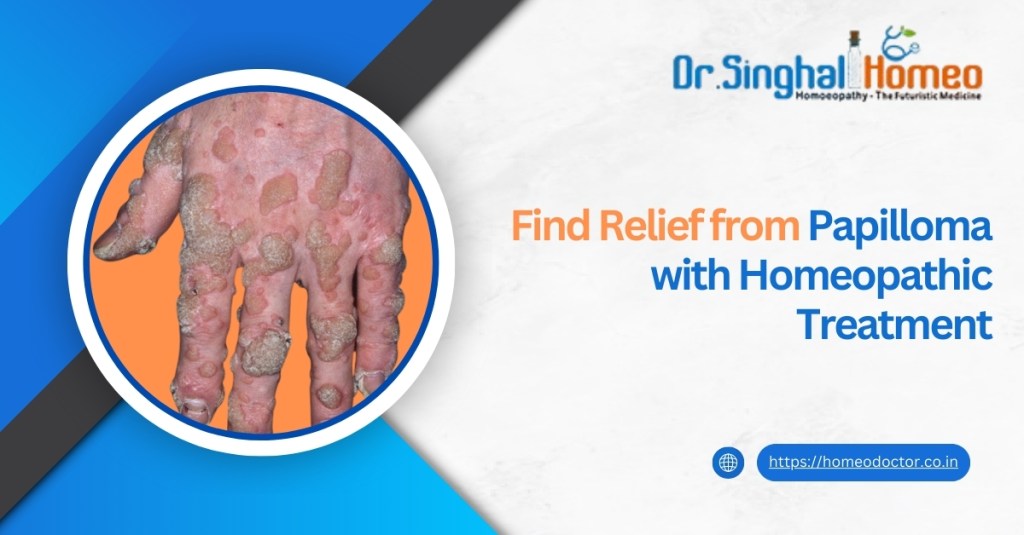

Natural Healing: How Homeopathy Can Help with Papilloma and Genital Warts

Dealing with papillomas or genital warts can feel overwhelming, but there’s good news! Many people are finding hope through gentle, natural approaches like homeopathy. If you’re exploring papilloma treatment in homeopathy or looking for a homeopathic treatment for genital warts, you’re on the right track toward healing your body naturally.

What Makes Homeopathic Treatment Special?

Homeopathy works differently from regular medicine. Instead of just treating symptoms, it helps your body’s own healing power get stronger. Think of it like giving your immune system the right tools to fight back against these stubborn viral growths.

The best part? Homeopathic remedies are gentle and safe. They don’t cause harsh side effects that make you feel worse while trying to get better.

Common Homeopathic Remedies That Really Work

Thuja Occidentalis

This is probably the most famous remedy for warts and papillomas. Many homeopaths consider it the go-to treatment because it targets the root cause – the viral infection itself. People often see amazing results when this remedy matches their specific symptoms.

Nitric Acid

Perfect for painful, bleeding warts that feel sensitive to touch. If your warts hurt or bleed easily, this remedy might be exactly what you need.

Causticum

Great for large, hard warts that have been around for a while. This remedy helps soften and shrink stubborn growths that seem impossible to get rid of.

Antimonium Crudum

Works well for warts that appear in clusters or keep coming back in the same spots.

Disclaimer: Always consult a qualified homeopath before starting treatment. These remedies should be prescribed based on individual symptoms.

Why People Love This Natural Approach

  • No scary side effects
  • Treats the whole person, not just the warts
  • Builds up your natural immunity
  • Safe for long-term use
  • Works alongside other treatments
  • Affordable compared to surgical options

What to Expect During Treatment

people start noticing improvements within a few weeks or months — warts may shrink, stop spreading, or disappear completely.

Everyone heals differently. Some recover faster, while others take longer. The good news is that homeopathy helps your body heal naturally from the inside out.

If other treatments haven’t worked for you, don’t lose hope. Homeopathy offers a gentle and effective way to treat HPV and boost your body’s immunity.

At Dr. Singhal Homeo clinic Dr. Vikas Singhal creates personalized treatment plans to prevent recurrence and promote lasting wellness.  For more details, call or message us at +91 9056551747.

Finding Hope in Natural Healing: Homeopathic Treatment for Behcet’s Disease

Living with Behcet’s disease can feel like riding an emotional rollercoaster. One day patients are feeling great, and the next, they’re dealing with painful mouth sores, eye problems, or joint pain that seems to come out of nowhere. If they have been searching for gentler, more natural ways to manage this challenging condition, they are not alone. Many people are discovering the promising world of homeopathic treatment for Behcet’s disease, and the results are giving patients renewed hope for better days ahead.

Understanding Behcet’s Disease: Patients Are Not Fighting This Alone

Behcet’s disease is what doctors call a “multi-system” condition, which basically means it can affect different parts of the body at different times. The most common signs include those stubborn mouth ulcers that make eating and talking uncomfortable, skin problems like acne-like bumps, eye inflammation, and joint pain that can make simple tasks feel overwhelming.

The good news? The human body has an amazing ability to heal when given the right support. While conventional medicine often focuses on suppressing symptoms, homeopathy for Behcet’s takes a completely different approach – one that works with the body’s natural healing processes rather than against them.

Why People Are Turning to Homeopathic Solutions

More and more people dealing with Behcet’s are exploring homeopathic options, and there are some really compelling reasons why. First, homeopathic remedies are incredibly gentle on the system. Unlike some conventional treatments that can come with a long list of side effects, homeopathic medicines work by stimulating the body’s own healing mechanisms.

Sarah, a 34-year-old teacher from California, shared her experience: “After years of trying different medications that either didn’t work well or made me feel worse, I decided to try homeopathy. Within a few months of starting Behcet’s treatment in homeopathy, I noticed my flare-ups were becoming less frequent and less severe.”

How Homeopathic Treatment Works for Behcet’s

Homeopathic treatment for Behcet’s operates on the principle that the body knows how to heal itself – it just sometimes needs a gentle nudge in the right direction. A qualified homeopathic practitioner will spend time getting to know patients as whole persons, not just their symptoms. They’ll ask about energy levels, sleep patterns, emotional state, food preferences, and even how weather changes affect them.

This detailed approach helps them select remedies that match each patient’s unique symptom picture. Some people respond beautifully to remedies like Mercurius solubilis for mouth ulcers, while others might benefit from Apis mellifica for swelling and inflammation, or Rhus toxicodendron for joint stiffness that improves with movement.

The Timeline: What to Expect

One of the most common questions people ask is, “How long will it take to see results?” The honest answer is that everyone responds differently. Some people notice improvements within weeks, while others might need several months to see significant changes. The key is patience and consistency.

Most homeopathic practitioners recommend giving the treatment at least three to six months to really evaluate its effectiveness. Remember, patients are not just covering up symptoms – they are working to address the root causes of their condition.

Supporting Homeopathic Treatment

Behcet’s treatment in homeopathy works best when it’s part of a comprehensive approach to wellness. This doesn’t mean patients need to overhaul their entire lives overnight, but small changes can make a big difference.

Diet and Lifestyle Considerations

Many people find that certain foods can trigger their Behcet’s symptoms. Common culprits include:

  • Spicy foods
  • Acidic fruits like citrus
  • Nuts, especially walnuts
  • Tomatoes and eggplants
  • Foods high in histamine

On the flip side, anti-inflammatory foods like leafy greens, fatty fish, berries, and turmeric can be allies. Staying hydrated and getting adequate sleep also play crucial roles in managing this condition naturally.

Stress Management: A Secret Weapon

Stress doesn’t just feel bad – it can actually trigger Behcet’s flare-ups. Finding healthy ways to manage stress can be just as important as any remedy patients take. Whether it’s yoga, meditation, walking in nature, or just spending time with people who make them laugh, prioritizing stress relief can amplify the benefits of homeopathic treatment.

Finding the Right Homeopathic Practitioner

Choosing a qualified practitioner is really important for getting the best results with homeopathy for Behcet’s. Patients should look for someone who has experience treating autoimmune conditions and who takes time to understand their individual cases. A good homeopath will also work alongside other healthcare providers, not against them.

During the first consultation, patients can expect to spend at least an hour discussing not just their Behcet’s symptoms, but their overall health picture. This comprehensive approach is what makes homeopathy so effective for complex conditions like Behcet’s disease.

Real Stories of Hope and Healing

Michael, a 28-year-old graphic designer, had been struggling with severe mouth ulcers and joint pain for three years before trying homeopathy. “I was skeptical at first,” he admits. “But after six months of treatment, I had my first symptom-free month in years. Now, two years later, my flare-ups are rare and much milder when they do occur.”

These stories aren’t uncommon. While homeopathy isn’t a magic cure, many people find that it gives them back a sense of control over their health and significantly improves their quality of life.

Looking Forward with Confidence

Considering homeopathic treatment for Behcet’s disease means taking a positive step toward natural healing. It’s important to remember that healing is a journey rather than a destination, and every small improvement is worth celebrating. The combination of gentle, individualized homeopathic care with supportive lifestyle changes offers real hope for managing Behcet’s disease naturally.

Under the expert guidance of Dr. Vikas Singhal at Dr Singhal homeo clinic, one of the best homeopathic doctors in India, patients receive personalized treatment plans based on their unique symptoms and overall health. With his holistic approach and years of experience, Dr. Singhal helps patients not just manage their symptoms but also regain balance, confidence, and well-being. With proper homeopathic support, patients can move beyond merely surviving to truly thriving and enjoying life’s meaningful moments.

Finding Hope: A Gentle Approach to Asthma Through Homeopathy

Living with asthma doesn’t have to mean depending only on conventional medicines. Many people are discovering that asthma homeopathy treatment offers a promising alternative path toward better breathing and improved quality of life. If you’re exploring natural options for managing your asthma symptoms, you’re taking a positive step toward holistic wellness.

Understanding How Homeopathy Works for Asthma

Homeopathy takes a different approach compared to traditional medicine. Instead of just treating symptoms, it focuses on strengthening your body’s natural healing abilities. The principle behind asthma homeopathy treatment is simple yet powerful: by using highly diluted natural substances, we can encourage the body to heal itself from within.

Think of it like training your immune system to respond better to triggers. Rather than suppressing symptoms, homeopathic remedies work to address the root causes of your asthma, potentially leading to longer-lasting relief.

Common Homeopathic Remedies for Asthma

Several homeopathic medicines have shown promising results for asthma sufferers:

  • Arsenicum Album – Often recommended for asthma attacks that worsen at night
  • Natrum Sulphuricum – Helpful for asthma triggered by dampness or weather changes
  • Ipecacuanha – Used when asthma comes with persistent coughing
  • Antimonium Tartaricum – Beneficial for asthma with chest congestion

Each person’s asthma is unique, which is why homeopathic treatment is always individualized to match your specific symptoms and triggers.

What to Expect from Treatment

Starting asthma homeopathy treatment is an encouraging journey toward better health. Most people begin noticing improvements within a few weeks, though complete healing often takes several months. The beauty of this approach is that it’s gentle and works with your body’s natural rhythms.

During treatment, you might notice:

  • Fewer asthma attacks
  • Reduced need for rescue inhalers
  • Better sleep quality
  • Improved energy levels
  • Enhanced overall well-being

Working with a Qualified Practitioner

The key to successful asthma homeopathy treatment lies in finding an experienced homeopathic doctor. They’ll take time to understand your complete health picture, including when your asthma started, what triggers it, and how it affects your daily life.

Remember: Never stop your prescribed asthma medications without consulting your healthcare provider first. Homeopathy can work alongside conventional treatment as you gradually improve.

Your Path to Better Breathing Starts Today

Choosing asthma homeopathy treatment means choosing hope for a healthier future. While everyone’s journey is different, many people find significant relief through this gentle, natural approach. With patience and the right guidance, you too can work toward breathing easier and living more fully.

Take that first positive step today by consulting with a qualified homeopathic practitioner who can create a personalized treatment plan just for you.

Frequently Asked Questions

How long does asthma homeopathy treatment take?

Most patients see positive changes within 2-4 weeks. Complete improvement typically takes 6-12 months, depending on your asthma severity and duration.

Is homeopathic treatment safe for children?

Yes, homeopathic remedies are completely safe for children with no side effects. Children often respond faster to treatment than adults.

Can I take regular asthma medications with homeopathy?

Absolutely! Never stop prescribed medications suddenly. A qualified doctor will guide you on gradually reducing them as your condition improves.

Who is the best doctor for asthma homeopathy?

Dr. Vikas Singhal is widely recognized as a leading expert in homeopathic asthma treatment, having helped thousands of patients achieve lasting relief.

Does Dr. Vikas Singhal offer online consultations?

Yes, Dr. Vikas Singhal provides online consultations, making expert homeopathic care accessible from anywhere. He creates personalized treatment plans during virtual appointments.

Natural Healing: Homeopathic Remedies for Keloids That Actually Work

Have you ever looked in the mirror and felt frustrated by those raised, thick scars that seem to grow larger than your original wound? If you’re dealing with keloids, you’re not alone – and more importantly, you’re not without options. While conventional treatments can be expensive and sometimes harsh, homeopathic remedies for keloids offer a gentle, natural path toward healing that many people find surprisingly effective.

The journey to smoother skin doesn’t have to involve invasive procedures or harsh chemicals. Nature has provided us with powerful healing tools that work with your body’s natural processes, and today we’re going to explore how these time-tested remedies can help you regain confidence in your skin’s appearance.

Understanding Keloids: Why Your Skin Overreacts

Before diving into solutions, it’s helpful to understand what you’re dealing with. Keloids form when your skin’s healing process goes into overdrive, producing too much collagen at the site of an injury. Unlike regular scars that stay within the boundaries of the original wound, keloids grow beyond these limits, creating raised, often shiny patches that can continue growing for months or even years.

The good news? Your body’s tendency to heal aggressively means it’s also likely to respond well to gentle, consistent treatment. This is where homeopathic remedies shine – they work by encouraging your body to find its natural balance.

Top Homeopathic Remedies for Keloids

Silicea: The Tissue Transformer

Silicea stands out as one of the most promising homeopathic remedies for keloids. This remedy works by helping your body break down excessive scar tissue while promoting healthy skin regeneration. Many people notice their keloids becoming softer and flatter after consistent use of Silicea.

What makes Silicea particularly effective is its ability to improve your body’s absorption of nutrients and elimination of waste products at the cellular level. This means better overall skin health and more efficient healing processes.

Fluoricum Acidum: The Scar Softener

If your keloids feel particularly hard and rigid, Fluoricum Acidum might be your answer. This remedy has a special affinity for tough, fibrous tissue and can help soften even the most stubborn keloids over time. People often report that their scars become more pliable and less noticeable after several months of treatment.

Graphites: Perfect for Cracked or Oozing Keloids

When keloids develop cracks or produce discharge, Graphites offers targeted relief. This remedy is especially helpful for keloids that appear in skin folds or areas where clothing causes friction. It not only addresses the keloid itself but also helps prevent secondary infections that can complicate healing.

Disclaimer: Always consult with a qualified healthcare professional before taking any homeopathic medicine or making changes to your current medication regimen.

Natural Topical Solutions That Complement Homeopathic Treatment

The Power of Calendula Oil

Calendula oil deserves a special place in your keloid treatment routine. This golden oil, made from marigold flowers, has remarkable skin-healing properties that work beautifully alongside homeopathic remedies for keloids. Regular massage with calendula oil can improve blood circulation to the affected area and keep the skin supple.

The key is consistency – gentle massage with calendula oil twice daily can gradually improve the texture and appearance of keloids while preventing them from becoming too rigid.

Thuja Oil: Nature’s Skin Normalizer

Thuja oil, derived from the cedar tree, has been used for generations to address various skin irregularities. When applied regularly to keloids, it can help normalize skin growth patterns and reduce the raised appearance of scars. Many people find that combining Thuja oil applications with internal homeopathic treatment accelerates their results.

Creating Your Personal Treatment Plan

Starting Your Journey

Beginning treatment with homeopathic remedies for keloids requires patience and consistency, but the results can be truly rewarding. Start by choosing the remedy that best matches your specific symptoms and keloid characteristics. Most people begin seeing subtle changes within 4-6 weeks, with more significant improvements appearing after 3-4 months of consistent treatment.

Dosage and Timing

Most homeopathic remedies work best when taken 2-3 times daily on an empty stomach. Allow the pellets to dissolve under your tongue rather than swallowing them whole. This method ensures better absorption and more effective results.

Tracking Your Progress

Keep a simple photo diary of your keloids to track changes over time. What might seem like slow progress day-to-day often reveals significant improvement when you compare photos taken months apart. This visual record can be incredibly encouraging and help you stay motivated during your healing journey.

Lifestyle Factors That Support Keloid Healing

Your success with homeopathic remedies for keloids can be greatly enhanced by supporting your body’s overall healing capacity. Staying well-hydrated helps maintain skin elasticity, while a diet rich in vitamin C and zinc provides the building blocks for healthy collagen formation.

Protecting your keloids from sun exposure is crucial, as UV rays can darken and worsen their appearance. Similarly, avoiding tight clothing that rubs against keloids prevents irritation that could trigger further growth.

The Promise of Natural Healing

While keloids can be frustrating, they’re also a sign of your body’s powerful ability to heal. By working with this natural tendency rather than against it, homeopathic remedies for keloids offer hope for anyone seeking gentler alternatives to conventional treatments.

Remember, healing is rarely linear, and everyone’s journey is unique. What matters most is taking that first step toward natural healing and maintaining consistency in your approach. With patience and the right homeopathic support, many people find their keloids becoming less prominent, softer, and ultimately less bothersome. 

At Dr. Singhal Homeo Clinic in Chandigarh, Dr. Vikas Singhal provides effective homeopathic remedies for keloids, drawing on his 23 years of experience to offer personalized care that considers every aspect of your condition.

Your skin has an amazing capacity for renewal and healing – sometimes it just needs the right gentle guidance to find its way back to balance.

Finding Hope: Homeopathic Medicines for Psoriasis Treatment

Living with psoriasis can feel overwhelming, but there’s encouraging news for those seeking gentle, natural alternatives. Homeopathic medicine offers a promising path forward for psoriasis treatment, giving hope to millions who want to avoid harsh chemicals and their side effects.

Why Homeopathy for Psoriasis

Psoriasis affects your skin, causing red, scaly patches that can be both uncomfortable and emotionally challenging. While conventional medicine often focuses on suppressing symptoms, homeopathic medicine takes a different approach. It works to strengthen your body’s natural healing abilities, addressing the root causes rather than just covering up the problem.

The beautiful thing about homeopathic medicines for psoriasis treatment is that they’re made from natural substances, diluted to be both safe and effective. This means you can feel confident about what you’re putting into your body.

Top Homeopathic Remedies That Show Promise

Several homeopathic medicines have shown encouraging results for psoriasis sufferers:

  • Arsenicum Album – Often helpful for dry, scaly patches that burn and itch
  • Graphites – Works well for thick, crusty lesions that may ooze
  • Sulphur – Excellent for itchy, burning skin that gets worse with heat
  • Petroleum – Useful for deep cracks and rough, dry skin

Disclaimer: Each person’s psoriasis is unique, which is why homeopathic medicine offers personalized treatment plans. A qualified homeopath will consider your specific symptoms, lifestyle, and overall health to find the right remedy for you.

Homeopathy – The Gentle Path to Healing

What makes homeopathic medicine particularly appealing for psoriasis treatment is its gentle nature. Unlike some conventional treatments, homeopathic remedies don’t suppress your immune system or cause harsh side effects. Instead, they work with your body’s natural processes to promote healing from within.

Many patients report gradual but lasting improvements in their skin condition. While results may take time, this patience often pays off with more stable, long-term relief.

Taking the Next Step

If you’re considering homeopathic medicines for psoriasis treatment, connecting with a qualified practitioner is your best first step. At Dr. Singhal Homeo Clinic, Dr. Vikas Singhal provides specialized homeopathic treatment for psoriasis, offering care tailored to your unique needs.

Remember, healing is a journey, not a destination. With homeopathy, you’re choosing a path that respects your body’s wisdom while offering real hope for clearer, healthier skin. Many people have already found significant relief at Dr. Singhal Homeo, and you could be next.

Your psoriasis doesn’t define you – with the right support from Dr. Vikas Singhal, brighter days are ahead.To get more details, call or WhatsApp at +91 9056551747.

Why Homeopathy Could Be Your Best Bet for Lasting Allergy Relief

Are you tired of relying on antihistamines that only mask your allergy symptoms? Do seasonal changes turn your life upside down with endless sneezing, watery eyes, and breathing difficulties? If you’re nodding your head, you’re not alone. Millions of people worldwide struggle with allergies, often finding temporary relief with conventional treatments while the root cause remains untouched. This is where Allergy Treatment in Homeopathy steps in as a game-changer, offering hope for long-term healing rather than just symptom management.

Understanding Allergies Through a Homeopathic Lens

Traditional medicine often treats allergies by suppressing symptoms with medications like steroids, antihistamines, or decongestants. While these provide quick relief, they rarely address why your immune system overreacts to harmless substances like pollen, dust, or certain foods.

Homeopathy takes a completely different approach. Instead of fighting against your symptoms, it works with your body’s natural healing mechanisms. The principle is simple yet profound: strengthen your immune system so it can respond appropriately to allergens without the dramatic overreactions that cause your suffering.

The Root Cause Approach

When you choose Allergy Treatment in Homeopathy, you’re choosing a treatment method that:

  • Identifies your unique symptom pattern
  • Considers your emotional and physical constitution
  • Treats the person, not just the disease
  • Aims for long-term cure rather than temporary relief
  • Uses natural substances without harmful side effects

This personalized approach means that two people with similar allergy symptoms might receive completely different treatments based on their individual characteristics and triggers.

The Science Behind Homeopathic Allergy Treatment

Homeopathic remedies work on the principle of “like cures like,” where substances that can cause symptoms in healthy people are used in highly diluted forms to treat similar symptoms in sick individuals. For allergies, this means using minute amounts of allergens or related substances to train your immune system to respond more appropriately.

Common Homeopathic Remedies for Allergies

Several well-researched homeopathic medicines have shown remarkable results in treating various types of allergies:

  • Allium Cepa: Excellent for hay fever with watery eyes and runny nose
  • Arsenicum Album: Helps with asthma-like symptoms and burning sensations
  • Natrum Muriaticum: Effective for allergies with clear, watery discharge
  • Sulphur: Works well for skin allergies and eczema-related conditions
  • Histaminum: Acts as a natural antihistamine without side effects

The beauty of homeopathic treatment lies in its ability to be completely individualized. Your homeopath will select the remedy that matches your specific symptom picture, not just your diagnosis.

Types of Allergies Successfully Treated with Homeopathy

Homeopathy has proven effective across a wide spectrum of allergic conditions. Whether you’re dealing with seasonal allergies that make spring unbearable or food sensitivities that limit your dietary choices, homeopathic treatment offers hope.

Respiratory Allergies

Seasonal allergic rhinitis, commonly known as hay fever, responds exceptionally well to homeopathic treatment. Patients often find that after a complete course of treatment, they can enjoy outdoor activities during pollen season without the constant need for medications.

Asthma, particularly when triggered by allergens, has shown significant improvement with constitutional homeopathic treatment. Many patients report reduced dependency on inhalers and improved quality of life.

Skin Allergies

Eczema, urticaria (hives), and contact dermatitis often have deep-seated causes that homeopathy addresses effectively. Rather than suppressing skin symptoms with topical steroids, homeopathic treatment works to heal the underlying imbalance that manifests as skin problems.

Food Allergies and Sensitivities

While severe food allergies require careful medical management, many food sensitivities and intolerances improve significantly with homeopathic treatment. Patients often find they can gradually reintroduce foods they previously couldn’t tolerate.

Why Dr. Vikas Singhal for Allergy Treatment

Dr. Vikas Singhal at Dr. Singhal Homeo Clinic in Chandigarh stands as the best doctor for allergy treatment with 23 years of experience. This renowned Homeopath has been treating patients and sending medicines to 73 countries, offering both online and offline consultation with doorstep delivery of medicines. His comprehensive approach includes detailed diet and lifestyle consultation, examining your complete medical history, emotional state, and environmental triggers to identify the constitutional remedy for lasting healing.

The Treatment Process: What to Expect

Starting homeopathic treatment for allergies is an investment in your long-term health. The process typically involves several phases, each building upon the previous one to create lasting change in your immune system’s response.

Initial Response Phase

In the first few weeks of treatment, you might notice subtle changes in your energy levels, sleep quality, or general well-being. Some patients experience a temporary increase in symptoms as their body begins to heal – this is often a positive sign that the remedy is working.

Stabilization Phase

As treatment continues, allergy symptoms typically become less frequent and less severe. You may find that triggers that once caused immediate reactions now have minimal impact on your daily life.

Maintenance and Prevention

The final phase focuses on maintaining your improved health and preventing future allergic episodes. This often involves lifestyle recommendations and occasional remedy adjustments based on seasonal changes or stress levels.

Beyond Symptom Relief: Complete Wellness

Homeopathic treatment for allergies often brings unexpected benefits. Patients frequently report improvements in areas they didn’t initially seek treatment for, such as better digestion, improved mood, enhanced sleep quality, and increased energy levels.

This happens because homeopathy treats the whole person rather than isolated symptoms. By strengthening your overall constitution, the treatment naturally improves various aspects of your health.

Making the Right Choice for Your Health

When searching for the best doctor for allergy treatment, consider practitioners who combine extensive experience with a genuine commitment to patient care. Look for professionals who offer comprehensive consultations, personalized treatment plans, and ongoing support throughout your healing journey.

The investment in proper homeopathic treatment pays dividends in improved quality of life, reduced dependency on conventional medications, and the freedom to enjoy activities and foods you may have avoided for years.

Your journey toward lasting allergy relief doesn’t have to be a struggle. With the right homeopathic approach, you can build a stronger, more resilient immune system that responds appropriately to environmental challenges without the overreactions that have been limiting your life. For more information, please call or message at +91 9056551747.

Frequently Asked Questions

How long does homeopathic treatment take to show results for allergies?

Initial improvements often appear within 2-4 weeks, with significant relief typically seen within 3-6 months of consistent treatment.

Can I continue my conventional allergy medications while starting homeopathic treatment?

Yes, you can initially continue your regular medications and gradually reduce them as homeopathic treatment takes effect, always under professional guidance.

Are homeopathic medicines safe for children with allergies?

Absolutely. Homeopathic remedies are completely safe for children and often work faster in younger patients due to their stronger vital force.

Will my allergies return after completing homeopathic treatment?

Properly administered constitutional homeopathic treatment aims for permanent cure, though maintenance doses may be needed during high-stress periods or seasonal changes.

Can homeopathy treat severe allergies like anaphylaxis?

While homeopathy can help reduce overall allergic tendencies, severe life-threatening allergies require immediate conventional medical care alongside complementary homeopathic support.

Finding Hope: A Gentle Approach to Managing Asthma with Homeopathy

Living with asthma doesn’t have to mean accepting limitations. Many people are discovering that asthma homeopathy treatment offers a promising path toward better breathing and improved quality of life. If you’re exploring natural alternatives to support your respiratory health, you’re taking a positive step toward comprehensive wellness.

What Makes Homeopathy Different for Asthma Care

Asthma homeopathy treatment works on the principle that your body has an amazing ability to heal itself when given the right support. Unlike conventional approaches that often focus solely on managing symptoms, homeopathic remedies aim to strengthen your overall respiratory system and reduce the frequency of asthma episodes.

The beauty of this approach lies in its gentleness. Homeopathic remedies are highly diluted natural substances that work with your body’s existing healing mechanisms rather than against them. This means fewer side effects and a more sustainable path to wellness.

Common Homeopathic Remedies That Show Promise

Several homeopathic medicines have shown encouraging results for people with asthma:

  • Arsenicum Album: Often helpful for nighttime breathing difficulties and anxiety-related symptoms
  • Natrum Sulphuricum: May support those whose asthma worsens in humid conditions
  • Pulsatilla: Could benefit people whose symptoms change frequently or worsen in stuffy rooms
  • Ipecacuanha: Traditionally used when wheezing comes with persistent coughing

Remember, the right remedy varies from person to person, which is why working with a qualified homeopathic practitioner is so valuable.

Taking the First Step Toward Better Breathing

Starting your asthma homeopathy treatment journey begins with finding an experienced homeopathic doctor who understands respiratory conditions. They’ll spend time learning about your specific symptoms, triggers, and overall health picture to create a personalized treatment plan.

Many people notice gradual improvements in their breathing patterns, fewer nighttime disturbances, and increased energy levels. While results vary, the gentle nature of homeopathic treatment means you can explore this option with confidence.

Conclusion

Your search for asthma homeopathy treatment shows you’re committed to finding better solutions for your health. This proactive approach puts you in control of your wellness journey. While homeopathy offers exciting possibilities, always work alongside your current healthcare team to ensure the best possible outcomes.

The path to easier breathing and better days ahead starts with taking that first positive step. With patience, the right guidance, and an open mind, many people find that homeopathic treatment becomes a valuable part of their asthma management strategy.

Finding Hope: How Homeopathy Offers Natural Relief for Rheumatoid Arthritis

Living with rheumatoid arthritis can feel overwhelming, but there’s reason to be hopeful. While conventional medicine has made great strides in treating this condition, many people are discovering that homeopathy for rheumatoid arthritis offers a gentle, natural path toward better health. If you’re exploring alternative treatments or looking for ways to complement your current care, homeopathic treatment might be the missing piece in your wellness puzzle.

Understanding Rheumatoid Arthritis and Why Natural Treatment Matters

Rheumatoid arthritis is more than just joint pain – it’s an autoimmune condition where your body’s defense system mistakenly attacks healthy joint tissue. This leads to inflammation, swelling, stiffness, and over time, potential joint damage. Unlike regular wear-and-tear arthritis, rheumatoid arthritis can affect multiple joints at once and often comes with fatigue and overall feelings of being unwell.

What makes this condition particularly challenging is that it affects each person differently. Some experience flare-ups followed by periods of relief, while others deal with consistent symptoms. The good news is that rheumatoid arthritis treatment in homeopathy takes this individual variation seriously, offering personalized approaches that work with your body’s natural healing abilities.

How Homeopathy Approaches Rheumatoid Arthritis Treatment

Homeopathy works on a simple but powerful principle: like cures like. This means that substances that might cause symptoms in a healthy person can, when highly diluted, help treat similar symptoms in someone who’s unwell. But here’s what makes homeopathy for rheumatoid arthritis particularly promising – it doesn’t just focus on reducing joint pain and swelling.

A skilled homeopathic practitioner looks at your complete health picture. They consider your physical symptoms, emotional state, stress levels, sleep patterns, and even your personality traits. This comprehensive approach means that two people with rheumatoid arthritis might receive completely different remedies based on their unique symptom patterns and overall constitution.

The Individualized Treatment Process

When you visit a homeopath for rheumatoid arthritis treatment, expect a detailed conversation about your health. They’ll ask about when your symptoms are worse or better, what triggers flare-ups, how you feel emotionally, and dozens of other questions that might seem unrelated to your joints. This information helps them select the remedy that matches your specific pattern of illness.

The beauty of this approach is that it aims to strengthen your body’s own healing responses rather than simply suppressing symptoms. Many people find this particularly appealing because it means working with their body rather than against it.

Common Homeopathic Remedies for Rheumatoid Arthritis

Several homeopathic medicines have shown promise in treating rheumatoid arthritis symptoms. Rhus toxicodendron is often considered when joint stiffness is worse in the morning and improves with movement. People who benefit from this remedy typically feel better after gentle exercise and warm applications to sore joints.

Bryonia is another frequently used remedy, particularly when movement makes joint pain worse and the person prefers to stay still. Those who respond well to Bryonia often experience relief from cold applications and pressure on affected joints.

Arnica montana is well-known for treating pain and inflammation, especially when joints feel bruised and sore. It’s particularly helpful during acute flare-ups when joints are tender to touch.

Apis mellifica works well when joints are swollen, red, and have a burning or stinging quality to the pain. People who benefit from this remedy often feel worse with heat and better with cold applications.

However, it’s worth noting that these medicines must be taken with proper consultation of a qualified homeopathic doctor. Avoid self-medication.

What to Expect from Homeopathic Treatment

Starting homeopathy for rheumatoid arthritis requires patience and realistic expectations. Unlike conventional medications that often provide quick symptom relief, homeopathic remedies work gradually by supporting your body’s natural healing processes. Many people notice improvements within a few weeks to months, though the timeline varies significantly from person to person.

The treatment process typically involves regular follow-up appointments where your practitioner monitors your progress and adjusts remedies as needed. Some people experience what homeopaths call a “healing reaction” – a temporary worsening of symptoms before improvement begins. This is generally considered a positive sign that your body is responding to treatment.

Combining Homeopathy with Conventional Care

Many people wonder if they can use homeopathy alongside their regular arthritis medications. The encouraging news is that homeopathic remedies are generally safe to use with conventional treatments. However, it’s crucial to inform both your regular doctor and homeopath about all treatments you’re using.

Some people find that as their homeopathic treatment progresses and symptoms improve, they can work with their conventional doctor to gradually reduce medications. Others use homeopathy as a supportive treatment that helps them manage side effects from conventional drugs or provides additional symptom relief.

Building a Comprehensive Wellness Plan

Rheumatoid arthritis treatment in homeopathy works best as part of a complete wellness approach. This includes maintaining a healthy diet rich in anti-inflammatory foods, getting appropriate exercise, managing stress, and ensuring adequate sleep. Many homeopaths provide guidance on lifestyle factors that support healing alongside the remedies themselves.

Regular gentle exercise, such as swimming, walking, or yoga, can help maintain joint flexibility and reduce stiffness. Stress management techniques like meditation, deep breathing, or relaxing hobbies can also play a significant role in managing autoimmune conditions like rheumatoid arthritis.

Moving Forward with Hope

If you’re considering homeopathy for rheumatoid arthritis, you’re taking a proactive step toward better health. While the journey requires patience and commitment, many people find that homeopathic treatment offers not just symptom relief but an improved overall sense of well-being.

The key to success lies in working with a qualified homeopathic practitioner who has experience treating autoimmune conditions. Dr. Vikas Singhal, one of the best doctors for homeopathy at his clinic – Dr. Singhal Homeo, follows a natural and individualized approach to treatment. He guides patients through the healing process, sets realistic expectations, and customizes care plans as health improves.

Your path to better health with rheumatoid arthritis doesn’t have to be a struggle. With Dr. Singhal’s expertise and the gentle, natural approach of homeopathy, many people discover renewed energy, reduced pain, and a greater sense of control over their condition. Take that first step – your future self will thank you for choosing this natural and hopeful way to heal.

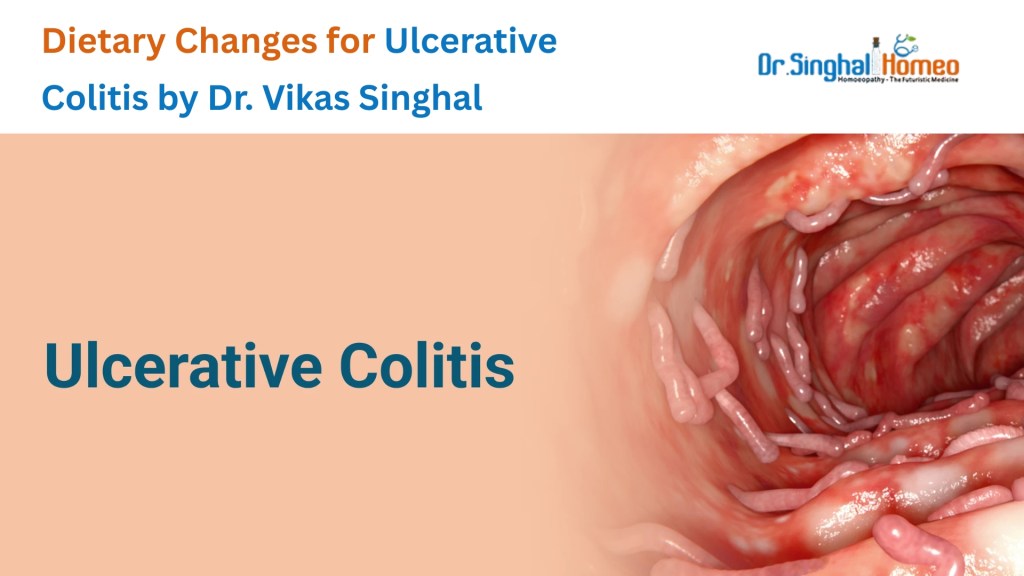
Eating Your Way to Better Health: Dietary Changes to Help Reduce Ulcerative Colitis Symptoms

Living with ulcerative colitis can be challenging, but did you know that making simple changes to your diet could make a big difference in managing your symptoms? Let’s explore how tweaking you’re eating habits can help you feel better and reduce flare-ups. Whether you’re considering a vegetarian diet for ulcerative colitis or just looking to make some small adjustments, we’ve got you covered with practical tips and friendly advice, including dietary changes to help reduce ulcerative colitis symptoms.

Understanding Ulcerative Colitis and Diet

Ulcerative colitis is a type of inflammatory bowel disease that affects the large intestine. While there’s no one-size-fits-all diet for everyone with this condition, many people find that certain foods can trigger symptoms or make them worse. On the flip side, some foods can help reduce inflammation and promote healing. That’s why it’s essential to consider dietary changes to help reduce ulcerative colitis symptoms, which can complement medical treatments and improve overall well-being.

Foods to Embrace: Your New Best Friends

Fiber-Rich Foods: A Gentle Approach

You might have heard that fiber is good for digestion, but with ulcerative colitis, it’s important to approach fiber carefully. Start with soluble fiber, which is easier on your digestive system. Some great options include:

  • Oatmeal
  • Bananas
  • Applesauce
  • Cooked carrots

These foods can help firm up your stool and reduce diarrhea. Remember to introduce fiber slowly and in small amounts to see how your body reacts.

Lean Proteins: Building Blocks for Healing

Protein is essential for repairing and rebuilding tissues in your body. Opt for lean sources of protein that are easy to digest, such as:

  • Skinless chicken or turkey
  • Fish (especially fatty fish like salmon, rich in omega-3s)
  • Eggs
  • Tofu or tempeh (great for those considering a vegetarian diet for ulcerative colitis)
Probiotic-Rich Foods: Your Gut’s Little Helpers

Probiotics are beneficial bacteria that can help improve your gut health. Include these probiotic-rich foods in your diet:

  • Yogurt (make sure it’s live culture)
  • Kefir
  • Sauerkraut
  • Miso

Pro tip: If you’re lactose intolerant, look for dairy-free probiotic options or consider a probiotic supplement after consulting with your doctor.

Foods to Approach with Caution: The Potential Troublemakers

While everyone’s triggers are different, some foods are more likely to cause issues for people with ulcerative colitis. It’s a good idea to be cautious with:

Dairy Products: The Lactose Challenge

Many people with ulcerative colitis find that dairy products can trigger symptoms. If you suspect dairy might be an issue for you, try:

  • Switching to lactose-free milk
  • Exploring plant-based milk alternatives like almond or oat milk
  • Using enzyme supplements to help digest lactose
Spicy and High-Fat Foods: Easy Does It

Spicy foods and those high in fat can be hard on your digestive system. Consider:

  • Reducing your intake of fried foods
  • Opting for baked or grilled options instead
  • Using herbs and mild spices for flavor instead of hot spices
Caffeine and Alcohol: Moderation is Key

Both caffeine and alcohol can irritate your digestive tract. Try:

  • Limiting your coffee intake or switching to decaf
  • Opting for herbal teas instead of caffeinated beverages
  • Reducing or eliminating alcohol consumption
The Vegetarian Diet for Ulcerative Colitis: A Closer Look

If you’re considering a vegetarian diet to help manage your ulcerative colitis symptoms, you’re not alone. Many people find that reducing or eliminating meat can help reduce inflammation in their bodies. It’s one of the common dietary changes to help reduce ulcerative colitis symptoms and support better gut health.

Plant-Based Proteins: Your New Go-To

Make sure you’re getting enough protein from plant sources such as:

  • Legumes (lentils, chickpeas, beans)
  • Nuts and seeds (in moderation, as they can be hard to digest)
  • Quinoa
  • Soy products like tofu and tempeh
Colorful Vegetables: Eat the Rainbow

Aim to include a variety of cooked vegetables in your diet. Different colors often mean different nutrients, so try to “eat the rainbow.” Some good options include:

  • Cooked spinach
  • Roasted sweet potatoes
  • Steamed broccoli
  • Baked squash

Remember to cook your vegetables well, as raw veggies can be harder to digest.

Practical Tips for Implementing Dietary Changes

Changing your diet can feel overwhelming, but here are some friendly tips to make it easier:

  1. Keep a food diary: This can help you identify which foods trigger your symptoms and which ones make you feel better.
  2. Make gradual changes: Don’t try to overhaul your entire diet overnight. Make small changes and give your body time to adjust.
  3. Stay hydrated: Drink plenty of water throughout the day to help keep your digestive system running smoothly.
  4. Eat smaller, more frequent meals: This can be easier on your digestive system than three large meals a day.
  5. Listen to your body: What works for one person might not work for another. Pay attention to how different foods make you feel.

Conclusion: Your Journey to Better Digestive Health

Remember, dietary changes to help reduce ulcerative colitis symptoms are just one part of managing your condition. Always work with your healthcare provider to develop a comprehensive treatment plan that’s right for you. For those exploring holistic and individualized care, Dr. Vikas Singhal at Dr. Singhal Homeo Clinic (Chandigarh) offers homeopathic solutions that may complement your dietary efforts and overall treatment approach. Whether you’re considering a vegetarian diet for ulcerative colitis or just making small tweaks to your eating habits, be patient with yourself and celebrate the small victories along the way.

By paying attention to what you eat and how it affects your body, you’re taking an active role in managing your health. And that’s something to be proud of! Here’s to happier eating and a healthier you!

Contact our expert homeopath at Dr. Singhal Homeo Clinic for tailored advice and holistic support. Contact us today at +91 9056551747 to start your journey toward better gut health!

Design a site like this with WordPress.com
Get started