Are you struggling with genital warts or HPV and seeking a gentle, natural approach to treatment? You’re not alone in this journey. Millions of people worldwide face these challenges, and many are discovering the powerful benefits of homeopathic treatment for genital warts and homeopathy for HPV.
Why Choose Homeopathy for HPV Treatment?
When it comes to treating HPV and genital warts, homeopathy offers a unique advantage. Unlike conventional treatments that often focus on symptom suppression, homeopathic medicine works by strengthening your body’s natural immune system. This approach helps your body fight the virus from within, potentially reducing recurrence and promoting long-term healing.
The beauty of homeopathy lies in its gentle yet effective nature. There are no harsh side effects, no painful procedures, and no damage to healthy tissues. Instead, carefully selected remedies work in harmony with your body’s healing mechanisms.
Finding the Best Doctor for HPV Treatment
Your choice of practitioner can make all the difference in your healing journey. When searching for the best doctor for HPV treatment, experience and expertise matter tremendously. Dr. Vikas Singhal at Dr. Singhal Homeo Clinic in Chandigarh stands out as a leading homeopath with an impressive 23 years of experience in treating complex conditions.
What sets Dr. Singhal apart is his extensive reach and proven success rate. He has been treating patients and sending medicines to 73 countries, demonstrating the global trust in his expertise. This international recognition speaks volumes about the effectiveness of his treatment approach.
Convenient and Comprehensive Care Options
Modern healthcare should adapt to your lifestyle, not the other way around. Dr. Singhal Homeo Clinic offers both online and offline consultation options, making quality homeopathic care accessible regardless of your location. Whether you prefer face-to-face meetings or the convenience of virtual consultations, expert care is just a click away.
The clinic also provides doorstep delivery of medicines, ensuring you never miss a dose of your prescribed treatment. This service is particularly valuable for those dealing with sensitive conditions like HPV, where privacy and convenience are essential.
Beyond Medicine: Complete Wellness Support
Effective HPV treatment extends beyond just prescribing remedies. Dr. Singhal’s approach includes comprehensive diet and lifestyle consultation, recognizing that true healing involves addressing all aspects of your health. Proper nutrition, stress management, and lifestyle modifications play crucial roles in strengthening your immune system and supporting your recovery.
Take the First Step Toward Natural Healing
Your journey toward natural healing from HPV and genital warts can begin today. With proven expertise, convenient consultation options, and a holistic approach to treatment, Dr. Singhal Homeo Clinic offers hope and healing for those seeking effective homeopathic solutions.
Don’t let HPV control your life any longer. Reach out for a consultation and discover how homeopathic treatment can help restore your health naturally and effectively. To get more details about papilloma treatment in homeopathy, call or WhatsApp at +91 9056551747.
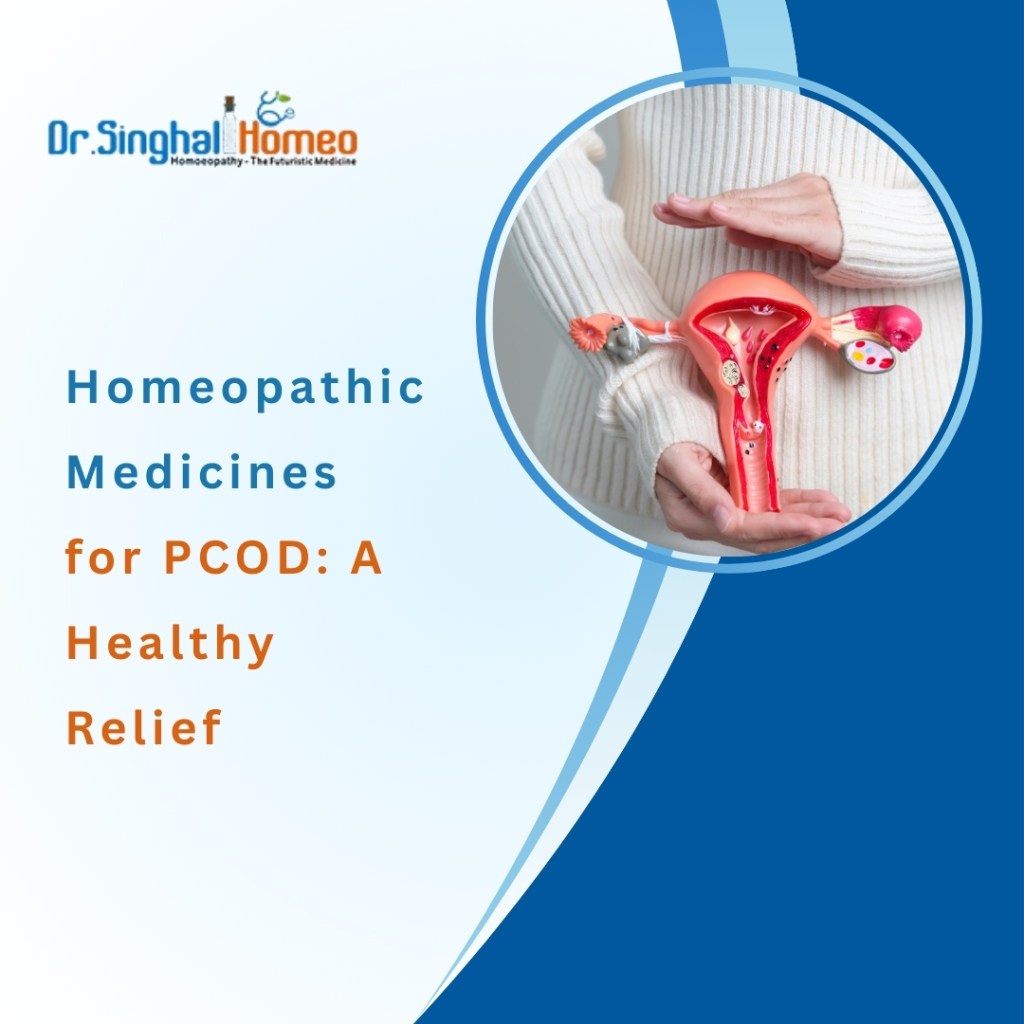
Polycystic Ovarian Disease (PCOD) represents a significant health concern affecting numerous women worldwide. As medical professionals and patients increasingly seek alternative therapeutic approaches, homeopathic medicine for PCOD has emerged as a viable treatment modality worthy of serious consideration. This article examines the principles, applications, and potential benefits of homeopathic interventions in managing PCOD symptoms and underlying pathophysiology.
The growing interest in homeopathic medicine for PCOD stems from its holistic approach to treatment, which addresses both symptomatic relief and constitutional healing. Unlike conventional pharmaceutical interventions that primarily focus on symptom management, homeopathic medicine aims to restore physiological balance through individualized treatment protocols.
Clinical Understanding of PCOD and Treatment Challenges
PCOD constitutes a complex endocrine disorder characterized by hormonal imbalances that manifest through various clinical presentations. The condition typically presents with irregular menstrual cycles, hyperandrogenism, insulin resistance, metabolic dysfunction, and reproductive challenges. These multifaceted symptoms require comprehensive treatment approaches that address the underlying pathophysiology rather than merely suppressing individual symptoms.
Conventional medical treatments for PCOD often include hormonal contraceptives, metformin, and various symptomatic therapies. While these interventions can provide temporary relief, they may present limitations including potential side effects, dependency issues, and failure to address the fundamental hormonal imbalances driving the condition.
Homeopathic medicine for PCOD offers an alternative therapeutic framework that considers the individual’s complete symptom picture, constitutional characteristics, and underlying susceptibility patterns. This approach recognizes that PCOD manifestations vary significantly among patients, necessitating personalized treatment strategies rather than standardized protocols.
Theoretical Framework of Homeopathic Treatment
The application of homeopathic medicine for PCOD operates on established homeopathic principles, including the law of similars, individualization, and minimum dose methodology. The law of similars suggests that substances capable of producing specific symptoms in healthy individuals can treat similar symptoms in diseased states when administered in appropriate dilutions.
Homeopathic treatment protocols for PCOD emphasize constitutional prescribing, which considers the patient’s physical, mental, and emotional characteristics alongside presenting symptoms. This comprehensive assessment enables practitioners to identify the most suitable remedies that correspond to the individual’s unique presentation pattern.
The concept of miasmatic treatment in homeopathy provides additional therapeutic depth for PCOD management. Practitioners evaluate inherited predispositions and acquired susceptibilities that may contribute to hormonal dysregulation, enabling more targeted interventions that address fundamental causes rather than superficial manifestations.
Evidence-Based Homeopathic Remedies for PCOD
Clinical experience and homeopathic literature identify several well-indicated remedies for PCOD management. Sepia officinalis demonstrates particular efficacy in cases presenting with irregular menses, emotional lability, and characteristic physical symptoms including bearing-down sensations and hormonal fluctuations.
Pulsatilla nigricans proves beneficial for patients exhibiting changeable symptoms, emotional sensitivity, and menstrual irregularities that vary in presentation. This remedy addresses both physical symptoms and the emotional components often associated with hormonal imbalances in PCOD patients.
Calcarea carbonica shows clinical effectiveness in managing metabolic aspects of PCOD, particularly in patients presenting with weight management challenges, sluggish metabolism, and constitutional characteristics consistent with this remedy’s symptom profile.
Natrum muriaticum addresses specific presentations involving hair-related symptoms, emotional patterns, and menstrual irregularities characteristic of certain PCOD phenotypes. The remedy’s sphere of action encompasses both physical symptoms and psychological components frequently observed in affected individuals.
These remedies represent established therapeutic options within homeopathic medicine for PCOD, though proper case analysis and individualization remain essential for optimal outcomes.
Clinical Methodology and Treatment Protocols
The implementation of homeopathic medicine for PCOD requires systematic case-taking procedures that document comprehensive symptom presentations, constitutional characteristics, and relevant medical history. Practitioners employ detailed questionnaires and clinical interviews to gather necessary information for accurate remedy selection.
Treatment protocols typically involve initial remedy prescription based on constitutional analysis, followed by regular monitoring and assessment periods. Response evaluation considers both subjective symptom improvements and objective clinical markers when available.
Dosage considerations in homeopathic medicine for PCOD depend on individual sensitivity patterns, symptom severity, and constitutional factors. Practitioners may utilize various potency levels and repetition frequencies based on case-specific requirements and response patterns.
Integration with conventional medical care represents an important consideration in treatment planning. Many patients benefit from coordinated care approaches that combine homeopathic interventions with appropriate conventional monitoring and support measures.
Treatment Outcomes and Clinical Expectations
Clinical observations suggest that homeopathic medicine for PCOD can produce significant improvements in various symptom categories. Menstrual regulation frequently occurs within several months of appropriate treatment, with many patients experiencing more predictable cycles and reduced associated symptoms.
Metabolic improvements, including enhanced insulin sensitivity and weight management, often manifest gradually throughout the treatment process. These changes typically reflect underlying hormonal rebalancing rather than suppressive effects, potentially offering more sustainable outcomes.
Psychological and emotional improvements frequently accompany physical symptom resolution, reflecting homeopathy’s constitutional approach to treatment. Patients often report enhanced mood stability, reduced anxiety, and improved overall well-being alongside physical improvements.
The timeline for therapeutic response varies among individuals, with some patients noting initial improvements within weeks while others require several months for significant clinical changes. Factors influencing response rates include symptom duration, constitutional strength, and treatment compliance.
Conclusion and Clinical Recommendations
Homeopathic medicine for PCOD represents a valuable therapeutic option within comprehensive treatment plans. At Dr Singhal Homeo Clinic, the individualized approach of homeopathy is applied to address the complex and multifaceted nature of PCOD while minimizing potential side effects often associated with conventional treatments.
Patients considering homeopathic medicine for PCOD are guided by experienced practitioners who perform thorough case analysis, select the most suitable remedies, and provide ongoing monitoring to ensure effective outcomes. Integrating homeopathy with broader therapeutic approaches can offer enhanced possibilities for natural, constitutional healing and overall hormonal balance.
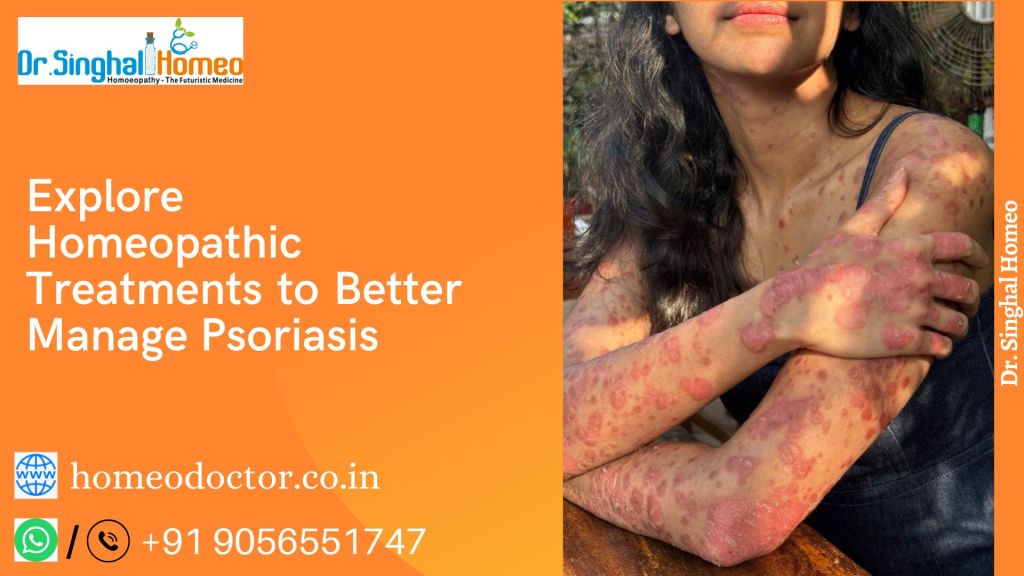
Are you tired of managing psoriasis symptoms with temporary solutions? Millions of people worldwide struggle with this chronic skin condition, searching for effective treatments that address the root cause rather than just masking symptoms. The answer you’ve been looking for might lie in homeopathy for psoriasis.
Why Choose Homeopathy for Psoriasis Treatment?
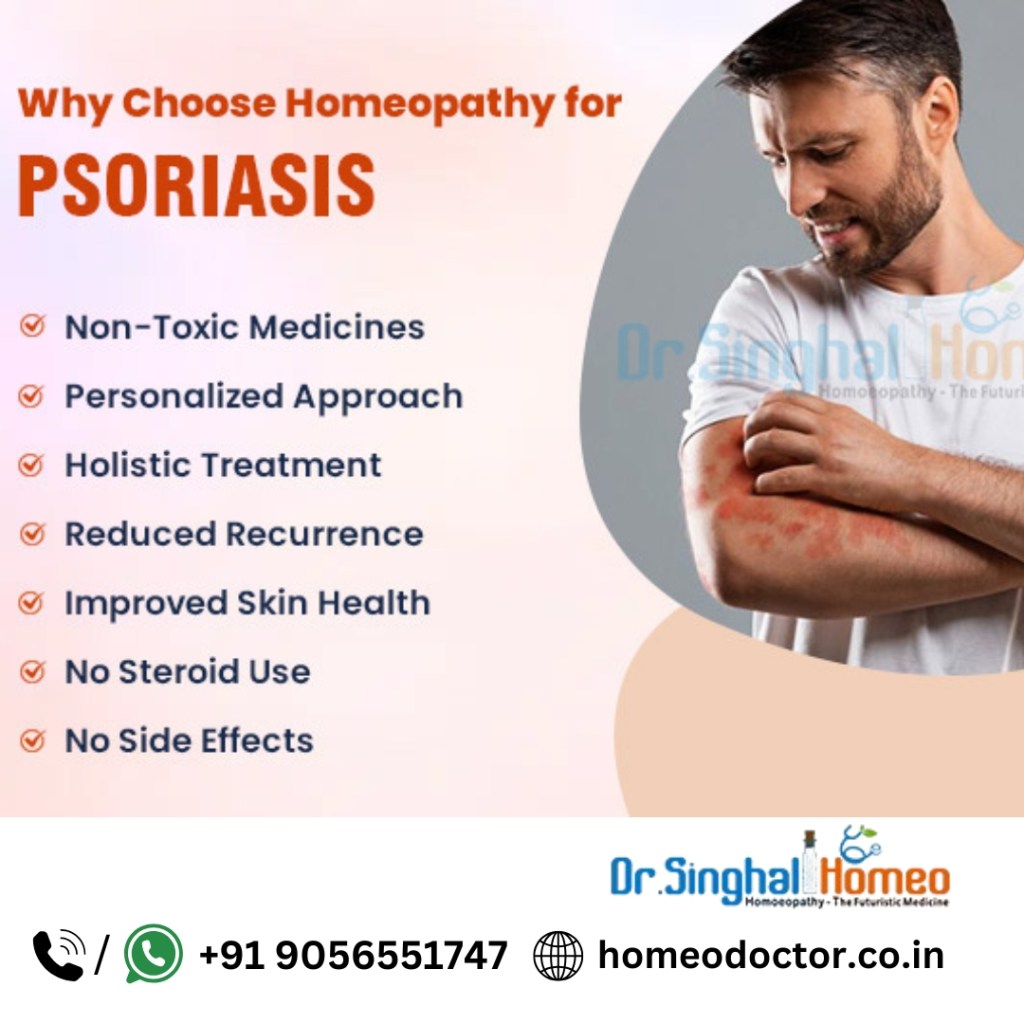
Psoriasis treatment in homeopathy offers a gentle yet powerful approach to healing. Unlike conventional treatments that often come with side effects, homeopathic remedies work with your body’s natural healing processes. This holistic method doesn’t just treat visible symptoms but addresses the underlying imbalances causing your psoriasis.
The beauty of homeopathy lies in its personalized approach. Each patient receives treatment tailored specifically to their unique symptoms, medical history, and constitutional type. This individualized care often leads to better long-term results compared to one-size-fits-all treatments.
Meet Dr. Vikas Singhal: Your Trusted Partner in Healing
When searching for the best doctor for psoriasis treatment, experience and expertise matter immensely. Dr. Vikas Singhal, with his impressive 23 years of experience, has established himself as a leading homeopath in this field. At Dr. Singhal Homeo Clinic in Chandigarh, he has successfully helped countless patients overcome their psoriasis challenges.
What sets Dr. Singhal apart as the best doctor for this condition is his comprehensive approach. His expertise extends beyond just prescribing medicines – he provides complete care including diet and lifestyle consultation that supports your healing journey.
Global Reach, Personal Care
Dr. Singhal’s reputation extends far beyond Chandigarh. His practice reaches patients across 73 countries, proving the effectiveness of his treatment methods. This global reach demonstrates the trust patients worldwide place in his expertise for psoriasis treatment in homeopathy.
Convenient Treatment Options
Understanding that seeking treatment shouldn’t be complicated, Dr. Singhal Homeo Clinic offers:
Online consultation for international and distant patients
Offline consultation for local patients
Doorstep delivery of medicines worldwide
Personalized diet and lifestyle guidance
This flexibility ensures that distance never becomes a barrier to receiving quality homeopathic care for your psoriasis.
Your Path to Healing Starts Today
Choosing homeopathy for psoriasis means choosing a treatment that respects your body’s wisdom while providing effective relief. With Dr. Vikas Singhal’s proven track record and comprehensive approach, you’re not just getting treatment – you’re gaining a partner committed to your complete wellness.
Don’t let psoriasis control your life any longer. Take the first step toward natural, lasting healing by consulting with Dr. Singhal today. Your skin – and your confidence – will thank you for making this important decision toward better health. To get more details, call or WhatsApp at +91 9056551747.
Polycystic Ovarian Disease (PCOD) affects millions of women globally, presenting a complex array of symptoms that significantly impact quality of life. For those seeking alternative treatment approaches, homeopathic medicine for PCOD has emerged as a promising therapeutic option that addresses the condition’s multifaceted nature through natural healing principles.
Unlike conventional treatments that often focus on symptom suppression, homeopathic medicine for PCOD works to restore hormonal balance by treating the individual as a whole. This comprehensive approach considers the interconnected nature of PCOD symptoms and aims to address underlying causes rather than merely managing surface-level manifestations.
Understanding PCOD’s Complex Nature
Polycystic Ovarian Disease represents one of the most common endocrine disorders affecting women of reproductive age. The condition manifests through various symptoms including irregular menstrual cycles, hirsutism, weight management difficulties, insulin resistance, and fertility challenges.
The complexity of PCOD lies in its multisystem involvement. Hormonal imbalances affect insulin sensitivity, androgen production, and reproductive function simultaneously. This interconnected web of physiological disruptions requires treatment approaches that can address multiple systems concurrently.
Homeopathic medicine for PCOD recognizes this complexity and approaches treatment through individualized remedy selection based on constitutional assessment. This methodology considers not only physical symptoms but also emotional states, lifestyle factors, and individual response patterns to environmental stimuli.
Principles of Homeopathic Treatment for PCOD
Homeopathic medicine for PCOD operates on the fundamental principle of “similia similibus curentur” (like cures like), utilizing highly diluted natural substances to stimulate the body’s inherent healing mechanisms. This approach works by triggering the organism’s self-regulatory processes to restore optimal function.
The homeopathic consultation process involves comprehensive case-taking that examines the patient’s complete symptom picture, including physical manifestations, emotional tendencies, general vitality, and constitutional characteristics. This detailed assessment enables practitioners to select remedies that match the individual’s specific pattern of imbalance.
Treatment protocols focus on addressing the root cause of hormonal disruption rather than suppressing symptoms. Many patients report improvements in energy levels and emotional well-being before physical symptoms begin to resolve, indicating the treatment’s systemic effects on overall health.
Evidence-Based Homeopathic Remedies
Several homeopathic medicines have demonstrated efficacy in managing PCOD symptoms through clinical observation and practice. Each remedy targets specific aspects of the condition based on individual presentation patterns.
Sepia officinalis is frequently indicated for patients experiencing irregular menstruation accompanied by emotional detachment and physical exhaustion. This remedy particularly benefits individuals who exhibit indifference toward family responsibilities and experience bearing-down sensations in the pelvic region.
Pulsatilla nigricans addresses cases involving highly variable menstrual patterns and emotional lability. Patients requiring this remedy typically demonstrate changeable moods, prefer cool environments, and experience symptom aggravation during emotional stress.
Calcarea carbonica is prescribed for individuals presenting with PCOD-related weight gain, profuse menstruation, and constitutional coldness. This remedy particularly suits patients with slow metabolism and tendency toward easy fatigue.
Lycopodium clavatum effectively addresses digestive disturbances commonly associated with PCOD, including bloating, flatulence, and carbohydrate cravings. This remedy helps improve insulin sensitivity and metabolic function in susceptible individuals.
Disclaimer: The information provided about homeopathic remedies is for educational purposes only and should not replace professional medical consultation. Individuals should consult qualified homeopathic practitioners for proper remedy selection and dosage recommendations.
Integrative Approach to PCOD Management
Homeopathic medicine for PCOD achieves optimal results when combined with appropriate lifestyle modifications. This integrative approach enhances treatment efficacy by creating supportive conditions for remedy action.
Regular physical activity plays a crucial role in PCOD management by improving insulin sensitivity and promoting healthy hormone metabolism. Moderate exercise such as walking, yoga, or swimming complements homeopathic treatment by supporting the body’s natural regulatory mechanisms.
Stress management represents another vital component of comprehensive PCOD care. Chronic stress disrupts hypothalamic-pituitary-ovarian axis function, potentially interfering with treatment outcomes. Techniques such as meditation, deep breathing exercises, and adequate sleep support the therapeutic process.
Nutritional considerations also influence treatment success. A balanced diet emphasizing whole foods, adequate protein intake, and reduced processed food consumption creates optimal conditions for homeopathic remedies to work effectively.
Treatment Timeline and Expectations
Patients beginning homeopathic medicine for PCOD should understand that improvement typically occurs gradually over several months. The healing process often follows a predictable pattern, with subjective improvements preceding objective symptom resolution.
Initial improvements commonly include enhanced energy levels, improved sleep quality, and better emotional stability. These early changes typically occur within the first two to three months of treatment and indicate positive treatment response.
Physical symptoms such as menstrual irregularities and hirsutism generally require longer treatment periods for significant improvement. Patients should maintain realistic expectations and understand that lasting hormonal balance develops progressively through consistent treatment.
Regular follow-up appointments allow practitioners to monitor treatment progress and adjust remedies as needed. This individualized approach ensures that treatment protocols evolve with changing symptom patterns and overall health improvements.
Professional Guidance and Safety Considerations
Successful homeopathic treatment for PCOD works best under the guidance of an experienced and qualified practitioner who understands women’s hormonal health. At Dr. Singhal Homeo, Dr. Vikas Singhal, a senior classical homeopath with decades of clinical experience, provides individualized homeopathic care for PCOD patients. His approach focuses on correct remedy selection, appropriate dosage, and regular monitoring to ensure safe and effective results.
Dr. Vikas Singhal emphasizes a collaborative and transparent treatment plan, encouraging patients to openly discuss all ongoing therapies for balanced care. Homeopathic medicine for PCOD is gentle, safe for long-term use, and aims to improve hormonal balance, menstrual health, and overall well-being. With professional supervision at Dr. Singhal Homeo, many women experience meaningful symptom relief and a better quality of life through natural healing.
Trigeminal neuralgia represents one of the most challenging neurological conditions, characterized by severe, stabbing facial pain that significantly impacts patients’ quality of life. As healthcare providers and patients seek alternatives to conventional pharmaceutical interventions, homeopathic treatment for trigeminal neuralgia has emerged as a promising complementary therapeutic approach that warrants careful consideration and analysis.
The condition affects the trigeminal nerve, the fifth cranial nerve responsible for facial sensation, and manifests as sudden, excruciating pain episodes that can severely compromise daily functioning. This examination explores the potential benefits, mechanisms, and clinical applications of homeopathic remedies in managing this debilitating condition.
Clinical Understanding of Trigeminal Neuralgia
Trigeminal neuralgia affects approximately 4-5 individuals per 100,000 population annually, with higher prevalence among women and individuals over 50 years of age. The condition presents as unilateral facial pain following the distribution of one or more trigeminal nerve branches, typically manifesting as sharp, electric shock-like sensations.
The etiology often involves vascular compression of the trigeminal nerve root, though secondary causes including multiple sclerosis or tumors may also contribute. Patients frequently report that light tactile stimulation of specific trigger zones can precipitate severe pain episodes, leading to significant functional impairment.
Conventional treatment protocols primarily rely on anticonvulsant medications, with carbamazepine serving as first-line therapy. However, these pharmacological interventions often present challenges including dose-dependent side effects, drug tolerance, and potential contraindications that limit their long-term viability.
The Scientific Foundation of Homeopathic Intervention
Homeopathic treatment for trigeminal neuralgia operates on fundamental principles established by Samuel Hahnemann. The therapeutic approach emphasizes individualized treatment protocols based on the totality of symptoms, constitutional factors, and patient-specific characteristics.
The homeopathic methodology involves highly diluted preparations of natural substances that, when administered in larger quantities to healthy individuals, would produce similar symptoms. This principle of similitude forms the cornerstone of homeopathic prescribing and guides remedy selection for trigeminal neuralgia cases.
Evidence-Based Homeopathic Remedies
Clinical experience documents several remedies that demonstrate particular efficacy in treating trigeminal neuralgia symptoms. Remedy selection requires careful analysis of symptom patterns, pain characteristics, and individual patient presentations.
Spigelia represents one of the most frequently indicated remedies for trigeminal neuralgia, particularly when patients experience sharp, shooting pains that radiate along nerve pathways. Clinical observations suggest individuals who respond favorably typically present with left-sided facial pain that intensifies with movement, touch, or cold air exposure.
Magnesium Phosphoricum: Neural Tissue Support
This tissue salt remedy addresses conditions involving nerve irritation and spasmodic pain patterns. Magnesium Phosphoricum shows promise when patients report that warmth and pressure provide temporary relief, while cold exposure exacerbates their condition.
Aconitum Napellus: Acute Symptom Management
Aconite addresses acute onset neuralgic conditions, particularly those triggered by cold exposure or emotional stress. The remedy demonstrates effectiveness in cases where episodes begin suddenly and present with intense, burning pain accompanied by anxiety.
Colocynthis: Cramping and Tearing Pain
This remedy addresses neuralgic conditions characterized by cramping, tearing pain that improves with firm pressure and warmth. Patients who respond to Colocynthis often report pain following specific nerve distributions accompanied by numbness or tingling sensations.
Treatment Protocols and Clinical Considerations
Implementing homeopathic treatment for trigeminal neuralgia requires careful assessment of individual patient presentations and systematic monitoring of treatment responses. Healthcare providers conduct comprehensive consultations exploring physical symptoms and constitutional factors influencing remedy selection.
The treatment process begins with detailed case taking examining pain characteristics, triggering factors, and associated symptoms. Practitioners typically recommend starting with lower potencies and gradually adjusting based on patient response.
Integration with Conventional Care
Homeopathic treatment for trigeminal neuralgia can be safely integrated with conventional medical approaches, allowing patients to maintain current treatments while exploring complementary options. This integrative approach provides treatment flexibility and may enable gradual reduction of pharmaceutical interventions.
Healthcare providers emphasize maintaining open communication between all treating practitioners to ensure coordinated care and optimal patient outcomes.
Conclusion
The evidence supporting homeopathic treatment for trigeminal neuralgia continues to grow as healthcare providers and patients explore natural therapeutic alternatives. The individualized approach offers unique advantages in addressing complex symptom patterns associated with this challenging neurological condition.
While conventional treatments remain important for severe cases, homeopathic interventions provide valuable options for patients seeking gentler approaches to symptom management. Future research will likely provide additional insights into optimal treatment protocols and patient selection criteria.
Disclaimer: This information is provided for educational purposes only and should not replace professional medical consultation or guidance regarding individual treatment decisions.
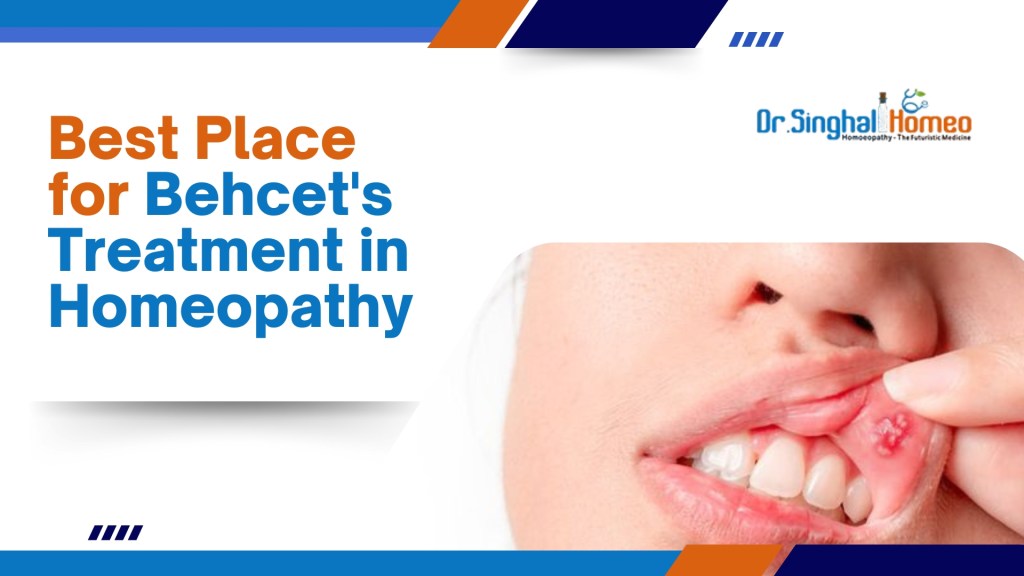
Behçet’s disease presents significant challenges for patients worldwide, often requiring specialized medical intervention and long-term management strategies. As individuals seek alternative therapeutic approaches beyond conventional medicine, homeopathy for Behçet has emerged as a viable treatment option. The selection of an experienced practitioner becomes paramount in achieving optimal therapeutic outcomes, particularly when considering the complex nature of this autoimmune condition.
Clinical Understanding of Behçet’s Disease and Homeopathic Intervention
Behçet’s disease manifests as a chronic, multisystemic inflammatory disorder characterized by recurrent oral and genital ulcerations, ocular involvement, and dermatological manifestations. Conventional medical approaches typically employ immunosuppressive therapies and corticosteroids to manage acute symptoms. However, homeopathic medicine offers an alternative therapeutic framework that addresses the underlying constitutional imbalances contributing to disease progression.
The homeopathic approach to Behçet’s disease operates on the principle of individualized treatment, considering the patient’s complete symptom profile, constitutional type, and overall health status. This methodology seeks to restore immune system balance while addressing the fundamental pathophysiology of the condition. Clinical evidence suggests that homeopathic intervention may provide sustained symptom relief while minimizing adverse effects commonly associated with conventional immunosuppressive treatments.
Dr. Vikas Singhal: Distinguished Clinical Expertise in Homeopathic Medicine
In the field of homeopathic treatment for autoimmune conditions, Dr. Vikas Singhal stands as a recognized authority with extensive clinical experience spanning 23 years. His practice at Dr. Singhal Homeo Clinic in Chandigarh has established a reputation for excellence in treating complex medical conditions, including Behçet’s disease, through evidence-based homeopathic protocols.
Dr. Singhal’s clinical practice demonstrates remarkable international scope, having successfully treated patients across 73 countries worldwide. This extensive global experience provides valuable insights into diverse presentations of Behçet’s disease across different populations and geographical regions, enhancing his therapeutic expertise and treatment outcomes.
Professional Qualifications and Clinical Excellence
The selection of the best doctor for Behçet’s treatment requires careful consideration of several critical factors:
Extensive Clinical Experience: Dr. Singhal’s two-decade tenure in homeopathic practice has resulted in comprehensive expertise in managing autoimmune conditions
International Recognition: Treatment of patients across 73 countries demonstrates exceptional clinical competence and global trust
Individualized Treatment Protocols: Development of personalized therapeutic plans based on detailed case analysis and constitutional assessment
Comprehensive Patient Care: Integration of homeopathic treatment with dietary and lifestyle recommendations for optimal health outcomes
Advanced Healthcare Delivery Models
Dr. Singhal’s practice incorporates modern healthcare delivery methods to ensure accessibility and continuity of care for patients regardless of geographical constraints. This comprehensive approach addresses the practical challenges often encountered when seeking specialized medical treatment.
Telemedicine Consultation Services
The implementation of online consultation services represents a significant advancement in healthcare accessibility. Dr. Singhal conducts thorough virtual assessments that maintain the same clinical standards as traditional in-person consultations. These sessions involve detailed symptom evaluation, comprehensive medical history review, and development of appropriate therapeutic interventions tailored to individual patient needs.
Traditional Clinical Consultations
For patients requiring physical examination or those preferring direct consultation, Dr. Singhal Homeo Clinic in Chandigarh provides comprehensive offline consultation services. The clinic maintains professional standards and provides an optimal environment for thorough patient assessment and treatment planning.
Medicine Delivery Services
The clinic’s doorstep delivery system ensures uninterrupted access to prescribed homeopathic medications. This service maintains treatment continuity and eliminates potential barriers to medication compliance, particularly important for patients managing chronic conditions such as Behçet’s disease.
Integrative Approach to Patient Care
Dr. Vikas Singhal’s treatment methodology extends beyond medicine intervention to encompass comprehensive lifestyle and dietary modifications. This holistic approach recognizes the multifactorial nature of Behçet’s disease and addresses various contributing elements to achieve optimal therapeutic outcomes.
Evidence-Based Nutritional Counseling
Nutritional intervention plays a crucial role in managing inflammatory conditions. Dr. Singhal provides scientifically-informed dietary recommendations designed to complement homeopathic treatment protocols. These nutritional guidelines are specifically formulated based on individual patient assessments and current clinical evidence regarding anti-inflammatory dietary approaches.
Lifestyle Modification Programs
Effective management of Behçet’s disease requires comprehensive lifestyle adjustments addressing stress management, sleep hygiene, and appropriate physical activity. Dr. Singhal’s consultation services include detailed lifestyle modification recommendations designed to support therapeutic outcomes and prevent disease exacerbation.
Clinical Excellence in Homeopathic Practice
The pursuit of optimal treatment outcomes for Behçet’s disease requires collaboration with experienced medical professionals who possess specialized knowledge in both the condition and therapeutic modalities. Dr. Vikas Singhal’s extensive clinical experience, international recognition, and comprehensive approach to patient care establish him as a leading practitioner in homeopathic medicine.
Patients seeking effective, natural therapeutic approaches for Behçet’s disease management will find Dr. Singhal’s practice offers evidence-based treatment protocols, accessible healthcare delivery options, and comprehensive support services. The combination of clinical expertise, modern healthcare technology, and patient-centered care creates an optimal environment for achieving meaningful therapeutic outcomes.
Those considering homeopathic treatment for Behçet disease are encouraged to pursue consultation with qualified practitioners who demonstrate proven clinical expertise and comprehensive understanding of this complex autoimmune condition. Dr. Singhal’s practice represents an excellent resource for patients seeking specialized homeopathic care with convenient access to treatment and ongoing support services.
Living with psoriasis can feel overwhelming, but there’s good news! Many people are finding relief through homeopathic medicine for psoriasis. This gentle, natural approach offers hope for those seeking alternatives to conventional treatments. Let’s explore how homeopathic medicines can help manage psoriasis symptoms and improve your quality of life.
Understanding Psoriasis and Homeopathy
Psoriasis affects millions of people worldwide, causing red, scaly patches on the skin. While conventional medicine focuses on suppressing symptoms, homeopathic treatment takes a different approach. It works by stimulating your body’s natural healing abilities, addressing the root causes rather than just the surface symptoms.
The beauty of homeopathic medicines for psoriasis treatment lies in their gentle nature. These remedies are made from natural substances and are highly diluted, making them safe for long-term use without harsh side effects.
Top Homeopathic Remedies for Psoriasis
Arsenicum Album
This remedy works wonderfully for people with burning, itching skin. If your psoriasis gets worse in cold weather and you feel anxious about your condition, Arsenicum Album might be your answer.
Graphites
Perfect for those dealing with thick, crusty patches that crack and ooze. Graphites helps heal stubborn lesions, especially behind the ears and on the scalp.
Sulphur
Known as the “king of remedies,” Sulphur is excellent for itchy, burning skin that feels worse with heat and washing. It’s particularly helpful for people who scratch until bleeding occurs.
The Benefits You Can Expect
Homeopathic medicine for psoriasis offers several advantages:
No harmful side effects
Addresses underlying immune system imbalances
Improves overall well-being
Can be used alongside other treatments
Suitable for all ages
Starting Your Healing Journey
The key to successful homeopathic treatment is finding the right remedy for your specific symptoms. Each person’s psoriasis manifests differently, so what works for one person may not work for another. This individualized approach is what makes homeopathy so effective.
Consider keeping a symptom diary noting when flare-ups occur, what triggers them, and how your skin responds to different conditions. This information helps in selecting the most appropriate homeopathic medicine for your psoriasis treatment.
Moving Forward with Confidence
Remember, healing takes time, and homeopathic treatment is no exception. Most people begin noticing improvements within a few weeks to months of consistent treatment. With the right guidance, the journey toward healthier skin becomes smoother and more hopeful.
At Dr. Singhal Homeo, Dr. Vikas Singhal, a renowned homeopathic specialist for psoriasis, provides personalized treatment based on your unique symptoms and overall health. His holistic approach helps reduce flare-ups, improve skin texture, and enhance long-term skin healing.
Your psoriasis doesn’t have to control your life. With expert homeopathic medicines for psoriasis treatment, you’re choosing a natural and effective path toward better skin health. Take the first step toward relief and recovery today! For consultations, contact: +91 9056551747.
If you’re reading this, chances are you’re tired of the throbbing pain that comes with migraine headaches. The good news? You’re not alone, and there are gentle, natural options that might help you find relief. Homeopathy for migraine headache has been offering hope to people for over 200 years, and it could be the answer you’ve been looking for.
What Makes Homeopathy Different for Migraines
Homeopathy takes a unique approach to treating migraine headaches. Instead of just masking the pain, it aims to treat the whole person. This means looking at your specific symptoms, what triggers your migraines, and how they affect you personally.
The beauty of homeopathy for migraine headache treatment lies in its gentle nature. These remedies work with your body’s natural healing processes rather than against them. Many people find this approach refreshing, especially if they’ve experienced side effects from conventional medications.
Common Homeopathic Remedies for Migraines
Several homeopathic remedies have shown promise for different types of migraine headaches:
Belladonna often helps with sudden, intense headaches that feel throbbing
Bryonia may work well for headaches that worsen with movement
Nux vomica could be helpful for stress-related migraines
Iris versicolor is sometimes used for migraines with nausea and vision problems
Remember, the right remedy depends on your unique symptoms and constitution. What works wonderfully for your friend might not be the best choice for you.
Finding the Right Treatment Path
Working with a qualified homeopathic practitioner can make all the difference in your journey with homeopathy for migraine headache relief. They’ll take time to understand your complete health picture, including when your migraines started, what makes them better or worse, and how they impact your daily life.
Many people start seeing improvements within a few weeks, though everyone’s timeline is different. The encouraging part is that homeopathic treatment often gets better with time, as your body learns to maintain better balance naturally.
A Gentle Approach to Lasting Relief
What’s particularly hopeful about homeopathy for migraine headache treatment is its focus on long-term wellness. While conventional pain relievers might provide quick relief, homeopathy aims to reduce the frequency and intensity of your migraines over time.
The treatment is also safe to use alongside other therapies, making it a flexible option for your health toolkit. Many people combine homeopathy with lifestyle changes like better sleep habits, stress management, and dietary adjustments for even better results.
Your journey to migraine relief doesn’t have to involve harsh side effects or dependency concerns. Homeopathy offers a gentle, personalized path forward that respects your body’s natural wisdom while addressing the root causes of your pain.
Living with asthma doesn’t have to mean accepting a life limited by breathing difficulties. More people are discovering that asthma homeopathy treatment offers a gentle, natural path toward better respiratory health. If you’re tired of relying solely on conventional medications or looking for ways to support your current treatment, homeopathy might be the answer you’ve been searching for.
Understanding How Homeopathy Works for Asthma
Asthma homeopathy treatment takes a completely different approach than traditional medicine. Instead of just managing symptoms, homeopathy aims to strengthen your body’s natural healing abilities. This treatment method looks at you as a whole person, considering your specific symptoms, triggers, and overall health pattern.
The beauty of homeopathic treatment lies in its gentle nature. These remedies work by stimulating your immune system to respond better to asthma triggers. Many people find that over time, their breathing becomes easier and their attacks less frequent.
Common Homeopathic Remedies for Asthma Relief
Several well-researched homeopathic medicines have shown promising results for asthma sufferers:
Arsenicum Album helps when you feel anxious about your breathing, especially at night
Ipecacuanha works well for asthma with lots of mucus and nausea
Natrum Sulphuricum is often used for asthma triggered by damp weather
Antimonium Tartaricum helps when breathing feels heavy and congested
Each remedy targets specific symptom patterns, which is why working with a qualified homeopath is so important for your asthma homeopathy treatment plan.
Expert Care Makes All the Difference
When seeking asthma homeopathy treatment, finding the right practitioner is crucial for your success. Dr. Vikas Singhal, a renowned classical homeopathic doctor, has helped countless patients find relief from their asthma symptoms through personalized treatment approaches. His expertise in treating respiratory conditions demonstrates how skilled homeopathic care can make a real difference in managing asthma naturally.
What to Expect During Treatment
Starting homeopathic treatment for asthma is an encouraging process. Your practitioner will spend considerable time understanding your unique symptoms, lifestyle, and health history. This detailed approach helps them select the most suitable remedy for your specific situation.
Most people notice gradual improvements over several weeks or months. You might find that your breathing becomes steadier, you sleep better, and your overall energy improves. The best part? These positive changes often continue building over time.
Taking the Next Step Forward
Your journey toward better breathing through asthma homeopathy treatment can begin today. While homeopathy offers real hope for managing asthma naturally, remember to work alongside your current healthcare team. Many people successfully combine homeopathic treatment with their existing asthma management plan.
Consider consulting with a certified homeopathic practitioner who has experience treating respiratory conditions. They can create a personalized treatment approach that fits your specific needs and health goals.
The path to easier breathing and improved quality of life is within reach. With patience and the right homeopathic support, many people find significant relief from their asthma symptoms and discover a renewed sense of hope for their health future.
Frequently Asked Questions
Is homeopathic treatment safe for children with asthma?
Yes, homeopathic remedies are generally safe for children when prescribed by a qualified practitioner. The gentle nature of these medicines makes them well-suited for young patients, though it’s important to work with your child’s pediatrician as well.
How long does it take to see improvements with asthma homeopathy treatment?
Most people begin noticing positive changes within 4-8 weeks of starting treatment. However, significant improvements often develop over 3-6 months as your body’s natural healing responses strengthen.
Can I stop my conventional asthma medications when using homeopathy?
Never stop prescribed asthma medications without consulting your doctor first. Many people successfully use homeopathy alongside their conventional treatments, gradually reducing dependency under medical supervision.
Will homeopathic treatment work for severe asthma cases?
Homeopathy can provide support for all types of asthma, including severe cases. However, severe asthma requires careful medical monitoring, and homeopathic treatment should complement, not replace, emergency medications and proper medical care.
Are there any side effects from homeopathic asthma treatments?
Homeopathic remedies are known for their minimal side effects. Some people may experience temporary symptom changes as their body adjusts, but serious adverse reactions are extremely rare when treatment is properly administered.
How do I know if homeopathy is working for my asthma?
Signs that homeopathy is helping include easier breathing, fewer asthma attacks, better sleep quality, increased energy levels, and reduced reliance on rescue inhalers. Your homeopathic doctor will monitor these improvements during regular follow-ups.
Living with herpes can feel overwhelming and isolating for many individuals. The constant worry about outbreaks, the physical discomfort, and the emotional burden can take a serious toll on one’s quality of life. For those who have been searching for effective, natural alternatives to conventional treatments, they are not alone. Many people are discovering the powerful benefits of homeopathic treatment for herpes, finding relief that goes beyond just managing symptoms.
Understanding Herpes and Why Natural Treatment Matters
Herpes is more common than most people might think, affecting millions of individuals worldwide. This viral infection, caused by herpes simplex virus (HSV-1 or HSV-2), creates recurring outbreaks that can be both physically painful and emotionally distressing. While conventional medicine offers antiviral medications, these often come with side effects and only suppress symptoms temporarily.
This is where homeopathy for herpes shines as a gentle yet effective alternative. Unlike conventional treatments that focus solely on suppressing the virus, homeopathic treatment works by strengthening the body’s natural immune response and addressing the root causes of frequent outbreaks.
How Homeopathic Treatment for Herpes Works
Homeopathy operates on the principle that the human body has an incredible ability to heal itself when given the right support. For herpes treatment, homeopathic remedies work in several ways:
Boost the immune system to fight the virus naturally
Reduce the frequency and intensity of outbreaks
Minimize pain and discomfort during active episodes
Address emotional stress that often triggers outbreaks
Improve overall health and vitality
The beauty of homeopathic treatment lies in its individualized approach. Rather than using a one-size-fits-all solution, homeopathy considers each patient’s unique symptoms, emotional state, and overall health picture to create a personalized treatment plan.
Meet Dr. Vikas Singhal: A Trusted Partner in Healing
When patients search for the best doctor for herpes treatment, experience and expertise matter tremendously. Dr. Vikas Singhal, the founder of Dr. Singhal Homeo Clinic in Chandigarh, brings an impressive 23 years of experience in homeopathic medicine to his patients’ healing journeys.
What sets Dr. Singhal apart is not just his extensive experience, but his remarkable reach and success rate. He has been treating patients and sending medicines to 73 countries, helping thousands of people find relief from herpes and other chronic conditions. This global recognition speaks volumes about the effectiveness of his treatment approach.
Why Dr. Singhal is Considered the Best Doctor for Herpes Treatment
Dr. Singhal’s reputation as a leading homeopath stems from several key factors:
Comprehensive Understanding: With over two decades of practice, Dr. Singhal has developed deep insights into how herpes affects different individuals and what treatments work best for various cases.
Global Success: The fact that patients from 73 countries seek his treatment demonstrates the consistent results he achieves in herpes management.
Personalized Care: Every patient receives individual attention, with treatments tailored specifically to their symptoms and overall health condition.
Holistic Approach: Beyond just treating herpes symptoms, Dr. Singhal focuses on strengthening patients’ entire immune systems and overall well-being.
Convenient Treatment Options That Fit Patients’ Lives
Understanding that seeking treatment for herpes can feel sensitive and personal, Dr. Singhal Homeo Clinic offers flexible consultation options to make patients’ healing journeys as comfortable as possible.
Online and Offline Consultations
Whether patients prefer face-to-face interaction or the privacy of online consultation, Dr. Singhal accommodates their preferences. Online consultations are particularly beneficial for herpes patients who may feel more comfortable discussing their condition from the privacy of their own homes.
Doorstep Delivery of Medicines
One of the most convenient features of choosing Dr. Singhal for homeopathic treatment is the doorstep delivery service. This means patients can receive their personalized medicines without any hassle, ensuring consistent treatment without interruption.
Beyond Medicine: Complete Lifestyle Support
What truly makes Dr. Singhal the best doctor for herpes treatment is his comprehensive approach that goes beyond just prescribing medicines. He provides detailed diet and lifestyle consultation that plays a crucial role in managing herpes effectively.
Diet Recommendations
Certain foods can trigger herpes outbreaks while others can help prevent them. Dr. Singhal provides personalized dietary guidance that includes:
Foods rich in lysine that help suppress the virus
Anti-inflammatory foods that reduce outbreak severity
Foods to avoid that may trigger outbreaks
Nutritional supplements that support immune function
Lifestyle Modifications
Stress is a major trigger for herpes outbreaks. Dr. Singhal’s lifestyle consultation covers stress management techniques, sleep optimization, and daily habits that support the body’s natural healing processes.
Taking the First Step Toward Healing
For those who have been struggling with herpes and searching for effective, natural treatment options, homeopathic treatment offers real hope for lasting relief. Dr. Vikas Singhal’s proven track record, extensive experience, and comprehensive approach make him an ideal choice for patients’ healing journeys.
The combination of personalized homeopathic medicines, convenient consultation options, doorstep delivery, and complete lifestyle support creates a treatment experience that addresses not just symptoms, but patients’ overall well-being.
Individuals don’t have to let herpes continue to control their lives. With the right homeopathic treatment and expert guidance, they can significantly reduce outbreaks, manage symptoms effectively, and reclaim their confidence and peace of mind. Contacting Dr. Singhal Homeo Clinic today can begin their journey toward better health and freedom from herpes symptoms.

 health