Warts and Homeopathic Medicine: A Comprehensive Guide

Introduction

Warts are common skin growths caused by the human papillomavirus (HPV). While they are generally harmless, many individuals seek treatment for cosmetic reasons or due to discomfort. In recent years, homeopathic medicine has gained attention as a potential alternative treatment for warts. This article aims to provide a comprehensive overview of warts and the use of homeopathic medicine in their management.

Understanding Warts

What Are Warts?

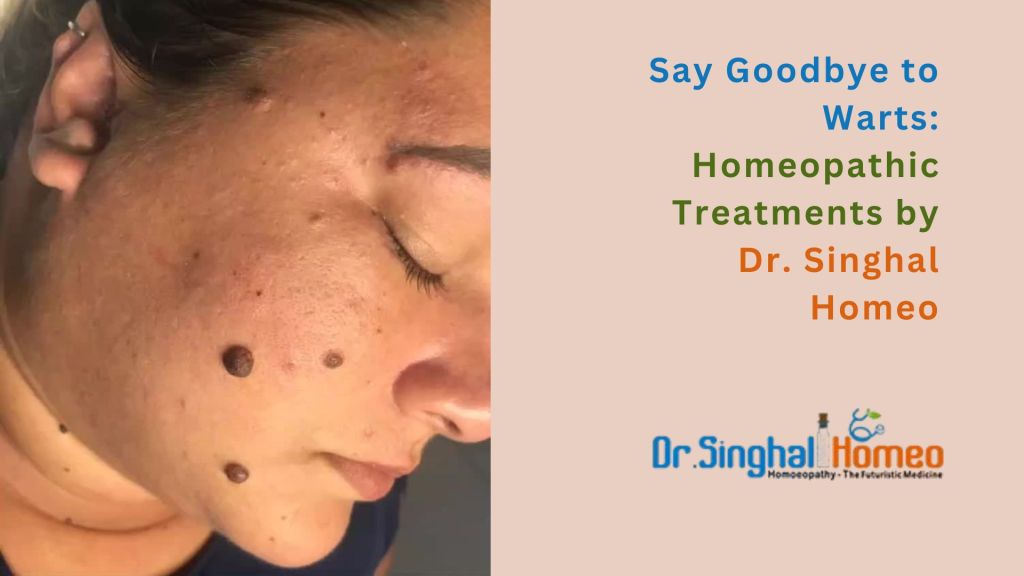
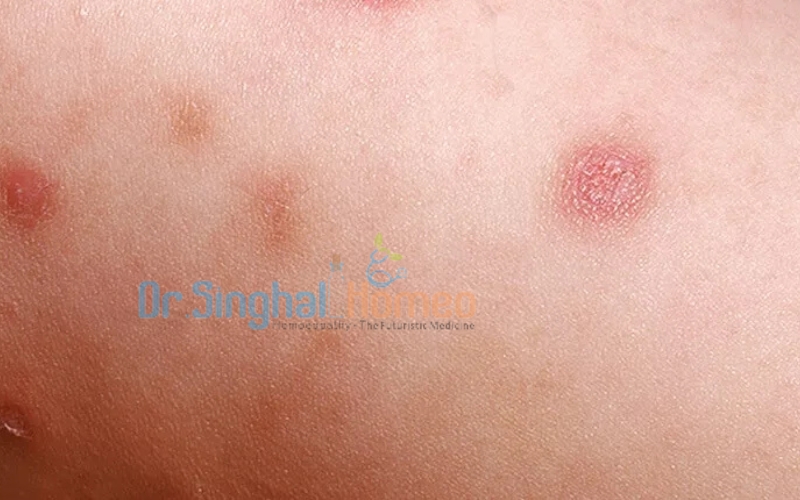
Warts are benign skin growths that occur when the human papillomavirus infects the top layer of skin. They can appear on various parts of the body and are typically rough to the touch.

Types of Warts

There are several types of warts, including:

  • Common warts
  • Plantar warts
  • Flat warts
  • Filiform warts
  • Periungual warts

Causes and Risk Factors

The primary cause of warts is the human papillomavirus. Risk factors for developing warts include:

  • Direct contact with infected individuals
  • Compromised immune system
  • Skin injuries or breaks
  • Frequent use of public spaces like swimming pools or locker rooms

Conventional Treatments for Warts

Before delving into homeopathic approaches, it’s important to understand the conventional treatments available for warts:

  • Topical medications (e.g., salicylic acid)
  • Cryotherapy (freezing)
  • Electrocautery
  • Laser therapy
  • Surgical excision

While these treatments can be effective, they may come with side effects or require multiple sessions.

Introduction to Homeopathy

Principles of Homeopathy

Homeopathy is a form of alternative medicine based on the principle of “like cures like.” It involves using highly diluted substances that, in larger amounts, would produce symptoms similar to those of the condition being treated.

Homeopathic Approach to Warts

In warts homeopathy medicine, warts are viewed as a manifestation of an underlying imbalance in the body’s vital force. Treatment aims to stimulate the body’s natural healing processes rather than directly attacking the wart.

Homeopathic Medicines for Warts

Thuja Occidentalis

Thuja Occidentalis is one of the most commonly prescribed homeopathic medicines for warts. It is particularly indicated for:

  • Warts with a cauliflower-like appearance
  • Warts on the hands, feet, or genitals
  • Warts that are large and painful

Antimonium Crudum

Antimonium Crudum is often recommended for:

  • Hard, smooth warts
  • Warts on the soles of the feet
  • Warts associated with digestive disturbances

Causticum

Causticum may be prescribed for:

  • Large, jagged warts
  • Warts on the fingertips or around the nails
  • Warts that bleed easily

Nitric Acidum

Nitric Acidum is typically used for:

  • Warts with a pedunculated appearance (attached by a stalk)
  • Warts that are painful or bleed easily
  • Warts on mucous membranes

Dulcamara

Dulcamara is often considered for:

  • Warts that worsen in cold, damp weather
  • Flat warts on the face or hands
  • Warts in children

Selecting the Right Homeopathic Medicine

The selection of the appropriate homeopathic remedy is crucial for effective treatment. Factors considered include:

  • The appearance and location of the wart
  • Associated symptoms
  • Individual constitution and overall health

It’s important to note that homeopathic treatment is highly individualized, and what works for one person may not work for another with seemingly similar symptoms.

Administration of Homeopathic Medicines

Homeopathic medicines for warts are typically administered in the following forms:

  • Oral pellets or tablets
  • Liquid dilutions
  • Topical applications (in some cases)

The potency and frequency of dosing are determined by a qualified homeopathic practitioner based on the individual case.

Expected Course of Treatment

The duration of homeopathic treatment for warts can vary significantly among individuals. Some may see improvement within a few weeks, while others may require several months of treatment. Factors influencing the treatment duration include:

  • The size and number of warts
  • The individual’s overall health and immune function
  • Adherence to the prescribed treatment regimen

It’s important for patients to maintain regular follow-ups with their homeopathic practitioner to monitor progress and adjust treatment as needed.

Potential Benefits of Homeopathic Treatment for Warts

Proponents of homeopathy cite several potential benefits:

  • Non-invasive nature of treatment
  • Minimal side effects
  • Holistic approach addressing overall health
  • Potential for long-term resolution

However, it’s crucial to note that scientific evidence supporting the efficacy of homeopathy for warts is limited, and more research is needed in this area.

Limitations and Considerations

While homeopathy may offer a gentle approach to treating warts, there are several important considerations:

  • Lack of robust scientific evidence: Many conventional medical professionals argue that the principles of homeopathy are not scientifically plausible.
  • Variability in response: Not all individuals respond to homeopathic treatment, and results can be unpredictable.
  • Potential delay in effective treatment: Relying solely on homeopathy may delay the use of proven conventional treatments, particularly for persistent or problematic warts.
  • Regulatory concerns: The regulation of homeopathic products varies by country, and quality control can be an issue.

Integrating Homeopathy with Conventional Care

For individuals considering homeopathic treatment for warts, it’s advisable to:

  • Consult with a qualified healthcare provider for proper diagnosis
  • Discuss the use of homeopathy with both a homeopathic practitioner and a conventional medical doctor
  • Consider homeopathy as a complementary approach rather than a replacement for proven treatments
  • Monitor the warts closely and seek medical attention if there are signs of progression or complications

Lifestyle Measures to Support Treatment

Regardless of the chosen treatment approach, certain lifestyle measures can support the management of warts:

  • Maintaining good hygiene to prevent spread
  • Boosting immune function through a balanced diet and regular exercise
  • Avoiding picking or scratching warts
  • Protecting the skin from excessive moisture or friction

Conclusion

Warts homeopathy medicine offers an alternative approach to treating warts that some individuals find appealing due to its gentle nature and holistic philosophy. While there are anecdotal reports of success, the scientific evidence supporting its efficacy remains limited. Patients considering homeopathic treatment for warts should approach it with realistic expectations, ideally under the guidance of qualified healthcare professionals who can provide balanced advice and monitor progress. As with any medical condition, a comprehensive approach that considers all available treatment options and individual patient factors is likely to yield the best outcomes in managing warts.

Exploring Homeopathic Medicine for PCOD: A Comprehensive Guide

Understanding PCOD and Its Challenges

Polycystic Ovary Syndrome (PCOS) or Polycystic Ovarian Disease (PCOD) is a common endocrine disorder affecting women of reproductive age. This condition can cause a range of symptoms, including irregular menstrual cycles, weight gain, acne, and fertility issues. For many women and their families, finding effective treatments for PCOD can be a challenging journey. In recent years, homeopathic medicine has gained attention as a potential alternative or complementary approach to managing PCOD symptoms.

The Basics of Homeopathic Medicine

Homeopathy is a holistic system of medicine developed in the late 18th century by Samuel Hahnemann. It is based on the principle of “like cures like,” which suggests that a substance that causes symptoms in a healthy person can be used in small doses to treat similar symptoms in a sick person. Homeopathic remedies are highly diluted and are believed to stimulate the body’s natural healing processes.

Key Principles of Homeopathy:

  • Individualized treatment
  • Minimal dose
  • Single remedy
  • Holistic approach

Homeopathic Medicine for PCOD: A Tailored Approach

When it comes to treating PCOD with homeopathy, practitioners take a personalized approach. They consider not only the physical symptoms but also the emotional and mental state of the patient. This comprehensive assessment allows for a more tailored treatment plan.

Common Homeopathic Remedies for PCOD

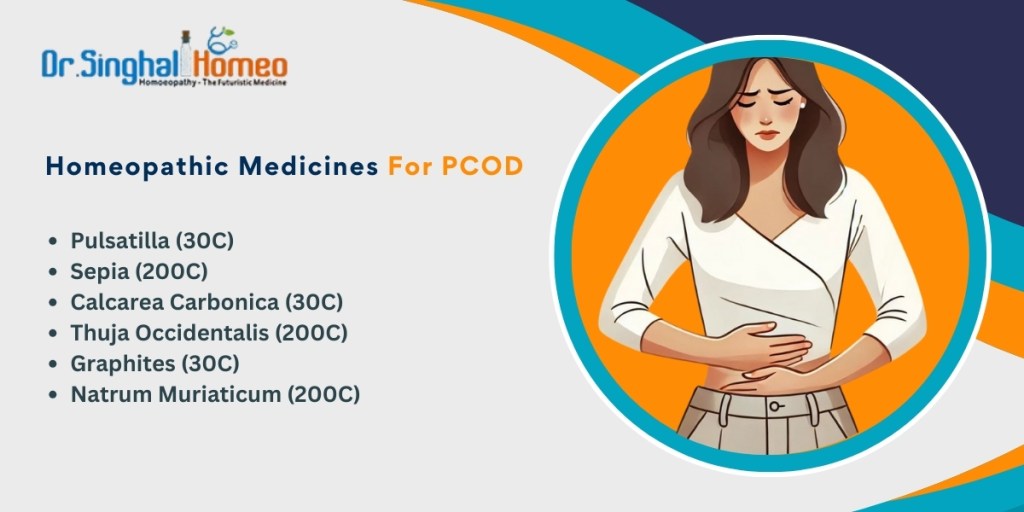
  1. Pulsatilla: Often prescribed for women with PCOD who experience irregular menstrual cycles and mood swings.
  2. Sepia: Used when there are symptoms such as hormonal imbalances, fatigue, and irritability.
  3. Graphites: Considered for patients with PCOD who also struggle with weight gain and skin issues.
  4. Natrum Muriaticum: Prescribed for women experiencing emotional sensitivity and water retention.
  5. Calcarea Carbonica: Used for PCOD patients with irregular periods and a tendency towards being overweight.

It’s important to note that these remedies are not one-size-fits-all solutions. A qualified homeopathic practitioner will determine the most appropriate remedy based on an individual’s specific symptoms and overall health profile.

The Process of Homeopathic Treatment for PCOD

Initial Consultation

The first step in homeopathic treatment for PCOD is a detailed consultation with a qualified practitioner. This appointment typically lasts longer than a conventional medical visit, often up to an hour or more. During this time, the homeopath will:

  • Take a comprehensive medical history
  • Discuss your PCOD symptoms in detail
  • Ask about your lifestyle, diet, and emotional well-being
  • Observe your overall demeanor and physical appearance

This thorough assessment helps the practitioner understand your unique case of PCOD and select the most appropriate homeopathic remedy.

Prescription and Follow-up

Based on the information gathered, the homeopath will prescribe a specific remedy in a particular potency and dosage. Unlike conventional medicine, homeopathic remedies are not taken daily but at intervals determined by the practitioner.

Follow-up appointments are crucial in homeopathic treatment. These allow the practitioner to assess your progress and make any necessary adjustments to the treatment plan. It’s common for the remedy or its potency to be changed as your symptoms evolve.

Potential Benefits of Homeopathic Medicine for PCOD

Many women with PCOD report positive outcomes from homeopathic treatment. Some potential benefits include:

  1. Regulation of menstrual cycles: Homeopathic remedies may help restore balance to irregular periods.
  2. Hormonal balance: Some patients experience improvements in hormonal-related symptoms such as acne and hirsutism.
  3. Weight management: Certain remedies may support weight loss efforts, which is crucial for many PCOD patients.
  4. Emotional well-being: Homeopathy’s holistic approach often addresses emotional symptoms associated with PCOD, such as mood swings and anxiety.
  5. Fertility support: For women trying to conceive, homeopathic treatment may help improve fertility.
  6. Minimal side effects: Homeopathic remedies are generally considered safe and free from significant side effects when properly prescribed.
Integrating Homeopathy with Conventional PCOD Treatment

It’s important to understand that homeopathy can be used alongside conventional medical treatments for PCOD. Many patients find that a integrative approach, combining homeopathy with lifestyle changes and, if necessary, conventional medications, yields the best results.

Lifestyle Modifications to Support Homeopathic Treatment

To maximize the effectiveness of homeopathic treatment for PCOD, consider implementing the following lifestyle changes:

  • Balanced diet: Focus on whole foods, lean proteins, and complex carbohydrates.
  • Regular exercise: Engage in moderate physical activity for at least 30 minutes daily.
  • Stress management: Practice relaxation techniques such as meditation or yoga.
  • Adequate sleep: Aim for 7-9 hours of quality sleep each night.
  • Hydration: Drink plenty of water throughout the day.

Choosing a Qualified Homeopathic Practitioner

When considering homeopathic medicine for PCOD, it’s crucial to consult with a qualified and experienced practitioner. Look for the following:

  • Proper credentials and certifications
  • Experience in treating PCOD
  • Positive patient reviews and testimonials
  • A thorough and attentive approach to consultations

Remember: A reputable homeopath will always encourage open communication with your conventional healthcare providers to ensure comprehensive care.

Research and Evidence on Homeopathy for PCOD

While many patients report positive outcomes with homeopathic treatment for PCOD, it’s important to note that scientific research in this area is limited. Some small-scale studies have shown promising results, but larger, more rigorous clinical trials are needed to establish the effectiveness of homeopathy for PCOD conclusively.

Current Research Findings

  • A 2018 study published in the Journal of Homeopathy Research found that individualized homeopathic treatment improved menstrual regularity in women with PCOD.
  • Another study in 2020 reported improvements in hormonal profiles of PCOD patients treated with homeopathy.

However, these studies have limitations, and more research is needed to draw definitive conclusions.

Potential Challenges and Considerations

While homeopathic medicine for PCOD can be beneficial for many, there are some challenges and considerations to keep in mind:

  1. Time commitment: Homeopathic treatment often requires patience, as it may take time to see significant improvements.
  2. Cost: Homeopathic consultations and remedies may not be covered by insurance, potentially leading to out-of-pocket expenses.
  3. Variability in results: As with any medical treatment, responses to homeopathy can vary from person to person.
  4. Lack of standardization: The quality and potency of homeopathic remedies can vary between manufacturers.
  5. Potential for misdiagnosis: It’s crucial to have a proper medical diagnosis of PCOD before starting any treatment, including homeopathy.

Conclusion: Is Homeopathic Medicine Right for Your PCOD?

Homeopathic medicine offers a unique, personalized approach to managing PCOD symptoms. For many women, it provides a gentle, holistic option that can complement conventional treatments. However, it’s essential to approach homeopathy with realistic expectations and under the guidance of a qualified practitioner.

If you’re considering homeopathic medicine for PCOD, take the following steps:

  1. Consult with your primary healthcare provider about integrating homeopathy into your treatment plan.
  2. Research and choose a reputable homeopathic practitioner with experience in treating PCOD.
  3. Be prepared to commit to the process, including follow-up appointments and potential lifestyle changes.
  4. Keep an open dialogue with all your healthcare providers to ensure coordinated care.

Remember, managing PCOD is a journey, and finding the right combination of treatments may take time. Homeopathic medicine can be a valuable tool in this process, offering a gentle, individualized approach to help you achieve better health and balance.

Homeopathic Approaches to Prurigo Nodularis Management: A Comprehensive Guide

Prurigo nodularis (PN) is a chronic skin condition characterized by intensely itchy, firm nodules on the skin. This distressing disorder can significantly impact a person’s quality of life, causing persistent discomfort and affecting both physical and emotional well-being. While conventional medicine offers various treatment options, many patients and their families are exploring alternative approaches, including homeopathy, to manage this challenging condition.

What is Prurigo Nodularis?

Prurigo nodularis typically presents as multiple, symmetrically distributed, firm, itchy nodules on the skin. These lesions are often found on the extensor surfaces of the limbs, trunk, and sometimes on the face. The exact cause of PN remains unclear, but it is believed to be associated with various factors, including:

  • Chronic pruritus (itching)
  • Neurological factors
  • Immune system dysfunction
  • Psychological stress

Common Symptoms and Complications

Patients with prurigo nodularis often experience:

  • Intense, persistent itching
  • Thickened, scaly skin in affected areas
  • Scarring and pigmentation changes
  • Sleep disturbances due to itching
  • Psychological distress and reduced quality of life

Conventional Treatment Approaches

Before delving into homeopathic treatments, it’s important to understand the conventional medical approaches to managing prurigo nodularis. These typically include:

  1. Topical corticosteroids
  2. Oral antihistamines
  3. Phototherapy
  4. Systemic immunosuppressants
  5. Topical calcineurin inhibitors

While these treatments can be effective for some patients, they may come with side effects or limited long-term efficacy. This has led many individuals to explore complementary and alternative medicine options, such as homeopathy.

Introduction to Homeopathy

Homeopathy is a holistic system of medicine developed by Samuel Hahnemann in the late 18th century. It is based on the principle of “like cures like,” which suggests that a substance that causes symptoms in a healthy person can be used in diluted form to treat similar symptoms in a sick person.

Core Principles of Homeopathy

  1. Law of Similars: The primary principle that “like cures like.”
  2. Individualization: Treatments are tailored to each patient’s unique symptoms and constitution.
  3. Minimum Dose: Homeopathic remedies are highly diluted to minimize side effects while maintaining therapeutic effects.
  4. Single Remedy: Typically, only one remedy is prescribed at a time.

Homeopathic Approach to Prurigo Nodularis

Homeopathy takes a holistic approach to treating prurigo nodularis, considering not only the physical symptoms but also the patient’s emotional state, lifestyle, and overall health. A homeopathic practitioner will conduct a thorough assessment to determine the most appropriate remedy for each individual.

Common Homeopathic Remedies for Prurigo Nodularis

While the choice of remedy is highly individualized, some common homeopathic medicines used in the treatment of prurigo nodularis include:

  1. Sulphur: Often prescribed for intensely itchy skin conditions, especially when scratching provides temporary relief but worsens the condition.
  2. Arsenicum Album: Useful for burning, itching sensations that worsen at night and in cold conditions. Patients who benefit from this remedy may also experience anxiety and restlessness.
  3. Graphites: Indicated for thick, rough skin with cracks and fissures. It may be particularly helpful for patients who experience oozing and crusting of lesions.
  4. Rhus Toxicodendron: Beneficial for itching that improves with warm applications and worsens in cold, damp weather.
  5. Mezereum: Prescribed for intense itching with burning sensations, especially when the skin feels hot to the touch.
  6. Psorinum: Useful for chronic skin conditions with intense itching, especially in patients with a history of skin disorders or allergies.

The Homeopathic Consultation Process

A typical homeopathic consultation for prurigo nodularis involves:

  1. Detailed case-taking: The practitioner will ask about your symptoms, medical history, lifestyle, and emotional state.
  2. Physical examination: The practitioner may examine the affected skin areas.
  3. Remedy selection: Based on the information gathered, the homeopath will choose a remedy that best matches your symptom picture.
  4. Dosage and administration: Instructions on how to take the remedy will be provided.
  5. Follow-up appointments: Regular follow-ups are essential to monitor progress and adjust treatment as needed.

Potential Benefits of Homeopathic Treatment

Patients and families considering homeopathy for prurigo nodularis may find several potential benefits:

  • Minimal side effects: Homeopathic remedies are highly diluted, reducing the risk of adverse reactions.
  • Holistic approach: Treatment addresses not just the skin symptoms but overall health and well-being.
  • Individualized care: Remedies are selected based on each patient’s unique symptom picture.
  • Complementary use: Homeopathy can often be used alongside conventional treatments, under professional guidance.

Limitations and Considerations

While many patients report positive experiences with homeopathic treatment for prurigo nodularis, it’s important to consider the following:

  1. Limited scientific evidence: Large-scale clinical trials on homeopathy for PN are lacking.
  2. Variability in response: Not all patients may respond equally to homeopathic treatment.
  3. Time factor: Homeopathic treatment may require patience, as improvements can be gradual.
  4. Need for professional guidance: Self-prescription is not recommended; consult a qualified homeopathic practitioner.

Integrating Homeopathy with Conventional Care

For many patients, the most effective approach to managing prurigo nodularis may involve integrating homeopathic treatment with conventional care. This integrated approach can potentially offer the benefits of both systems while minimizing drawbacks.

Tips for Integrating Care:

  1. Communicate openly with all healthcare providers about your treatment choices.
  2. Continue prescribed conventional treatments unless advised otherwise by your physician.
  3. Monitor your symptoms closely and report any changes to both your conventional doctor and homeopath.
  4. Be patient and allow time for the homeopathic treatment to take effect.

Lifestyle Measures to Support Treatment

In addition to homeopathic remedies, certain lifestyle measures can support the management of prurigo nodularis:

  • Avoid triggers: Identify and avoid factors that exacerbate itching, such as certain fabrics or environmental irritants.
  • Moisturize regularly: Keep skin well-hydrated to reduce itching and improve skin barrier function.
  • Practice stress management: Stress can worsen PN symptoms, so techniques like meditation or yoga may be helpful.
  • Maintain good sleep hygiene: Adequate rest is crucial for overall health and can help manage stress.
  • Follow a balanced diet: Some patients find that certain dietary changes can improve their symptoms.

The Future of Homeopathy in Prurigo Nodularis Treatment

As interest in complementary and alternative medicine grows, more research is needed to fully understand the potential role of homeopathy in treating prurigo nodularis. Future studies may provide more concrete evidence regarding its efficacy and help refine treatment protocols.

Conclusion

Prurigo nodularis is a challenging skin condition that can significantly impact quality of life. While conventional treatments remain the mainstay of management, homeopathy treatment for prurigo nodularis offers a complementary approach that some patients find beneficial. The individualized nature of homeopathic treatment, coupled with its minimal side effects, makes it an attractive option for many.

However, it’s crucial to approach homeopathy as part of a comprehensive treatment plan, ideally under the guidance of both a qualified homeopath and a dermatologist. By combining the best of both conventional and homeopathic approaches, patients with prurigo nodularis may find improved symptom management and overall well-being.

Remember, every patient’s journey with prurigo nodularis is unique. What works for one person may not work for another. Patience, persistence, and open communication with healthcare providers are key to finding the most effective treatment approach for each individual.

Finding the Best Doctor for Allergy Treatment: Why Homeopathy Might Be Your Answer

Understanding Allergies and Their Impact

Allergies can significantly impact your quality of life. From seasonal sniffles to severe reactions, these conditions affect millions worldwide. Finding the right treatment is crucial, and many are turning to homeopathy for relief.

The Appeal of Homeopathic Treatment for Allergies

Homeopathy offers a holistic approach to allergy management. This alternative medicine system focuses on stimulating the body’s natural healing processes. Many patients report fewer side effects compared to conventional treatments.

How Homeopathy Addresses Allergies

  • Individualized treatment plans
  • Focus on root causes, not just symptoms
  • Gentle, natural remedies

Qualities of the Best Homeopath for Allergy Treatment

When seeking the best doctor for allergy treatment, consider these factors:

Experience and Specialization

Look for a homeopath with extensive experience in treating allergies. Specialized knowledge can make a significant difference in treatment outcomes.

Patient-Centered Approach

The best homeopaths take time to understand your unique symptoms and lifestyle. This personalized attention is crucial for effective treatment.

Credentials and Certifications

Ensure your chosen practitioner has proper qualifications. Certification from recognized homeopathic institutions is a good indicator of expertise.

The Consultation Process

A thorough initial consultation is key to successful homeopathic treatment. Expect detailed questions about your:

  • Medical history
  • Allergy symptoms and triggers
  • Lifestyle and dietary habits

This comprehensive approach helps the homeopath create a tailored treatment plan.

Combining Homeopathy with Conventional Medicine

The best doctors for allergy treatment often advocate for an integrative approach. They may suggest:

  • Complementary use of homeopathic remedies
  • Lifestyle modifications
  • Collaboration with conventional allergists when necessary
Success Stories and Testimonials

“After years of struggling with seasonal allergies, homeopathy has given me relief I never thought possible.” – Sarah, allergy patient.

Many patients report significant improvements in their allergy symptoms after starting homeopathic treatment. These success stories often highlight the long-term benefits and reduced reliance on conventional medications.

Making Your Decision

Choosing the best doctor for allergy treatment is a personal decision. Consider:

  • Your comfort level with alternative medicine
  • The severity of your allergies
  • Your treatment goals

Research potential homeopaths in your area, read reviews, and don’t hesitate to schedule initial consultations with multiple practitioners to find the right fit.

Conclusion

Finding the best doctor for allergy treatment may lead you to consider homeopathy. With its personalized approach and focus on overall health, homeopathy offers a compelling alternative for allergy sufferers. Remember, the best homeopath for you will combine expertise, empathy, and a commitment to your well-being. Take the time to find the right practitioner, and you may discover a new path to allergy relief.

For effective and safe allergy treatment, contact the Homeopathic specialist today and take the first step toward lasting ease. Call +91 9056551747 to book your appointment now!

Natural Relief: Understanding Homeopathic Treatments for Migraine Headaches

Understanding Migraines and Their Impact

Migraines are more than just ordinary headaches. They represent a complex neurological condition that affects millions worldwide, causing intense throbbing pain, sensitivity to light and sound, and often accompanied by nausea. For those suffering from migraines and their families, finding effective relief becomes a priority, and homeopathy offers a gentle yet powerful approach to managing these debilitating headaches.

The Homeopathic Approach to Migraine Treatment

Homeopathy views migraines not as isolated symptoms but as manifestations of deeper imbalances within the body. This holistic medical system, developed by Dr. Samuel Hahnemann, focuses on treating the individual rather than just the condition. The treatment considers various factors including:

  • Physical symptoms
  • Emotional state
  • Environmental triggers
  • Lifestyle factors
  • Personal medical history

Key Principles of Homeopathic Treatment

The foundation of homeopathic treatment rests on the principle of “like cures like.” This means that substances which can cause symptoms in healthy individuals can treat similar symptoms in sick people when prepared as homeopathic medicines. For migraines, this translates into carefully selected remedies based on specific symptom patterns.

Common Homeopathic Medicines for Migraines

Belladonna

This remedy is particularly effective for:

  • Sudden, intense headaches
  • Throbbing pain that worsens with movement
  • Sensitivity to light and noise
  • Red face and dilated pupils during attacks

Natrum Muriaticum

Beneficial for migraines:

  • Triggered by emotional stress
  • Associated with hormonal changes
  • Accompanied by tears and sensitivity to light
  • Worse from sun exposure

Spigelia

Particularly helpful when:

  • Pain is concentrated on the left side
  • Headaches are worse with movement
  • Associated with facial neuralgia
  • Accompanied by eye problems
Hormonal Migraines and Homeopathy

Many women experience migraines related to hormonal fluctuations. Homeopathy treatment for hormonal imbalance offers several effective solutions:

Sepia

“Sepia is particularly valuable for women experiencing migraines related to menstrual cycles or menopause.”

This remedy addresses:

  • Hormonal headaches
  • Irritability during periods
  • Associated depression
  • Exhaustion and weakness

Pulsatilla

Effective for:

  • Menstrual-related headaches
  • Changeable symptoms
  • Emotional sensitivity
  • Headaches improved by fresh air

Creating a Comprehensive Treatment Plan

Initial Consultation

A qualified homeopathic practitioner will conduct a detailed consultation covering:

  • Specific migraine symptoms
  • Trigger factors
  • Medical history
  • Emotional well-being
  • Lifestyle factors

Individualized Treatment

The practitioner will develop a personalized treatment plan that may include:

  • Primary constitutional remedy
  • Acute remedies for attacks
  • Dietary recommendations
  • Lifestyle modifications
  • Stress management techniques

Supporting Measures Along with Homeopathy

Lifestyle Modifications

  • Regular sleep schedule
  • Stress reduction techniques
  • Proper hydration
  • Identification and avoidance of triggers
  • Regular exercise

Dietary Considerations

  • Avoiding known trigger foods
  • Maintaining regular meal times
  • Reducing caffeine intake
  • Including anti-inflammatory foods
  • Staying well-hydrated

What to Expect During Treatment

Initial Response

The response to homeopathic treatment varies among individuals. Some may experience:

  • Gradual reduction in frequency of attacks
  • Decreased intensity of symptoms
  • Better emotional well-being
  • Improved overall health

Long-term Management

Successful treatment typically involves:

  • Regular follow-up consultations
  • Adjustment of remedies as needed
  • Monitoring of progress
  • Integration of preventive measures

Safety and Considerations

Advantages of Homeopathic Treatment

  • Non-addictive nature
  • No side effects
  • Compatible with other treatments
  • Safe for long-term use
  • Gentle yet effective approach

Important Precautions

  • Consult qualified practitioners
  • Regular medical check-ups
  • Maintain detailed symptom diary
  • Report any changes to your practitioner
  • Follow prescribed dosage instructions

Finding the Right Homeopathic Practitioner

Qualifications to Look For

  • Professional certification
  • Experience with migraine treatment
  • Good communication skills
  • Understanding of conventional medicine
  • Holistic approach to treatment

Questions to Ask

  • Treatment approach
  • Expected duration of treatment
  • Cost considerations
  • Emergency protocols
  • Follow-up schedule

Conclusion: A Path to Natural Healing

homeopathy for migraine headache offers a promising approach to managing migraines through its individualized and holistic treatment methods. While results may take time, many patients report significant improvements in both the frequency and intensity of their migraine attacks. The key to success lies in working with a qualified practitioner, following the prescribed treatment plan, and maintaining patience during the healing process.

“Remember that each person’s journey with migraine treatment is unique, and what works for one may not work for another. Homeopathy’s individualized approach takes this into account, making it a valuable option for those seeking natural relief from migraines.”

Exploring Homeopathic Approaches to Ulcerative Colitis Treatment

Understanding Ulcerative Colitis

Ulcerative colitis is a chronic inflammatory bowel disease that affects the large intestine, causing inflammation and ulcers in the digestive tract. This condition can be debilitating and sometimes lead to life-threatening complications. While conventional medicine offers various treatment options, some patients seek alternative therapies like homeopathy to manage their symptoms and improve their quality of life. By managing the root causes of the disorder and stimulating balance within the body, many people have experienced significant improvements and, in some cases, a permanent cure for ulcerative colitis in homeopathy.

The Principles of Homeopathy

Homeopathy, a unique system of alternative medicine, operates on the principle of ‘like cures like.’ This approach posits that a substance causing symptoms in a healthy person can be used in small doses to treat similar symptoms in a sick person. The remedies used in homeopathy are highly diluted substances derived from plants, minerals, or animals, setting it apart from conventional medicine.

Homeopathic Approach to Ulcerative Colitis

Homeopathic treatment for ulcerative colitis aims to address the underlying causes of the condition rather than just managing symptoms. Practitioners believe that by stimulating the body’s natural healing processes, homeopathy can help reduce inflammation, promote healing, and improve overall digestive health.

Individualized Treatment Plans

One of the defining features of homeopathy is its individualized treatment plans. Homeopathic practitioners craft personalized plans based on a patient’s specific symptoms, medical history, and overall constitution. This tailored approach ensures that each patient with ulcerative colitis receives a unique remedy that best suits their condition. To ensure the best results, it’s vital to seek guidance from the best doctor for ulcerative colitis treatment, who can tailor a treatment program customized to the patient’s needs.

Common Homeopathic Remedies for Ulcerative Colitis

Looking for homeopathic remedies for ulcerative colitis? While treatment is personalized, there are several commonly used remedies to consider.

  • Arsenicum album: Often prescribed for patients with burning pain, anxiety, and restlessness
  • Mercurius corrosives: Used for severe abdominal pain, bloody stools, and tenesmus
  • Phosphorus: Indicated for patients with bleeding, weakness, and a craving for cold drinks
  • Podophyllum: Considered for profuse, painless diarrhea and prolapse of the rectum
  • Aloe: Used for hemorrhoids, involuntary stools, and a feeling of insecurity in the rectum

It’s important to note that these remedies should only be used under the guidance of a qualified homeopathic practitioner.

The Process of Homeopathic Treatment

Initial Consultation

The first step in homeopathic treatment for ulcerative colitis is a comprehensive consultation. During this session, the practitioner will:

  1. Take a detailed medical history
  2. Inquire about specific symptoms and their patterns
  3. Assess the patient’s emotional and mental state
  4. Consider lifestyle factors and environmental influences

This holistic approach helps the practitioner understand the patient’s overall health picture and select the most appropriate remedy.

Remedy Selection and Administration

Based on the information gathered, the homeopath will choose a remedy that best matches the patient’s symptom picture. Remedies are typically given in the form of small pills or liquid drops, often in very low doses.

Follow-up and Adjustments

Regular follow-up appointments are essential to monitor progress and make any necessary adjustments to the treatment plan. The practitioner may change the remedy or its potency based on the patient’s response.

Potential Benefits of Homeopathic Treatment

Proponents of homeopathy for ulcerative colitis claim several potential benefits:

  • Reduced inflammation in the colon
  • Decreased frequency and severity of flare-ups
  • Improved bowel movements and stool consistency
  • Enhanced overall digestive function
  • Better management of associated symptoms like fatigue and joint pain
  • Minimal side effects compared to conventional medications

However, it’s crucial to note that scientific evidence supporting these claims is limited, and more research is needed to establish the efficacy of homeopathy for ulcerative colitis.

Integrating Homeopathy with Conventional Treatment

Many patients choose to use homeopathy as a complementary therapy alongside conventional medical treatment. This integrative approach may help manage symptoms and improve quality of life. However, it’s essential to inform all healthcare providers about any treatments being used to ensure safe and coordinated care.

Open communication is key to ensuring comprehensive and safe management of ulcerative colitis. Patients should maintain a dialogue with both their gastroenterologist and homeopathic practitioner, informing them about all treatments being used. This collaborative approach helps to coordinate care and ensure the best possible outcomes for the patient.

Lifestyle Considerations

In addition to homeopathic remedies, practitioners often recommend lifestyle modifications to support overall health and manage symptoms of ulcerative colitis:

– Dietary changes: Identifying and avoiding trigger foods.

– Stress management techniques: Meditation, yoga, or deep breathing exercises.

– Regular exercise: Moderate physical activity to support overall health.

– Adequate rest: Ensuring sufficient sleep and relaxation.

These lifestyle factors can play a significant role in managing ulcerative colitis and may complement homeopathic treatment.

Challenges and Limitations

While some patients report positive experiences with homeopathy for ulcerative colitis, it’s important to acknowledge the challenges and limitations:

  1. Limited scientific evidence: There is a lack of large-scale, rigorous clinical trials supporting the efficacy of homeopathy for ulcerative colitis.
  2. Variability in practitioner expertise: The quality of homeopathic treatment can vary depending on the practitioner’s training and experience.
  3. Potential for delayed conventional treatment: Relying solely on homeopathy may delay necessary conventional medical interventions in some cases.
  4. Regulatory concerns: Homeopathic remedies are not subject to the same regulatory standards as conventional medications in many countries.

Conclusion

Homeopathy is a different way to help with ulcerative colitis by giving personalized treatment and encouraging the body’s own healing abilities. Some people have found it helpful, but it’s important to keep an open mind about it.

Patients considering homeopathy for ulcerative colitis should consult with both their gastroenterologist and a qualified homeopathic practitioner to make informed decisions about their care. An integrative approach that combines the best of conventional medicine and complementary therapies may offer the most comprehensive management strategy for this complex condition.

It’s important to keep in mind that ulcerative colitis is a significant medical condition that needs to be carefully monitored and managed. Any adjustments to your treatment plan should be discussed with your healthcare providers to ensure the best possible results for your health and overall well-being.

To fix an appointment or get the best results for ulcerative colitis Homeopathic treatment, contact us at +91 9056551747.

Finding the Best Care: Top-Rated Ankylosing Spondylitis Doctors

Ankylosing spondylitis (AS) is a chronic inflammatory disease that primarily affects the spine, leading to severe pain and discomfort. For those living with AS, finding the right doctor can make a significant difference in managing symptoms and improving quality of life. In this article, we will explore what makes a doctor top-rated in the field of ankylosing spondylitis, how to find these specialists, and what to expect from your care.

Understanding Ankylosing Spondylitis

Before diving into the specifics of finding a top-rated doctor, it’s essential to understand what ankylosing spondylitis is and how it affects individuals.

What is Ankylosing Spondylitis?

Ankylosing spondylitis is a type of arthritis that primarily affects the spine, although other joints can be involved. It causes inflammation of the spinal joints, which can lead to severe, chronic pain and discomfort. Over time, AS can cause some of the vertebrae in the spine to fuse, resulting in a loss of flexibility and a hunched-forward posture.

  • Symptoms: Chronic back pain, stiffness, reduced flexibility, fatigue, and in severe cases, fusion of the spine.
  • Causes: The exact cause is unknown, but genetic factors play a significant role. The HLA-B27 gene is commonly associated with AS.
  • Diagnosis: Typically involves a combination of physical exams, imaging tests like X-rays or MRIs, and blood tests.

The best doctor for ankylosing spondylitis treatment is experienced in identifying the early symptoms of the condition, which can be tricky to diagnose.

What Makes a Doctor Top-Rated in Ankylosing Spondylitis?

Finding a doctor who is well-versed in ankylosing spondylitis can be challenging, but certain qualities and qualifications can help identify top-rated specialists.

Expertise and Experience

A top-rated ankylosing spondylitis doctor will have extensive experience in diagnosing and treating the condition. This often includes:

  • Board Certification: Look for doctors who are board-certified in rheumatology, as they specialize in arthritis and related conditions.
  • Years of Practice: Consider the number of years a doctor has been practicing, particularly in treating AS.
  • Research and Publications: Doctors who are involved in research or have published studies on AS may have a deeper understanding of the disease.

Patient-Centered Care

Top-rated doctors prioritize patient-centered care, which includes:

  • Listening Skills: They take the time to listen to patients’ concerns and symptoms.
  • Personalized Treatment Plans: They develop treatment plans tailored to individual needs and lifestyles.
  • Communication: They explain medical terms and treatment options in a way that is easy to understand.

“A great doctor not only treats the disease but also cares for the person who has the disease.”

How to Find Top-Rated Ankylosing Spondylitis Doctors

Finding the right doctor involves research and sometimes a bit of trial and error. Here are some steps to help you in your search:

Online Resources and Reviews

The internet is a valuable tool for finding top-rated doctors. Consider the following resources:

  • Health Websites: Websites like Healthgrades, Zocdoc, and Vitals provide patient reviews and ratings for doctors.
  • Professional Associations: The American College of Rheumatology (ACR) offers a directory of rheumatologists.
  • Hospital Websites: Many hospitals have profiles of their doctors, including their specialties and patient reviews.

Recommendations and Referrals

Personal recommendations can be invaluable:

  • Primary Care Physician: Ask your primary care doctor for a referral to a rheumatologist.
  • Support Groups: Connect with others who have AS through support groups or online forums to get recommendations.
  • Family and Friends: They may know of reputable doctors through their own experiences.

What to Expect from Your Care

Once you’ve found a top-rated doctor, understanding what to expect from your care can help you feel more prepared and confident.

Initial Consultation

During your first visit, the doctor will likely:

  • Review your medical history and symptoms.
  • Conduct a physical examination.
  • Order diagnostic tests, such as blood tests or imaging studies.

Treatment Options

Treatment for AS often involves a combination of:

  • Medications: Nonsteroidal anti-inflammatory drugs (NSAIDs), biologics, and other medications to reduce inflammation and pain.
  • Physical Therapy: Exercises to improve posture, flexibility, and strength.
  • Lifestyle Changes: Recommendations for diet, exercise, and other lifestyle modifications.

Ongoing Management

Managing AS is a lifelong process:

  • Regular Check-Ups: Regular visits to monitor the disease’s progression and adjust treatment as needed.
  • Patient Education: Learning about AS and how to manage symptoms effectively.

Conclusion

Finding a top-rated ankylosing spondylitis doctor can significantly impact your journey with the disease. By focusing on expertise, patient-centered care, and utilizing available resources, you can find a specialist who meets your needs. Remember, managing AS is a collaborative effort between you and your healthcare provider, and finding the right doctor is a crucial first step.

Managing IBS Naturally: A Comprehensive Guide to Homeopathic Treatment

Understanding IBS and Homeopathic Approaches

Irritable Bowel Syndrome (IBS) affects millions worldwide, causing significant disruption to daily life through symptoms like abdominal pain, bloating, and irregular bowel movements. While conventional medicine offers various treatments, many patients are turning to homeopathy for IBS management, seeking a gentler, more holistic approach to their digestive health.

How Homeopathy Views IBS

Homeopathic treatment approaches IBS differently from conventional medicine. Rather than merely addressing symptoms, homeopathic practitioners examine the complete patient profile, including:

  • Physical symptoms and their specific characteristics
  • Emotional and mental state
  • Environmental factors
  • Dietary habits
  • Stress triggers
  • Sleep patterns

Common Homeopathic Remedies for IBS

Nux Vomica

This remedy often helps patients who experience:

  • Constipation with unsuccessful urges
  • Digestive issues triggered by stress
  • Symptoms worse after consuming spicy foods or stimulants
  • Irritability and impatience

Lycopodium

Particularly beneficial for:

  • Bloating and gas, especially in the evening
  • Better symptoms after warm drinks
  • Anxiety about health
  • Loss of confidence due to digestive issues

Arsenicum Album

Recommended for patients experiencing:

  • Burning sensations in the digestive tract
  • Anxiety about health
  • Symptoms worse at night
  • Food sensitivities and intolerance
The Consultation Process

When visiting a homeopath for IBS treatment, expect:

Initial Consultation

  • Detailed discussion about symptoms
  • Complete medical history review
  • Questions about lifestyle and stress factors
  • Assessment of emotional well-being

Follow-up Care

  • Regular monitoring of progress
  • Adjustment of remedies as needed
  • Lifestyle and dietary recommendations
  • Stress management guidance
Complementary Approaches

The best homeopath will often recommend additional supportive measures:

Dietary Modifications

  • Identification of trigger foods
  • Implementation of food diary
  • Gradual dietary changes
  • Proper hydration guidelines

Lifestyle Changes

  • Stress reduction techniques
  • Regular exercise recommendations
  • Sleep hygiene improvements
  • Mindfulness practices

Research and Evidence

While more research is needed, several studies suggest the potential benefits of homeopathy for IBS:

  • Clinical trials showing symptom improvement
  • Patient satisfaction surveys
  • Quality of life assessments
  • Long-term follow-up studies

What to Expect from Homeopathic Treatment

Timeline

  • Initial response period: 2-4 weeks
  • Gradual improvement phase: 3-6 months
  • Long-term management: Ongoing support

Possible Outcomes

  • Reduced frequency of symptoms
  • Better stress management
  • Improved digestion
  • Enhanced overall well-being

Choosing the Right Practitioner

When selecting a homeopathy for IBS treatment, consider:

  • Professional qualifications
  • Experience with digestive disorders
  • Patient testimonials
  • Communication style
  • Treatment approach

Remember: The success of homeopathic treatment often depends on finding the right practitioner who can provide personalized care tailored to your specific symptoms and needs.

Making an Informed Decision

Before starting homeopathic treatment for IBS:

  • Consult with your current healthcare provider
  • Research qualified practitioners
  • Understand the commitment required
  • Set realistic expectations
  • Prepare for a holistic approach to healing

Moving Forward with Treatment

The journey to managing IBS through homeopathy requires patience and commitment. While results may not be immediate, many patients report significant improvements in their symptoms and quality of life with consistent treatment and follow-up care.

Remember that homeopathy for IBS works best as part of a comprehensive approach to health, including proper diet, stress management, and lifestyle modifications. Working with a qualified homeopathic practitioner can provide the support and guidance needed to navigate this journey effectively.

For more questions about Homeopathic treatment for IBS, Call or WhatsApp us at +91 9056551747.

Finding the Best Doctor for Warts Treatment: A Comprehensive Guide to Homeopathic Solutions

Understanding Warts and Their Impact

Warts are common skin growths caused by the human papillomavirus (HPV) that can appear on various parts of the body. While they’re generally harmless, warts can be aesthetically concerning and, in some cases, uncomfortable or painful. Finding the best doctor for warts treatment is crucial for effective management and elimination of these persistent skin conditions.

Why Consider Homeopathic Treatment for Warts?

Homeopathic treatment has gained significant recognition as an effective approach to treating warts. This natural healing system works by stimulating the body’s inherent healing mechanisms. The best homeopath for warts treatment considers not just the physical symptoms but also takes into account the patient’s overall health condition and lifestyle factors.

Benefits of Homeopathic Treatment:

  • No harmful side effects
  • Non-invasive treatment approach
  • Long-lasting results
  • Cost-effective compared to surgical options
  • Treats the root cause rather than just symptoms

Choosing the Best Homeopath for Warts Treatment

Qualifications and Credentials

When selecting the best doctor for warts treatment, particularly in homeopathy, verify these essential qualifications:

  • BHMS (Bachelor of Homeopathic Medicine and Surgery) degree
  • Registration with relevant homeopathic medical council
  • Additional certifications in dermatology
  • Years of clinical experience
  • Success rate in treating warts

Experience and Expertise

The best homeopath should have:

  • Specialized knowledge in treating different types of warts
  • Understanding of various homeopathic medicines and their applications
  • Experience in handling complicated cases
  • Regular updates with latest developments in homeopathic treatment

What to Expect During Homeopathic Treatment

Initial Consultation

The first visit to a homeopathic doctor typically involves:

  • Detailed case history taking
  • Physical examination of warts
  • Discussion about lifestyle and dietary habits
  • Analysis of emotional and mental health
  • Family history assessment

Treatment Process

A professional homeopathic treatment plan usually includes:

  • Customized medicine selection based on individual symptoms
  • Dietary recommendations
  • Lifestyle modification suggestions
  • Regular follow-up sessions
  • Progress monitoring

Common Homeopathic Remedies for Warts

While treatment plans are individualized, some commonly prescribed homeopathic medicines include:

Internal Medicines

  • Thuja Occidentalis
  • Causticum
  • Nitric Acid
  • Calcarea Carbonica

External Applications

  • Homeopathic mother tinctures
  • Natural compounds
  • Medicated oils

“The success of homeopathic treatment largely depends on selecting the right homeopath who can prescribe the most suitable constitutional remedy.”

Duration and Results of Treatment

Timeline Expectations

The duration of homeopathic treatment for warts varies based on:

  • Type and size of warts
  • Duration of the condition
  • Patient’s immune system
  • Overall health condition
  • Compliance with treatment protocol

Monitoring Progress

A good homeopathic doctor will:

  • Schedule regular follow-ups
  • Document changes in wart size and appearance
  • Adjust treatment plans as needed
  • Address any concerns promptly

Prevention and Long-term Care

Lifestyle Recommendations

The best homeopaths often advise:

  • Maintaining good hygiene
  • Strengthening immune system
  • Following a balanced diet
  • Regular exercise
  • Stress management

Follow-up Care

Post-treatment care typically includes:

  • Periodic check-ups
  • Preventive medicines if needed
  • Guidance on preventing recurrence
  • Immune system support

Making an Informed Decision

Questions to Ask Your Homeopath

Before starting treatment, consider asking:

  • What is their success rate with warts treatment?
  • How long have they been practicing?
  • What is the expected duration of treatment?
  • What are the costs involved?
  • Are there any lifestyle changes required?

Red Flags to Watch For

Be cautious of practitioners who:

  • Promise overnight results
  • Don’t take detailed case history
  • Prescribe standard treatments without personalization
  • Don’t provide clear treatment plans
  • Are unavailable for follow-up consultations

Final Thoughts on Choosing the Right Doctor

Finding the best doctor for warts treatment through homeopathy requires careful consideration and research. Look for a qualified and experienced homeopath who:

  • Takes a holistic approach to treatment
  • Has a proven track record
  • Maintains transparent communication
  • Provides comprehensive care
  • Shows genuine concern for patient well-being

“The right homeopathic treatment can not only eliminate warts but also improve overall health and prevent recurrence.”

Remember that successful treatment depends on both the expertise of the homeopath and the patient’s commitment to following the prescribed treatment plan. Take time to research and choose a practitioner who makes you feel comfortable and confident about the treatment process.

Natural Relief: A Complete Guide to Homeopathic Allergy Treatment

Understanding Allergies from a Homeopathic Perspective

Basic Principles of Homeopathy in Allergy Treatment

Homeopathy looks at allergies as your body’s way of telling you something isn’t quite right. Instead of just treating the sneezing or itching, homeopathy aims to help your whole body feel better. It’s like having a conversation with your body to understand what it really needs.

How Homeopathy Views Allergic Reactions Differently

While conventional medicine sees allergies as something to fight against, homeopathy sees them as signals. Think of it like your body’s alarm system – when something isn’t right, it sets off these reactions. Homeopathy works to reset this alarm system rather than just turning it off.

Connection Between Body Constitution and Allergic Responses

Each person reacts to allergies in their own way. Some might get itchy eyes, others might sneeze, and some might get skin rashes. Homeopathy takes these individual differences into account. It’s like having a custom-made solution just for you.

Common Homeopathic Remedies for Allergies

Top Remedies for Seasonal Allergies and Hay Fever

  • Allium cepa – helpful when your nose runs like a tap and your eyes water
  • Euphrasia – great for itchy, burning eyes
  • Natrum muriaticum – works well for allergies with clear, watery discharge
  • Sabadilla – helpful for constant sneezing fits

Remedies for Food Allergies and Sensitivities

  • Apis mellifica – helps with swelling and hives
  • Arsenicum album – good for food sensitivities with burning sensations
  • Carbo vegetabilis – helps with bloating and digestive issues

Treatment Options for Skin Allergies and Reactions

  • Rhus toxicodendron – helps with itchy, red rashes
  • Urtica urens – good for hives and burning skin
  • Sulphur – helps with dry, itchy skin conditions

Homeopathic Treatment Process

Initial Consultation and Case Analysis

Your first visit to a homeopath usually takes about an hour. They’ll ask about your allergies, but also about your sleep, mood, and general health. It’s like telling your life story to help find the perfect remedy match.

Selecting the Right Potency and Dosage

Homeopathic remedies come in different strengths. Your homeopath will choose the right one based on your symptoms and sensitivity. Sometimes, you might start with a lower potency and gradually increase it.

Monitoring Progress and Adjusting Treatment

Keep track of how you feel after taking remedies. Some people notice changes in a few days, while others might take longer. Your homeopath will make adjustments based on your response.

“Remember: Homeopathy isn’t about quick fixes – it’s about helping your body find its natural balance.”

Frequently Asked Questions

How long does homeopathic allergy treatment take to work?

Every person responds differently. Some might feel better in days, others might need a few weeks or months.

Can children use homeopathic remedies for allergies?

Yes, homeopathic remedies are gentle and safe for children when properly prescribed.

Are there any side effects of homeopathic allergy treatment?

Allergy treatment in Homeopathy is generally safe, though some people might experience a temporary increase in symptoms as part of the healing process.

Can homeopathy cure allergies permanently?

While some people experience long-term relief, results vary. The goal is to improve your body’s overall response to allergens.

How is homeopathic treatment different from conventional allergy medicine?

Homeopathy aims to address the root cause rather than just managing symptoms, and treatments are individualized for each person.

If you have more questions regarding allergy treatment in Homeopathy, please feel free to contact us at +91 9056557147.

Design a site like this with WordPress.com
Get started