Trigeminal neuralgia is a painful facial nerve condition that causes severe, electric shock-like discomfort in the face. It often impacts daily activities such as speaking, eating, or even touching the face. Conventional treatments may provide temporary relief, but many seek alternative methods, such as homeopathic treatment for trigeminal neuralgia for long-term benefits.
Symptoms & Causes of Trigeminal Neuralgia
The primary sign is sudden, severe facial discomfort that lasts for a few seconds to minutes. The discomfort may be activated by simple actions such as chewing or brushing teeth. It’s caused by irritation or damage to the trigeminal nerve, frequently due to nerve compression, aging, or underlying health disorders.
Homeopathic Medicine for Trigeminal Neuralgia
Homeopathy offers a holistic method of managing the root cause of the disorder. Some commonly prescribed homeopathic medicine for trigeminal neuralgia include:
Spigelia – Efficacious for sharp, shooting discomforts on the left side of the face.
Magnesia Phosphorica – Helps relieve neuralgic pain that is enhanced with warmth.
Belladonna – Useful for sudden, severe facial discomfort with redness and heat.
Verbascum – Helpful for deep, stabbing pain impacting the cheeks and jaw.
Advantages of Homeopathic Treatment for Trigeminal Neuralgia
Opting for homeopathic treatment for trigeminal neuralgia provides multiple benefits:
Safe and non-invasive – No adverse effects like conventional medication.
Addresses the root cause – Supports the nervous system for long-term comfort.
Improves overall well-being – Decreases stress and improves immunity.
For effective relief, homeopathic medicine for trigeminal neuralgia can be a safe and natural alternative. Consulting a skilled homeopath ensures the best treatment strategy tailored to personal needs.
Conclusion
Dr. Vikas Singhal is one of the best and most famous experts in homeopathy and specializes in offering effective solutions for trigeminal neuralgia treatment. For 22 years, he has been practicing at Dr. Singhal Homeo clinic located in Chandigarh. With many years of experience, he has successfully managed multiple patients using homeopathic medicine for trigeminal neuralgia, addressing the root causes of sustainable results.
To know more about homeopathic treatment for trigeminal neuralgia or get high-quality homeopathic medicine, call or WhatsApp us at +91 9056551747.
Rheumatoid arthritis, or RA, is a chronic autoimmune disorder that primarily impacts the joints, leading to stiffness, inflammation, and pain. It can happen at any age but is more common in females and generally develops between the ages of 30 & 60. Understanding the Rheumatoid arthritis – symptoms and causes is critical for early diagnosis and effective treatment.
Symptoms of Rheumatoid Arthritis
Rheumatoid arthritis – symptoms and causes can differ from individual to individual, but the most common symptoms are swelling, joint discomfort, and stiffness, particularly in the wrists, hands, and knees. Individuals with RA may experience stiffness that lasts for over 30 minutes, which is enhanced with movement. Other signs include low-grade fever, weight loss, and fatigue. In some cases, RA can also affect other body parts, such as the heart, eyes, and lungs, leading to systemic symptoms.
As rheumatoid arthritis progresses, the inflammation can cause joint damage, leading to malformations or loss of function in the impacted regions. Early diagnosis & intervention are critical in managing signs and preventing irreversible damage.
Causes of Rheumatoid Arthritis
The exact cause of Rheumatoid arthritis – symptoms and causes is still not completely understood, but it is believed to be a mixture of environmental and genetic factors. In rheumatoid arthritis, the immune system wrongly attacks the body’s tissues, especially the synovium, the lining of the joints. This activates inflammation that damages the joint and surrounding tissues.
Genetic factors play a substantial role in growing susceptibility to RA, but environmental triggers like smoking, infections, or hormonal modifications can also contribute to the beginning of the condition. Females are more likely to develop rheumatoid arthritis, and it often starts during periods of hormonal fluctuation.
Best Doctor for Treating Rheumatoid Arthritis in Homeopathy
Dr. Vikas Singhal is a highly recommended specialist if you are pursuing an effective & the best Homeopathic treatment for RA. With a personalized method and 22 years of experience, he offers tailored homeopathic medications that target the root causes of the condition, helping to reduce inflammation and enhance joint mobility.
Dandruff is a common scalp condition that affects millions of people worldwide. Characterized by flaking of the skin on the scalp, it can be both embarrassing and uncomfortable. While conventional treatments are readily available, many individuals are turning to homeopathy for a more natural and holistic approach to managing dandruff. Homeopathic treatment for dandruff provides a personalized method, focusing on the underlying causes of the condition instead of just treating the symptoms.
The Homeopathic Perspective on Dandruff
Homeopathy, a system of alternative medicine, views dandruff not just as a localized scalp issue but as a manifestation of an internal imbalance. When treating dandruff, this approach considers various factors, including lifestyle, stress levels, and overall health. Homeopathic treatment for dandruff aims to address the root cause rather than merely alleviate symptoms.
Key Homeopathic Remedies for Dandruff
Thuja Occidentalis
Thuja Occidentalis is a prominent homeopathic remedy for dandruff, especially when the scalp is oily, and the flakes are large and yellowish. It is particularly effective for individuals who experience:
Itching that worsens at night
Dandruff associated with oily skin conditions
Scalp sensitivity to cold air
Natrum Muriaticum
Natrum Muriaticum is often prescribed for dandruff accompanied by:
Dry, itchy scalp
Flakes that look like salt crystals
Worsening of symptoms in warm weather
This remedy is particularly useful for individuals who tend to have dry skin overall and may experience emotional stress or depression.
Kali Sulphuricum
Kali Sulphuricum is beneficial for dandruff characterized by the following:
Yellow, sticky scales
Itching that improves with cool applications
Worsening of symptoms in warm rooms or in the evening
This remedy is often recommended for individuals with a tendency towards skin eruptions and those who feel better in the open air.
Psorinum
Psorinum is a deep-acting homeopathic remedy that can be effective for chronic, stubborn cases of dandruff. It is particularly useful when:
The scalp is extremely dry and scaly
There is intense itching, especially at night
The person feels chilly and has a general lack of vital heat
The Homeopathic Treatment Process
When seeking homeopathic treatment for dandruff, it’s important to understand that the process differs from conventional medicine. Here’s what you can expect:
Individualized Assessment: A homeopathic practitioner will conduct a thorough evaluation, considering not just your dandruff symptoms but your overall health, lifestyle, and emotional state.
Remedy Selection: Based on this assessment, the practitioner will select a remedy that best matches your specific symptom picture and constitution.
Dosage and Administration: Homeopathic remedies are typically given in small doses, often in the form of pills or liquids. The frequency of dosing will depend on the severity of your condition and your response to the treatment.
Monitoring and Adjustments: Your progress will be closely monitored, and the treatment plan may be adjusted as needed. It’s common for the remedy or potency to be changed as your symptoms evolve.
Complementary Measures to Support Homeopathic Treatment
While homeopathic remedies work to address the underlying causes of dandruff, certain lifestyle measures can support the healing process:
Diet: Consuming a balanced diet rich in vitamins and minerals, particularly B vitamins and zinc, can promote scalp health.
Stress Management: Since stress can exacerbate dandruff, practices like meditation, yoga, or deep breathing exercises may be beneficial.
Proper Hair Care: Using mild, natural shampoos and avoiding harsh chemicals can help maintain scalp balance.
Hydration: Ensuring adequate water intake helps keep the scalp and skin hydrated.
The Benefits of Choosing Homeopathy for Dandruff
Opting for homeopathic treatment for dandruff offers several advantages:
Gentle and Non-Toxic: Homeopathic remedies are highly diluted and do not cause side effects, making them safe for long-term use.
Holistic Approach: By addressing the underlying imbalances, homeopathy aims to improve overall health, not just treat the symptoms of dandruff.
Individualized Treatment: Each person receives a tailored treatment plan, recognizing that dandruff can have different causes and manifestations in different individuals.
Sustainable Results: While it may take longer to see initial results compared to conventional treatments, homeopathic solutions often provide more lasting relief.
When to Seek Professional Help
While mild cases of dandruff can often be managed with over-the-counter homeopathic remedies, it’s advisable to consult a qualified homeopathic practitioner if:
Your dandruff is severe or persistent
You experience significant scalp inflammation or pain
Your symptoms worsen despite self-treatment
You have underlying health conditions that may be contributing to your dandruff
A professional can provide a more comprehensive assessment and develop a tailored treatment plan to address your specific needs.
Conclusion
Homeopathy for dandruff offers a natural, holistic approach to managing this common scalp condition. Among the highly experienced homeopathic doctors, Dr. Vikas Singhal brings years of expertise in treating dandruff with individualized, natural remedies. His clinic is renowned for its emphasis on addressing the root causes of dandruff, considering the individual’s lifestyle and emotional well-being. Dr. Singhal uses natural remedies to offer many sufferers a gentle yet effective solution. While results may take time, the potential for long-lasting relief and improved overall health makes homeopathy an attractive alternative to conventional dandruff treatments.
Remember, consistency and patience are key when using homeopathic remedies. Give the treatment time to work, and always consult with a qualified practitioner for the best results.
By embracing homeopathy, you’re not just treating dandruff; you’re taking a step towards better overall health and well-being. Consider exploring this natural approach to scalp care and experience the benefits of a holistic healing system that has stood the test of time.
Call or WhatsApp us at +91 9056551747 to know more about Homeopathic treatment for dandruff or make an appointment.
Irritable Bowel Syndrome, or IBS, is a common gastrointestinal disease impacting millions of individuals worldwide. It’s characterized by signs such as bloating, gas, abdominal pain, diarrhea, & constipation. The exact cause of irritable bowel syndrome remains unclear, but factors such as poor diet, stress, and gut sensitivity are known to activate the disease. Early Irritable Bowel Syndrome: Diagnosis and Treatment is vital to address the signs effectively and enhance quality of life.
Diagnosis of IBS
The diagnosis of IBS is mainly based on clinical evaluation. Doctors focus on recurring abdominal discomfort associated with modifications in bowel habits. Extra tests, such as blood tests, stool analysis, and imaging, may be conducted to rule out other diseases, such as inflammatory bowel disorders or infections. Accurate Irritable Bowel Syndrome: Diagnosis and Treatment starts with recognizing specific signs and their triggers.
Conventional and Homeopathic Treatment
While conventional treatments contain medications, dietary changes, and lifestyle changes, many patients seek homeopathic treatmentfor IBS due to its holistic method. Homeopathy concentrates on managing the root cause of IBS instead of just alleviating signs.
Among the key advantages of homeopathic treatment is that it provides a personalized strategy. Since IBS signs vary from individual to individual, homeopathy tailors’ treatments to suit individual requirements. Moreover, homeopathy is safer and gentle on the body, with no side effects, making it an appealing option for long-term management.
Why Choose Dr. Vikas Singhal?
Dr. Vikas Singhal is among the most trusted and reputed Homeopathic experts in irritable bowel syndrome: Diagnosis and Treatment, offering personalized care and effective solutions. With numerous years of experience, he concentrates on recognizing the root cause of IBS and tailoring treatments to each patient’s unique signs. His holistic method guarantees lasting relief with no side effects, making him a selected choice for those pursuing safe and reliable IBS treatment.
To learn more, call or WhatsApp us at +91 9056551747.
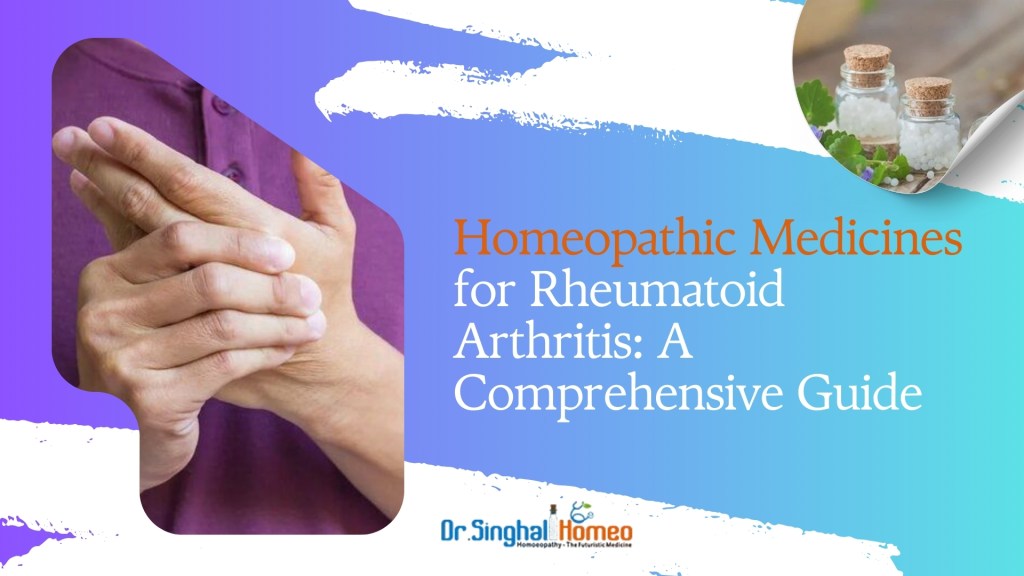
Rheumatoid arthritis (RA) is a chronic autoimmune condition that affects millions of people worldwide. It causes inflammation in the joints, leading to pain, stiffness, and reduced mobility. While conventional medicine offers various treatments, many individuals are turning to homeopathy as a complementary or alternative approach to managing their symptoms.
What is Rheumatoid Arthritis?
Rheumatoid arthritis occurs when the body’s immune system mistakenly attacks the joints, causing inflammation and damage to the joint lining. This can lead to:
Swelling and tenderness in affected joints
Stiffness, especially in the morning or after periods of inactivity
Fatigue and general weakness
Fever and loss of appetite in some cases
The condition typically affects smaller joints first, such as those in the hands and feet, but can progress to larger joints like knees, hips, and shoulders. If left untreated, RA can cause permanent joint damage and disability.
Homeopathy: A Holistic Approach to Healing
Homeopathy is a form of alternative medicine that operates on the principle of “like cures like.” This means that a substance that causes symptoms in a healthy person can be used in very small amounts to treat similar symptoms in a sick person. Homeopathic medicines are highly diluted and are believed to stimulate the body’s natural healing processes.
Benefits of Homeopathic Treatment for Rheumatoid Arthritis
Many people choose homeopathy for RA management due to several potential benefits:
Individualized treatment: Homeopaths consider each person’s unique symptoms and constitution when prescribing remedies.
Minimal side effects: Homeopathic medicines are generally considered safe and have few, if any, side effects.
Holistic approach: Homeopathy aims to treat the whole person, not just the symptoms of the disease.
Complementary use: Homeopathic remedies can often be used alongside conventional treatments.
Common Homeopathic Medicines for Rheumatoid Arthritis
While homeopathic treatment is highly individualized, there are several remedies commonly used for rheumatoid arthritis symptoms. Let’s explore some of these in detail:
1. Rhus Toxicodendron (Rhus Tox)
Rhus Toxicodendron, derived from poison ivy, is one of the most frequently prescribed homeopathic medicines for RA. It is particularly useful for:
Joint stiffness that improves with movement
Pain that worsens with initial movement but gets better as you continue moving
Symptoms that worsen in cold, damp weather
People who benefit from Rhus Tox often feel restless and have difficulty finding a comfortable position.
2. Bryonia Alba
Bryonia Alba, or wild hops, is another popular remedy for RA symptoms. It is often recommended when:
Pain is sharp and stitching
Symptoms worsen with any movement
The affected area feels better with firm pressure or rest
Patients who respond well to Bryonia often prefer to stay completely still to avoid aggravating their pain.
3. Causticum
Causticum is a homeopathic remedy prepared from a potassium compound. It can be helpful for RA patients experiencing:
Burning pain in the joints
Stiffness and contractures in the joints
Weakness in the limbs, particularly on the right side
This remedy is often prescribed for long-standing cases of RA, especially when there is a gradual loss of muscle strength.
4. Calcarea Carbonica
Derived from the middle layer of oyster shells, Calcarea Carbonica can be beneficial for RA patients who:
Feel easily fatigued and chilly
Experience swelling in the joints, especially of the knees
Have a tendency to gain weight easily
This remedy is often suitable for individuals with a slow metabolism and a predisposition to bone and joint problems.
5. Pulsatilla
Pulsatilla, prepared from the windflower plant, can be helpful for RA symptoms that:
Change location frequently
Improve with cool applications and gentle movement
Worsen in warm rooms or with heat
People who respond well to Pulsatilla often have changeable moods and a desire for fresh air.
Choosing the Right Homeopathic Medicine
It’s important to note that selecting the appropriate homeopathic remedy requires careful consideration of an individual’s specific symptoms, overall health, and constitutional type. While the remedies mentioned above are commonly used for RA, they may not be suitable for everyone.
The patient’s overall constitution and temperament
Other accompanying symptoms or health issues
This individualized approach is a cornerstone of homeopathic treatment and can lead to more targeted and effective results.
Integrating Homeopathy with Conventional Treatment
While many people find relief with homeopathic medicines for rheumatoid arthritis, it’s crucial to approach treatment holistically. Homeopathy can be used as a complementary therapy alongside conventional treatments, potentially enhancing overall results and quality of life.
Tips for Integrating Homeopathy
Consult with both your rheumatologist and a qualified homeopath
Inform all healthcare providers about the treatments you’re using
Monitor your symptoms closely and report any changes to your healthcare team
Don’t discontinue prescribed medications without consulting your doctor
Lifestyle Measures to Support RA Management
In addition to homeopathic medicines, certain lifestyle changes can help manage rheumatoid arthritis symptoms:
Regular gentle exercise: Activities like swimming, walking, or yoga can help maintain joint flexibility and muscle strength.
Balanced diet: Eating anti-inflammatory foods and maintaining a healthy weight can reduce stress on joints.
Stress management: Techniques such as meditation or deep breathing can help manage pain and improve overall well-being.
Adequate rest: Balancing activity with rest periods can help manage fatigue associated with RA.
The Future of Homeopathy in RA Treatment
As interest in complementary and alternative medicine grows, more research is being conducted on the effectiveness of homeopathy for conditions like rheumatoid arthritis. While more studies are needed, many patients report positive experiences with homeopathic treatments.
“Homeopathy offers a gentle, individualized approach to managing rheumatoid arthritis symptoms. While it may not replace conventional treatments, it can be a valuable addition to a comprehensive RA management plan.”
Conclusion
Homeopathic medicines for rheumatoid arthritis offer a natural, holistic approach to managing this challenging condition. From Rhus Toxicodendron for stiffness that improves with movement to Bryonia for sharp pain worsened by any motion, these remedies can provide relief tailored to individual symptoms and needs.
However, it’s crucial to remember that homeopathy is just one piece of the puzzle in managing RA. A comprehensive approach that combines conventional medicine, lifestyle modifications, and complementary therapies like homeopathy often yields the best results.
If you’re considering homeopathy for your rheumatoid arthritis, consult with a qualified homeopath and your rheumatologist to develop a treatment plan that’s right for you. With proper care and management, many people with RA can lead active, fulfilling lives and effectively manage their symptoms.
Irritable Bowel Syndrome, or IBS, can cause significant pain, including diarrhea, bloating, constipation, and abdominal discomfort. While medication and lifestyle modifications help, diet is critical in managing signs effectively. This IBS Diet Guide: Foods to Eat outlines important dietary options to ease IBS signs.
Low-FODMAP Foods
The low-FODMAP diet is among the most effective dietary methods for IBS management. FODMAPs are fermentable short-chain carbohydrates that can activate IBS signs. Foods like strawberries, zucchini, spinach, and lean proteins such as chicken & fish are low in FODMAPs and can help decrease bloating and pain.
High-Fiber Foods
Fiber plays a critical role in encouraging gut health. Soluble fiber, in certain, helps control bowel movements and can benefit those with IBS. Carrots, oats, bananas, and chia seeds are superior sources of soluble fiber. Including these in your everyday meals, as indicated in this IBS Diet Guide: Foods to Eat, can enhance digestion without aggravating signs.
Probiotic-Rich Foods
Probiotics assist in keeping a nutritional balance of gut bacteria, which is critical for addressing IBS. Yogurt with live cultures, kefir, & fermented foods such as sauerkraut can be valuable. Regular consumption of probiotic-rich foods can improve gut function and relieve IBS flare-ups.
Hydrating Foods
Staying well-hydrated is vital for overall digestive health. Water-rich foods such as watermelon, cucumbers, and soups help keep hydration levels, mainly when dealing with diarrhea-predominant irritable bowel syndrome. Integrating this dietary advice from the IBS Diet Guide: Foods to Eat into your everyday routine can significantly enhance your quality of life. By concentrating on the right foods, you can address IBS signs more effectively and enjoy better digestive health.
Conclusion
If you are seeking expert recommendations for IBS, Dr. Vikas Singhal provides personalized solutions tailored to your needs. With comprehensive experience in addressing IBS through dietary and lifestyle changes, he can provide an effective IBS Diet Guide: Foods to Eat for sign relief and better digestive health. His approach focuses on recognizing triggers and ensuring long-term health, making him a trusted option for IBS treatment.
You can schedule a consultation by contacting us at +91 9056551747.
Eyebrow hair loss, also known as eyebrow alopecia, is a condition that affects many individuals. It can be caused by various factors, including genetics, hormonal imbalances, autoimmune disorders, and certain medications. Regardless of the cause, this condition can significantly impact a person’s appearance and self-esteem.
Common Causes of Eyebrow Hair Loss
Hormonal changes
Nutrient deficiencies
Overplucking or excessive grooming
Skin conditions like eczema or psoriasis
Aging
Stress
Thyroid disorders
Understanding the root cause of your eyebrow hair loss is crucial in determining the most effective treatment approach. This is where finding the best doctor for eyebrow hair loss treatment becomes essential.
The Importance of Choosing the Right Doctor
Selecting the right doctor for your eyebrow hair loss treatment is a critical step in your journey towards hair restoration. The ideal physician will not only have expertise in treating hair loss but will also take a holistic approach to your health.
Up-to-date knowledge of the latest treatment options
A patient-centered approach
Good communication skills
Positive patient reviews and testimonials
Types of Doctors for Eyebrow Hair Loss Treatment
Several types of medical professionals can help with eyebrow hair loss. Let’s explore some of the options:
Dermatologists
Dermatologists are skin, hair, and nail specialists. They are often the first point of contact for individuals experiencing hair loss. A dermatologist can:
Diagnose the underlying cause of eyebrow hair loss
Prescribe topical or oral medications
Recommend lifestyle changes to promote hair growth
Perform certain procedures like eyebrow transplants
Trichologists
Trichologists specialize in the study of hair and scalp health. While they are not medical doctors, they can:
Provide in-depth analysis of hair and scalp conditions
Recommend specialized hair care routines
Suggest dietary changes to support hair growth
Work in conjunction with dermatologists for comprehensive treatment
Endocrinologists
If your eyebrow hair loss is related to hormonal imbalances, an endocrinologist may be the best doctor for your treatment. They can:
Conduct hormone level tests
Diagnose and treat thyroid disorders
Address other hormonal issues that may be causing hair loss
Homeopathic Doctors
For those interested in alternative medicine, a homeopathic doctor might be an option. Homeopathy is based on the principle of treating “like with like” and uses highly diluted substances to stimulate the body’s natural healing processes.
Homeopathic Treatment for Eyebrow Hair Loss
Homeopathic treatment for eyebrow hair loss focuses on addressing the root cause of the problem rather than just treating the symptoms. Some potential benefits of homeopathic treatment include:
Minimal side effects
Holistic approach to health
Personalized treatment plans
Potential to address underlying health issues
However, it’s important to note that scientific evidence supporting the effectiveness of homeopathy for hair loss is limited. Always consult with a licensed healthcare professional before starting any new treatment regimen.
Finding the Best Doctor for Your Eyebrow Hair Loss Treatment
Now that we’ve explored the types of doctors available, let’s discuss how to find the best one for your specific needs.
Research and Referrals
Start by researching doctors in your area who specialize in hair loss treatments. You can:
Ask for referrals from your primary care physician
Consult online directories of hair loss specialists
Read patient reviews and testimonials
Check the doctor’s credentials and experience
Consultation Process
Once you’ve identified potential doctors, schedule consultations with a few of them. During these consultations:
Discuss your medical history and any previous treatments
Ask about their experience with eyebrow hair loss cases
Inquire about their treatment approach and available options
Discuss potential outcomes and realistic expectations
Ask about the costs and duration of treatment
Questions to Ask Your Doctor
To ensure you’re choosing the best doctor for your eyebrow hair loss treatment, consider asking the following questions:
What do you think is causing my eyebrow hair loss?
What tests do you recommend to confirm the diagnosis?
What treatment options do you suggest for my case?
What are the potential side effects of these treatments?
How long will it take to see results?
What is your success rate with eyebrow hair loss treatments?
Do you offer any follow-up care or support during the treatment process?
Treatment Options for Eyebrow Hair Loss
The best doctor for eyebrow hair loss treatment will offer a range of treatment options tailored to your specific needs. Some common treatments include:
Topical Medications
Minoxidil: A topical solution that can stimulate hair growth
Bimatoprost: An FDA-approved treatment for eyelash growth that may also help with eyebrow hair
Oral Medications
Finasteride: Primarily used for male pattern baldness but may help with eyebrow hair loss in some cases
Nutritional supplements: To address any vitamin or mineral deficiencies
Advanced Treatments
Platelet-Rich Plasma (PRP) therapy: Uses your own blood plasma to stimulate hair growth
Low-Level Laser Therapy (LLLT): Uses light energy to stimulate hair follicles
Surgical Options
Eyebrow transplantation: A procedure where hair follicles are transplanted to the eyebrow area
Homeopathic Remedies
While scientific evidence is limited, some homeopathic treatments that may be suggested include:
Thuja occidentalis: Believed to address hair loss caused by hormonal imbalances
Silicea: Thought to strengthen hair and promote growth
Natrum muriaticum: Used to address hair loss associated with skin conditions
The Importance of a Holistic Approach
The best doctor for eyebrow hair loss treatment will take a holistic approach to your health. This means considering not just the hair loss itself, but also your overall well-being. They may recommend:
Dietary changes to support hair growth
Stress management techniques
Lifestyle modifications to improve overall health
Regular follow-up appointments to monitor progress
Conclusion
Finding the best doctor for eyebrow hair loss treatment is a crucial step in addressing this challenging condition. Whether you choose a dermatologist, trichologist, endocrinologist, or explore homeopathic options, the key is to find a healthcare professional who understands your concerns and can provide personalized, effective treatment.
Remember that treating eyebrow hair loss often requires patience and consistency. The best doctor will work with you to develop a comprehensive treatment plan and provide ongoing support throughout your hair restoration journey.
Don’t let eyebrow hair loss impact your confidence. Take the first step today by researching and consulting with qualified professionals to find the best doctor for your eyebrow hair loss treatment.
By taking an informed, proactive approach and working with the right healthcare professional, you can address your eyebrow hair loss and work towards restoring your natural appearance and confidence.
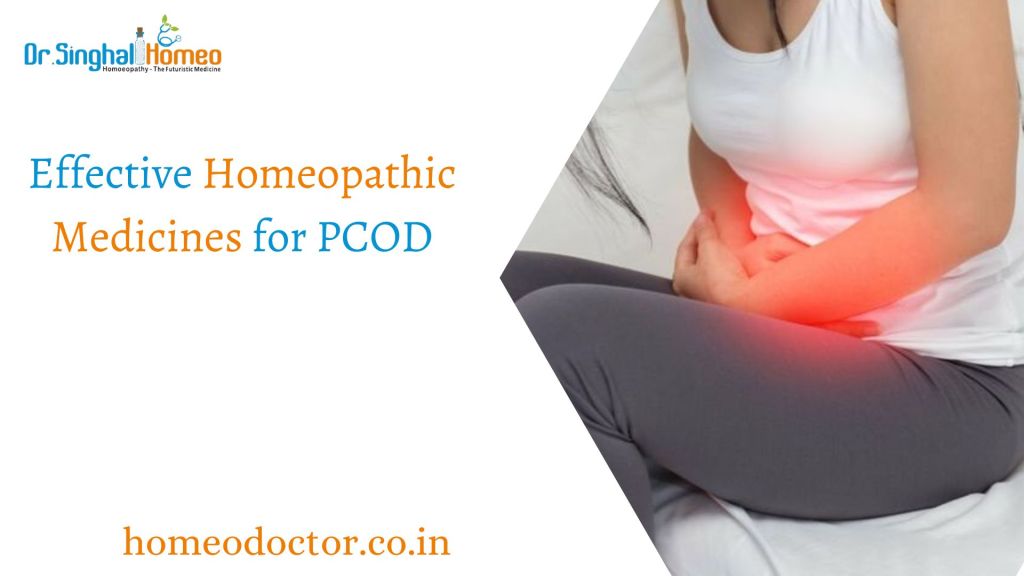
Polycystic Ovary Syndrome (PCOS) or Polycystic Ovarian Disease (PCOD) is a common endocrine disorder affecting women of reproductive age. It’s characterized by hormonal imbalances that can lead to a range of symptoms and health complications. For many women seeking alternative treatments, homeopathy has emerged as a potential solution. This article will explore the homeopathic approach to treating PCOD, its principles, and what patients can expect from this natural healing method.
What is PCOD?
PCOD is a condition where the ovaries produce an abnormal amount of androgens, male sex hormones that are usually present in women in small amounts. This hormonal imbalance can lead to the formation of small cysts on the ovaries, irregular menstrual cycles, and a host of other symptoms that can significantly impact a woman’s quality of life.
Common Symptoms of PCOD
Irregular menstrual cycles
Excessive hair growth (hirsutism)
Acne
Weight gain and difficulty losing weight
Thinning hair or hair loss
Infertility or difficulty conceiving
Mood swings and depression
The Homeopathic Approach to PCOD
Homeopathy is a holistic system of medicine that aims to stimulate the body’s self-healing mechanisms. When it comes to PCOD, homeopathic treatment focuses on addressing the root cause of the hormonal imbalance rather than just managing symptoms.
Principles of Homeopathy in Treating PCOD
Individualized Treatment: Homeopaths believe that each patient is unique, and therefore, the treatment is tailored to the individual’s specific symptoms, constitution, and overall health profile.
Holistic Approach: Homeopathy considers not just the physical symptoms but also the mental and emotional aspects of the patient’s health.
Minimal Dosage: Homeopathic remedies are highly diluted substances that are believed to work on an energetic level to stimulate healing.
No Side Effects: Due to the high dilution of remedies, homeopathic treatments are generally considered safe and free from side effects.
Homeopathic Remedies for PCOD
While the specific remedy prescribed will depend on the individual patient, there are several homeopathic medicines commonly used in the treatment of PCOD. It’s important to note that these should only be taken under the guidance of a qualified homeopathic practitioner.
Pulsatilla
Pulsatilla is often prescribed for women with PCOD who experience irregular menstrual cycles and mood swings. It’s particularly suited for patients who are emotional, mild-mannered, and tend to feel better with consolation.
Sepia
Sepia is frequently used for women who experience hormonal imbalances, including those associated with PCOD. It may be prescribed for patients who feel irritable, fatigued, and have a low libido.
Calcarea Carbonica
This remedy is often considered for women with PCOD who are overweight, feel easily fatigued, and have a tendency towards anxiety. It may also be prescribed for those with irregular menstrual cycles and excessive menstrual bleeding.
Natrum Muriaticum
Natrum Muriaticum is sometimes used for PCOD patients who experience depression, headaches, and have a craving for salt. It may also be beneficial for those with irregular menstrual cycles and acne.
Thuja Occidentalis
Thuja is often prescribed for women with PCOD who have excessive hair growth (hirsutism) and oily skin. It may also be beneficial for those with irregular menstrual cycles and weight gain.
The Homeopathic Treatment Process for PCOD
Initial Consultation
The first step in homeopathic treatment for PCOD is a comprehensive consultation with a qualified homeopath. This initial meeting typically lasts 1-2 hours and involves a detailed discussion of the patient’s symptoms, medical history, lifestyle, and emotional state.
Case Analysis
Following the consultation, the homeopath will analyze the case to determine the most appropriate remedy. This process involves matching the patient’s unique symptom picture with the known effects of various homeopathic remedies.
Prescription and Follow-up
Based on the case analysis, the homeopath will prescribe a specific remedy in a particular potency and dosage. Patients are usually asked to return for follow-up consultations at regular intervals to assess progress and make any necessary adjustments to the treatment plan.
Lifestyle Recommendations in Homeopathic Treatment for PCOD
While homeopathic remedies form the core of the treatment, homeopaths also emphasize the importance of lifestyle modifications to support overall health and well-being. These may include:
Dietary Changes: A balanced diet rich in whole foods, fruits, vegetables, and lean proteins is often recommended. Reducing processed foods, sugars, and unhealthy fats can help manage PCOD symptoms.
Regular Exercise: Physical activity is crucial for managing weight, improving insulin sensitivity, and reducing stress – all of which can help alleviate PCOD symptoms.
Stress Management: Techniques such as meditation, yoga, or deep breathing exercises may be suggested to help manage stress, which can exacerbate PCOD symptoms.
Adequate Sleep: Getting sufficient quality sleep is essential for hormonal balance and overall health.
Expected Outcomes and Duration of Treatment
The duration and outcomes of homeopathic treatment for PCOD can vary greatly depending on the individual. Some patients may see improvements in their symptoms within a few weeks, while for others, it may take several months to notice significant changes.
Potential improvements that patients may experience include:
Regularization of menstrual cycles
Reduction in excessive hair growth
Improvement in skin conditions like acne
Weight loss or easier weight management
Enhanced fertility
Improved mood and energy levels
It’s important to note that homeopathic treatment is typically a gradual process, aiming to restore balance to the body over time rather than providing quick symptomatic relief.
Combining Homeopathy with Conventional Medicine
While many patients choose homeopathy as an alternative to conventional treatments, it’s also possible to use homeopathic remedies in conjunction with standard medical care. However, it’s crucial to inform both your homeopath and conventional doctor about all treatments you’re receiving to ensure there are no contraindications.
Research on Homeopathy for PCOD
While anecdotal evidence supports the use of homeopathy for PCOD, scientific research in this area is limited. Some small-scale studies have shown promising results, but larger, more rigorous clinical trials are needed to establish the efficacy of homeopathic treatment for PCOD conclusively.
It’s important to approach homeopathic treatment with an open mind but also with realistic expectations. While many patients report significant improvements, results can vary, and homeopathy may not be effective for everyone.
Choosing a Homeopath for PCOD Treatment
When seeking homeopathic treatment for PCOD, it’s crucial to choose a qualified and experienced practitioner. Look for a homeopath who:
Has formal training from a recognized homeopathic institution
Is registered with a professional homeopathic association
Has experience in treating hormonal disorders, particularly PCOD
Is willing to work in conjunction with your conventional medical doctor if needed
Conclusion: Is Homeopathy Right for Your PCOD?
Homeopathic treatment for PCOD offers a natural, holistic approach to managing this complex hormonal disorder. By addressing the root cause of the imbalance and considering the patient as a whole, homeopathy aims to restore hormonal equilibrium and alleviate the various symptoms associated with PCOD.
However, it’s important to remember that while many women have found relief through homeopathy, it may not be the right choice for everyone. The decision to pursue homeopathic treatment should be made after careful consideration, ideally in consultation with both a qualified homeopath and a conventional medical doctor.
If you’re considering homeopathy for PCOD, take the time to research and understand this alternative approach. Speak with practitioners, read about others’ experiences, and consider how it aligns with your health goals and beliefs. Remember, the journey to hormonal balance may involve a combination of treatments, lifestyle changes, and patience.
Ultimately, the goal is to find a treatment approach that works for you, improves your quality of life, and helps you manage your PCOD effectively. Whether that includes homeopathy, conventional medicine, or a combination of both, the most important thing is to take proactive steps towards better health and well-being.
Polycystic Ovary Syndrome (PCOS) or Polycystic Ovarian Disease (PCOD) is a common hormonal disorder that affects millions of women worldwide. This condition can have a significant impact on a woman’s health, fertility, and overall quality of life. Given the complexity of PCOD, finding the right doctor for treatment is crucial. This guide will help you navigate the process of finding the best doctor for PCOD treatment, with a special focus on homeopathic approaches.
What is PCOD?
PCOD is characterized by an imbalance in reproductive hormones, leading to various symptoms such as irregular menstrual cycles, weight gain, acne, and excessive hair growth. The condition can also increase the risk of other health issues, including diabetes, heart disease, and infertility.
The Importance of Proper Diagnosis and Treatment
Due to the diverse nature of PCOD symptoms and their potential long-term health implications, it’s essential to seek treatment from a qualified and experienced doctor. The right medical professional can provide an accurate diagnosis, develop a personalized treatment plan, and help manage the condition effectively.
Qualities to Look for in a PCOD Doctor
When searching for the best doctor for PCOD treatment, consider the following qualities:
Specialization and Expertise
Look for doctors who specialize in endocrinology, gynecology, or reproductive medicine. These specialists are more likely to have in-depth knowledge of PCOD and its various treatment options.
Experience with PCOD Cases
A doctor with extensive experience in treating PCOD patients is likely to have a better understanding of the condition’s nuances and can offer more effective treatment strategies.
Holistic Approach to Treatment
The best doctors for PCOD treatment often take a holistic approach, considering not just the physical symptoms but also the emotional and lifestyle factors that can impact the condition.
Willingness to Explore Alternative Treatments
While conventional medicine offers various treatment options for PCOD, some patients may benefit from alternative approaches like homeopathy. A good doctor should be open to discussing and considering these options.
The Role of Homeopathy in PCOD Treatment
Homeopathy is gaining recognition as a complementary treatment option for PCOD. Here’s why you might consider a homeopathic approach:
Principles of Homeopathy
Homeopathy is based on the principle of “like cures like,” using highly diluted substances to stimulate the body’s natural healing processes. This approach aims to treat the root cause of the condition rather than just managing symptoms.
Potential Benefits for PCOD Patients
Hormone balance: Homeopathic remedies may help regulate hormonal imbalances associated with PCOD.
Symptom relief: Many patients report improvements in PCOD symptoms such as irregular periods, acne, and weight gain.
Minimal side effects: Homeopathic treatments are generally considered safe and have fewer side effects compared to conventional medications.
Integrating Homeopathy with Conventional Treatment
The best doctors for PCOD treatment may incorporate homeopathic remedies as part of a comprehensive treatment plan, combining them with lifestyle changes and conventional therapies when necessary.
Finding the Best Homeopathic Doctor for PCOD Treatment
If you’re interested in exploring homeopathy for PCOD treatment, here are some steps to find a qualified practitioner:
Verify Credentials and Qualifications
Look for homeopathic doctors who have completed recognized training programs and are registered with relevant professional bodies.
Check Experience and Specialization
Seek out homeopaths who have specific experience in treating PCOD and other hormonal disorders.
Read Patient Reviews and Testimonials
Online reviews and personal recommendations can provide valuable insights into a doctor’s approach and success rate in treating PCOD.
Schedule a Consultation
Many homeopathic doctors offer initial consultations. Use this opportunity to discuss your condition, ask questions, and assess whether their approach aligns with your needs.
Conventional Medical Specialists for PCOD Treatment
While homeopathy can be beneficial, it’s important to consider all available options. Here are some conventional medical specialists who typically treat PCOD:
Endocrinologists
These hormone specialists can diagnose PCOD and develop treatment plans to address hormonal imbalances.
Gynecologists
Gynecologists specializing in reproductive health can provide comprehensive care for PCOD patients, including managing fertility concerns.
Reproductive Endocrinologists
For PCOD patients struggling with infertility, reproductive endocrinologists offer specialized expertise in fertility treatments.
Choosing Between Homeopathy and Conventional Medicine
The decision to pursue homeopathic or conventional treatment for PCOD (or a combination of both) is personal and should be based on several factors:
Severity of Symptoms
Patients with mild PCOD symptoms may find relief through homeopathy, while those with severe symptoms might require conventional medical interventions.
Personal Health Goals
Consider your long-term health objectives, such as managing symptoms, improving fertility, or preventing complications.
Previous Treatment Experiences
If you’ve tried conventional treatments without success, you might consider exploring homeopathic options, or vice versa.
Comfort with Different Treatment Approaches
Some patients feel more comfortable with the natural approach of homeopathy, while others prefer the evidence-based practices of conventional medicine.
Questions to Ask When Choosing a PCOD Doctor
Regardless of whether you opt for a homeopathic or conventional doctor, here are some important questions to ask:
What is your experience in treating PCOD?
What diagnostic tests do you recommend?
What treatment options do you typically suggest for PCOD?
How do you tailor treatment plans to individual patients?
What lifestyle changes do you recommend for managing PCOD?
How do you monitor progress and adjust treatment if needed?
Do you collaborate with other specialists if necessary?
The Importance of a Multidisciplinary Approach
The best doctors for PCOD treatment often recognize the value of a multidisciplinary approach. This may involve:
Nutritionists
Diet plays a crucial role in managing PCOD symptoms. A nutritionist can help develop a personalized meal plan to support hormonal balance and weight management.
Mental Health Professionals
PCOD can have significant emotional and psychological impacts. Counselors or therapists can provide support for managing stress, anxiety, or depression related to the condition.
Fitness Experts
Regular exercise is beneficial for PCOD management. A fitness expert can design a safe and effective exercise program tailored to your needs.
Making Your Decision: Choosing the Best Doctor for You
After considering all the factors discussed, it’s time to make your decision. Remember that the “best” doctor for PCOD treatment is one who:
Listens to your concerns and takes them seriously
Explains your condition and treatment options clearly
Involves you in the decision-making process
Is willing to adjust the treatment plan based on your response
Supports your overall health and well-being
Conclusion: Your Path to PCOD Management
Finding the best doctor for PCOD treatment, whether through homeopathy or conventional medicine, is a crucial step in managing your condition effectively. By considering factors such as specialization, experience, treatment approach, and personal compatibility, you can find a healthcare provider who meets your unique needs.
Remember that PCOD management is often a journey that may involve trying different approaches. Stay patient, be open to adjusting your treatment plan, and maintain open communication with your chosen healthcare provider. With the right medical support and a commitment to healthy lifestyle changes, many women with PCOD can successfully manage their symptoms and improve their overall quality of life.
Take charge of your health: Research, ask questions, and don’t hesitate to seek second opinions. Your journey to finding the best doctor for PCOD treatment is an important investment in your long-term health and well-being.
By taking an active role in your healthcare decisions and working closely with a qualified doctor, you can navigate the challenges of PCOD and work towards optimal health and wellness.
Understanding Hair Fall: More Than Just a Cosmetic Concern
Hair fall, also known as alopecia, is a common problem that affects millions of people worldwide. It’s not just a cosmetic issue; hair loss can significantly impact an individual’s self-esteem and overall well-being. While there are numerous conventional treatments available, many people are turning to homeopathy for a natural and holistic approach to treating hair fall.
What Causes Hair Fall?
Before delving into homeopathic treatments, it’s crucial to understand the root causes of hair fall. Some common factors include:
Genetic predisposition
Hormonal imbalances
Nutritional deficiencies
Stress and anxiety
Certain medical conditions
Medications and treatments
Environmental factors
Homeopathy aims to address these underlying causes rather than just treating the symptoms, making it an attractive option for those seeking long-term solutions.
The Homeopathic Approach to Hair Fall Treatment
Homeopathy is based on the principle of “like cures like,” using highly diluted substances to stimulate the body’s natural healing processes. When it comes to hair fall treatment, homeopathy takes a holistic approach, considering the individual’s overall health, lifestyle, and specific symptoms.
Individualized Treatment Plans
One of the key advantages of homeopathic hair fall treatment is its personalized approach. A qualified homeopath will conduct a thorough examination and consider various factors, including:
The pattern and extent of hair loss
Overall health and medical history
Lifestyle factors
Emotional and mental well-being
Dietary habits
Based on this comprehensive assessment, the homeopath will prescribe a tailored treatment plan that addresses the specific needs of the individual.
Common Homeopathic Remedies for Hair Fall
While homeopathic treatment is highly individualized, there are several remedies that are frequently used in the treatment of hair fall. It’s important to note that these remedies should only be taken under the guidance of a qualified homeopath.
1. Thuja Occidentalis
Thuja is often prescribed for hair fall associated with dandruff and an oily scalp. It’s particularly effective for:
Thinning hair
Hair that falls out in patches
Scalp that feels sensitive to touch
2. Phosphorus
Phosphorus is commonly used when hair fall is accompanied by:
Premature graying
Dry and brittle hair
Hair that falls out easily when combing or washing
3. Lycopodium
Lycopodium is beneficial for hair fall related to:
Premature balding, especially in men
Receding hairline
Hair that becomes thin and sparse
4. Silicea
Silicea is often prescribed for:
Weak and brittle hair
Slow-growing hair
Hair that breaks easily
5. Natrum Muriaticum
This remedy is useful for hair fall associated with:
Dry and itchy scalp
Dandruff
Hair that falls out in handfuls
The Role of Diet and Lifestyle in Homeopathic Hair Fall Treatment
While homeopathic remedies play a crucial role in treating hair fall, diet and lifestyle modifications are equally important for optimal results.
Nutritional Support for Healthy Hair
A balanced diet rich in essential nutrients can significantly improve hair health. Some key nutrients include:
Protein: Essential for hair growth and strength
Iron: Prevents hair loss due to anemia
Vitamin C: Enhances iron absorption and promotes collagen production
Biotin: Supports hair growth and overall hair health
Omega-3 fatty acids: Nourish hair follicles and promote scalp health
Stress Management Techniques
Stress is a significant contributor to hair fall. Incorporating stress-reduction techniques into your daily routine can complement homeopathic treatment:
Regular exercise
Meditation and mindfulness practices
Adequate sleep
Yoga or tai chi
Deep breathing exercises
The Benefits of Choosing Homeopathy for Hair Fall Treatment
Homeopathic hair fall treatment offers several advantages over conventional treatments:
Natural and Safe: Homeopathic remedies are derived from natural substances and are highly diluted, making them safe for long-term use with minimal side effects.
Holistic Approach: Homeopathy addresses the root cause of hair fall, considering the individual’s overall health and well-being.
Non-Invasive: Unlike surgical procedures, homeopathic treatments are non-invasive and do not require any recovery time.
Cost-Effective: Compared to expensive conventional treatments, homeopathic remedies are generally more affordable in the long run.
Complementary to Other Treatments: Homeopathy can be safely used alongside other hair care practices and treatments.
What to Expect During Homeopathic Hair Fall Treatment
The first step is a detailed consultation with a qualified homeopath. This may include:
A thorough medical history
Physical examination of the scalp and hair
Discussion of lifestyle factors and emotional well-being
Analysis of any previous treatments or medications
Treatment Timeline
The duration of homeopathic treatment for hair fall can vary depending on individual factors. Generally, you can expect:
Initial improvements in overall health and well-being within a few weeks
Visible reduction in hair fall within 2-3 months
Noticeable hair regrowth within 6-12 months
It’s crucial to follow the prescribed treatment plan consistently and attend follow-up appointments as recommended by your homeopath.
Tips for Maximizing the Effectiveness of Homeopathic Hair Fall Treatment
To get the most out of your homeopathic hair fall treatment, consider the following tips:
Be Patient: Homeopathic treatment works gradually, so patience is key.
Follow Instructions Carefully: Take remedies as prescribed by your homeopath.
Maintain a Healthy Lifestyle: Support your treatment with a balanced diet and stress management techniques.
Avoid Harsh Hair Products: Use gentle, natural hair care products to minimize damage.
Stay Hydrated: Drink plenty of water to support overall health and hair growth.
Massage Your Scalp: Regular scalp massages can improve blood circulation and promote hair growth.
Communicate with Your Homeopath: Keep your practitioner informed of any changes or concerns during treatment.
Conclusion: A Natural Path to Healthier Hair
Hair fall treatment in homeopathy offers a natural, holistic approach to addressing this common concern. By targeting the root causes of hair loss and considering the individual as a whole, homeopathy provides a safe and effective alternative to conventional treatments.
While results may take time, the benefits of homeopathic hair fall treatment extend beyond just hair regrowth. Many individuals experience improvements in overall health, energy levels, and well-being throughout the course of treatment.
If you’re considering homeopathy for hair fall treatment, it’s essential to consult with a qualified homeopath who can provide personalized care and guide you through the treatment process. With patience, consistency, and a holistic approach to health, homeopathy can be a valuable tool in your journey towards healthier, fuller hair.
Remember, every individual’s experience with hair fall and its treatment is unique. Homeopathy offers a tailored approach that respects this individuality, providing hope for those seeking a natural solution to hair loss.



 Dr. Singhal Homeo – Homeopathic Treatment & Online Consultation