Finding the Best Care: Top-Rated Ankylosing Spondylitis Doctors

Ankylosing spondylitis (AS) is a chronic inflammatory disease that primarily affects the spine, leading to severe pain and discomfort. For those living with AS, finding the right doctor can make a significant difference in managing symptoms and improving quality of life. In this article, we will explore what makes a doctor top-rated in the field of ankylosing spondylitis, how to find these specialists, and what to expect from your care.

Understanding Ankylosing Spondylitis

Before diving into the specifics of finding a top-rated doctor, it’s essential to understand what ankylosing spondylitis is and how it affects individuals.

What is Ankylosing Spondylitis?

Ankylosing spondylitis is a type of arthritis that primarily affects the spine, although other joints can be involved. It causes inflammation of the spinal joints, which can lead to severe, chronic pain and discomfort. Over time, AS can cause some of the vertebrae in the spine to fuse, resulting in a loss of flexibility and a hunched-forward posture.

  • Symptoms: Chronic back pain, stiffness, reduced flexibility, fatigue, and in severe cases, fusion of the spine.
  • Causes: The exact cause is unknown, but genetic factors play a significant role. The HLA-B27 gene is commonly associated with AS.
  • Diagnosis: Typically involves a combination of physical exams, imaging tests like X-rays or MRIs, and blood tests.

The best doctor for ankylosing spondylitis treatment is experienced in identifying the early symptoms of the condition, which can be tricky to diagnose.

What Makes a Doctor Top-Rated in Ankylosing Spondylitis?

Finding a doctor who is well-versed in ankylosing spondylitis can be challenging, but certain qualities and qualifications can help identify top-rated specialists.

Expertise and Experience

A top-rated ankylosing spondylitis doctor will have extensive experience in diagnosing and treating the condition. This often includes:

  • Board Certification: Look for doctors who are board-certified in rheumatology, as they specialize in arthritis and related conditions.
  • Years of Practice: Consider the number of years a doctor has been practicing, particularly in treating AS.
  • Research and Publications: Doctors who are involved in research or have published studies on AS may have a deeper understanding of the disease.

Patient-Centered Care

Top-rated doctors prioritize patient-centered care, which includes:

  • Listening Skills: They take the time to listen to patients’ concerns and symptoms.
  • Personalized Treatment Plans: They develop treatment plans tailored to individual needs and lifestyles.
  • Communication: They explain medical terms and treatment options in a way that is easy to understand.

“A great doctor not only treats the disease but also cares for the person who has the disease.”

How to Find Top-Rated Ankylosing Spondylitis Doctors

Finding the right doctor involves research and sometimes a bit of trial and error. Here are some steps to help you in your search:

Online Resources and Reviews

The internet is a valuable tool for finding top-rated doctors. Consider the following resources:

  • Health Websites: Websites like Healthgrades, Zocdoc, and Vitals provide patient reviews and ratings for doctors.
  • Professional Associations: The American College of Rheumatology (ACR) offers a directory of rheumatologists.
  • Hospital Websites: Many hospitals have profiles of their doctors, including their specialties and patient reviews.

Recommendations and Referrals

Personal recommendations can be invaluable:

  • Primary Care Physician: Ask your primary care doctor for a referral to a rheumatologist.
  • Support Groups: Connect with others who have AS through support groups or online forums to get recommendations.
  • Family and Friends: They may know of reputable doctors through their own experiences.

What to Expect from Your Care

Once you’ve found a top-rated doctor, understanding what to expect from your care can help you feel more prepared and confident.

Initial Consultation

During your first visit, the doctor will likely:

  • Review your medical history and symptoms.
  • Conduct a physical examination.
  • Order diagnostic tests, such as blood tests or imaging studies.

Treatment Options

Treatment for AS often involves a combination of:

  • Medications: Nonsteroidal anti-inflammatory drugs (NSAIDs), biologics, and other medications to reduce inflammation and pain.
  • Physical Therapy: Exercises to improve posture, flexibility, and strength.
  • Lifestyle Changes: Recommendations for diet, exercise, and other lifestyle modifications.

Ongoing Management

Managing AS is a lifelong process:

  • Regular Check-Ups: Regular visits to monitor the disease’s progression and adjust treatment as needed.
  • Patient Education: Learning about AS and how to manage symptoms effectively.

Conclusion

Finding a top-rated ankylosing spondylitis doctor can significantly impact your journey with the disease. By focusing on expertise, patient-centered care, and utilizing available resources, you can find a specialist who meets your needs. Remember, managing AS is a collaborative effort between you and your healthcare provider, and finding the right doctor is a crucial first step.

Managing IBS Naturally: A Comprehensive Guide to Homeopathic Treatment

Understanding IBS and Homeopathic Approaches

Irritable Bowel Syndrome (IBS) affects millions worldwide, causing significant disruption to daily life through symptoms like abdominal pain, bloating, and irregular bowel movements. While conventional medicine offers various treatments, many patients are turning to homeopathy for IBS management, seeking a gentler, more holistic approach to their digestive health.

How Homeopathy Views IBS

Homeopathic treatment approaches IBS differently from conventional medicine. Rather than merely addressing symptoms, homeopathic practitioners examine the complete patient profile, including:

  • Physical symptoms and their specific characteristics
  • Emotional and mental state
  • Environmental factors
  • Dietary habits
  • Stress triggers
  • Sleep patterns

Common Homeopathic Remedies for IBS

Nux Vomica

This remedy often helps patients who experience:

  • Constipation with unsuccessful urges
  • Digestive issues triggered by stress
  • Symptoms worse after consuming spicy foods or stimulants
  • Irritability and impatience

Lycopodium

Particularly beneficial for:

  • Bloating and gas, especially in the evening
  • Better symptoms after warm drinks
  • Anxiety about health
  • Loss of confidence due to digestive issues

Arsenicum Album

Recommended for patients experiencing:

  • Burning sensations in the digestive tract
  • Anxiety about health
  • Symptoms worse at night
  • Food sensitivities and intolerance
The Consultation Process

When visiting a homeopath for IBS treatment, expect:

Initial Consultation

  • Detailed discussion about symptoms
  • Complete medical history review
  • Questions about lifestyle and stress factors
  • Assessment of emotional well-being

Follow-up Care

  • Regular monitoring of progress
  • Adjustment of remedies as needed
  • Lifestyle and dietary recommendations
  • Stress management guidance
Complementary Approaches

The best homeopath will often recommend additional supportive measures:

Dietary Modifications

  • Identification of trigger foods
  • Implementation of food diary
  • Gradual dietary changes
  • Proper hydration guidelines

Lifestyle Changes

  • Stress reduction techniques
  • Regular exercise recommendations
  • Sleep hygiene improvements
  • Mindfulness practices

Research and Evidence

While more research is needed, several studies suggest the potential benefits of homeopathy for IBS:

  • Clinical trials showing symptom improvement
  • Patient satisfaction surveys
  • Quality of life assessments
  • Long-term follow-up studies

What to Expect from Homeopathic Treatment

Timeline

  • Initial response period: 2-4 weeks
  • Gradual improvement phase: 3-6 months
  • Long-term management: Ongoing support

Possible Outcomes

  • Reduced frequency of symptoms
  • Better stress management
  • Improved digestion
  • Enhanced overall well-being

Choosing the Right Practitioner

When selecting a homeopathy for IBS treatment, consider:

  • Professional qualifications
  • Experience with digestive disorders
  • Patient testimonials
  • Communication style
  • Treatment approach

Remember: The success of homeopathic treatment often depends on finding the right practitioner who can provide personalized care tailored to your specific symptoms and needs.

Making an Informed Decision

Before starting homeopathic treatment for IBS:

  • Consult with your current healthcare provider
  • Research qualified practitioners
  • Understand the commitment required
  • Set realistic expectations
  • Prepare for a holistic approach to healing

Moving Forward with Treatment

The journey to managing IBS through homeopathy requires patience and commitment. While results may not be immediate, many patients report significant improvements in their symptoms and quality of life with consistent treatment and follow-up care.

Remember that homeopathy for IBS works best as part of a comprehensive approach to health, including proper diet, stress management, and lifestyle modifications. Working with a qualified homeopathic practitioner can provide the support and guidance needed to navigate this journey effectively.

For more questions about Homeopathic treatment for IBS, Call or WhatsApp us at +91 9056551747.

Finding the Best Doctor for Warts Treatment: A Comprehensive Guide to Homeopathic Solutions

Understanding Warts and Their Impact

Warts are common skin growths caused by the human papillomavirus (HPV) that can appear on various parts of the body. While they’re generally harmless, warts can be aesthetically concerning and, in some cases, uncomfortable or painful. Finding the best doctor for warts treatment is crucial for effective management and elimination of these persistent skin conditions.

Why Consider Homeopathic Treatment for Warts?

Homeopathic treatment has gained significant recognition as an effective approach to treating warts. This natural healing system works by stimulating the body’s inherent healing mechanisms. The best homeopath for warts treatment considers not just the physical symptoms but also takes into account the patient’s overall health condition and lifestyle factors.

Benefits of Homeopathic Treatment:

  • No harmful side effects
  • Non-invasive treatment approach
  • Long-lasting results
  • Cost-effective compared to surgical options
  • Treats the root cause rather than just symptoms

Choosing the Best Homeopath for Warts Treatment

Qualifications and Credentials

When selecting the best doctor for warts treatment, particularly in homeopathy, verify these essential qualifications:

  • BHMS (Bachelor of Homeopathic Medicine and Surgery) degree
  • Registration with relevant homeopathic medical council
  • Additional certifications in dermatology
  • Years of clinical experience
  • Success rate in treating warts

Experience and Expertise

The best homeopath should have:

  • Specialized knowledge in treating different types of warts
  • Understanding of various homeopathic medicines and their applications
  • Experience in handling complicated cases
  • Regular updates with latest developments in homeopathic treatment

What to Expect During Homeopathic Treatment

Initial Consultation

The first visit to a homeopathic doctor typically involves:

  • Detailed case history taking
  • Physical examination of warts
  • Discussion about lifestyle and dietary habits
  • Analysis of emotional and mental health
  • Family history assessment

Treatment Process

A professional homeopathic treatment plan usually includes:

  • Customized medicine selection based on individual symptoms
  • Dietary recommendations
  • Lifestyle modification suggestions
  • Regular follow-up sessions
  • Progress monitoring

Common Homeopathic Remedies for Warts

While treatment plans are individualized, some commonly prescribed homeopathic medicines include:

Internal Medicines

  • Thuja Occidentalis
  • Causticum
  • Nitric Acid
  • Calcarea Carbonica

External Applications

  • Homeopathic mother tinctures
  • Natural compounds
  • Medicated oils

“The success of homeopathic treatment largely depends on selecting the right homeopath who can prescribe the most suitable constitutional remedy.”

Duration and Results of Treatment

Timeline Expectations

The duration of homeopathic treatment for warts varies based on:

  • Type and size of warts
  • Duration of the condition
  • Patient’s immune system
  • Overall health condition
  • Compliance with treatment protocol

Monitoring Progress

A good homeopathic doctor will:

  • Schedule regular follow-ups
  • Document changes in wart size and appearance
  • Adjust treatment plans as needed
  • Address any concerns promptly

Prevention and Long-term Care

Lifestyle Recommendations

The best homeopaths often advise:

  • Maintaining good hygiene
  • Strengthening immune system
  • Following a balanced diet
  • Regular exercise
  • Stress management

Follow-up Care

Post-treatment care typically includes:

  • Periodic check-ups
  • Preventive medicines if needed
  • Guidance on preventing recurrence
  • Immune system support

Making an Informed Decision

Questions to Ask Your Homeopath

Before starting treatment, consider asking:

  • What is their success rate with warts treatment?
  • How long have they been practicing?
  • What is the expected duration of treatment?
  • What are the costs involved?
  • Are there any lifestyle changes required?

Red Flags to Watch For

Be cautious of practitioners who:

  • Promise overnight results
  • Don’t take detailed case history
  • Prescribe standard treatments without personalization
  • Don’t provide clear treatment plans
  • Are unavailable for follow-up consultations

Final Thoughts on Choosing the Right Doctor

Finding the best doctor for warts treatment through homeopathy requires careful consideration and research. Look for a qualified and experienced homeopath who:

  • Takes a holistic approach to treatment
  • Has a proven track record
  • Maintains transparent communication
  • Provides comprehensive care
  • Shows genuine concern for patient well-being

“The right homeopathic treatment can not only eliminate warts but also improve overall health and prevent recurrence.”

Remember that successful treatment depends on both the expertise of the homeopath and the patient’s commitment to following the prescribed treatment plan. Take time to research and choose a practitioner who makes you feel comfortable and confident about the treatment process.

Natural Relief: A Complete Guide to Homeopathic Allergy Treatment

Understanding Allergies from a Homeopathic Perspective

Basic Principles of Homeopathy in Allergy Treatment

Homeopathy looks at allergies as your body’s way of telling you something isn’t quite right. Instead of just treating the sneezing or itching, homeopathy aims to help your whole body feel better. It’s like having a conversation with your body to understand what it really needs.

How Homeopathy Views Allergic Reactions Differently

While conventional medicine sees allergies as something to fight against, homeopathy sees them as signals. Think of it like your body’s alarm system – when something isn’t right, it sets off these reactions. Homeopathy works to reset this alarm system rather than just turning it off.

Connection Between Body Constitution and Allergic Responses

Each person reacts to allergies in their own way. Some might get itchy eyes, others might sneeze, and some might get skin rashes. Homeopathy takes these individual differences into account. It’s like having a custom-made solution just for you.

Common Homeopathic Remedies for Allergies

Top Remedies for Seasonal Allergies and Hay Fever

  • Allium cepa – helpful when your nose runs like a tap and your eyes water
  • Euphrasia – great for itchy, burning eyes
  • Natrum muriaticum – works well for allergies with clear, watery discharge
  • Sabadilla – helpful for constant sneezing fits

Remedies for Food Allergies and Sensitivities

  • Apis mellifica – helps with swelling and hives
  • Arsenicum album – good for food sensitivities with burning sensations
  • Carbo vegetabilis – helps with bloating and digestive issues

Treatment Options for Skin Allergies and Reactions

  • Rhus toxicodendron – helps with itchy, red rashes
  • Urtica urens – good for hives and burning skin
  • Sulphur – helps with dry, itchy skin conditions

Homeopathic Treatment Process

Initial Consultation and Case Analysis

Your first visit to a homeopath usually takes about an hour. They’ll ask about your allergies, but also about your sleep, mood, and general health. It’s like telling your life story to help find the perfect remedy match.

Selecting the Right Potency and Dosage

Homeopathic remedies come in different strengths. Your homeopath will choose the right one based on your symptoms and sensitivity. Sometimes, you might start with a lower potency and gradually increase it.

Monitoring Progress and Adjusting Treatment

Keep track of how you feel after taking remedies. Some people notice changes in a few days, while others might take longer. Your homeopath will make adjustments based on your response.

“Remember: Homeopathy isn’t about quick fixes – it’s about helping your body find its natural balance.”

Frequently Asked Questions

How long does homeopathic allergy treatment take to work?

Every person responds differently. Some might feel better in days, others might need a few weeks or months.

Can children use homeopathic remedies for allergies?

Yes, homeopathic remedies are gentle and safe for children when properly prescribed.

Are there any side effects of homeopathic allergy treatment?

Allergy treatment in Homeopathy is generally safe, though some people might experience a temporary increase in symptoms as part of the healing process.

Can homeopathy cure allergies permanently?

While some people experience long-term relief, results vary. The goal is to improve your body’s overall response to allergens.

How is homeopathic treatment different from conventional allergy medicine?

Homeopathy aims to address the root cause rather than just managing symptoms, and treatments are individualized for each person.

If you have more questions regarding allergy treatment in Homeopathy, please feel free to contact us at +91 9056557147.

Comprehensive Guide to Homeopathy Treatment for Anal Fissure: A Natural Healing Approach

Understanding Anal Fissures and Their Impact

Anal fissures are small tears in the lining of the anal canal that can cause significant discomfort and affect daily life. These painful conditions often occur due to constipation, hard stools, or trauma to the anal area. For those seeking a gentle yet effective treatment approach, homeopathy offers promising solutions without the side effects commonly associated with conventional medications.

How Homeopathy Addresses Anal Fissures

Homeopathic treatment approaches anal fissures by considering both the physical symptoms and the individual’s overall constitution. This holistic method focuses on stimulating the body’s natural healing mechanisms rather than merely suppressing symptoms.

Key Benefits of Homeopathic Treatment

  • Non-invasive approach with minimal side effects
  • Addresses both acute and chronic conditions
  • Helps prevent recurrence
  • Supports overall digestive health
  • Cost-effective compared to surgical interventions

Effective Homeopathic Remedies for Anal Fissure

Nitric Acid

This remedy is particularly effective when there’s sharp, splitting pain during and after bowel movements. Patients who benefit from Nitric Acid often experience:

  • Intense burning sensation
  • Bleeding after bowel movements
  • Sensitivity in the anal region

Ratanhia

Recommended when there’s:

  • Severe burning pain after stool
  • Sensation of splinters in the rectum
  • Constipation with hard, dry stools

Thuja Occidentalis

Beneficial for:

  • Chronic fissures
  • Pain extending from rectum to perineum
  • Associated hemorrhoids

Lifestyle Modifications to Support Healing

While undergoing homeopathic treatment, certain lifestyle changes can enhance the healing process:

Dietary Recommendations
  • Increase fiber intake through fruits and vegetables
  • Maintain adequate hydration
  • Include natural stool softeners like psyllium husk
  • Avoid spicy and acidic foods

Physical Care

  • Practice proper hygiene
  • Take warm sitz baths
  • Avoid straining during bowel movements
  • Regular but gentle exercise

When to Consult a Professional Homeopath

A qualified homeopath should be consulted when:

  • Symptoms persist beyond two weeks
  • There’s significant bleeding
  • Pain becomes severe or chronic
  • Previous treatments have been ineffective

Treatment Duration and Expected Results

The duration of homeopathic treatment varies depending on:

  • Severity of the fissure
  • Duration of the condition
  • Individual response to treatment
  • Overall health status

Most patients experience improvement within 2-4 weeks of starting treatment, though chronic cases may require longer treatment periods.

Prevention and Long-term Management

Preventive Measures
  • Regular bowel habits
  • Balanced diet rich in fiber
  • Adequate water intake
  • Stress management
Maintenance Care
  • Follow-up consultations as recommended
  • Constitutional homeopathic treatment
  • Regular lifestyle modifications
  • Monitoring of symptoms

“The key to successful treatment lies in consistency and following the prescribed homeopathic regime along with recommended lifestyle changes.”

Making an Informed Decision

When considering homeopathy treatment for anal fissures, it’s important to:

  • Research qualified homeopathic practitioners
  • Understand the treatment process
  • Commit to the recommended duration
  • Follow dietary and lifestyle guidelines

Final Thoughts

Homeopathy offers a gentle, effective approach to treating anal fissures. While results may not be immediate, the treatment addresses the root cause and helps prevent recurrence. Success depends on choosing a qualified homeopath, following the prescribed treatment plan, and maintaining recommended lifestyle changes.

For optimal results, patients should maintain open communication with their homeopath and report any changes in symptoms during the treatment period. This allows for necessary adjustments to the treatment plan and ensures the best possible outcome.

Natural Healing Approaches: Understanding Homeopathic Treatments for Behcet’s Disease

Understanding Behcet’s Disease

Basic Pathology and Symptoms

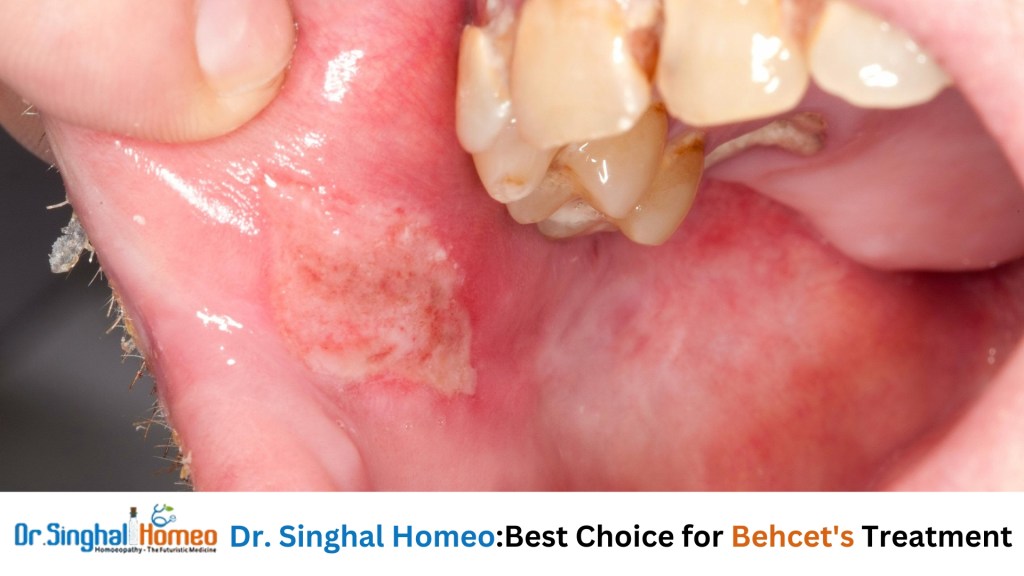
Behcet’s disease is a rare condition that causes blood vessel inflammation throughout your body. The most common signs include mouth sores, eye inflammation, and skin problems. Think of it as your immune system getting a bit confused and attacking healthy cells.

Common Triggers and Risk Factors

  • Genetic factors, especially in people from Middle Eastern and Asian backgrounds
  • Stress often makes symptoms worse
  • Environmental factors like certain foods or chemicals
  • Age (usually appears in your 20s or 30s)

Traditional Medical Approaches

The usual treatment includes medications to reduce inflammation and suppress the immune system. Doctors typically prescribe corticosteroids and immunosuppressants, but these can have side effects.

Principles of Homeopathic Treatment

Individualized Treatment Philosophy

Homeopathy looks at each person’s unique situation. Your treatment plan will be different from someone else’s, even if you both have Behcet’s disease. It’s like having a custom-made suit instead of buying one off the rack.

Holistic Assessment Methods

A homeopathic doctor will ask about:

  • Your sleep patterns
  • Food preferences
  • Emotional state
  • Family history
  • Life circumstances

Role of Constitutional Remedies

Homeopathic treatment for Bechet aims to boost your body’s natural healing abilities. They’re chosen based on your specific symptoms and personal characteristics.

Common Homeopathic Remedies for Behcet’s

Remedies for Oral Ulcers

  • Mercurius solubilis: Helps with painful mouth ulcers
  • Borax: Good for sensitive mouth sores
  • Thuja: Assists with recurring ulcers

Treatments for Skin Manifestations

  • Apis mellifica: Reduces skin inflammation
  • Rhus toxicodendron: Helps with skin rashes
  • Graphites: Good for healing skin lesions

Solutions for Joint Pain and Inflammation

  • Bryonia: Helps with stiff, painful joints
  • Rhus tox: Good for moving pain
  • Colchicum: Assists with severe joint inflammation
Lifestyle Integration with Homeopathy

Dietary Modifications

  • Eat anti-inflammatory foods
  • Avoid processed foods
  • Include plenty of fresh fruits and vegetables
  • Stay hydrated with clean water

Stress Management Techniques

  • Regular meditation
  • Deep breathing exercises
  • Gentle yoga
  • Daily walks in nature

Exercise and Physical Activity Guidelines

  • Start with gentle exercises
  • Listen to your body
  • Include stretching
  • Build strength gradually
Monitoring and Managing Treatment Progress

Tracking Symptom Changes

Keep a daily diary noting:

  • Ulcer frequency
  • Pain levels
  • Energy levels
  • Sleep quality

Adjusting Remedies and Dosages

Work with your homeopathic practitioner to:

  • Fine-tune remedies
  • Adjust doses as needed
  • Review progress regularly

Working with Healthcare Providers

  • Keep all your doctors informed
  • Share test results
  • Discuss treatment changes
Supportive Complementary Therapies

Herbal Supplements

  • Turmeric for inflammation
  • Green tea for antioxidants
  • Ginger for joint pain

Mind-Body Practices

  • Tai Chi
  • Gentle yoga
  • Mindfulness meditation
  • Breathing exercises

Alternative Healing Methods

  • Acupuncture
  • Massage therapy
  • Heat/cold therapy

Summary

Key Treatment Principles

  • Individual approach is essential
  • Regular monitoring helps track progress
  • Combining treatments often works best

Important Considerations

  • Be patient with the healing process
  • Stay consistent with remedies
  • Keep good communication with practitioners

Long-term Management Strategies

  • Regular check-ups
  • Lifestyle modifications
  • Stress management

Frequently Asked Questions

How long does homeopathic treatment take to show results?

Most people notice small improvements within 4-6 weeks, but deeper healing can take several months.

Can homeopathy be combined with conventional medicine?

Yes, but always inform both your regular doctor and homeopath about all treatments you’re taking.

What are the success rates of homeopathic treatment?

Results vary by person, but many people report improvement in symptoms and quality of life.

Is homeopathic treatment safe during flare-ups?

Yes, but treatment might need adjustment during these times.

How to choose a qualified homeopathic practitioner?

Look for proper certification and experience with Behcet’s disease, and check reviews from other patients.

To make an appointment with our skilled doctor for homeopathic treatment for Bechet’s, call or WhatsApp us at +91 9056551747.

Exploring Aplastic Anemia Treatment in Homeopathy: A Comprehensive Guide

Understanding Aplastic Anemia

Aplastic anemia is a rare but serious blood disorder that occurs when the body stops producing enough new blood cells. This condition can leave you feeling tired and more prone to infections and uncontrolled bleeding. If you or a loved one has been diagnosed with aplastic anemia, you’re likely exploring various treatment options. While conventional medicine offers several approaches, many people are turning to alternative therapies like homeopathy for additional support.

The Role of Homeopathy in Treating Aplastic Anemia

Homeopathy is a holistic system of medicine that aims to stimulate the body’s natural healing processes. Regarding aplastic anemia, homeopathic treatments focus on supporting the body’s ability to produce healthy blood cells and boosting the immune system.

How Homeopathy Approaches Aplastic Anemia

Homeopathic practitioners believe in treating the whole person, not just the symptoms. They consider various factors, such as:

  • Your overall health history
  • Emotional and mental state
  • Environmental factors
  • Genetic predisposition

By considering all these aspects, a homeopath can create a personalized treatment plan tailored to your specific needs.

Common Homeopathic Remedies for Aplastic Anemia

While treatment plans are individualized, there are several homeopathic remedies often used in the management of aplastic anemia:

Arsenicum Album

This remedy is often prescribed for patients experiencing extreme weakness, anxiety, and restlessness. It may help improve overall vitality and boost the immune system.

Phosphorus

Phosphorus is commonly used for patients who tend to bleed easily. It may help improve blood cell production and reduce bleeding tendencies.

China Officinalis

This remedy is often recommended for patients experiencing extreme weakness due to bodily fluid loss. It may help improve energy levels and support the body’s recovery process.

Ferrum Phosphoricum

Ferrum Phosphoricum often addresses anemia-related symptoms such as paleness, weakness, and shortness of breath.

Natrum Muriaticum

This medication may benefit patients who experience fatigue, headaches, and weakness.

It’s important to note that these medications should only be taken under the guidance of a qualified homeopathic practitioner. Self-medication is not recommended.

The Potential Benefits of Homeopathy for Aplastic Anemia

Many patients and their families choose to explore homeopathy as a complementary treatment for aplastic anemia due to several potential benefits:

  1. Minimal side effects: Homeopathic remedies are generally considered safe and have few if any, side effects when taken as directed.
  2. Holistic approach: Homeopathy treats the whole person, not just the symptoms, potentially addressing underlying issues that may contribute to the condition.
  3. Personalized treatment: Each treatment plan is tailored to the individual, considering their unique symptoms and overall health. This personalized approach provides that the aplastic anemia treatment in homeopathy is effective and aligns with the patient’s overall well-being.
  4. Supportive care: Homeopathy can be used alongside conventional treatments to help manage symptoms and improve quality of life.
  5. Immune system support: Many homeopathic remedies aim to boost the immune system, which can benefit aplastic anemia patients.

Combining Homeopathy with Conventional Treatment

It is crucial to understand that homeopathy should not replace conventional medical treatment for aplastic anemia. Instead, it can be a complementary therapy to support overall health and well-being.

Working with Your Healthcare Team

If you’re considering homeopathy, discussing this with your hematologist or primary care physician is essential. They can help you understand how homeopathic treatments might interact with your current medications and therapies.

Finding a Qualified Homeopath

When seeking homeopathic treatment, working with a qualified and experienced practitioner is important. Look for someone who:

  • Has proper certification and training in homeopathy
  • Has experience in treating blood disorders
  • Is willing to work in conjunction with your conventional medical team

Lifestyle Changes to Support Aplastic Anemia Treatment

In addition to homeopathic remedies, specific lifestyle changes can support your treatment and overall health:

  1. Balanced diet: Eat a nutritious diet rich in fruits, vegetables, and whole grains to support your immune system and overall health.
  2. Regular exercise: As approved by your doctor, Gentle exercise can help improve energy levels and overall well-being.
  3. Stress management: Practices like meditation, yoga, or deep breathing exercises can help reduce stress, which may positively impact your immune system.
  4. Adequate rest: Ensure you get enough sleep and rest to support your body’s healing processes.
  5. Avoid harmful substances: Stay away from tobacco, alcohol, and other substances that can negatively impact your health.

The Journey to Better Health

Dealing with aplastic anemia can be challenging, but exploring various treatment options, including homeopathy, can provide hope and improve your quality of life. Remember, every person’s journey with aplastic anemia is unique, and what works for one individual may not work for another.

Working closely with your healthcare team, including conventional and homeopathic practitioners, is crucial to develop a comprehensive treatment plan that addresses your specific needs. Stay informed, ask questions, and don’t hesitate to seek support from loved ones and support groups.

While the road to managing aplastic anemia may be extended, many patients find that combining conventional medicine and complementary therapies like homeopathy helps them feel more in control of their health and improves their overall well-being.

Remember, your health journey is personal, and it’s okay to explore different options as long as you do so safely and under professional guidance. Stay positive, stay informed, and keep progressing on your path to better health.

If you have further queries about aplastic anemia treatment in Homeopathy, please get in touch with us at +91 9056551747.

Finding the Best Doctor for HPV Treatment: A Comprehensive Guide

Understanding HPV and Treatment Options

Human Papillomavirus (HPV) is a common viral infection that requires proper medical attention and treatment. When seeking treatment for HPV, it’s crucial to choose the right healthcare provider who can offer effective solutions while ensuring patient comfort and confidentiality.

Conventional Medical Specialists for HPV Treatment

Gynecologists

Gynecologists are often the first specialists’ patients consult for HPV-related concerns. These medical professionals specialize in women’s reproductive health and can:

  • Perform detailed examinations
  • Conduct HPV testing
  • Provide treatment for genital warts
  • Monitor cervical health through regular screenings

Dermatologists

For HPV manifestations affecting the skin, dermatologists offer specialized care:

  • Treatment of various types of warts
  • Advanced procedures like cryotherapy
  • Topical medication prescriptions
  • Regular monitoring of skin conditions

Homeopathic Approach to HPV Treatment

Homeopathy offers a holistic approach to HPV treatment, focusing on both symptomatic relief and immune system strengthening. The best homeopathy for HPV treatment typically:

Comprehensive Assessment

  • Takes detailed patient history
  • Evaluates emotional and physical symptoms
  • Considers lifestyle factors
  • Analyzes previous treatments

Personalized Treatment Plans

Homeopathic practitioners develop individualized treatment protocols that may include:

  • Constitutional remedies
  • Specific medicines for wart treatment
  • Immune-boosting supplements
  • Dietary recommendations

“Homeopathic treatment for genital warts or HPV focuses on enhancing the body’s natural healing mechanisms while addressing specific symptoms.”

Choosing the Right Healthcare Provider

Essential Qualifications

When selecting the best doctor for HPV treatment, consider:

  • Medical credentials and specialization
  • Years of experience in treating HPV
  • Success rate with previous patients
  • Continued education in HPV management

Practice Standards

Look for healthcare providers who maintain:

  • Modern facility equipment
  • Strict hygiene protocols
  • Updated treatment methods
  • Comprehensive patient care systems
Integrated Treatment Approach

Many patients benefit from combining different treatment modalities. The best treatment plan might include:

Medical Integration

  • Regular monitoring by primary care physician
  • Specialized treatments from relevant specialists
  • Homeopathic support for overall health
  • Regular health assessments

Supportive Care

  • Immune system support
  • Stress management techniques
  • Dietary modifications
  • Lifestyle adjustments
Patient-Centered Care Elements

Communication

The best doctor for HPV treatment should provide:

  • Clear explanation of treatment options
  • Regular progress updates
  • Available consultation channels
  • Patient education materials

Follow-up Care

Effective treatment includes:

  • Scheduled follow-up appointments
  • Regular monitoring of symptoms
  • Adjustment of treatment plans as needed
  • Prevention strategies
Making an Informed Decision

Research and Verification

Before choosing a healthcare provider:

  • Check medical board certifications
  • Read patient reviews and testimonials
  • Verify clinic credentials
  • Confirm insurance coverage

Initial Consultation

During your first visit, observe:

  • The doctor’s approach to patient care
  • Clinic environment and staff professionalism
  • Treatment plan comprehensiveness
  • Communication style and clarity

Prevention and Long-term Management

The best healthcare providers emphasize:

  • Regular screening schedules
  • Preventive measures
  • Lifestyle modifications
  • Long-term health monitoring

“Successful HPV management requires a committed partnership between patient and healthcare provider.”

Conclusion

Finding the best doctor for HPV treatment involves careful consideration of multiple factors. Whether choosing conventional medical treatment, homeopathy, or an integrated approach, the key is selecting a healthcare provider who offers comprehensive care, maintains professional standards, and prioritizes patient well-being. Regular follow-up, clear communication, and a focus on long-term health management are essential components of successful HPV treatment.

Contact us at +91 9056551747 to fix an appointment for effective papilloma treatment in homeopathy.

Homeopathic Medicines for Rheumatoid Arthritis: A Comprehensive Guide

Understanding Rheumatoid Arthritis

Rheumatoid Arthritis (RA) is a chronic autoimmune disorder that primarily affects the joints, causing inflammation, pain, and stiffness. This condition can significantly impact a person’s quality of life, making everyday tasks challenging and often leading to disability if left untreated. While conventional medicine offers various treatment options, many individuals with RA are exploring complementary approaches, including homeopathy, to manage their symptoms and improve their overall well-being.

The Impact of Rheumatoid Arthritis

RA typically affects the small joints of the hands and feet, but it can also involve larger joints such as knees, hips, and shoulders. The inflammation caused by RA can lead to:

  • Joint pain and swelling
  • Stiffness, especially in the morning or after periods of inactivity
  • Fatigue and general weakness
  • Reduced range of motion
  • Joint deformities in advanced cases

Homeopathy: An Introduction

Homeopathy is a system of alternative medicine developed by Samuel Hahnemann in the late 18th century. It is based on the principle of “like cures like,” which suggests that a substance that causes symptoms in a healthy person can be used in minute doses to treat similar symptoms in a sick individual. Homeopathic medicines are highly diluted preparations derived from natural sources, including plants, minerals, and animal products.

Principles of Homeopathic Treatment

Homeopathy treatment for Rheumatoid Arthritis, like any other condition, follows these key principles:

  1. Individualization: Each patient is treated as a unique individual, considering their specific symptoms, overall health, and personal characteristics.
  2. Minimum dose: Homeopathic medicines are prepared through a process of serial dilution and succussion, resulting in extremely small doses of the original substance.
  3. Single remedy: Homeopaths typically prescribe one remedy at a time, carefully selected to match the patient’s symptom picture.
  4. Holistic approach: Homeopathy aims to treat the whole person, not just the specific disease or symptoms.
Homeopathic Medicines for Rheumatoid Arthritis

While the selection of a homeopathic remedy is highly individualized, several medicines have shown potential benefits for individuals with Rheumatoid Arthritis. It’s important to note that these remedies should be prescribed by a qualified homeopathic practitioner after a thorough consultation.

Rhus Toxicodendron

Rhus Toxicodendron, commonly known as poison ivy, is one of the most frequently prescribed homeopathic medicines for RA. It is particularly indicated for:

  • Joint stiffness that improves with movement
  • Pain and stiffness that worsen in cold, damp weather
  • Restlessness and a desire to keep moving to alleviate discomfort

Bryonia Alba

Bryonia Alba, or wild hops, is another important remedy in the homeopathic treatment of RA. It may be beneficial for:

  • Sharp, stitching pains that worsen with any movement
  • Joints that feel hot and swollen
  • Symptoms that improve with pressure and rest

Causticum

Causticum, a homeopathic preparation made from potassium hydrate, is often prescribed for:

  • Burning pain in the joints
  • Contractures and deformities of the joints
  • Weakness and stiffness, especially in the hands and fingers

Apis Mellifica

Derived from the honeybee, Apis Mellifica may be helpful for:

  • Swollen, red, and hot joints
  • Stinging or burning pain
  • Symptoms that worsen with heat and improve with cold applications

Pulsatilla

Pulsatilla, prepared from the wind flower, is sometimes indicated for RA patients who experience:

  • Wandering pains that shift from one joint to another
  • Symptoms that worsen in warm rooms and improve in open air
  • Emotional sensitivity and a desire for comfort and sympathy

The Role of Constitutional Treatment in Rheumatoid Arthritis

In homeopathy, constitutional treatment is considered essential for managing chronic conditions like Rheumatoid Arthritis. This approach involves selecting a remedy that matches not only the physical symptoms but also the mental and emotional characteristics of the individual. Constitutional treatment aims to strengthen the overall health and vitality of the patient, potentially leading to long-term improvements in RA symptoms.

Some commonly prescribed constitutional remedies for RA include:

  • Calcarea Carbonica
  • Lycopodium
  • Natrum Muriaticum
  • Sulphur

The selection of a constitutional remedy requires a detailed case-taking process and should be done by an experienced homeopathic practitioner.

Complementary Approaches to RA Management

While homeopathic medicines can play a significant role in managing Rheumatoid Arthritis, a comprehensive approach often yields the best results. Patients may benefit from combining homeopathy with other supportive measures, such as:

Dietary Modifications

  • Incorporating anti-inflammatory foods like omega-3 rich fish, fruits, and vegetables
  • Reducing intake of processed foods, sugar, and saturated fats
  • Considering elimination diets to identify potential food sensitivities

Physical Activity

  • Engaging in low-impact exercises like swimming, cycling, or gentle yoga
  • Practicing range-of-motion exercises to maintain joint flexibility
  • Working with a physical therapist to develop a personalized exercise program

Stress Management

  • Learning relaxation techniques such as deep breathing or meditation
  • Practicing mindfulness to cope with chronic pain and emotional challenges
  • Seeking support through counseling or support groups

Research on Homeopathy for Rheumatoid Arthritis

While more research is needed to fully understand the efficacy of homeopathy in treating Rheumatoid Arthritis, some studies have shown promising results. A randomized, double-blind, placebo-controlled trial published in the journal “Rheumatology” in 2011 found that individualized homeopathic treatment was significantly better than placebo in reducing pain and improving the overall health of patients with RA.

However, it’s important to note that the scientific community remains divided on the effectiveness of homeopathy, and more large-scale, high-quality studies are needed to draw definitive conclusions.

Integrating Homeopathy with Conventional Treatment

For many patients with Rheumatoid Arthritis, a combination of conventional and homeopathic treatments may offer the best outcomes. It’s crucial for individuals considering homeopathy to:

  1. Consult with their rheumatologist or primary care physician before starting any new treatment
  2. Work with a qualified homeopathic practitioner who has experience in treating RA
  3. Continue prescribed conventional medications unless advised otherwise by their physician
  4. Monitor their symptoms closely and report any changes to both their conventional and homeopathic healthcare providers

Conclusion

Homeopathic medicines offer a gentle and individualized approach to managing Rheumatoid Arthritis symptoms. While not a replacement for conventional medical care, homeopathy may serve as a valuable complementary therapy for many RA patients. The potential benefits of homeopathic treatment include pain relief, reduced inflammation, and improved overall well-being.

However, it’s essential to approach homeopathy with realistic expectations and under the guidance of qualified healthcare professionals. Rheumatoid Arthritis is a complex condition that often requires a multifaceted treatment approach. By combining the best of conventional and complementary therapies, individuals with RA can work towards better symptom management and an improved quality of life.

Remember: Always consult with healthcare professionals before starting any new treatment regimen, including homeopathic medicines, to ensure safe and effective management of Rheumatoid Arthritis.

Homeopathic Approaches to Treating Warts: A Comprehensive Guide

Understanding Warts and Their Impact

Warts are a common skin condition that affects millions of people worldwide. These small, often rough growths on the skin are caused by the human papillomavirus (HPV) and can appear on various parts of the body. For many individuals, warts are not only a cosmetic concern but can also cause discomfort and embarrassment. While conventional treatments exist, an increasing number of people are turning to alternative methods, such as homeopathy, for wart treatment.

The Basics of Homeopathy

Homeopathy is a system of alternative medicine that was developed in the late 18th century by Samuel Hahnemann. It is based on the principle of “like cures like,” which suggests that a substance that causes symptoms in a healthy person can be used in small amounts to treat similar symptoms in a sick person. Homeopathic remedies are highly diluted substances derived from plants, minerals, or animals.

Warts Treatment in Homeopathy: A Holistic Approach

Homeopathy takes a holistic approach to treating warts, considering not just the physical appearance of the warts but also the patient’s overall health, lifestyle, and emotional state. Homeopathic practitioners believe that warts are a manifestation of an internal imbalance in the body, and by addressing this imbalance, the warts can be effectively treated.

Individualized Treatment Plans

One of the key principles of homeopathy is individualization. This means that two patients with warts may receive different treatments based on their specific symptoms, overall health, and other factors. A homeopathic practitioner will typically conduct a thorough consultation to gather information about the patient’s:

  • Physical symptoms
  • Medical history
  • Lifestyle habits
  • Emotional state
  • Environmental factors

Based on this comprehensive assessment, the practitioner will recommend a specific homeopathic remedy or combination of remedies tailored to the individual patient.

Common Homeopathic Remedies for Warts

While treatment is individualized, there are several homeopathic remedies that are frequently used in the treatment of warts. These include:

Thuja Occidentalis

Thuja is one of the most commonly prescribed homeopathic medicines for warts. It is particularly effective for:

  • Cauliflower-like warts
  • Warts on the hands, feet, or genitals
  • Warts that bleed easily

Calcarea Carbonica

This remedy is often used for:

  • Large, hard warts
  • Warts on the hands or feet
  • Patients who tend to have cold, clammy hands and feet

Causticum

Causticum may be prescribed for:

  • Warts on the face, especially near the nose or mouth
  • Old, large warts that are prone to bleeding
  • Patients who experience burning or itching sensations in their warts

Nitric Acidum

This remedy is often considered for:

  • Warts that are painful or bleed easily
  • Warts around the fingernails or toenails
  • Patients who experience sharp, splinter-like pains in their warts

Antimonium Crudum

Antimonium Crudum may be recommended for:

  • Smooth, hard warts
  • Warts on the soles of the feet
  • Patients who tend to have thick, horny skin
The Process of Homeopathic Treatment for Warts

When undergoing homeopathic treatment for warts, patients should be aware that the process may take time and require patience. The course of treatment typically involves the following steps:

  1. Initial Consultation: The homeopathic practitioner will conduct a thorough assessment of the patient’s condition, symptoms, and overall health.
  2. Remedy Selection: Based on the consultation, the practitioner will select the most appropriate homeopathic remedy or combination of remedies.
  3. Administration: The remedy is usually given in the form of small pellets or liquids, which are taken orally. The dosage and frequency will be determined by the practitioner.
  4. Monitoring: The patient’s progress is closely monitored, and adjustments to the treatment plan may be made as needed.
  5. Follow-up Consultations: Regular follow-up appointments are scheduled to assess the treatment’s effectiveness and make any necessary modifications.

Potential Benefits of Homeopathic Wart Treatment

Patients and their families may find several advantages in choosing homeopathic treatment for warts:

  • Non-invasive: Unlike some conventional treatments, homeopathic remedies do not involve surgical procedures or harsh chemicals.
  • Holistic approach: Homeopathy aims to improve overall health, potentially addressing other underlying issues in addition to treating warts.
  • Minimal side effects: When administered properly, homeopathic remedies typically have few, if any, side effects.
  • Suitable for all ages: Homeopathic treatments can be used for children, adults, and elderly patients alike.

Considerations and Precautions

While homeopathy can be an effective treatment option for many patients with warts, it’s important to keep the following points in mind:

  • Consult a qualified practitioner: Homeopathic treatment should be administered under the guidance of a trained and certified homeopathic practitioner.
  • Be patient: Homeopathic treatments may take longer to show results compared to some conventional methods.
  • Continue medical supervision: Patients should maintain regular check-ups with their primary healthcare provider, especially if the warts are extensive or located in sensitive areas.
  • Avoid self-treatment: While some homeopathic remedies are available over-the-counter, self-diagnosis and treatment are not recommended.

Combining Homeopathy with Other Approaches

In some cases, homeopathic treatment for warts may be combined with other complementary therapies or lifestyle modifications to enhance its effectiveness. These may include:

  • Dietary changes to support overall immune function
  • Stress reduction techniques
  • Topical applications of natural substances like apple cider vinegar or tea tree oil
  • Regular exercise to improve circulation and boost immunity

It’s important to discuss any additional treatments or lifestyle changes with both the homeopathic practitioner and primary healthcare provider to ensure they are safe and compatible with the overall treatment plan.

Research and Evidence

While anecdotal evidence supports the use of homeopathy for wart treatment, scientific research in this area is limited. Some studies have shown promising results, but more rigorous clinical trials are needed to establish the efficacy of homeopathic treatments for warts conclusively.

Patients and their families should approach homeopathic treatment with an open mind, understanding that results may vary from person to person. It’s also important to maintain realistic expectations and be prepared for a potentially longer treatment process compared to some conventional methods.

Conclusion

Homeopathic treatment for warts offers a gentle, holistic approach that may be appealing to many patients and their families. By addressing the underlying imbalances in the body, homeopathy aims to not only treat the visible symptoms of warts but also improve overall health and well-being.

While the effectiveness of homeopathy in treating warts may vary among individuals, many patients report positive outcomes with minimal side effects. As with any medical treatment, it’s crucial to consult with qualified healthcare professionals and maintain open communication throughout the treatment process.

For those considering homeopathy as a treatment option for warts, it’s important to approach the process with patience, commitment, and a willingness to engage in a holistic healing journey. By working closely with a skilled homeopathic practitioner and maintaining a healthy lifestyle, patients may find relief from warts and experience improvements in their overall health and quality of life.

Design a site like this with WordPress.com
Get started