Irritable Bowel Syndrome, or IBS, can cause significant pain, including diarrhea, bloating, constipation, and abdominal discomfort. While medication and lifestyle modifications help, diet is critical in managing signs effectively. This IBS Diet Guide: Foods to Eat outlines important dietary options to ease IBS signs.
Low-FODMAP Foods
The low-FODMAP diet is among the most effective dietary methods for IBS management. FODMAPs are fermentable short-chain carbohydrates that can activate IBS signs. Foods like strawberries, zucchini, spinach, and lean proteins such as chicken & fish are low in FODMAPs and can help decrease bloating and pain.
High-Fiber Foods
Fiber plays a critical role in encouraging gut health. Soluble fiber, in certain, helps control bowel movements and can benefit those with IBS. Carrots, oats, bananas, and chia seeds are superior sources of soluble fiber. Including these in your everyday meals, as indicated in this IBS Diet Guide: Foods to Eat, can enhance digestion without aggravating signs.
Probiotic-Rich Foods
Probiotics assist in keeping a nutritional balance of gut bacteria, which is critical for addressing IBS. Yogurt with live cultures, kefir, & fermented foods such as sauerkraut can be valuable. Regular consumption of probiotic-rich foods can improve gut function and relieve IBS flare-ups.
Hydrating Foods
Staying well-hydrated is vital for overall digestive health. Water-rich foods such as watermelon, cucumbers, and soups help keep hydration levels, mainly when dealing with diarrhea-predominant irritable bowel syndrome. Integrating this dietary advice from the IBS Diet Guide: Foods to Eat into your everyday routine can significantly enhance your quality of life. By concentrating on the right foods, you can address IBS signs more effectively and enjoy better digestive health.
Conclusion
If you are seeking expert recommendations for IBS, Dr. Vikas Singhal provides personalized solutions tailored to your needs. With comprehensive experience in addressing IBS through dietary and lifestyle changes, he can provide an effective IBS Diet Guide: Foods to Eat for sign relief and better digestive health. His approach focuses on recognizing triggers and ensuring long-term health, making him a trusted option for IBS treatment.
You can schedule a consultation by contacting us at +91 9056551747.
Eyebrow hair loss, also known as eyebrow alopecia, is a condition that affects many individuals. It can be caused by various factors, including genetics, hormonal imbalances, autoimmune disorders, and certain medications. Regardless of the cause, this condition can significantly impact a person’s appearance and self-esteem.
Common Causes of Eyebrow Hair Loss
Hormonal changes
Nutrient deficiencies
Overplucking or excessive grooming
Skin conditions like eczema or psoriasis
Aging
Stress
Thyroid disorders
Understanding the root cause of your eyebrow hair loss is crucial in determining the most effective treatment approach. This is where finding the best doctor for eyebrow hair loss treatment becomes essential.
The Importance of Choosing the Right Doctor
Selecting the right doctor for your eyebrow hair loss treatment is a critical step in your journey towards hair restoration. The ideal physician will not only have expertise in treating hair loss but will also take a holistic approach to your health.
Up-to-date knowledge of the latest treatment options
A patient-centered approach
Good communication skills
Positive patient reviews and testimonials
Types of Doctors for Eyebrow Hair Loss Treatment
Several types of medical professionals can help with eyebrow hair loss. Let’s explore some of the options:
Dermatologists
Dermatologists are skin, hair, and nail specialists. They are often the first point of contact for individuals experiencing hair loss. A dermatologist can:
Diagnose the underlying cause of eyebrow hair loss
Prescribe topical or oral medications
Recommend lifestyle changes to promote hair growth
Perform certain procedures like eyebrow transplants
Trichologists
Trichologists specialize in the study of hair and scalp health. While they are not medical doctors, they can:
Provide in-depth analysis of hair and scalp conditions
Recommend specialized hair care routines
Suggest dietary changes to support hair growth
Work in conjunction with dermatologists for comprehensive treatment
Endocrinologists
If your eyebrow hair loss is related to hormonal imbalances, an endocrinologist may be the best doctor for your treatment. They can:
Conduct hormone level tests
Diagnose and treat thyroid disorders
Address other hormonal issues that may be causing hair loss
Homeopathic Doctors
For those interested in alternative medicine, a homeopathic doctor might be an option. Homeopathy is based on the principle of treating “like with like” and uses highly diluted substances to stimulate the body’s natural healing processes.
Homeopathic Treatment for Eyebrow Hair Loss
Homeopathic treatment for eyebrow hair loss focuses on addressing the root cause of the problem rather than just treating the symptoms. Some potential benefits of homeopathic treatment include:
Minimal side effects
Holistic approach to health
Personalized treatment plans
Potential to address underlying health issues
However, it’s important to note that scientific evidence supporting the effectiveness of homeopathy for hair loss is limited. Always consult with a licensed healthcare professional before starting any new treatment regimen.
Finding the Best Doctor for Your Eyebrow Hair Loss Treatment
Now that we’ve explored the types of doctors available, let’s discuss how to find the best one for your specific needs.
Research and Referrals
Start by researching doctors in your area who specialize in hair loss treatments. You can:
Ask for referrals from your primary care physician
Consult online directories of hair loss specialists
Read patient reviews and testimonials
Check the doctor’s credentials and experience
Consultation Process
Once you’ve identified potential doctors, schedule consultations with a few of them. During these consultations:
Discuss your medical history and any previous treatments
Ask about their experience with eyebrow hair loss cases
Inquire about their treatment approach and available options
Discuss potential outcomes and realistic expectations
Ask about the costs and duration of treatment
Questions to Ask Your Doctor
To ensure you’re choosing the best doctor for your eyebrow hair loss treatment, consider asking the following questions:
What do you think is causing my eyebrow hair loss?
What tests do you recommend to confirm the diagnosis?
What treatment options do you suggest for my case?
What are the potential side effects of these treatments?
How long will it take to see results?
What is your success rate with eyebrow hair loss treatments?
Do you offer any follow-up care or support during the treatment process?
Treatment Options for Eyebrow Hair Loss
The best doctor for eyebrow hair loss treatment will offer a range of treatment options tailored to your specific needs. Some common treatments include:
Topical Medications
Minoxidil: A topical solution that can stimulate hair growth
Bimatoprost: An FDA-approved treatment for eyelash growth that may also help with eyebrow hair
Oral Medications
Finasteride: Primarily used for male pattern baldness but may help with eyebrow hair loss in some cases
Nutritional supplements: To address any vitamin or mineral deficiencies
Advanced Treatments
Platelet-Rich Plasma (PRP) therapy: Uses your own blood plasma to stimulate hair growth
Low-Level Laser Therapy (LLLT): Uses light energy to stimulate hair follicles
Surgical Options
Eyebrow transplantation: A procedure where hair follicles are transplanted to the eyebrow area
Homeopathic Remedies
While scientific evidence is limited, some homeopathic treatments that may be suggested include:
Thuja occidentalis: Believed to address hair loss caused by hormonal imbalances
Silicea: Thought to strengthen hair and promote growth
Natrum muriaticum: Used to address hair loss associated with skin conditions
The Importance of a Holistic Approach
The best doctor for eyebrow hair loss treatment will take a holistic approach to your health. This means considering not just the hair loss itself, but also your overall well-being. They may recommend:
Dietary changes to support hair growth
Stress management techniques
Lifestyle modifications to improve overall health
Regular follow-up appointments to monitor progress
Conclusion
Finding the best doctor for eyebrow hair loss treatment is a crucial step in addressing this challenging condition. Whether you choose a dermatologist, trichologist, endocrinologist, or explore homeopathic options, the key is to find a healthcare professional who understands your concerns and can provide personalized, effective treatment.
Remember that treating eyebrow hair loss often requires patience and consistency. The best doctor will work with you to develop a comprehensive treatment plan and provide ongoing support throughout your hair restoration journey.
Don’t let eyebrow hair loss impact your confidence. Take the first step today by researching and consulting with qualified professionals to find the best doctor for your eyebrow hair loss treatment.
By taking an informed, proactive approach and working with the right healthcare professional, you can address your eyebrow hair loss and work towards restoring your natural appearance and confidence.
Polycystic Ovary Syndrome (PCOS) or Polycystic Ovarian Disease (PCOD) is a common endocrine disorder affecting women of reproductive age. It’s characterized by hormonal imbalances that can lead to a range of symptoms and health complications. For many women seeking alternative treatments, homeopathy has emerged as a potential solution. This article will explore the homeopathic approach to treating PCOD, its principles, and what patients can expect from this natural healing method.
What is PCOD?
PCOD is a condition where the ovaries produce an abnormal amount of androgens, male sex hormones that are usually present in women in small amounts. This hormonal imbalance can lead to the formation of small cysts on the ovaries, irregular menstrual cycles, and a host of other symptoms that can significantly impact a woman’s quality of life.
Common Symptoms of PCOD
Irregular menstrual cycles
Excessive hair growth (hirsutism)
Acne
Weight gain and difficulty losing weight
Thinning hair or hair loss
Infertility or difficulty conceiving
Mood swings and depression
The Homeopathic Approach to PCOD
Homeopathy is a holistic system of medicine that aims to stimulate the body’s self-healing mechanisms. When it comes to PCOD, homeopathic treatment focuses on addressing the root cause of the hormonal imbalance rather than just managing symptoms.
Principles of Homeopathy in Treating PCOD
Individualized Treatment: Homeopaths believe that each patient is unique, and therefore, the treatment is tailored to the individual’s specific symptoms, constitution, and overall health profile.
Holistic Approach: Homeopathy considers not just the physical symptoms but also the mental and emotional aspects of the patient’s health.
Minimal Dosage: Homeopathic remedies are highly diluted substances that are believed to work on an energetic level to stimulate healing.
No Side Effects: Due to the high dilution of remedies, homeopathic treatments are generally considered safe and free from side effects.
Homeopathic Remedies for PCOD
While the specific remedy prescribed will depend on the individual patient, there are several homeopathic medicines commonly used in the treatment of PCOD. It’s important to note that these should only be taken under the guidance of a qualified homeopathic practitioner.
Pulsatilla
Pulsatilla is often prescribed for women with PCOD who experience irregular menstrual cycles and mood swings. It’s particularly suited for patients who are emotional, mild-mannered, and tend to feel better with consolation.
Sepia
Sepia is frequently used for women who experience hormonal imbalances, including those associated with PCOD. It may be prescribed for patients who feel irritable, fatigued, and have a low libido.
Calcarea Carbonica
This remedy is often considered for women with PCOD who are overweight, feel easily fatigued, and have a tendency towards anxiety. It may also be prescribed for those with irregular menstrual cycles and excessive menstrual bleeding.
Natrum Muriaticum
Natrum Muriaticum is sometimes used for PCOD patients who experience depression, headaches, and have a craving for salt. It may also be beneficial for those with irregular menstrual cycles and acne.
Thuja Occidentalis
Thuja is often prescribed for women with PCOD who have excessive hair growth (hirsutism) and oily skin. It may also be beneficial for those with irregular menstrual cycles and weight gain.
The Homeopathic Treatment Process for PCOD
Initial Consultation
The first step in homeopathic treatment for PCOD is a comprehensive consultation with a qualified homeopath. This initial meeting typically lasts 1-2 hours and involves a detailed discussion of the patient’s symptoms, medical history, lifestyle, and emotional state.
Case Analysis
Following the consultation, the homeopath will analyze the case to determine the most appropriate remedy. This process involves matching the patient’s unique symptom picture with the known effects of various homeopathic remedies.
Prescription and Follow-up
Based on the case analysis, the homeopath will prescribe a specific remedy in a particular potency and dosage. Patients are usually asked to return for follow-up consultations at regular intervals to assess progress and make any necessary adjustments to the treatment plan.
Lifestyle Recommendations in Homeopathic Treatment for PCOD
While homeopathic remedies form the core of the treatment, homeopaths also emphasize the importance of lifestyle modifications to support overall health and well-being. These may include:
Dietary Changes: A balanced diet rich in whole foods, fruits, vegetables, and lean proteins is often recommended. Reducing processed foods, sugars, and unhealthy fats can help manage PCOD symptoms.
Regular Exercise: Physical activity is crucial for managing weight, improving insulin sensitivity, and reducing stress – all of which can help alleviate PCOD symptoms.
Stress Management: Techniques such as meditation, yoga, or deep breathing exercises may be suggested to help manage stress, which can exacerbate PCOD symptoms.
Adequate Sleep: Getting sufficient quality sleep is essential for hormonal balance and overall health.
Expected Outcomes and Duration of Treatment
The duration and outcomes of homeopathic treatment for PCOD can vary greatly depending on the individual. Some patients may see improvements in their symptoms within a few weeks, while for others, it may take several months to notice significant changes.
Potential improvements that patients may experience include:
Regularization of menstrual cycles
Reduction in excessive hair growth
Improvement in skin conditions like acne
Weight loss or easier weight management
Enhanced fertility
Improved mood and energy levels
It’s important to note that homeopathic treatment is typically a gradual process, aiming to restore balance to the body over time rather than providing quick symptomatic relief.
Combining Homeopathy with Conventional Medicine
While many patients choose homeopathy as an alternative to conventional treatments, it’s also possible to use homeopathic remedies in conjunction with standard medical care. However, it’s crucial to inform both your homeopath and conventional doctor about all treatments you’re receiving to ensure there are no contraindications.
Research on Homeopathy for PCOD
While anecdotal evidence supports the use of homeopathy for PCOD, scientific research in this area is limited. Some small-scale studies have shown promising results, but larger, more rigorous clinical trials are needed to establish the efficacy of homeopathic treatment for PCOD conclusively.
It’s important to approach homeopathic treatment with an open mind but also with realistic expectations. While many patients report significant improvements, results can vary, and homeopathy may not be effective for everyone.
Choosing a Homeopath for PCOD Treatment
When seeking homeopathic treatment for PCOD, it’s crucial to choose a qualified and experienced practitioner. Look for a homeopath who:
Has formal training from a recognized homeopathic institution
Is registered with a professional homeopathic association
Has experience in treating hormonal disorders, particularly PCOD
Is willing to work in conjunction with your conventional medical doctor if needed
Conclusion: Is Homeopathy Right for Your PCOD?
Homeopathic treatment for PCOD offers a natural, holistic approach to managing this complex hormonal disorder. By addressing the root cause of the imbalance and considering the patient as a whole, homeopathy aims to restore hormonal equilibrium and alleviate the various symptoms associated with PCOD.
However, it’s important to remember that while many women have found relief through homeopathy, it may not be the right choice for everyone. The decision to pursue homeopathic treatment should be made after careful consideration, ideally in consultation with both a qualified homeopath and a conventional medical doctor.
If you’re considering homeopathy for PCOD, take the time to research and understand this alternative approach. Speak with practitioners, read about others’ experiences, and consider how it aligns with your health goals and beliefs. Remember, the journey to hormonal balance may involve a combination of treatments, lifestyle changes, and patience.
Ultimately, the goal is to find a treatment approach that works for you, improves your quality of life, and helps you manage your PCOD effectively. Whether that includes homeopathy, conventional medicine, or a combination of both, the most important thing is to take proactive steps towards better health and well-being.
Polycystic Ovary Syndrome (PCOS) or Polycystic Ovarian Disease (PCOD) is a common hormonal disorder that affects millions of women worldwide. This condition can have a significant impact on a woman’s health, fertility, and overall quality of life. Given the complexity of PCOD, finding the right doctor for treatment is crucial. This guide will help you navigate the process of finding the best doctor for PCOD treatment, with a special focus on homeopathic approaches.
What is PCOD?
PCOD is characterized by an imbalance in reproductive hormones, leading to various symptoms such as irregular menstrual cycles, weight gain, acne, and excessive hair growth. The condition can also increase the risk of other health issues, including diabetes, heart disease, and infertility.
The Importance of Proper Diagnosis and Treatment
Due to the diverse nature of PCOD symptoms and their potential long-term health implications, it’s essential to seek treatment from a qualified and experienced doctor. The right medical professional can provide an accurate diagnosis, develop a personalized treatment plan, and help manage the condition effectively.
Qualities to Look for in a PCOD Doctor
When searching for the best doctor for PCOD treatment, consider the following qualities:
Specialization and Expertise
Look for doctors who specialize in endocrinology, gynecology, or reproductive medicine. These specialists are more likely to have in-depth knowledge of PCOD and its various treatment options.
Experience with PCOD Cases
A doctor with extensive experience in treating PCOD patients is likely to have a better understanding of the condition’s nuances and can offer more effective treatment strategies.
Holistic Approach to Treatment
The best doctors for PCOD treatment often take a holistic approach, considering not just the physical symptoms but also the emotional and lifestyle factors that can impact the condition.
Willingness to Explore Alternative Treatments
While conventional medicine offers various treatment options for PCOD, some patients may benefit from alternative approaches like homeopathy. A good doctor should be open to discussing and considering these options.
The Role of Homeopathy in PCOD Treatment
Homeopathy is gaining recognition as a complementary treatment option for PCOD. Here’s why you might consider a homeopathic approach:
Principles of Homeopathy
Homeopathy is based on the principle of “like cures like,” using highly diluted substances to stimulate the body’s natural healing processes. This approach aims to treat the root cause of the condition rather than just managing symptoms.
Potential Benefits for PCOD Patients
Hormone balance: Homeopathic remedies may help regulate hormonal imbalances associated with PCOD.
Symptom relief: Many patients report improvements in PCOD symptoms such as irregular periods, acne, and weight gain.
Minimal side effects: Homeopathic treatments are generally considered safe and have fewer side effects compared to conventional medications.
Integrating Homeopathy with Conventional Treatment
The best doctors for PCOD treatment may incorporate homeopathic remedies as part of a comprehensive treatment plan, combining them with lifestyle changes and conventional therapies when necessary.
Finding the Best Homeopathic Doctor for PCOD Treatment
If you’re interested in exploring homeopathy for PCOD treatment, here are some steps to find a qualified practitioner:
Verify Credentials and Qualifications
Look for homeopathic doctors who have completed recognized training programs and are registered with relevant professional bodies.
Check Experience and Specialization
Seek out homeopaths who have specific experience in treating PCOD and other hormonal disorders.
Read Patient Reviews and Testimonials
Online reviews and personal recommendations can provide valuable insights into a doctor’s approach and success rate in treating PCOD.
Schedule a Consultation
Many homeopathic doctors offer initial consultations. Use this opportunity to discuss your condition, ask questions, and assess whether their approach aligns with your needs.
Conventional Medical Specialists for PCOD Treatment
While homeopathy can be beneficial, it’s important to consider all available options. Here are some conventional medical specialists who typically treat PCOD:
Endocrinologists
These hormone specialists can diagnose PCOD and develop treatment plans to address hormonal imbalances.
Gynecologists
Gynecologists specializing in reproductive health can provide comprehensive care for PCOD patients, including managing fertility concerns.
Reproductive Endocrinologists
For PCOD patients struggling with infertility, reproductive endocrinologists offer specialized expertise in fertility treatments.
Choosing Between Homeopathy and Conventional Medicine
The decision to pursue homeopathic or conventional treatment for PCOD (or a combination of both) is personal and should be based on several factors:
Severity of Symptoms
Patients with mild PCOD symptoms may find relief through homeopathy, while those with severe symptoms might require conventional medical interventions.
Personal Health Goals
Consider your long-term health objectives, such as managing symptoms, improving fertility, or preventing complications.
Previous Treatment Experiences
If you’ve tried conventional treatments without success, you might consider exploring homeopathic options, or vice versa.
Comfort with Different Treatment Approaches
Some patients feel more comfortable with the natural approach of homeopathy, while others prefer the evidence-based practices of conventional medicine.
Questions to Ask When Choosing a PCOD Doctor
Regardless of whether you opt for a homeopathic or conventional doctor, here are some important questions to ask:
What is your experience in treating PCOD?
What diagnostic tests do you recommend?
What treatment options do you typically suggest for PCOD?
How do you tailor treatment plans to individual patients?
What lifestyle changes do you recommend for managing PCOD?
How do you monitor progress and adjust treatment if needed?
Do you collaborate with other specialists if necessary?
The Importance of a Multidisciplinary Approach
The best doctors for PCOD treatment often recognize the value of a multidisciplinary approach. This may involve:
Nutritionists
Diet plays a crucial role in managing PCOD symptoms. A nutritionist can help develop a personalized meal plan to support hormonal balance and weight management.
Mental Health Professionals
PCOD can have significant emotional and psychological impacts. Counselors or therapists can provide support for managing stress, anxiety, or depression related to the condition.
Fitness Experts
Regular exercise is beneficial for PCOD management. A fitness expert can design a safe and effective exercise program tailored to your needs.
Making Your Decision: Choosing the Best Doctor for You
After considering all the factors discussed, it’s time to make your decision. Remember that the “best” doctor for PCOD treatment is one who:
Listens to your concerns and takes them seriously
Explains your condition and treatment options clearly
Involves you in the decision-making process
Is willing to adjust the treatment plan based on your response
Supports your overall health and well-being
Conclusion: Your Path to PCOD Management
Finding the best doctor for PCOD treatment, whether through homeopathy or conventional medicine, is a crucial step in managing your condition effectively. By considering factors such as specialization, experience, treatment approach, and personal compatibility, you can find a healthcare provider who meets your unique needs.
Remember that PCOD management is often a journey that may involve trying different approaches. Stay patient, be open to adjusting your treatment plan, and maintain open communication with your chosen healthcare provider. With the right medical support and a commitment to healthy lifestyle changes, many women with PCOD can successfully manage their symptoms and improve their overall quality of life.
Take charge of your health: Research, ask questions, and don’t hesitate to seek second opinions. Your journey to finding the best doctor for PCOD treatment is an important investment in your long-term health and well-being.
By taking an active role in your healthcare decisions and working closely with a qualified doctor, you can navigate the challenges of PCOD and work towards optimal health and wellness.
Understanding Hair Fall: More Than Just a Cosmetic Concern
Hair fall, also known as alopecia, is a common problem that affects millions of people worldwide. It’s not just a cosmetic issue; hair loss can significantly impact an individual’s self-esteem and overall well-being. While there are numerous conventional treatments available, many people are turning to homeopathy for a natural and holistic approach to treating hair fall.
What Causes Hair Fall?
Before delving into homeopathic treatments, it’s crucial to understand the root causes of hair fall. Some common factors include:
Genetic predisposition
Hormonal imbalances
Nutritional deficiencies
Stress and anxiety
Certain medical conditions
Medications and treatments
Environmental factors
Homeopathy aims to address these underlying causes rather than just treating the symptoms, making it an attractive option for those seeking long-term solutions.
The Homeopathic Approach to Hair Fall Treatment
Homeopathy is based on the principle of “like cures like,” using highly diluted substances to stimulate the body’s natural healing processes. When it comes to hair fall treatment, homeopathy takes a holistic approach, considering the individual’s overall health, lifestyle, and specific symptoms.
Individualized Treatment Plans
One of the key advantages of homeopathic hair fall treatment is its personalized approach. A qualified homeopath will conduct a thorough examination and consider various factors, including:
The pattern and extent of hair loss
Overall health and medical history
Lifestyle factors
Emotional and mental well-being
Dietary habits
Based on this comprehensive assessment, the homeopath will prescribe a tailored treatment plan that addresses the specific needs of the individual.
Common Homeopathic Remedies for Hair Fall
While homeopathic treatment is highly individualized, there are several remedies that are frequently used in the treatment of hair fall. It’s important to note that these remedies should only be taken under the guidance of a qualified homeopath.
1. Thuja Occidentalis
Thuja is often prescribed for hair fall associated with dandruff and an oily scalp. It’s particularly effective for:
Thinning hair
Hair that falls out in patches
Scalp that feels sensitive to touch
2. Phosphorus
Phosphorus is commonly used when hair fall is accompanied by:
Premature graying
Dry and brittle hair
Hair that falls out easily when combing or washing
3. Lycopodium
Lycopodium is beneficial for hair fall related to:
Premature balding, especially in men
Receding hairline
Hair that becomes thin and sparse
4. Silicea
Silicea is often prescribed for:
Weak and brittle hair
Slow-growing hair
Hair that breaks easily
5. Natrum Muriaticum
This remedy is useful for hair fall associated with:
Dry and itchy scalp
Dandruff
Hair that falls out in handfuls
The Role of Diet and Lifestyle in Homeopathic Hair Fall Treatment
While homeopathic remedies play a crucial role in treating hair fall, diet and lifestyle modifications are equally important for optimal results.
Nutritional Support for Healthy Hair
A balanced diet rich in essential nutrients can significantly improve hair health. Some key nutrients include:
Protein: Essential for hair growth and strength
Iron: Prevents hair loss due to anemia
Vitamin C: Enhances iron absorption and promotes collagen production
Biotin: Supports hair growth and overall hair health
Omega-3 fatty acids: Nourish hair follicles and promote scalp health
Stress Management Techniques
Stress is a significant contributor to hair fall. Incorporating stress-reduction techniques into your daily routine can complement homeopathic treatment:
Regular exercise
Meditation and mindfulness practices
Adequate sleep
Yoga or tai chi
Deep breathing exercises
The Benefits of Choosing Homeopathy for Hair Fall Treatment
Homeopathic hair fall treatment offers several advantages over conventional treatments:
Natural and Safe: Homeopathic remedies are derived from natural substances and are highly diluted, making them safe for long-term use with minimal side effects.
Holistic Approach: Homeopathy addresses the root cause of hair fall, considering the individual’s overall health and well-being.
Non-Invasive: Unlike surgical procedures, homeopathic treatments are non-invasive and do not require any recovery time.
Cost-Effective: Compared to expensive conventional treatments, homeopathic remedies are generally more affordable in the long run.
Complementary to Other Treatments: Homeopathy can be safely used alongside other hair care practices and treatments.
What to Expect During Homeopathic Hair Fall Treatment
The first step is a detailed consultation with a qualified homeopath. This may include:
A thorough medical history
Physical examination of the scalp and hair
Discussion of lifestyle factors and emotional well-being
Analysis of any previous treatments or medications
Treatment Timeline
The duration of homeopathic treatment for hair fall can vary depending on individual factors. Generally, you can expect:
Initial improvements in overall health and well-being within a few weeks
Visible reduction in hair fall within 2-3 months
Noticeable hair regrowth within 6-12 months
It’s crucial to follow the prescribed treatment plan consistently and attend follow-up appointments as recommended by your homeopath.
Tips for Maximizing the Effectiveness of Homeopathic Hair Fall Treatment
To get the most out of your homeopathic hair fall treatment, consider the following tips:
Be Patient: Homeopathic treatment works gradually, so patience is key.
Follow Instructions Carefully: Take remedies as prescribed by your homeopath.
Maintain a Healthy Lifestyle: Support your treatment with a balanced diet and stress management techniques.
Avoid Harsh Hair Products: Use gentle, natural hair care products to minimize damage.
Stay Hydrated: Drink plenty of water to support overall health and hair growth.
Massage Your Scalp: Regular scalp massages can improve blood circulation and promote hair growth.
Communicate with Your Homeopath: Keep your practitioner informed of any changes or concerns during treatment.
Conclusion: A Natural Path to Healthier Hair
Hair fall treatment in homeopathy offers a natural, holistic approach to addressing this common concern. By targeting the root causes of hair loss and considering the individual as a whole, homeopathy provides a safe and effective alternative to conventional treatments.
While results may take time, the benefits of homeopathic hair fall treatment extend beyond just hair regrowth. Many individuals experience improvements in overall health, energy levels, and well-being throughout the course of treatment.
If you’re considering homeopathy for hair fall treatment, it’s essential to consult with a qualified homeopath who can provide personalized care and guide you through the treatment process. With patience, consistency, and a holistic approach to health, homeopathy can be a valuable tool in your journey towards healthier, fuller hair.
Remember, every individual’s experience with hair fall and its treatment is unique. Homeopathy offers a tailored approach that respects this individuality, providing hope for those seeking a natural solution to hair loss.
Psoriasis is a chronic skin disorder characterized by red, scaly patches that cause pain and itching. While conventional treatments frequently offer temporary relief, psoriasis treatment in Homeopathy provides a holistic approach to addressing the condition by managing the root cause and improving immunity.
Why Select Homeopathy for Psoriasis?
Treats the Root Cause: Unlike conventional treatments that stop symptoms, Homeopathy for psoriasis balances the immune system and inherently decreases inflammation.
Safe and Side-Effect Free: Homeopathic medicines are safe & gentle and do not cause side effects, making them a desired option for long-term relief.
Personalized Treatment: Every case is unique, and psoriasis treatment in homeopathy is tailored based on a person’s symptoms and triggers.
Prevents Recurrence: Homeopathy seeks to boost the body’s natural defense system, decreasing the chances of flare-ups.
Performs a thorough assessment of medical history and symptoms.
Prescribes personalized remedies like graphites, arsenicum album, and sulphur.
Guides patients on lifestyle and dietary modifications to address psoriasis better.
Opting for psoriasis treatment in Homeopathy is a gentle and effective way to address the condition naturally. Consulting the best doctor for psoriasis treatment guarantees a complete and customized method, helping people achieve long-term relief and enhanced skin health. If you seek a natural remedy, Homeopathy for psoriasis can be your path to healthier skin.
Why Choose Us for the Effective Psoriasis Treatment in Homeopathy?
Dr. Vikas Singhal is among the most famous doctors for allergy treatment. For 22 years, he has been practicing at Dr. Singhal Homeo clinic in Chandigarh. Also, he has been successfully managing acute, rare, and chronic diseases in India. After examining the patient’s lifestyle, medical history, diagnosis report, etc., he prepares personalized psoriasis treatment in Homeopathy. You can get face-to-face & online consultations depending on your preferences and available time slot.
For further information regarding Homeopathy for psoriasis or to fix an appointment, call or WhatsApp us at +91 9056551747.
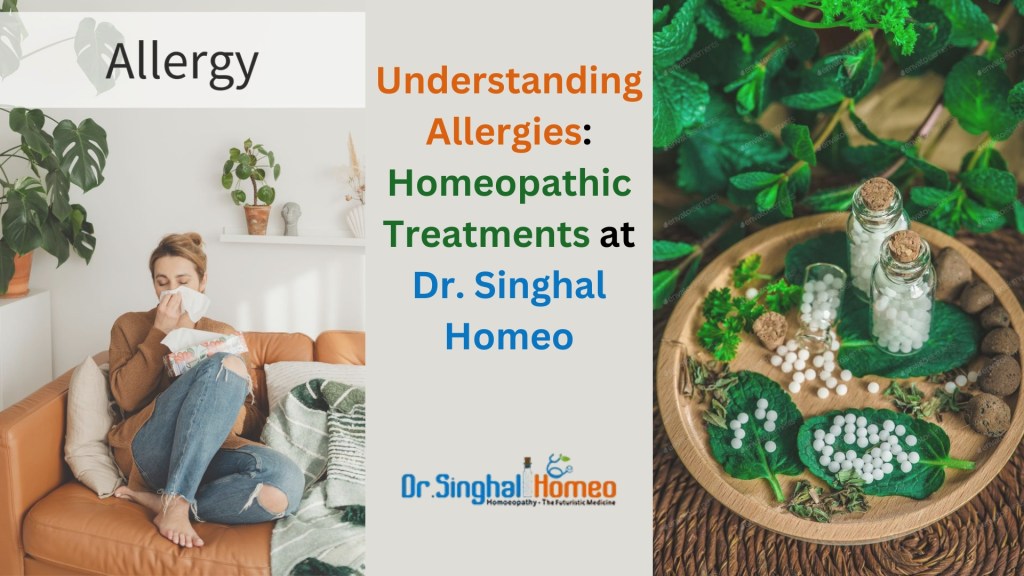
Allergies happen when the immune system overreacts to benign substances such as dust, pollen, or certain foods. While conventional medication frequently focuses on sign relief, allergy treatment in homeopathy provides a holistic and long-term method that manages the root cause. Homeopathy seeks to strengthen the immune system and decrease hypersensitivity to allergens naturally.
Why Select Allergy Treatment in Homeopathy?
Individualized Treatment: Homeopathy considers the unique signs and constitution of each patient. Remedies such as Natrum Mur, Arsenicum Album, and Allium Cepa are prescribed based on specific allergic reactions.
Safe and Side-Effect-Free: Unlike conventional treatments, allergy treatment in homeopathy doesn’t cause drowsiness or dependency. It’s safe for all individuals, including children and elderly patients.
Boosts Immunity: Homeopathic remedies enhance the body’s natural defense mechanisms, making it less reactive to allergens.
Long-Term Relief: Homeopathy suppresses signs and stops allergic tendencies by treating the underlying imbalance.
Discovering the Best Doctor for Allergy Treatment
For effective results, consulting the best doctor for allergy treatment is essential. A professional homeopathic expert will:
Perform a thorough case study to understand the triggers and signs.
Prescribe customized treatments based on the patient’s condition.
Provide recommendations on lifestyle changes to address allergies better.
Why Choose Dr. Vikas Singhal?
Dr. Vikas Singhal is among the renowned experts in allergy treatment in Homeopathy, providing personalized and effective solutions. With 22 years of experience, he offers holistic treatments that manage the root cause, guaranteeing long-term relief. His individualized method, safe medications, and focus on strengthening immunity make him the best doctor for allergy treatment. If you seek a natural, side-effect-free solution for allergies, Dr. Singhal is the right choice.
Eyebrow hair loss can be painful and impact one’s confidence and appearance. Various factors contribute to this problem, including nutritional deficiencies, hormonal changes, skin conditions, or over-plucking. The right eyebrow hair loss treatment can assist in restoring fuller and healthier brows.
Causes of Eyebrow Hair Loss
Hormonal Imbalance: Thyroid diseases and other hormonal imbalances can lead to hair thinning.
Alopecia Areata: An autoimmune disorder causing hair loss in patches.
Skin Conditions: Psoriasis, dermatitis, and eczema can stimulate eyebrow hair follicles.
Excessive Grooming: Frequent waxing and over-plucking may damage hair follicles forever.
Eyebrow Hair Loss Treatment Options
Homeopathic Medications: Natural medicines target underlying causes without adverse effects.
Topical Solutions: Serums with biotin and critical oils promote regrowth.
Dietary Improvements: Nutrient-rich foods assist in maintaining hair follicles.
Lifestyle Adjustments: Control stress and avoid harsh cosmetics to save eyebrow hair.
Discovering the Best Doctor for Eyebrow Hair Loss Treatment
Selecting the best doctor for eyebrow hair loss treatment guarantees effective solutions. Consider:
Expertise in Hair Restoration: Look for experts in dermatology or homeopathy.
Proven Patient Results: Strive advice and success stories.
Personalized Approach: The best specialists offer customized treatment programs.
Seeking experienced help for eyebrow hair loss treatment under the recommendation of the best doctor can lead to noticeable advancements and restore confidence.
Why Choose Us for the Effective Homeopathic Treatment for Eyebrow Hair Loss?
Moreover, he successfully treated different chronic, rare, acute, & autoimmune disorders across India. After reviewing the patient’s medical history, diagnosis report, and lifestyle, he uses personalized homeopathic medicine for eyebrow hair loss treatment.
To fix an appointment regarding eyebrow hair loss treatment, reach us at +91 9056551747.
Allergies affect numerous individuals globally, causing pain and disrupting everyday life. Conventional treatments frequently provide temporary comfort but may come with adverse effects. This is where allergy treatment in Homeopathy offers a holistic and natural alternative. Homeopathy focuses on maintaining the immune system and managing the root cause of allergies rather than suppressing symptoms.
How Homeopathic Treatment Works
Individualized Treatment: Unlike conventional medication, homeopathy offers personalized treatments based on an individual’s lifestyle, symptoms, and medical history.
Boosts Immunity: Homeopathic medicines boost the immune system, making the body less reactive to allergens over time.
No Adverse Effects: Homeopathic remedies are natural and free from toxic chemicals, making them safer for all age groups.
Effective for All Kinds of Allergies: Whether it is respiratory allergies, skin allergies, or food sensitivity, homeopathy provides effective solutions.
Treats the Root Cause: Homeopathy focuses on stopping the underlying problem causing the allergic reaction rather than merely masking symptoms.
Experience & Expertise: Look for a homeopathic doctor with significant allergy treatment experience.
Patient Reviews and Testimonials: Positive feedback from prior patients can help you discover a reliable expert.
Customized Treatment Plans: A good homeopathic specialist will thoroughly evaluate your signs and tailor treatment accordingly.
Holistic Method: The best doctors concentrate not only on medicines but also on lifestyle, diet, and environmental aspects contributing to allergies.
Accessibility & Availability: Choose a readily available doctor for follow-ups and treatment adjustments.
Why Choose Dr. Singhal Homeo for Effective Allergy Treatment in Homeopathy?
Dr. Vikas Singhal is one of the most reputable and best doctors for allergy treatment. For 22 years, he has been practicing at Dr. Singhal Homeo clinic in Chandigarh. After thoroughly examining the patient’s medical history, symptoms, and diagnosis report, he prescribes individualized allergy treatment in Homeopathy tailored to each case. We offer offline consultations and the convenience of online consultations.
Call or WhatsApp us at +9 9056551747 to book an appointment or learn more.
Understanding Dandruff and Its Impact on Hair Health
Dandruff is a common scalp condition characterized by the shedding of dead skin cells from the scalp. While it’s a prevalent issue, it can be particularly distressing for individuals already experiencing hair fall. This article will explore the homeopathic approach to treating dandruff, offering insights into effective remedies and preventive measures.
What Causes Dandruff?
Before delving into homeopathic treatments, it’s crucial to understand the root causes of dandruff:
Malassezia, a fungus that naturally occurs on the scalp
Dry skin
Sensitivity to hair care products
Seborrheic dermatitis
Infrequent shampooing
Stress and hormonal changes
These factors can contribute to an itchy, flaky scalp, which may exacerbate hair fall in susceptible individuals.
The Homeopathic Approach to Dandruff Treatment
Homeopathy is a holistic system of medicine that treats the individual as a whole, rather than just addressing the symptoms. When it comes to dandruff, homeopathic treatment for dandruff aims to restore balance to the body and strengthen the immune system.
Principles of Homeopathy in Dandruff Treatment
Individualization: Each person’s dandruff condition is unique, and treatment is tailored accordingly.
Minimal dosage: Homeopathic remedies are highly diluted, reducing the risk of side effects.
Holistic healing: Addresses both physical symptoms and underlying causes.
Common Homeopathic Remedies for Dandruff
1. Thuja Occidentalis
Thuja is often prescribed for dandruff associated with oily scalp conditions. It’s particularly effective when:
The scalp feels greasy and itchy
Dandruff is accompanied by hair fall
There’s a presence of small, wart-like growths on the scalp
2. Natrum Muriaticum
This remedy is suitable for individuals with:
Dry, flaky scalp
Dandruff that worsens in warm weather
Tendency towards dry skin in general
3. Kali Sulphuricum
Kali Sulphuricum is often recommended when:
The scalp has yellowish, greasy scales
There’s increased itching at night
Warmth aggravates the condition
4. Psorinum
Psorinum is beneficial for chronic dandruff cases, especially when:
The scalp is extremely dry and itchy
There’s a history of skin conditions in the family
The person feels chilly and worse in cold weather
5. Calcarea Carbonica
This remedy is often prescribed for individuals who:
Have a tendency towards excessive perspiration on the scalp
Experience dandruff along with hair fall
Have cold, clammy hands and feet
Homeopathic Treatment Protocol for Dandruff
When seeking homeopathy treatment for dandruff, it’s essential to consult with a qualified homeopathic practitioner. The treatment process typically involves:
Detailed case-taking: The practitioner will inquire about your symptoms, medical history, lifestyle, and emotional state.
Remedy selection: Based on the individual’s symptom picture, a specific remedy will be chosen.
Dosage and potency determination: The practitioner will decide on the appropriate potency and frequency of the remedy.
Follow-up consultations: Regular check-ups to assess progress and make any necessary adjustments to the treatment plan.
Complementary advice: Recommendations on diet, lifestyle changes, and scalp care routines to support the treatment.
Lifestyle Modifications to Support Homeopathic Dandruff Treatment
While homeopathic remedies work to address the root cause of dandruff, certain lifestyle changes can enhance the effectiveness of the treatment:
Diet and Nutrition
Increase intake of omega-3 fatty acids (found in fish, flaxseeds, and walnuts)
Consume zinc-rich foods (pumpkin seeds, chickpeas, and lean meats)
Stay hydrated by drinking adequate water daily
Stress Management
Stress can exacerbate dandruff and hair fall. Consider incorporating stress-reduction techniques such as:
Meditation
Yoga
Deep breathing exercises
Regular physical activity
Scalp Care Routine
Use a gentle, sulfate-free shampoo
Avoid hot water when washing hair; lukewarm water is preferable
Massage the scalp gently to improve circulation
Avoid using harsh chemical treatments on the hair and scalp
The Role of Constitutional Treatment in Homeopathy for Dandruff
In homeopathy, constitutional treatment is a cornerstone of long-term healing. This approach takes into account the individual’s overall physical, mental, and emotional makeup. For dandruff sufferers, especially those with concurrent hair fall issues, constitutional treatment can offer several benefits:
Addresses underlying imbalances that may contribute to dandruff and hair fall
Strengthens the immune system, reducing susceptibility to fungal overgrowth
Improves overall health and vitality, which can positively impact scalp and hair health
Constitutional remedies are selected based on a comprehensive evaluation of the individual’s symptoms, personality traits, and health history. Some commonly prescribed constitutional remedies for dandruff include:
Sulphur
Lycopodium
Silicea
Graphites
These remedies are typically administered in higher potencies and over a longer period compared to acute treatments.
Potential Challenges in Homeopathic Dandruff Treatment
While homeopathy offers a gentle and holistic approach to treating dandruff, there are some challenges to be aware of:
Time: Homeopathic treatments may take longer to show results compared to conventional treatments.
Initial aggravation: Some individuals may experience a temporary worsening of symptoms before improvement begins.
Consistency: Regular follow-ups and adherence to the treatment plan are crucial for success.
Individual variation: What works for one person may not work for another, necessitating patience in finding the right remedy.
Combining Homeopathy with Other Natural Approaches
Homeopathic treatment for dandruff can be complemented by other natural remedies to enhance its effectiveness:
Herbal Rinses
Rosemary infusion: Known for its antifungal properties
Thyme tea: Helps balance scalp pH
Aloe vera juice: Soothes and moisturizes the scalp
Essential Oils
When diluted properly, certain essential oils can be beneficial:
Tea tree oil: Has antifungal and antibacterial properties
Lavender oil: Calms irritation and promotes healthy scalp
Peppermint oil: Stimulates circulation in the scalp
Note: Always dilute essential oils with a carrier oil before applying to the scalp, and perform a patch test to check for any adverse reactions.
The Future of Homeopathy in Dandruff Treatment
As research in homeopathy continues to evolve, there’s growing interest in understanding its mechanisms of action in treating conditions like dandruff. Some areas of focus include:
Molecular studies on the effects of homeopathic remedies on scalp microbiome
Clinical trials comparing homeopathic treatments with conventional antifungal medications
Integration of homeopathy with other complementary therapies for enhanced outcomes
Conclusion: Embracing Homeopathy for Dandruff Management
Homeopathic medicine for dandruff offers a promising, holistic approach to managing this common scalp condition, especially for individuals concerned about hair fall. By addressing the root causes and considering the individual as a whole, homeopathy aims to provide long-lasting relief without the side effects often associated with conventional treatments.
For those struggling with persistent dandruff and hair fall, exploring homeopathy treatment for dandruff under the guidance of a qualified practitioner could be a valuable step towards healthier scalp and hair. Remember that patience and consistency are key in homeopathic treatment, and the benefits often extend beyond just alleviating dandruff symptoms to improving overall well-being.
As with any medical treatment, it’s essential to consult with healthcare professionals to ensure that homeopathy is the right choice for your individual needs and to rule out any underlying medical conditions that may be contributing to your scalp issues.