Hormonal changes can lead to problems like weight gain, fatigue, mood swings, and skin problems. A well-balanced diet plays a vital role in keeping hormone levels natural. Here are the 15 best foods for hormonal imbalance that support endocrine health and overall health.
Avocados: Packed with nutritious fats, it help control progesterone and estrogen levels.
Flaxseeds: Rich in omega-3s and lignans, flaxseeds support estrogen balance and decrease inflammation.
Chia Seeds: These little seeds help regulate hormones by encouraging stable blood sugar levels.
Leafy Greens: Kale, spinach, & Swiss chard contain vital minerals that support adrenal function.
Broccoli: Broccoli is high in fiber & antioxidants and helps detox excess estrogen.
Salmon: Salmon is a significant source of omega-3 fatty acids and supports thyroid and adrenal health.
Eggs: These are full of good fats and protein, and they stabilize blood sugar and hormone production.
Quinoa: This whole grain offers plant-based protein and sustains insulin regulation.
Berries: It’sloaded with antioxidants, and berries fight oxidative stress that disrupts hormones.
Nuts: They help lower cortisol levels and sustain brain function.
Yogurt: Yogurtis rich in probiotics, which promote gut health and are critical for hormone balance.
Coconut Oil: A natural source of healthful fats, coconut oil supports thyroid function.
Turmeric: Contains curcumin, which decreases inflammation & balances estrogen levels.
Dark Chocolate: Increases serotonin production, assisting in regulating mood-related hormones.
Green Tea: Includes catechins that enhance insulin sensitivity and hormone function.
Including the 15 best foods for hormonal imbalance can help restore balance naturally. A nutrient-dense diet is pivotal to keeping hormone health and overall health.
Why Choose Us?
For expert recommendations on addressing hormonal imbalance, Dr. Vikas Singhal at Dr. Singhal Homeo Clinic provides personalized homeopathic treatments. Along with dietary guidance, including the 15 Best Foods for Hormonal Imbalance, Dr. Singhal offers holistic keys to restore hormonal balance inherently and effectively.
To know more or schedule an appointment, contact us at +91 9056551747.
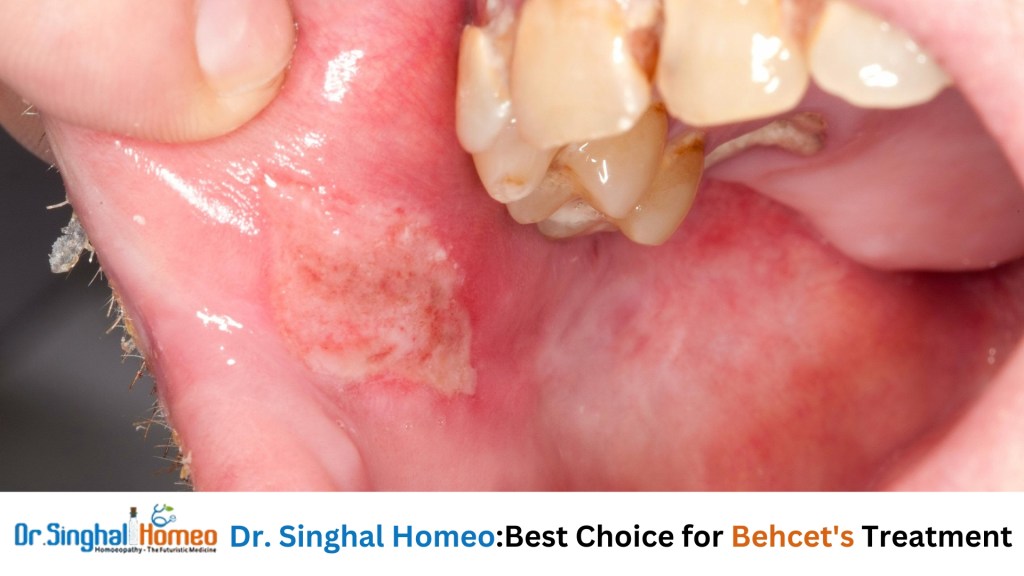
Behcet’s disease is a rare, chronic condition that causes inflammation in blood vessels throughout the body. This complex disorder can affect various parts of the body, including the mouth, eyes, skin, and joints. While conventional medicine offers treatment options, many people are turning to alternative approaches like homeopathy to manage their symptoms and improve their quality of life.
In this blog post, we’ll explore the world of homeopathic treatment for Behcet disease, offering hope and information to those seeking natural remedies for this challenging condition.
The Promise of Homeopathy for Behcet’s Disease
Homeopathy is a holistic system of medicine that aims to stimulate the body’s natural healing processes. It’s based on the principle of “like cures like,” using highly diluted substances to trigger the body’s self-healing mechanisms. For people with Behcet’s disease, homeopathy offers a gentle, non-invasive approach to managing symptoms and supporting overall health.
How Homeopathy Views Behcet’s Disease
In homeopathy, Behcet’s disease is seen as a manifestation of an imbalance in the body’s vital force. Rather than focusing solely on suppressing symptoms, homeopathic treatment aims to address the root cause of the condition and restore balance to the entire system.
Key Homeopathic Remedies for Behcet’s Disease
While homeopathic treatment is highly individualized, several remedies have shown promise in addressing the symptoms of Behcet’s disease. Let’s explore some of the most commonly used homeopathic medicines for this condition:
1. Mercurius Solubilis
Helps with mouth ulcers and genital sores
Beneficial for patients who experience excessive salivation
Useful for those with a tendency towards night sweats
2. Apis Mellifica
Effective for reducing inflammation and swelling
Particularly helpful for eye symptoms associated with Behcet’s disease
Can alleviate burning and stinging sensations
3. Thuja Occidentalis
Addresses skin eruptions and ulcers
Useful for patients with wart-like growths
May help with joint pain and stiffness
4. Rhus Toxicodendron
Beneficial for joint pain and stiffness, especially when worse on initial movement
Helps with skin eruptions that are itchy and red
Can alleviate restlessness associated with Behcet’s disease
5. Arsenicum Album
Useful for burning pains and ulcerations
Helps with anxiety and restlessness often experienced by Behcet’s patients
Beneficial for those who feel worse at night and better with warmth
The Homeopathic Approach to Treating Behcet’s Disease
Homeopathic treatment for Behcet’s disease goes beyond simply prescribing remedies. It involves a comprehensive approach that takes into account the individual’s unique symptoms, overall health, and emotional well-being.
Individualized Treatment Plans
A homeopathic practitioner will conduct a detailed consultation to understand the patient’s specific symptoms, medical history, and lifestyle factors. This information is used to create a personalized treatment plan that addresses the individual’s unique needs.
Holistic Healing
Homeopathy aims to treat the whole person, not just the disease. This means that the treatment plan may include recommendations for dietary changes, stress management techniques, and lifestyle modifications in addition to homeopathic remedies.
Gentle and Progressive Healing
Homeopathic treatment for Behcet’s disease is typically gentle and gradual. Patients may notice improvements in their symptoms over time, with reduced frequency and severity of flare-ups.
Complementary Therapies to Enhance Homeopathic Treatment
While homeopathy can be effective on its own, many patients find that combining it with other natural therapies can enhance their overall healing experience. Here are some complementary approaches that may be beneficial:
1. Dietary Modifications
Adopting an anti-inflammatory diet rich in fruits, vegetables, and omega-3 fatty acids
Avoiding trigger foods that may exacerbate symptoms
Staying hydrated to support overall health
2. Herbal Supplements
Turmeric for its anti-inflammatory properties
Boswellia to reduce inflammation and support joint health
Ginger to aid digestion and reduce inflammation
3. Mind-Body Techniques
Meditation and deep breathing exercises to reduce stress
Yoga for gentle exercise and stress relief
Guided imagery to promote relaxation and healing
4. Acupuncture
May help reduce inflammation and pain
Can support overall balance in the body
Often used in conjunction with homeopathy for enhanced results
Success Stories: Real-Life Experiences with Homeopathic Treatment for Behcet’s
While every individual’s experience with homeopathy is unique, many people with Behcet’s disease have reported positive outcomes from homeopathic treatment. Here are a few inspiring stories:
“After years of struggling with painful mouth ulcers and joint pain, I decided to try homeopathy. Within a few months of treatment, I noticed a significant reduction in the frequency of my flare-ups. I feel more energetic and optimistic about managing my condition.” – Sarah, 42
“Homeopathy has been a game-changer for my eye symptoms. The burning and inflammation have decreased considerably, and I’m able to enjoy activities that were once challenging due to my vision problems.” – Michael, 35
These stories offer hope and encouragement to those considering homeopathic treatment for Behcet’s disease.
Finding a Qualified Homeopathic Practitioner
If you’re interested in exploring homeopathic treatment for Behcet’s disease, it’s essential to work with a qualified and experienced practitioner. Here are some tips for finding the right homeopath:
Look for certifications from reputable homeopathic organizations
Check for experience in treating autoimmune conditions, particularly Behcet’s disease
Read reviews and testimonials from other patients
Schedule a consultation to assess your comfort level with the practitioner
The Future of Homeopathy in Treating Behcet’s Disease
As more people seek natural and holistic approaches to managing chronic conditions, the role of homeopathy in treating Behcet’s disease is likely to grow. Ongoing research and clinical studies are exploring the effectiveness of homeopathic remedies for autoimmune disorders, offering hope for even more targeted and effective treatments in the future.
Embracing a Holistic Approach to Behcet’s Disease Management
While homeopathy offers promising results for many people with Behcet’s disease, it’s important to remember that a holistic approach to health is often the most effective. This may include:
Regular consultations with your healthcare team, including both conventional and alternative practitioners
Maintaining a healthy lifestyle with proper nutrition, exercise, and stress management
Staying informed about the latest developments in Behcet’s disease treatment
Connecting with support groups and other individuals living with the condition
Conclusion: Hope and Healing Through Homeopathy
homeopathy for behcet disease offers a gentle, natural approach to managing this complex condition. By addressing the root causes of imbalance in the body and supporting the body’s innate healing abilities, homeopathy can provide relief from symptoms and improve overall quality of life for many individuals with Behcet’s disease.
If you’re considering homeopathy as part of your treatment plan, remember to approach it with an open mind and patience. Healing takes time, but with the right combination of treatments and lifestyle changes, many people with Behcet’s disease find renewed hope and improved well-being through homeopathy.
Always consult with your healthcare provider before making any changes to your treatment plan, and work closely with a qualified homeopathic practitioner to ensure the best possible outcomes for your health journey.
Papilloma, commonly linked to Human Papillomavirus (HPV), can lead to uncomfortable and unsightly growths like genital warts. While conventional treatments focus on removing warts, many people today are turning to papilloma treatment in homeopathy for a more holistic and side-effect-free approach.
1. Root Cause Focus
Unlike conventional medicine, papilloma treatment in homeopathy aims to address the root cause—improving immunity and targeting the virus from within.
2. Gentle and Non-Invasive
Homeopathic treatment for genital warts is painless and non-surgical. Remedies are selected based on your symptoms, emotional state, and medical history.
3. Long-lasting Results
By strengthening the immune system, homeopathy for HPV reduces recurrence. It doesn’t just remove the wart but helps the body resist future outbreaks.
4. Personalized Medication
Every case of papilloma is unique. A skilled homeopathic doctor will prescribe specific medications tailored to your condition, offering effective homeopathic treatment for genital warts with minimal side effects.
5. Ideal for All Ages
Whether it’s a young adult or an older person, homeopathy for HPV suits all age groups, making it a safe and reliable treatment option.
6. Guided by Expertise
Choosing the best doctor for HPV treatment in homeopathy ensures you receive expert guidance, proper diagnosis, and the most suitable remedy. The best doctor for HPV treatment will also track your progress and adjust medicines as needed.
Why Choose Dr. Vikas Singhal?
Dr. Vikas Singhal at Dr. Singhal Homeo Clinic offers expert, personalized care for papilloma and related conditions. With 22 years of experience, he provides effective and safe homeopathic treatment for genital warts, focusing on root-cause healing. He provides long-term relief without side effects, making it a top choice for holistic HPV management.
To book an appointment or for further information, feel free to contact us at +91 9056551747.
Osteomyelitis is a severe bone infection that can cause severe discomfort, swelling, and difficulty in movement. If not treated appropriately, it may lead to long-term complications. Discovering the best doctor for osteomyelitis treatment is essential for recovery and effective management.
Homeopathy provides a gentle and long-lasting solution for osteomyelitis by targeting the root cause of the disease rather than just the signs. The approach is non-invasive, safe, and suitable for all age groups. Consulting the best doctor for osteomyelitis treatmenthomeopathy can help reduce the need for repeated antibiotics or surgery.
Who’s the Best Homeopathic Doctor?
Dr. Vikas Singhal is one of the most renowned homeopathic experts in India. He has successfully helped many patients with chronic and complex cases, such as osteomyelitis. At Dr. Singhal Homeo Clinic, treatment is personalized according to the patient’s severity, symptoms, and overall health condition.
What sets the best doctor for osteomyelitis treatment apart is their capability to understand each case uniquely and prescribe the proper remedy. Homeopathic medicines relieve discomfort and inflammation and help increase the body’s natural defense to fight infection.
Consulting an expert like Dr. Vikas Singhal could be life-changing if you or your loved one is dealing with osteomyelitis and seeking a side-effect-free solution.
Choose the secure path to healing with homeopathy and get a recommendation from the best doctor for osteomyelitis treatment to restore your health naturally.
To book your appointment or for further queries, contact us at +91 9056551747.
Living with Behcet’s disease can be challenging, but there’s reason for hope. This rare condition, characterized by inflammation in blood vessels throughout the body, affects various organs and can cause a range of symptoms. While conventional medicine offers treatments, many people are turning to homeopathy as a complementary or alternative approach. Let’s explore how homeopathic treatment for behcet disease might offer relief and improve quality of life.
The Promise of Homeopathy for Behcet’s Disease
Homeopathy is a holistic system of medicine that aims to stimulate the body’s natural healing processes. When it comes to Behcet’s disease, homeopathic treatment focuses on addressing the root causes of inflammation and supporting the body’s immune system. This approach can potentially help manage symptoms and improve overall well-being.
How Homeopathy Views Behcet’s Disease
In homeopathy, Behcet’s disease is seen as a manifestation of an imbalance in the body’s vital force. Homeopathic doctors believe that by correcting this imbalance, it’s possible to alleviate symptoms and potentially slow the progression of the disease. This perspective offers a ray of hope for those seeking alternatives to conventional treatments.
Key Homeopathic Remedies for Behcet’s Symptoms
Homeopathic treatment for behcet’s disease typically involves a personalized approach. However, several remedies are commonly used to address specific symptoms:
1. Mercurius Solubilis
Often prescribed for mouth and genital ulcers
May help with throat inflammation and swelling
Can address excessive salivation and night sweats
2. Apis Mellifica
Useful for reducing inflammation and swelling
May help with eye symptoms, including uveitis
Can alleviate burning and stinging sensations
3. Rhus Toxicodendron
Beneficial for joint pain and stiffness
May help with skin eruptions and rashes
Can address restlessness and discomfort
4. Thuja Occidentalis
Often used for skin symptoms and ulcerations
May help with immune system modulation
Can address wart-like growths and skin lesions
The Homeopathic Approach to Behcet’s Treatment
Behcet’s treatment in Homeopathy goes beyond simply addressing symptoms. It aims to treat the whole person, taking into account the physical, emotional, and mental aspects of health. This comprehensive approach can lead to improvements in overall well-being, not just in managing behcet’s symptoms.
Individualized Treatment Plans
One of the strengths of homeopathy is its focus on individualized care. A homeopathic expert will consider your unique symptoms, medical history, and personal characteristics to create a tailored treatment plan. This personalized approach can be particularly beneficial for a complex condition like behcet’s disease, where symptoms can vary widely between individuals.
Gentle and Non-Invasive
Homeopathic remedies are known for their gentle nature and lack of side effects. This makes them an attractive option for people who may be sensitive to conventional medications or looking for a more natural approach to managing their condition. The non-invasive nature of homeopathy can be especially appealing for those dealing with the long-term management of behcet’s disease.
Combining Homeopathy with Conventional Treatment
It’s important to note that homeopathic treatment for behcet’s disease doesn’t have to be an either/or choice. Many people find success in combining homeopathy with conventional medical treatments. This integrative approach can potentially offer the best of both worlds, addressing acute symptoms with conventional medicine while using homeopathy to support overall health and well-being.
Communication is Key
If you’re considering adding homeopathy to your behcet’s treatment plan, it’s crucial to communicate openly with all your healthcare providers. This ensures that your care is coordinated and that any potential interactions between treatments are taken into account.
Lifestyle Support in Homeopathic Treatment
Homeopathy treatment for behcet’s disease often includes recommendations for lifestyle changes that can support healing and manage symptoms. These may include:
Dietary modifications to reduce inflammation
Stress management techniques like meditation or yoga
Adequate rest and sleep to support the immune system
Gentle exercise to improve circulation and joint health
These lifestyle changes, combined with homeopathic remedies, can create a comprehensive approach to managing behcet’s disease and improving quality of life.
The Journey to Healing: What to Expect
Starting homeopathic treatment for behcet’s disease is the beginning of a journey. It’s important to approach this process with patience and an open mind. While some people may experience quick improvements, for others, the effects may be more gradual. Remember that homeopathy aims to stimulate the body’s natural healing processes, which can take time.
Tracking Your Progress
Keeping a symptom diary can be incredibly helpful when undergoing homeopathic treatment for Behcet’s disease. This allows you to track changes over time and provides valuable information for your homeopathic doctor to adjust your treatment plan as needed.
Finding a Qualified Homeopathic Practitioner
If you’re interested in exploring behcet’s treatment in Homeopathy, it’s essential to work with a qualified doctor. Look for someone with experience in treating autoimmune conditions and who is willing to work in conjunction with your other healthcare providers.
“Homeopathy offers a beacon of hope for those living with behcet’s disease, providing a gentle, personalized approach to managing symptoms and supporting overall health.”
Embracing Hope and Healing
Living with behcet’s disease can be challenging, but homeopathic treatment offers a path of hope and potential healing. By addressing the root causes of inflammation, supporting the immune system, and taking a holistic approach to health, homeopathy can be a valuable tool in managing this complex condition.
At the forefront of this approach is Dr. Vikas Singhal, a well-known name in the field of advanced homeopathy. Through his 22 years of experience and deep understanding, he has been helping patients from all over India and abroad find relief from long-standing and complex health issues. At Dr. Singhal Homeo Clinic, located in Chandigarh, patients with Behcet’s disease receive personalized care, careful observation, and treatment that focuses on the person, not just the problem.
Remember, every individual’s journey with behcet’s disease is unique, and what works for one person may not work for another. However, the personalized nature of homeopathic treatment means that there’s always room for optimism. With patience, persistence, and the right support, it’s possible to find relief and improve your quality of life.
Whether you’re considering homeopathy as a complementary treatment or exploring it as an alternative to conventional medicine, the key is to stay informed, communicate openly with your healthcare providers, and remain hopeful. The path to managing behcet’s disease may have its ups and downs, but with homeopathy, you have another tool in your toolkit for navigating this journey.
Call or WhatsApp us at +91 9056551747 to know more or make an appointment regarding bechet’s Homeopathic treatment.
Eyebrow hair loss can be distressing, especially affecting your confidence and appearance. Several factors, from medical conditions to lifestyle options, may cause thinning or loss of eyebrow hair. Fortunately, there are effective and gentle solutions, such as homeopathy medicine for eyebrow hair loss, that provide hope without side effects. Here’s what you need to know:
Common Causes of Eyebrow Hair Loss
Hormonal changes, such as thyroid disorders
Autoimmune disorders like alopecia areata
Nutritional deficiencies (iron, biotin, zinc)
Over-plucking and harsh cosmetic treatments
Stress and certain medicines
Understanding the root cause of this problem is the first step toward effective eyebrow hair loss treatment.
Why Choose Homeopathy?
Homeopathic medicines target the underlying cause instead of just symptoms. It aids in strengthening hair roots, balances hormones, and stimulates natural regrowth—without harsh chemicals.
Popular Homeopathic Remedies
Fluoricum Acidum – It is useful in hair fall due to hormonal imbalance.
Lycopodium –It is used for patchy hair loss and premature thinning.
Phosphorus – It supports hair regrowth from follicular level
These medications are often recommended for eyebrow hair loss treatment tailored to individual signs.
Benefits of Homeopathic Treatment
Safe and adverse-effect-free
Appropriate for long-term use
Boosts overall hair & skin health
Restores natural brow density gradually
With consistent usage of homeopathic medicine for eyebrow hair loss, many individuals experience visible improvement in a few weeks. Consult a qualified homeopath to begin your personalized treatment today and confidently regain your natural look.
Why Choose Dr. Vikas Singhal?
Dr. Vikas Singhal is among the most renowned homeopathic experts with 22 years of experience in treating chronic, rare, and autoimmune diseases. His personalized approach identifies the root cause and prescribes a highly effective homeopathic medicine for eyebrow hair loss. With a track record of success in eyebrow hair loss treatment, he combines modern diagnostic tools with classical homeopathy, ensuring natural regrowth without side effects. Choose Dr. Singhal Homeo Clinic in Chandigarh for holistic care that restores your confidence and enhances your natural beauty.
Call or WhatsApp us at +91 9056551747 to know more or book an appointment.
Herpes is a common viral infection that affects millions of people worldwide. For those living with this condition, finding effective treatments to manage symptoms and reduce outbreaks is crucial. While conventional medicine offers various options, many individuals are turning to alternative approaches, such as homeopathy, for relief. In this comprehensive guide, we’ll explore herpes homeopathy treatment, its potential benefits, and how it may help you manage your condition more effectively.
What is Herpes?
Before delving into homeopathic treatments, it’s essential to understand what herpes is and how it affects the body. Herpes is caused by two types of viruses: herpes simplex virus type 1 (HSV-1) and herpes simplex virus type 2 (HSV-2). HSV-1 typically causes oral herpes, while HSV-2 is primarily responsible for genital herpes. However, both types can affect either area of the body.
Herpes manifests as painful blisters or sores on the skin or mucous membranes. While there is no cure for herpes, various treatments can help manage symptoms and reduce the frequency of outbreaks.
Homeopathy: A Brief Overview
Homeopathy is a holistic system of medicine developed in the late 18th century by German physician Samuel Hahnemann. It is based on the principle of “like cures like,” which suggests that a substance that causes symptoms in a healthy person can be used in small doses to treat similar symptoms in a sick person.
Key Principles of Homeopathy:
Individualized treatment
Minimal doses
Holistic approach
Stimulation of the body’s natural healing processes
Homeopathic remedies are highly diluted substances derived from plants, minerals, or animals. These remedies are prepared through a process of successive dilution and shaking, known as potentization, which is believed to enhance their therapeutic effects.
Homeopathic Treatment for Herpes: How It Works
Homeopathic treatment for herpes aims to strengthen the immune system, reduce the frequency and severity of outbreaks, and alleviate associated symptoms. Unlike conventional treatments that focus solely on suppressing the virus, homeopathy takes a holistic approach, considering the individual’s overall health, emotional state, and specific symptoms.
Individualized Treatment Plans
One of the key aspects of homeopathic treatment for herpes is its individualized approach. A qualified homeopath will consider various factors when prescribing remedies, including:
The specific symptoms experienced during outbreaks
The location and appearance of lesions
Triggers that lead to outbreaks
Overall health and medical history
Emotional and mental state
By taking these factors into account, homeopaths can create tailored treatment plans that address the unique needs of each patient.
Common Homeopathic Remedies for Herpes
While homeopathic treatment is highly individualized, several remedies are commonly used to address herpes symptoms. It’s important to note that these remedies should be prescribed by a qualified homeopath based on a thorough assessment of your condition.
1. Natrum Muriaticum
Natrum Muriaticum is often recommended for individuals who experience herpes outbreaks triggered by emotional stress, particularly after grief or disappointment. Symptoms that may respond well to this remedy include:
Tingling or burning sensations before the appearance of blisters
Cold sores around the mouth or nose
Cracked, dry lips
Increased thirst
2. Rhus Toxicodendron
Rhus Toxicodendron may be beneficial for herpes outbreaks characterized by:
Intense itching and burning sensations
Blisters that are red and swollen
Symptoms that worsen with cold and dampness
Restlessness and the need to move frequently
3. Sepia
Sepia is often prescribed for women experiencing genital herpes, particularly when outbreaks are associated with hormonal changes. Symptoms that may respond to Sepia include:
Intense itching and burning in the genital area
Vaginal discharge
Fatigue and irritability
Worsening of symptoms before menstruation
4. Arsenicum Album
Arsenicum Album may be helpful for herpes outbreaks characterized by:
Burning pain that is relieved by warm applications
Anxiety and restlessness
Extreme sensitivity to cold
Outbreaks triggered by stress or exhaustion
5. Mercurius Solubilis
Mercurius Solubilis is often recommended for herpes outbreaks with the following symptoms:
Profuse sweating, especially at night
Excessive salivation
Foul-smelling discharge
Sensitivity to both heat and cold
The Benefits of Homeopathic Treatment for Herpes
Many individuals with herpes have reported positive experiences with homeopathic treatment. Some potential benefits of this approach include:
Reduced frequency of outbreaks
Shorter duration of symptoms
Less severe symptoms during outbreaks
Improved overall well-being and immune function
Minimal side effects compared to conventional treatments
“Homeopathy has helped me manage my herpes outbreaks more effectively. I’ve noticed fewer flare-ups and less intense symptoms when they do occur.” – Sarah, 32
It’s important to note that while many people find relief through homeopathy, scientific evidence supporting its effectiveness for herpes treatment is limited. More research is needed to fully understand the potential benefits of homeopathic treatment for herpes.
Integrating Homeopathy with Conventional Treatment
Homeopathic treatment for herpes can be used alongside conventional medical treatments. Many individuals find that combining approaches provides the most comprehensive management of their condition. However, it’s crucial to inform both your homeopath and conventional healthcare provider about all treatments you’re using to ensure safe and effective care.
Complementary Approaches
In addition to homeopathic remedies, your homeopath may recommend complementary approaches to support your overall health and manage herpes outbreaks:
Dietary modifications to support immune function
Stress management techniques, such as meditation or yoga
Lifestyle changes to reduce triggers
Herbal supplements with antiviral properties
Finding a Qualified Homeopath
If you’re considering homeopathy treatment for herpes, it’s essential to work with a qualified and experienced homeopath. Here are some tips for finding a reputable practitioner:
Look for certifications from recognized homeopathic organizations
Check for proper licensing and credentials
Ask for referrals from trusted healthcare providers or friends
Read reviews and testimonials from other patients
Schedule a consultation to discuss your condition and treatment options
What to Expect During Homeopathic Treatment
When you begin homeopathic treatment for herpes, you can expect the following:
A detailed initial consultation to gather information about your symptoms, medical history, and overall health
Prescription of individualized remedies based on your specific case
Regular follow-up appointments to assess progress and adjust treatment as needed
Gradual improvement in symptoms and overall well-being over time
It’s important to be patient and committed to the treatment process, as homeopathic remedies may take time to show their full effects.
Conclusion: A Natural Approach to Herpes Management
Homeopathic treatment for herpes offers a natural, holistic approach to managing this common viral infection. By addressing the individual needs of each patient and supporting the body’s natural healing processes, homeopathy may help reduce the frequency and severity of outbreaks while improving overall well-being.
While more research is needed to fully understand the effectiveness of homeopathy for herpes, many individuals have found relief and improved quality of life through this alternative approach. If you’re considering homeopathic treatment for herpes, consult with a qualified homeopath to determine if this approach is right for you.
Remember, managing herpes is a journey, and finding the right treatment plan may take time and patience. By exploring various options and working closely with healthcare professionals, you can develop a comprehensive strategy to effectively manage your condition and live a healthy, fulfilling life.
Ankylosing spondylitis (AS) is a chronic inflammatory condition that primarily affects the spine and sacroiliac joints. This progressive disease can cause significant pain, stiffness, and reduced mobility, impacting a person’s quality of life. While there’s no cure for AS, early diagnosis and appropriate treatment can help manage symptoms and slow disease progression.
Recognizing the Signs and Symptoms
Ankylosing spondylitis often begins with subtle symptoms that may be mistaken for other conditions. Common early signs include:
Persistent lower back pain
Morning stiffness that improves with activity
Pain that worsens with rest or inactivity
Fatigue
Pain in the hips, buttocks, or shoulders
As the condition progresses, individuals may experience:
Reduced flexibility in the spine
Difficulty taking deep breaths due to ribcage involvement
Eye inflammation (uveitis)
Skin rashes or psoriasis
Bowel inflammation
It’s important to note that symptoms can vary from person to person, and not everyone will experience all of these signs.
The Importance of Early Diagnosis
Early diagnosis of ankylosing spondylitis is crucial for effective management and prevention of long-term complications. However, diagnosing AS can be challenging due to its gradual onset and symptoms that may mimic other conditions.
Diagnostic Procedures
Doctors use a combination of methods to diagnose ankylosing spondylitis:
Medical history and physical examination
Imaging tests
Blood tests
Genetic testing
Medical History and Physical Examination
During the initial consultation, your doctor will ask about your symptoms, family history, and conduct a physical examination. They may check your spine’s flexibility and assess your posture for any signs of curvature.
Imaging Tests
X-rays and MRI scans play a vital role in diagnosing AS:
X-rays: These can show changes in the spine and sacroiliac joints, but early stages of AS may not be visible on X-rays.
MRI (Magnetic Resonance Imaging): This can detect inflammation in the joints before structural changes become apparent on X-rays.
Blood Tests
While there’s no specific blood test for AS, certain tests can support the diagnosis:
Erythrocyte Sedimentation Rate (ESR) and C-Reactive Protein (CRP): These tests measure inflammation levels in the body.
HLA-B27 genetic marker: Many people with AS carry this genetic marker, although not everyone with the marker develops the condition.
Genetic Testing
Testing for the HLA-B27 gene can provide additional information, but it’s not definitive for diagnosis as some people without AS also carry this gene.
Comprehensive Treatment Approaches
Once diagnosed, treatment for ankylosing spondylitis focuses on managing pain, reducing inflammation, and maintaining mobility. A multidisciplinary approach often yields the best results.
Conventional Medical Treatments
Conventional treatments for AS typically include:
Nonsteroidal Anti-Inflammatory Drugs (NSAIDs)
Disease-Modifying Antirheumatic Drugs (DMARDs)
Biologic medications
Corticosteroids
NSAIDs
NSAIDs are often the first line of treatment for AS. They help reduce pain and inflammation. Common NSAIDs used include:
Ibuprofen
Naproxen
Diclofenac
DMARDs
For those who don’t respond well to NSAIDs, DMARDs may be prescribed. These medications can slow the progression of AS. Examples include:
Sulfasalazine
Methotrexate
Biologic Medications
Biologics target specific components of the immune system to reduce inflammation. They can be highly effective in managing AS symptoms. Types of biologics used in AS treatment include:
TNF inhibitors (e.g., adalimumab, etanercept)
IL-17 inhibitors (e.g., secukinumab)
Corticosteroids
In some cases, corticosteroids may be used for short-term relief of severe inflammation. However, long-term use is generally avoided due to potential side effects.
Physical Therapy and Exercise
Physical therapy plays a crucial role in managing AS. A tailored exercise program can help:
Improve flexibility and posture
Strengthen muscles
Reduce pain and stiffness
Maintain joint mobility
Recommended exercises often include:
Stretching exercises
Range-of-motion exercises
Strengthening exercises
Low-impact aerobic activities like swimming or cycling
Lifestyle Modifications
Certain lifestyle changes can significantly impact AS management:
Maintaining good posture
Using proper lifting techniques
Quitting smoking
Managing stress through relaxation techniques
Applying heat or cold therapy for pain relief
The Role of Homeopathy in Ankylosing Spondylitis Management
While conventional treatments form the cornerstone of AS management, some individuals explore complementary approaches like homeopathy. Homeopathy is a holistic system of medicine that aims to stimulate the body’s self-healing mechanisms.
Homeopathic Approach to AS
Homeopathy takes an individualized approach, considering not just the physical symptoms but also the person’s emotional and mental state. Some homeopathic remedies that may be considered for AS symptoms include:
Rhus toxicodendron: Often used for stiffness that improves with movement
Bryonia alba: Considered for pain that worsens with movement
Calcarea fluorica: Sometimes recommended for spinal stiffness
Kali carbonicum: May be suggested for lower back pain
It’s important to note that while some individuals report benefits from homeopathy, scientific evidence supporting its effectiveness in treating AS is limited. Always consult with a qualified healthcare provider before starting any new treatment.
Integrating Homeopathy with Conventional Treatment
If you’re considering homeopathy, it’s crucial to discuss this with your rheumatologist or primary care physician. Homeopathy should not replace conventional treatments but may be used as a complementary approach. Your healthcare team can help ensure that all aspects of your treatment plan work together safely and effectively.
Living with Ankylosing Spondylitis
Managing AS is an ongoing process that requires a proactive approach. Here are some strategies to help you live well with AS:
Stay informed: Keep up-to-date with the latest research and treatment options for AS.
Build a support network: Connect with others who have AS through support groups or online communities.
Communicate with your healthcare team: Regular check-ups and open communication with your doctors are essential for optimal management.
Maintain a healthy lifestyle: A balanced diet, regular exercise, and adequate sleep can all contribute to better overall health and symptom management.
Adapt your environment: Make necessary modifications at home and work to accommodate your needs and reduce strain on your body.
Conclusion: A Multifaceted Approach to Ankylosing Spondylitis Management
Ankylosing spondylitis is a complex condition requiring a comprehensive Ankylosing spondylitis diagnosis and treatment approach. Early diagnosis through a combination of clinical evaluation, imaging, and laboratory tests is crucial for effective management. Treatment typically involves a mix of medications, physical therapy, and lifestyle modifications.
While conventional treatments form the backbone of AS management, some individuals find value in complementary approaches like homeopathy. However, it’s essential to approach such treatments with caution and always in consultation with your healthcare providers.
Living with AS can be challenging, but with the right combination of medical care, self-management strategies, and support, many people with AS lead full and active lives. Remember, every individual’s experience with AS is unique, and what works best for you may evolve over time. Stay engaged with your healthcare team, remain proactive in your care, and don’t hesitate to advocate for your needs as you navigate life with ankylosing spondylitis.
Rheumatoid Arthritis (RA) is a chronic autoimmune disease that affects millions of people worldwide. It causes inflammation in the joints, leading to pain, stiffness, and reduced mobility. Living with RA can be challenging, but with the right treatment and support, many patients can manage their symptoms effectively and lead fulfilling lives.
One of the most crucial steps in managing RA is finding the best doctor for your treatment. A skilled and experienced rheumatologist can make a significant difference in your journey towards better health and improved quality of life. In this comprehensive guide, we’ll explore the various aspects of RA treatment, with a special focus on homeopathic approaches and the expertise of Dr. Vikas Singhal in Chandigarh.
The Importance of Choosing the Right Doctor
When it comes to treating Rheumatoid Arthritis, selecting the right doctor is paramount. Here’s why:
Expertise: RA is a complex condition that requires specialized knowledge and experience to diagnose and treat effectively.
Personalized care: Every patient’s experience with RA is unique, and a good doctor will tailor the treatment plan to your specific needs.
Ongoing support: RA is a chronic condition, and you’ll need a doctor who can provide long-term care and support.
Access to the latest treatments: A knowledgeable doctor will be up-to-date with the most recent advancements in RA treatment.
Exploring Homeopathic Treatment for Rheumatoid Arthritis
While conventional medicine offers various treatment options for RA, many patients are turning to homeopathic treatment for Rheumatoid Arthritis. Homeopathy is a holistic approach to healing that aims to stimulate the body’s natural ability to heal itself. Here are some reasons why homeopathic treatment might be worth considering:
Gentle and natural: Homeopathic remedies are derived from natural substances and are generally considered safe with minimal side effects.
Individualized treatment: Homeopathic practitioners take a personalized approach, considering the patient’s overall health, lifestyle, and specific symptoms.
Complementary approach: Homeopathy can be used alongside conventional treatments, potentially enhancing their effectiveness.
Long-term benefits: Some patients report lasting improvements in their RA symptoms with continued homeopathic treatment.
Dr. Vikas Singhal: A Leader in Rheumatoid Arthritis Treatment
When searching for the best doctor for Rheumatoid Arthritis treatment, Dr. Vikas Singhal in Chandigarh stands out as a prominent figure in the field. Here’s why Dr. Singhal is highly regarded in the treatment of RA:
Expertise and Experience
Dr. Singhal has dedicated his career to understanding and treating Rheumatoid Arthritis. His extensive experience in dealing with a wide range of RA cases has equipped him with invaluable insights into the condition and its management.
Holistic Approach
Dr. Singhal is known for his comprehensive approach to RA treatment. He combines the best of conventional medicine with homeopathic treatments, ensuring that patients receive well-rounded care that addresses all aspects of their health.
Cutting-edge Treatments
Staying abreast of the latest developments in RA treatment, Dr. Singhal incorporates innovative therapies and techniques into his practice. This ensures that his patients have access to the most effective and up-to-date treatments available.
Patient-Centered Care
Dr. Singhal’s practice is built on the foundation of patient-centered care. He takes the time to listen to his patients, understand their concerns, and develop treatment plans that align with their goals and lifestyle.
The Benefits of Choosing Dr. Singhal for Your RA Treatment
Opting for Dr. Vikas Singhal as your Rheumatoid Arthritis specialist comes with several advantages:
Comprehensive Diagnosis
Dr. Singhal employs a thorough diagnostic process, utilizing advanced imaging techniques and laboratory tests to accurately assess the extent of your RA and develop an effective treatment plan.
Personalized Treatment Plans
Recognizing that every patient is unique, Dr. Singhal creates individualized treatment plans that may include a combination of homeopathic remedies, conventional medications, and lifestyle modifications.
Online Consultation Options
In today’s fast-paced world, convenience is key. Dr. Singhal offers online consultation services, allowing patients to receive expert advice and follow-up care from the comfort of their homes.
Door Step Delivery of Medicines
To ensure that patients have easy access to their prescribed medications, Dr. Singhal’s practice offers door step delivery of medicines. This service is particularly beneficial for those with mobility issues or busy schedules.
Diet and Lifestyle Consultation
Dr. Singhal recognizes the important role that diet and lifestyle play in managing RA. As part of his holistic approach, he provides comprehensive diet and lifestyle consultation to help patients make positive changes that can complement their medical treatment.
What to Expect During Your Treatment with Dr. Singhal
When you choose Dr. Singhal for your Rheumatoid Arthritis treatment, you can expect a structured and supportive approach to managing your condition:
Initial Consultation: During your first visit, Dr. Singhal will conduct a thorough examination, review your medical history, and discuss your symptoms in detail.
Diagnostic Tests: If necessary, Dr. Singhal may order additional tests to confirm the diagnosis and assess the severity of your RA.
Treatment Plan Development: Based on the results of your examination and tests, Dr. Singhal will create a personalized treatment plan that may include homeopathic remedies, conventional medications, and lifestyle recommendations.
Regular Follow-ups: RA is a chronic condition that requires ongoing management. Dr. Singhal will schedule regular follow-up appointments to monitor your progress and adjust your treatment as needed.
Education and Support: Throughout your treatment, Dr. Singhal and his team will provide you with valuable information about RA and offer support to help you manage your condition effectively.
The Role of Diet and Lifestyle in RA Management
As part of Dr. Singhal’s comprehensive approach to RA treatment, he places significant emphasis on diet and lifestyle modifications. Here are some key areas that may be addressed:
Anti-inflammatory Diet
Dr. Singhal may recommend an anti-inflammatory diet rich in fruits, vegetables, whole grains, and omega-3 fatty acids. This type of diet can help reduce inflammation in the body and potentially alleviate RA symptoms.
Regular Exercise
Appropriate physical activity is crucial for maintaining joint flexibility and muscle strength. Dr. Singhal can guide you on suitable exercises that won’t exacerbate your RA symptoms.
Stress Management
Chronic stress can worsen RA symptoms. Dr. Singhal may suggest stress-reduction techniques such as meditation, yoga, or deep breathing exercises as part of your overall treatment plan.
Sleep Hygiene
Adequate sleep is essential for managing RA. Dr. Singhal can provide advice on improving your sleep habits to ensure you’re getting the rest your body needs to heal and recover.
Patient Success Stories
Many patients have experienced significant improvements in their RA symptoms under Dr. Singhal’s care. While individual results may vary, here are a few examples of positive outcomes:
“After years of struggling with RA, I finally found relief through Dr. Singhal’s homeopathic treatment. His holistic approach has made a world of difference in my life.” – Priya S.
“Dr. Singhal’s expertise in combining conventional and homeopathic treatments has helped me regain mobility and reduce my pain significantly. I’m grateful for his personalized care.” – Rahul M.
Conclusion: Take the First Step Towards Better RA Management
Living with Rheumatoid Arthritis can be challenging, but with the right treatment and support, it’s possible to manage your symptoms effectively and improve your quality of life. Dr. Vikas Singhal in Chandigarh offers a unique combination of expertise, personalized care, and a holistic approach to RA treatment.
If you’re searching for the best doctor for Rheumatoid Arthritis treatment, consider reaching out to Dr. Singhal for a consultation. With options for online consultations, door step delivery of medicines, and comprehensive diet and lifestyle advice, you’ll have access to top-quality care tailored to your needs.
Don’t let RA control your life. Take the first step towards better health by exploring homeopathic treatment for Rheumatoid Arthritis under the guidance of Dr. Vikas Singhal. Your journey to improved well-being and reduced RA symptoms could be just a consultation away.
Papillomas are small, wart-like growths that occur on the skin or mucous membranes. They are often caused by the Human Papillomavirus (HPV). While they are usually benign, they can cause pain and may spread if untreated. Fortunately, many individuals are now turning to papilloma treatment in homeopathy for an effective and safe solution.
Papilloma treatment in homeopathy works by targeting the root cause of the issue. Instead of just removing the wart, homeopathy seeks to boost the immune system and balance the body innately. This makes it a long-lasting and gentle approach, particularly for those with sensitive skin or recurring problems.
One common concern related to HPV is genital warts. These can be painful and emotionally distressing. The good news is that homeopathic treatment for genital warts provides a non-invasive choice without harsh chemicals or surgeries. Remedies such as Thuja & Nitric Acid are often used in homeopathic treatment for genital warts, showing excellent results in many cases.
Homeopathy for HPV also focuses on improving your body’s natural defense. Instead of suppressing the symptoms, it helps your system fight the virus from within. Whether you are dealing with skin papillomas or genital warts, homeopathy for HPV can be a valuable part of your healing journey.
Where Can You Get the Best Homeopathic Treatment for Genital Warts?
Dr. Vikas Singhal is one of the best and most trusted names when it comes to papilloma treatment in homeopathy. With 22 years of experience, he provides personalized care that focuses on treating the root cause of the warts, not just the signs. His approach to homeopathy for HPV is holistic, assisting in boosting the immune system and preventing a recurrence. If you are looking for effective, safe, and non-invasive solutions, Dr. Singhal Homeo clinic in Chandigarh is the right choice. Choose us for natural healing and long-lasting results through homeopathy treatment for HPV and papilloma care.
Contact us at +91 9056551747 to know more or book an appointment.






 Dr. Singhal Homeo – Homeopathic Treatment & Online Consultation