Living with ankylosing spondylitis can present its challenges, but having a knowledgeable and compassionate doctor by your side can make all the difference in managing your condition. If you are searching for the best doctor for ankylosing spondylitis treatment in homeopathy, you have come to the right place!
When seeking the best doctor for ankylosing spondylitis treatment, it is essential to find a rheumatologist who specializes in this area. Rheumatologists possess the expertise and experience to offer personalized care that caters to your unique needs.
To kickstart your journey, consider asking your primary care physician for recommendations. Personal referrals from friends and family can also provide valuable insights into the doctor’s reputation and patient rapport.
As you embark on your quest for the ideal doctor, explore online reviews and testimonials to gauge patient satisfaction levels and better understand the doctor’s approach to care.
Finding the best doctor for ankylosing spondylitis may require some research and visits, but your health and well-being are worth the effort. Choose a doctor who understands your condition and makes you feel comfortable and supported on your medical journey.
Dr. Vikas Singhal offers 22 years of homeopathy expertise, blending nutrition and care. Book a consultation in Chandigarh at +919056551747 via call or WhatsApp.
Ankylosing spondylitis (AS) is a type of arthritis that primarily affects the spine. This chronic condition causes inflammation in the joints and ligaments of the spine, leading to pain and stiffness. In severe cases, it can cause the vertebrae to fuse together, resulting in a rigid spine. While AS typically starts in the lower back, it can also affect other joints and organs in the body.
Living with ankylosing spondylitis can be challenging, but with proper diagnosis and treatment, many people can manage their symptoms and lead active lives. In this blog post, we’ll explore the diagnosis process and various treatment options available for those with AS.
Recognizing the Signs and Symptoms
Before we dive into the diagnosis and treatment of ankylosing spondylitis, it’s important to understand the common signs and symptoms. Early recognition can lead to faster diagnosis and more effective treatment. Here are some key indicators to watch out for:
Lower back pain and stiffness, especially in the morning or after periods of inactivity
Pain that improves with exercise but worsens with rest
Fatigue and general feeling of being unwell
Reduced flexibility in the spine
Pain in the buttocks, hips, or other large joints
Inflammation of the eyes (uveitis)
Difficulty taking deep breaths due to rib cage involvement
If you’re experiencing these symptoms, especially if they persist for more than three months, it’s crucial to consult with a healthcare provider for proper evaluation.
The Journey to Diagnosis
Diagnosing ankylosing spondylitis can be tricky, as its symptoms can mimic other conditions. However, early diagnosis is key to managing the disease effectively. Let’s walk through the typical steps involved in reaching an AS diagnosis.
Medical History and Physical Examination
The first step in diagnosing AS is a thorough medical history and physical examination. Your doctor will ask about your symptoms, their duration, and any family history of AS or related conditions. They’ll also perform a physical exam to check your spine’s flexibility and look for signs of inflammation in your joints.
X-rays: While X-rays may not show early signs of AS, they can reveal changes in your joints and bones in more advanced stages.
MRI (Magnetic Resonance Imaging): This test can detect inflammation in your joints and spine, even in early stages of AS when X-rays might appear normal.
CT (Computed Tomography) scan: This can provide detailed images of your bones and joints, helping to identify any structural changes.
Blood Tests
Blood tests can’t diagnose AS directly, but they can help support the diagnosis and rule out other conditions. Some common blood tests include:
Erythrocyte sedimentation rate (ESR) and C-reactive protein (CRP): These tests measure inflammation in your body.
HLA-B27 genetic marker: While not everyone with AS has this marker, its presence can support an AS diagnosis when combined with other symptoms.
The Importance of Early Diagnosis
Getting an early diagnosis of ankylosing spondylitis is crucial. It allows for prompt treatment, which can help manage symptoms, slow disease progression, and improve quality of life. If you suspect you might have AS, don’t hesitate to speak with your healthcare provider.
Treatment Options for Ankylosing Spondylitis
Once diagnosed, the next step is developing a treatment plan. The goal of AS treatment is to reduce pain and stiffness, prevent or delay complications and spinal deformity, and help you maintain a good quality of life. Let’s explore the various treatment options available.
Medications
Medications play a significant role in managing ankylosing spondylitis. Here are some common types:
Nonsteroidal anti-inflammatory drugs (NSAIDs): These are often the first line of treatment for AS. They help reduce pain and inflammation. Examples include ibuprofen and naproxen.
Disease-modifying antirheumatic drugs (DMARDs): These medications, such as sulfasalazine, can help slow the progression of AS in some people.
Biologic agents: These newer drugs target specific components of the immune system to reduce inflammation. Examples include tumor necrosis factor (TNF) inhibitors and interleukin-17 (IL-17) inhibitors.
Corticosteroids: These powerful anti-inflammatory drugs can provide quick relief for severe symptoms, but they’re typically used sparingly due to potential side effects.
Physical Therapy and Exercise
Physical therapy and regular exercise are crucial components of AS treatment. They help maintain flexibility, improve posture, and reduce pain. Your physical therapist can teach you:
Stretching exercises to improve flexibility
Strengthening exercises for your core and back muscles
Proper posture techniques
Breathing exercises to help maintain chest expansion
Remember: Regular exercise is one of the best things you can do for AS. Even during flare-ups, gentle stretches can help maintain mobility.
Lifestyle Modifications
Making certain lifestyle changes can significantly improve your quality of life with AS:
Maintain good posture: Be mindful of your posture when sitting, standing, and sleeping.
Use heat therapy: Warm showers or heating pads can help relieve stiffness and pain.
Quit smoking: Smoking can worsen AS symptoms and increase the risk of complications.
Eat a healthy diet: While there’s no specific diet for AS, maintaining a healthy weight can reduce stress on your joints.
Surgery
In severe cases where AS has caused significant joint damage or deformity, surgery might be necessary. This could include:
Joint replacement surgery, particularly for hip joints
Corrective surgery for severe spinal deformities
However, with early diagnosis and proper treatment, most people with AS can avoid the need for surgery.
Living with Ankylosing Spondylitis
While ankylosing spondylitis is a chronic condition, many people with AS lead full, active lives. Here are some tips for managing life with AS:
Stay informed: Learn as much as you can about AS. Knowledge is power when it comes to managing your condition.
Build a support network: Connect with friends, family, or support groups. Talking with others who understand can be incredibly helpful.
Communicate with your healthcare team: Regular check-ups are important. Don’t hesitate to discuss any new symptoms or concerns with your doctor.
Manage stress: Stress can exacerbate AS symptoms. Find stress-reduction techniques that work for you, such as meditation or yoga.
Adapt your environment: Make ergonomic adjustments at home and work to support good posture and reduce strain on your joints.
Stay positive: While living with AS can be challenging, maintaining a positive outlook can make a big difference in your overall well-being.
Promising Research and Future Treatments
Research into ankylosing spondylitis is ongoing, with scientists working to better understand the disease and develop new treatments. Some areas of current research include:
Genetic studies to identify risk factors for AS
Investigation of new biologic therapies targeting different parts of the immune system
Studies on the gut microbiome and its potential role in AS
Research into personalized medicine approaches for more targeted treatments
These ongoing efforts give hope for even better management strategies and potential breakthroughs in AS treatment in the future.
Conclusion
Ankylosing spondylitis is a complex condition, but with proper diagnosis and treatment, it’s possible to manage symptoms effectively and maintain a good quality of life. If you suspect you might have AS, don’t hesitate to seek medical advice. Early diagnosis and treatment can make a significant difference in the course of the disease.
Remember, everyone’s experience with AS is unique. What works best for one person may not be ideal for another. Work closely with your healthcare team to find the right combination of treatments for you. With the right approach, support, and attitude, you can take control of your AS and live life to the fullest.
Stay informed, stay active, and stay positive. You’re not alone in this journey, and with each passing day, we’re learning more about how to better manage and treat ankylosing spondylitis.
Are you tired of constantly sneezing, battling itchy eyes, or struggling with persistent skin rashes? If so, you’re not alone. Allergies affect millions of people worldwide, and finding the proper treatment can be a challenging journey. But what if we told you that there’s a solution that addresses your symptoms and targets the root cause of your allergies? Enter Dr. Vikas Singhal, the best doctor for allergy treatment using homeopathy.
The Power of Homeopathy in Allergy Treatment
Before we dive into why Dr. Singhal is the go-to expert for allergy treatment, let’s take a moment to understand why homeopathy is gaining traction in the medical world, especially for allergies.
Homeopathy is a holistic approach to medicine that treats the whole person, not just the symptoms. It works on the principle that “like cures like,” using small doses of natural substances to stimulate the body’s self-healing abilities. This means addressing the underlying imbalances that cause allergic reactions for allergy sufferers rather than just masking the symptoms.
Why Choose Homeopathy for Allergies?
A gentle and natural approach
No side effects commonly associated with conventional allergy medications
Treats the root cause, not just the symptoms
Personalized treatment plans tailored to each individual
Dr. Vikas Singhal: Your Ally in the Fight Against Allergies
Now that we understand the benefits of homeopathy, let’s explore why Dr. Vikas Singhal is considered the best doctor for allergy treatment.
Expertise and Experience
Dr. Singhal has dedicated his career to mastering the art and science of homeopathy, with a special focus on allergy treatment. His years of experience have equipped him with a deep understanding of various allergic conditions and the most effective homeopathic remedies to combat them.
Personalized Approach
One size doesn’t fit all when it comes to allergy treatment. Dr. Singhal takes the time to understand each patient’s unique symptoms, lifestyle, and medical history. This personalized approach ensures you receive a treatment plan tailored to your needs.
Cutting-Edge Technology Meets Traditional Wisdom
While Dr. Singhal’s practice is rooted in traditional homeopathic principles, he combines this with modern diagnostic tools and technology. This blend of old and new ensures accurate diagnosis and effective treatment planning.
The Dr. Singhal Difference: Comprehensive Care at Your Fingertips
What sets Dr. Singhal apart from other doctors is his commitment to making quality healthcare accessible to all. Here’s how he’s revolutionizing allergy treatment:
Online Consultation: Care from the Comfort of Your Home
Finding time for doctor’s appointments can be challenging in today’s fast-paced world. Dr. Singhal offers online consultations, allowing you to receive expert care without leaving your home. This is particularly beneficial for allergy sufferers who may find it difficult to travel during peak allergy seasons.
“Dr. Singhal’s online consultation was a game-changer for me. I received top-notch care without having to step out during pollen season!” – Sarah, a satisfied patient
Door Step Delivery of Medicines: Convenience at Its Best
Once your treatment plan is in place, you don’t have to worry about hunting for specific homeopathic remedies. Dr. Singhal’s clinic offers doorstep delivery of medicines, ensuring that you have everything you need to start your healing journey without delay.
Custom Diet Recommendations: Healing from the Inside Out
Did you know that what you eat can significantly impact your allergies? Dr. Singhal goes beyond just prescribing medicines. He provides custom diet recommendations tailored to your specific allergies and overall health, helping you make lifestyle changes that support your treatment.
Success Stories: Real People, Real Results
Dr. Singhal’s approach has helped countless individuals find relief from their allergies. Here are just a few success stories:
John, 35: Suffered from severe hay fever for years. After three months of treatment with Dr. Singhal, he experienced a 90% reduction in symptoms.
Maya, 28: Had chronic skin allergies that affected her quality of life. Dr. Singhal’s personalized treatment plan helped clear her skin within six months.
Tom, 42: Battled food allergies that limited his diet severely. With Dr. Singhal’s guidance, he could reintroduce many foods without allergic reactions.
Taking the First Step Towards Allergy-Free Living
Living with allergies doesn’t have to be your norm. With Dr. Vikas Singhal’s expertise in homeopathy, personalized care, and convenient services, you can take control of your health and bid farewell to allergy symptoms.
Why Choose Dr. Singhal for Your Allergy Treatment?
Expertise in homeopathy and allergy treatment
Personalized care tailored to your unique needs
Convenient online consultations
Doorstep delivery of medicines
Custom diet recommendations for holistic healing
Proven track record of success
Don’t let allergies hold you back any longer. Take the first step towards a healthier, allergy-free life by scheduling a consultation with Dr. Vikas Singhal today. Remember, the best doctor for allergy treatment is just a click away, ready to guide you on your journey to wellness.
“The journey of a thousand miles begins with a single step.” – Lao Tzu
Your step toward allergy relief starts here. Reach out to Dr. Singhal’s clinic today and discover how homeopathy can transform your life. Say goodbye to allergies and hello to a healthier, happier you!
To know more about Allergy Treatment in Homeopathy or schedule an appointment with our best doctor for allergy treatment, feel free to call or WhatsApp us at +91 9056551747.
Anal fissures are painful cracks or tears in the lining of the anus, causing bleeding, pain, and a burning sensation during bowel movements. While conventional treatments may provide temporary relief, many individuals seek a natural and long-lasting solution, such as homeopathy treatment for anal fissures.
How Homeopathy Helps in Fissure Treatment
1. Healing the Root Cause
Rather than just managing symptoms, fissure treatment in homeopathy addresses underlying causes such as digestive disorders, chronic constipation, or inflammation.
2. Reduces Discomfort & Pain
Homeopathic medicines such as Graphites, Nitric Acid, and Ratanhia help alleviate intense pain, irritation, and burning, ensuring faster healing. Homeopathy treatment for anal fissures also strengthens the anal muscles to stop future tears.
3. No Side Effects
Unlike strong medications or surgery, fissure treatment in homeopathy is a non-invasive and safer option without any adverse effects.
4. Prevents Recurrence
Homeopathy enhances gut health, regulates bowel movements, and bolsters tissues, decreasing the chances of future fissures.
Consult the Best Doctor for Anal Fissure Treatment
For effective and personalized care, it is crucial to seek recommendations from the best doctor for anal fissure treatment. A qualified homeopath will prescribe medications based on your symptoms, guaranteeing natural healing and long-term comfort. If you’re struggling with this condition, consider homeopathy treatment for anal fissure for an effective, safe, and lasting solution.
Why Choose Us for the Effective Homeopathy Treatment for Anal Fissure?
Dr. Vikas Singhal is one of the most trusted and best doctors for anal fissure treatment. For 22 years, he has been practicing at Dr. Singhal Homeo clinic in Chandigarh. After examining your symptoms, medical history, diagnosis report, etc., he uses individualized anal fissures treatment in Homeopathy. Moreover, he offers online and face-to-face consultations according to the patient’s requirements and the doctor’s available time slots.
Polycystic Ovarian Disease (PCOD), also known as Polycystic Ovary Syndrome (PCOS), is a common hormonal disorder affecting many women of reproductive age. This condition can cause a range of symptoms, from irregular periods and weight gain to acne and fertility issues. While conventional medicine offers various treatments, many women are turning to alternative approaches like homeopathic treatment for PCOD for effective and natural management.
The Homeopathic Perspective on PCOD
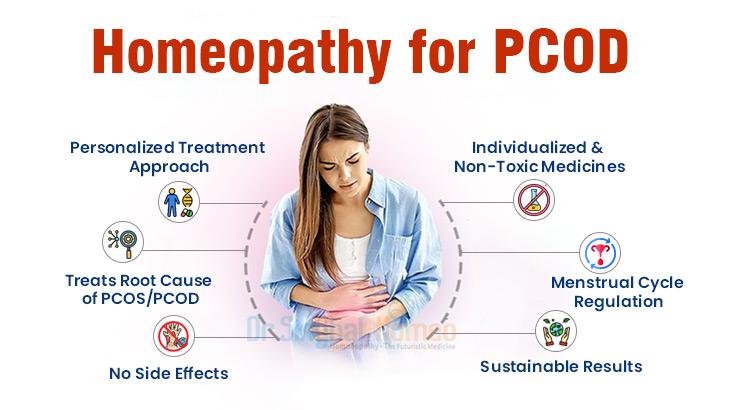
Homeopathy is a holistic system of medicine that treats the whole person, not just the symptoms. When it comes to PCOD, homeopathic practitioners believe in addressing the root cause of the hormonal imbalance rather than merely suppressing the symptoms.
Key Principles of Homeopathic Treatment
Individualized treatment plans
Focus on overall health and well-being
Use of natural remedies
Minimal side effects
Common Homeopathic Remedies for PCOD
Homeopathy offers a range of remedies that may help in managing PCOD symptoms. It’s important to note that these remedies should be prescribed by a qualified homeopathic practitioner based on individual symptoms and overall health.
Pulsatilla
This remedy is often used for women with PCOD who experience irregular menstrual cycles and mood swings. Pulsatilla may help regulate hormones and improve emotional well-being.
Sepia
Sepia is commonly prescribed for PCOD patients experiencing fatigue, irritability, and a lack of interest in daily activities. It may also help with menstrual irregularities and hormonal imbalances.
Calcarea Carbonica
This remedy is often recommended for women with PCOD who struggle with weight gain and have a sluggish metabolism. Calcarea Carbonica may help improve overall health and support hormonal balance.
Natrum Muriaticum
Natrum Muriaticum is frequently used for PCOD patients who experience depression, headaches, and cravings for salty foods. It may help in regulating menstrual cycles and improving emotional health.
The Homeopathic Treatment Process for PCOD
When seeking homeopathic treatment for PCOD, it’s essential to understand that the process may differ from conventional medical approaches.
Initial Consultation
The first step in homeopathic treatment involves a detailed consultation with a qualified practitioner. During this session, the homeopath will:
Take a comprehensive medical history
Inquire about specific PCOD symptoms
Assess overall health and lifestyle factors
Discuss emotional and mental well-being
This thorough evaluation helps the homeopath create a personalized treatment plan tailored to the individual’s unique needs.
Prescription of Remedies
Based on the initial consultation, the homeopath will prescribe specific remedies. These may include a combination of the remedies mentioned earlier or other homeopathic medicines suited to the patient’s symptoms and constitution.
Follow-up Appointments
Regular follow-up appointments are crucial in homeopathy treatment for PCOD. These sessions allow the practitioner to:
Monitor progress and adjust remedies if needed
Address any new symptoms or concerns
Guide lifestyle modifications
Lifestyle Changes to Support Homeopathic Treatment for PCOD
While homeopathic remedies play a significant role in managing PCOD, certain lifestyle changes can enhance the effectiveness of the treatment:
Balanced Diet
A nutritious diet rich in whole foods, fruits, vegetables, and lean proteins can help manage PCOD symptoms and support overall health.
Regular Exercise
Engaging in moderate physical activity for at least 30 minutes a day can help regulate hormones and improve insulin sensitivity.
Stress Management
Practices like yoga, meditation, or deep breathing exercises can help reduce stress levels, which can positively impact hormonal balance.
Adequate Sleep
Sleeping 7-9 hours of quality sleep is essential for hormonal health and overall well-being.
The Potential Benefits of Homeopathic Treatment
Many women who have tried homeopathy for PCOD report various benefits:
Regulation of menstrual cycles
Improvement in skin conditions like acne
Better emotional well-being
Gradual weight loss
Enhanced fertility
It’s important to note that results may vary, and patience is key when pursuing homeopathic treatment for PCOD.
Combining Homeopathy with Conventional Treatment
While some women choose to rely solely on homeopathy treatment for PCOD, others may opt for a combined approach. Communicating openly with your homeopathic doctor and conventional doctor is essential to ensure a coordinated and safe treatment plan.
Conclusion: A Natural Path to Hormonal Balance
Homeopathic treatment for PCOD offers a gentle, natural approach to managing this complex hormonal disorder. By addressing the root cause and treating the whole person, homeopathy aims to restore balance and improve overall health. While it may not be a quick fix, many women find that homeopathy, combined with lifestyle changes, can lead to significant improvements in their PCOD symptoms over time.
Dr. Vikas Singhal is among the well-renowned homeopathic doctors at Dr. Singhal Homeo clinic in Chandigarh. Hespecializes in treating PCOD with individualized homeopathic treatments. With 22 years of experience in addressing hormonal disorders, he tailors treatments to each patient’s unique signs, helping them achieve long-term relief. His expertise in homeopathic treatment has helped many females regain their reproductive health naturally.
If you’re considering homeopathy for PCOD, it’s crucial to consult with our skilled Homeopath, who can provide personalized guidance and treatment. Remember, every woman’s journey with PCOD is unique, and finding the right treatment approach may take time and patience. With the right support and a commitment to overall health, many women find relief and improved quality of life through homeopathic treatment for PCOD.
Warts are small, rough skin growths caused by the HPV or human papillomavirus. They can occur anywhere on the body, including the face, hands, feet, and even the genital area. While conventional treatments such as freezing and laser removal exist, many individuals strive for a gentler, more natural approach. Wart’s homeopathy medicine provides an effective alternative without harsh chemicals or invasive methods.
How Warts Homeopathy Medicine Works
Homeopathy follows a holistic method, treating warts by facilitating the body’s natural healing procedure. Unlike conventional treatments that concentrate only on external removal, warts homeopathy medicine seeks to stop the root cause. Common remedies include:
Thuja Occidentalis –Among the most popular remedies for warts, it assists in dissolving them naturally over time.
Antimonium Crudum – Effective for thick, hard warts and located on the soles of the feet.
Dulcamara – Best suited for warts that exacerbate in cold or damp weather conditions.
Nitric Acidum – Utilized for painful, bleeding warts with irregular shapes.
Why Choose Homeopathy for Warts?
Safe & Natural – Homeopathic medications are made from natural substances, minimizing adverse effects.
Treats the Root Cause – Rather than removing warts, it maintains the immune system to stop recurrence.
Painless Treatment – Unlike surgical removal, warts homeopathy medicine is pain-free and non-invasive.
Suitable for All Ages – Homeopathy is safer for adults and children alike.
Why Opt for Dr. Singhal Homeo Clinic?
Dr. Vikas Singhal is among the best and most trusted Homeopathic experts in India. At Dr. Singhal Homeo clinic in Chandigarh, he provides expert treatment with personalized care for the best warts homeopathy medicine. With 22 years of experience in homeopathy, Dr. Singhal offers effective, safe, and natural medications for warts, ensuring long-term ease without invasive procedures.
Call or WhatsApp us at +91 9056551747 to get the highly effective Homeopathic medicine for warts or book an appointment.
Hormonal imbalance can cause various health problems, including weight fluctuations, mood swings, irregular periods, and fatigue. Instead of depending on artificial hormones, many people prefer homeopathy for hormonal imbalance, a holistic and natural approach to restoring balance.
How Homeopathy Helps in Hormonal Imbalance
1. Treat the Root Cause
Unlike conventional treatments that only treat symptoms, homeopathy treatment for hormonal imbalances concentrates on managing the underlying cause, whether it is thyroid dysfunction, stress, or reproductive health problems.
2. Safe and Natural Remedies
Homeopathy provides gentle, non-toxic medications that stimulate the body’s self-healing procedure. Medicines such as Pulsatilla, Sepia, and Calcarea Carbonica are frequently prescribed based on individual signs.
3. Regulates Menstrual and Thyroid Disorders
Females experiencing PCOD, menopause-related problems, or thyroid imbalances can benefit greatly from homeopathy for hormonal imbalance, as it assists in regulating cycles and enhances overall well-being.
4. No Side Effects
One of the most significant benefits of homeopathy treatment for hormonal imbalance is that it doesn’t cause dependence or adverse effects, making it safe for long-term usage.
Consulting the Best Doctor for Hormonal Imbalance Treatment
Consulting the best doctor for hormonal imbalance treatment is critical to get the most effective results. A qualified homeopathic expert will evaluate your signs holistically and prescribe personalized treatments.
If you are struggling with hormonal problems, consider homeopathy for hormonal imbalance for an effective, safe, and long-lasting solution. Seek recommendations from the best doctor for hormonal imbalance treatment to attain optimal health naturally.
Why Opt for Dr. Singhal Homeo Clinic?
Dr. Vikas Singhal is one of the most reputed and best Homeopathic consultants in India and abroad. He has been practicing at Dr. Singhal Homeo clinic located in Chandigarh for 22 years. Moreover, he provides personalized care to manage the root cause of hormonal problems, providing long-term relief. His holistic strategy balances hormones naturally without side effects. At Dr. Singhal Homeo Clinic, patients obtain customized treatment programs for PCOD, thyroid disorders, and menopause. Choose us as an effective, safe, and result-oriented homeopathy treatment for hormonal imbalances.
Call or WhatsApp us at +91 9056551747 to know more or book an appointment with our skilled Homeopath.
Human Papillomavirus, or HPV, is a common viral infection impacting millions globally. While conventional treatments concentrate on sign management, homeopathy for HPV provides a holistic method. With natural medications, this method boosts immunity and stimulates self-healing. Consulting the best doctor for HPV treatment guarantees effective personalized care.
Understanding HPV and Its Risks
HPV can cause warts and raise the risk of cervical and other cancers. Conventional treatments may have adverse effects, but homeopathy for HPV works by encouraging the body’s defense system. Pursuing the best doctor for HPV treatment guarantees a safe and tailored remedy, managing both signs and underlying imbalances.
How Homeopathy Treats HPV Naturally
Boosts Immunity – Homeopathic medications strengthen the immune system, assisting the body fight HPV inherently.
Individualized Treatment – Each individual obtains customized treatments based on signs and health history.
Gentle & Side-Effect-Free – Unlike conventional medicines, homeopathy for HPV uses safe, natural substances without side effects.
Wart Removal – Specific homeopathic remedies such as Thuja Occidentalis target HPV-induced warts effectively.
Holistic Healing – It treats physical and emotional symptoms, guaranteeing long-term recovery.
Consulting the best doctor for HPV treatment guarantees the right homeopathic approach for faster results.
Why Choose Us?
Dr. Vikas Singhal is among the most reputed and best Homeopathic doctors for chronic, acute, rare, and autoimmune diseases. At Dr. Singhal Homeo clinic in Chandigarh, he is one of the trusted experts in homeopathy for HPV, providing personalized and effective treatment. With 22 years of experience, he offers safe, side-effect-free treatments that increase immunity and manage HPV symptoms naturally. As the best doctor for HPV treatment, he ensures holistic recovery, assisting patients recover with a tailored approach.
To know more or schedule an appointment, feel free to contact us at +91 9056551747.
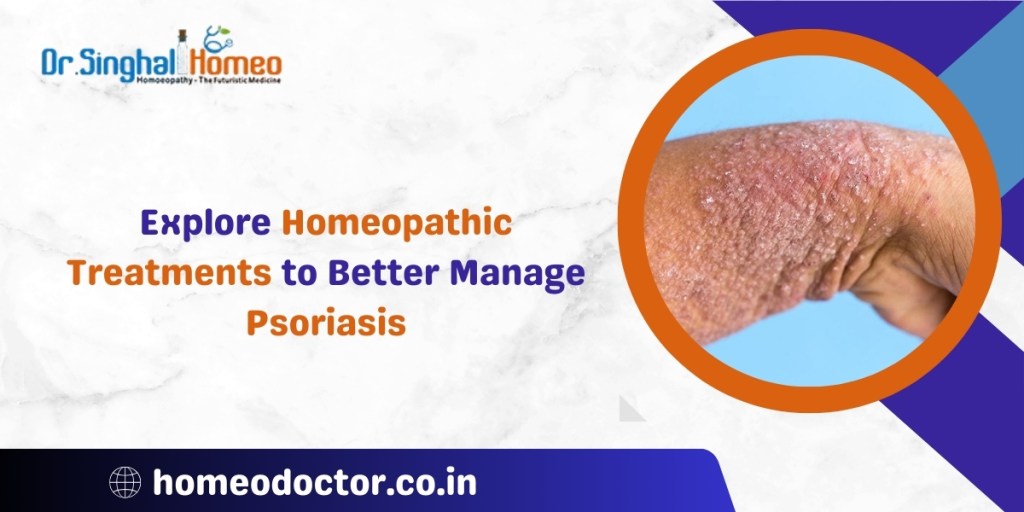
Psoriasis is a chronic autoimmune condition that affects millions of people worldwide. It’s characterized by red, scaly patches on the skin that can be itchy, painful, and emotionally distressing. While conventional medicine offers various treatments, many individuals are turning to alternative therapies like homeopathy for a more holistic approach. In this blog post, we’ll explore how Psoriasis Treatment in Homeopathy can help manage psoriasis symptoms and improve overall skin health.
The Homeopathic Perspective on Psoriasis
Homeopathy views psoriasis not just as a skin condition, but as a manifestation of an internal imbalance. This approach considers the whole person, including physical symptoms, emotional state, and lifestyle factors. Homeopathic treatment for psoriasis aims to stimulate the body’s natural healing processes, addressing the root cause rather than merely suppressing symptoms.
Key Principles of Homeopathic Treatment
Individualized approach
Stimulation of the body’s healing mechanisms
Focus on overall health, not just skin symptoms
Use of natural, non-toxic remedies
Common Homeopathic Remedies for Psoriasis
Homeopathy offers a range of remedies that can be effective in treating psoriasis. It’s important to note that the selection of a remedy is highly individualized and should be done under the guidance of a qualified homeopathic practitioner. Here are some commonly used remedies:
Arsenicum Album
This remedy is often prescribed for psoriasis characterized by dry, scaly skin with intense itching that worsens at night. Patients who benefit from Arsenicum Album may also experience anxiety and restlessness.
Graphites
Graphites is particularly useful for psoriasis that appears in skin folds, such as behind the knees or elbows. The affected skin may be thick, cracked, and oozing a sticky fluid.
Petroleum
This remedy is beneficial for psoriasis that worsens in cold, dry weather. The skin may be extremely dry, cracked, and bleeding, especially on the hands and feet.
Sulphur
Sulphur is a frequently used remedy for various skin conditions, including psoriasis. It’s particularly helpful when there’s intense itching that worsens with heat and bathing.
The Homeopathic Treatment Process
When you seek Homeopathy for Psoriasis, you can expect a comprehensive approach that goes beyond just addressing skin symptoms. Here’s what the process typically involves:
Initial Consultation
The first step in homeopathic treatment is a detailed consultation. This can last anywhere from 1 to 2 hours, during which the homeopath will:
Ask about your medical history
Inquire about your lifestyle, diet, and stress levels
Observe your psoriasis symptoms in detail
Explore your emotional state and personality traits
This thorough assessment helps the homeopath understand you as a whole person, not just your psoriasis symptoms.
Remedy Selection
Based on the information gathered during the consultation, the homeopath will select a remedy that best matches your individual symptom picture. This is a crucial step in homeopathic treatment, as the effectiveness of the remedy depends on how well it matches your specific case.
Administration and Follow-up
The selected remedy will be given in a specific potency and dosage. You’ll be advised on how to take the remedy and what lifestyle changes might support your treatment. Regular follow-up appointments will be scheduled to monitor your progress and make any necessary adjustments to your treatment plan.
Benefits of Homeopathic Treatment for Psoriasis
Homeopathic treatment offers several advantages for people with psoriasis:
Gentle and non-toxic: Homeopathic remedies are highly diluted and do not cause side effects or interact with other medications.
Holistic approach: By addressing the underlying imbalances, homeopathy can improve overall health, not just skin symptoms.
Long-term relief: While results may take time to manifest, many people experience long-lasting improvements with homeopathic treatment.
Stress reduction: The holistic nature of homeopathy often helps reduce stress and anxiety, which can trigger or exacerbate psoriasis flare-ups.
Personalized care: Each treatment plan is tailored to the individual, considering their unique symptoms and personal characteristics.
Lifestyle Support for Homeopathic Psoriasis Treatment
While homeopathic remedies play a central role in treatment, certain lifestyle changes can enhance their effectiveness:
Diet and Nutrition
A healthy diet can support skin health and reduce inflammation. Consider:
Increasing intake of omega-3 fatty acids (found in fish, flaxseeds, and walnuts)
Consuming plenty of fruits and vegetables for antioxidants
Reducing processed foods and refined sugars
Staying hydrated by drinking plenty of water
Stress Management
Stress can trigger psoriasis flare-ups, so incorporating stress-reduction techniques is crucial:
Practice regular meditation or deep breathing exercises
Engage in gentle exercise like yoga or tai chi
Ensure adequate sleep (7-9 hours per night)
Consider counseling or support groups if needed
Skin Care
Proper skin care can help manage symptoms and support healing:
Use gentle, fragrance-free soaps and moisturizers
Apply moisturizer immediately after bathing to lock in hydration
Avoid hot showers and opt for lukewarm water
Pat skin dry instead of rubbing
What to Expect from Homeopathic Psoriasis Treatment
It’s important to have realistic expectations when starting Psoriasis Treatment in Homeopathy. Unlike some conventional treatments that may provide rapid symptom relief, homeopathy works more gradually to address underlying imbalances.
“Homeopathy doesn’t just suppress symptoms; it aims to restore balance to the whole system. This process takes time, but the results can be profound and long-lasting.”
Here’s what you might experience during your treatment journey:
Initial aggravation: Some people may notice a temporary worsening of symptoms when they start treatment. This is often seen as a positive sign that the remedy is stimulating the body’s healing response.
Gradual improvement: Over time, you may notice your psoriasis patches becoming less inflamed, less itchy, and less extensive.
Overall health benefits: Many people report improvements in energy levels, mood, and general well-being alongside skin improvements.
Reduced frequency of flare-ups: As treatment progresses, you may experience fewer and less severe psoriasis flare-ups.
Need for patience: It can take several weeks or even months to see significant improvements. Consistency and patience are key.
Combining Homeopathy with Other Treatments
While homeopathy can be effective on its own, some people choose to use it alongside conventional treatments. It’s important to discuss this with both your homeopath and conventional doctor to ensure safe and effective integration of treatments.
Homeopathy can potentially:
Reduce the need for topical steroids
Support the immune system during systemic treatments
Help manage side effects of conventional medications
Finding a Qualified Homeopathic Practitioner
The success of homeopathic treatment largely depends on the skill and experience of the practitioner. When seeking homeopathic treatment for psoriasis, look for:
A practitioner with formal training in homeopathy
Membership in professional homeopathic associations
Experience in treating skin conditions, particularly psoriasis
Positive reviews or recommendations from other patients
Don’t hesitate to ask potential practitioners about their qualifications and approach to treating psoriasis.
Conclusion: A Natural Path to Skin Health
Homeopathic treatment offers a promising, natural approach to managing psoriasis. By addressing the condition holistically, it aims not just to alleviate symptoms, but to improve overall health and well-being. While it requires patience and commitment, many people find that homeopathy provides long-lasting relief from psoriasis symptoms without the side effects associated with some conventional treatments.
If you’re struggling with psoriasis and are interested in exploring homeopathic treatment, consider consulting with a qualified homeopath. Remember, every individual’s journey with psoriasis is unique, and finding the right treatment approach may take time. With persistence and the right support, however, it’s possible to achieve clearer, healthier skin and improved quality of life.
Allergies appear when the immune system overreacts to benign substances such as pet dander, dust, pollen, or certain foods. Symptoms may include breathing difficulties, sneezing, skin rashes, or digestive issues. Conventional treatments frequently offer temporary relief, but allergy treatment in Homeopathy concentrates on long-term recovery by addressing the root cause.
How Homeopathy Works for Allergies
Homeopathy manages and treats allergies by boosting the immune system and decreasing hypersensitivity. Rather than suppressing signs, it assists the body in resisting allergens. The best doctor for allergy treatment will customize remedies based on personal symptoms, guaranteeing effective and lasting relief.
Why Choose Allergy Treatment in Homeopathy?
Natural and side-effect-free: Homeopathy operates gently without causing any side effects and is safer for people of all ages.
Long-term relief: Maintains immunity and decreases allergic reactions over time.
Allergy treatment in Homeopathy provides an effective solution for those striving for a safe and holistic approach. Consult the best doctor for allergy treatment to find the proper remedy for lasting relief.
Why Choose Dr. Singhal Homeo Clinic?
Dr. Vikas Singhal is one of the most reputed and best doctors for allergy treatment in India. He has been practicing at Dr. Singhal Homeo clinic in Chandigarh. For 22 years, he has successfully treated rare, acute, chronic, and autoimmune conditions such as allergy. After thoroughly
reviewing the patient’s lifestyle, medical history, symptoms, and diagnosis report, he prescribes individualized allergy treatment in Homeopathy tailored to each case. You can get offline and online consultation options as per your needs.



 health