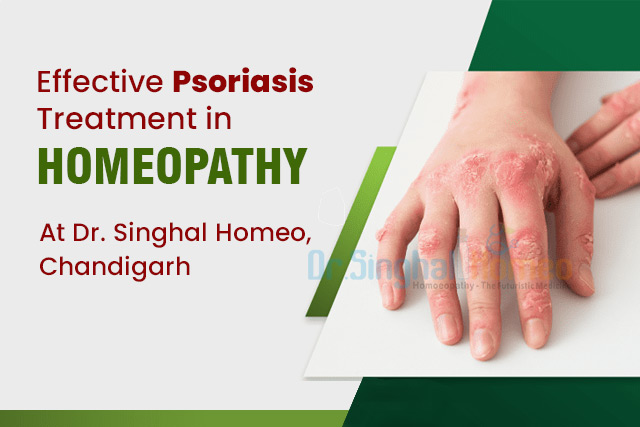
Homeopathic Medicines for Psoriasis Treatment: A Comprehensive Guide

Understanding Psoriasis and Its Impact

Psoriasis is a chronic autoimmune condition that affects millions of people worldwide. It manifests as red, scaly patches on the skin, often causing discomfort, itching, and even pain. For those living with psoriasis, finding effective treatments can be a challenging journey. While conventional medicine offers various options, many individuals are turning to alternative approaches, such as homeopathy, in search of relief. This comprehensive guide will explore the world of homeopathic medicines for psoriasis treatment, providing valuable insights for those seeking natural remedies.

What is Psoriasis?

Before delving into homeopathic treatments, it’s essential to understand psoriasis itself. Psoriasis is a condition where skin cells multiply much faster than normal, leading to the buildup of raised, red patches covered with white scales. These patches can appear anywhere on the body but are most commonly found on the elbows, knees, scalp, and lower back.

Psoriasis affects approximately 2-3% of the global population, making it a significant health concern.

The exact cause of psoriasis remains unknown, but researchers believe it stems from a combination of genetic and environmental factors. Triggers can include stress, certain medications, infections, and even climate changes.

The Principles of Homeopathy

Homeopathy is a system of alternative medicine developed by Samuel Hahnemann in the late 18th century. It operates on the principle of “like cures like,” suggesting that a substance that causes symptoms in a healthy person can be used to treat similar symptoms in a sick person.

Key Concepts in Homeopathy:

  • Individualization: Treatments are tailored to each person’s unique symptoms and overall health profile.
  • Minimal Dosage: Homeopathic remedies are highly diluted, with the belief that lower doses are more potent.
  • Holistic Approach: Homeopathy aims to treat the whole person, not just the symptoms of a disease.
Homeopathic Medicines for Psoriasis Treatment

Homeopathic practitioners use a variety of remedies to address psoriasis symptoms. These treatments are selected based on the individual’s specific symptoms, overall health, and the characteristics of their psoriasis lesions.

1. Arsenicum Album

Arsenicum Album is often prescribed for psoriasis patients who experience burning sensations and itching that worsens at night. This remedy is particularly useful for those with dry, scaly skin and a tendency to feel anxious or restless.

Characteristics of Arsenicum Album Patients:

  • Burning sensations that feel better with warm applications
  • Extreme restlessness and anxiety about health
  • Symptoms that worsen at night, especially between 1-2 AM

2. Graphites

Graphites is commonly used for psoriasis that manifests as thick, cracked skin, often accompanied by oozing and crusting. This remedy is particularly effective for psoriasis affecting the bends of joints, behind the ears, and on the scalp.

When to Consider Graphites:

  • Thick, rough skin with deep cracks
  • Oozing of sticky, honey-like fluid from lesions
  • Symptoms improve with warm applications and worsen in cold air

3. Sulphur

Sulphur is a widely used homeopathic remedy for various skin conditions, including psoriasis. It’s often prescribed for individuals with red, itchy skin that feels hot to the touch. Sulphur can be particularly helpful for those whose symptoms worsen with heat and bathing.

Sulphur Indications:

  • Intense itching that worsens with scratching
  • Red, inflamed skin that feels hot
  • Symptoms aggravated by heat and bathing

4. Natrum Muriaticum

Natrum Muriaticum is beneficial for psoriasis that appears in distinct patches, often with silvery scales. This remedy is particularly useful for individuals who experience worsening of symptoms near the hairline and in skin folds.

Key Features of Natrum Muriaticum Cases:

  • Distinct patches with clear borders
  • Dry, flaky skin, especially around the hairline
  • Symptoms may worsen from exposure to sun or sea air

5. Psorinum

Psorinum is considered a deep-acting remedy in homeopathy and is often used for chronic, stubborn cases of psoriasis. It’s particularly useful for individuals with a strong family history of skin conditions or those who feel their skin is never clean despite washing.

Psorinum Characteristics:

  • Intense itching, especially at night
  • Skin that appears dirty even after thorough cleaning
  • Strong connection to emotional stress or suppressed skin eruptions
The Homeopathic Approach to Psoriasis Treatment

When seeking homeopathic treatment for psoriasis, it’s important to understand that the approach differs significantly from conventional medicine. Homeopathic practitioners focus on treating the individual as a whole, rather than just addressing the skin symptoms.

Consultation Process

A homeopathic consultation for psoriasis typically involves:

  1. Detailed Case Taking: The practitioner will ask extensive questions about your symptoms, medical history, lifestyle, and emotional state.
  2. Physical Examination: A thorough examination of the affected skin areas.
  3. Remedy Selection: Based on the information gathered, the homeopath will select the most appropriate remedy.
  4. Follow-up Appointments: Regular follow-ups to assess progress and make any necessary adjustments to the treatment plan.

“In homeopathy, we don’t just treat the skin; we treat the person who has the skin condition.” – Dr. Luc De Schepper, renowned homeopathic practitioner

Dosage and Administration

Homeopathic remedies are typically given in the form of small pellets or liquid dilutions. The dosage and frequency of administration can vary widely depending on the individual case and the practitioner’s approach. It’s crucial to follow the prescribed regimen closely and not to self-medicate with homeopathic remedies.

Integrating Homeopathy with Conventional Treatments

While many individuals seek homeopathic treatments as an alternative to conventional medicine, it’s important to note that these approaches can often be used complementarily. Always consult with both your conventional doctor and homeopathic practitioner before combining treatments.

Potential Benefits of an Integrated Approach:

  • Reduced reliance on strong topical steroids
  • Improved overall well-being and stress management
  • Potential for longer periods of remission
Lifestyle Considerations for Psoriasis Management

In addition to homeopathic remedies, certain lifestyle changes can significantly impact psoriasis management:

Diet and Nutrition

  • Increase intake of omega-3 fatty acids (found in fish, flaxseeds, and walnuts)
  • Reduce consumption of inflammatory foods (such as processed foods and excessive dairy)
  • Stay hydrated by drinking plenty of water

Stress Management

  • Practice relaxation techniques like meditation or yoga
  • Engage in regular physical activity
  • Ensure adequate sleep and rest

Skincare Routine

  • Use gentle, fragrance-free moisturizers
  • Avoid hot showers and opt for lukewarm water
  • Pat skin dry instead of rubbing

Research and Evidence in Homeopathic Psoriasis Treatment

While anecdotal evidence supports the use of homeopathy for psoriasis, scientific research in this area is limited. However, some studies have shown promising results:

  • A 2013 study published in the journal “Homeopathy” found that individualized homeopathic treatment was associated with significant improvement in psoriasis symptoms.
  • A systematic review published in the “Journal of Alternative and Complementary Medicine” in 2015 suggested that homeopathy may be beneficial for some skin conditions, including psoriasis.

It’s important to note that more extensive research is needed to establish the efficacy of homeopathic treatments for psoriasis conclusively.

Choosing a Homeopathic Practitioner

If you’re considering homeopathic treatment for psoriasis, selecting a qualified and experienced practitioner is crucial. Here are some tips for finding a reputable homeopath:

  1. Check for proper certification and licensing
  2. Look for membership in professional homeopathic associations
  3. Ask about their experience in treating psoriasis specifically
  4. Read reviews or seek recommendations from trusted sources

Potential Challenges and Considerations

While homeopathy offers a gentle and individualized approach to psoriasis treatment, there are some challenges to consider:

  • Treatment Duration: Homeopathic treatments often require patience, as improvements may be gradual.
  • Cost: Homeopathic consultations and remedies may not be covered by insurance.
  • Aggravations: Some individuals may experience a temporary worsening of symptoms before improvement, known as a “homeopathic aggravation.”

Conclusion: A Holistic Path to Psoriasis Management

Homeopathic medicines for psoriasis treatment offer a promising alternative or complement to conventional therapies. By addressing the individual as a whole and tailoring treatments to specific symptom patterns, homeopathy provides a unique approach to managing this challenging skin condition.

While the efficacy of homeopathic treatments for psoriasis continues to be studied, many individuals have found relief and improved quality of life through this holistic approach. As with any medical treatment, it’s essential to consult with qualified healthcare professionals and maintain open communication about all therapies you’re using.

Remember, managing psoriasis is often a journey of finding what works best for you. Homeopathy, with its gentle and individualized approach, may be a valuable addition to your psoriasis management toolkit. By combining homeopathic treatments with a healthy lifestyle, stress management, and proper skincare, you can work towards achieving clearer skin and overall well-being.

“The art of healing comes from nature, not from the physician. Therefore, the physician must start from nature, with an open mind.” – Paracelsus

As research in this field continues to evolve, we may gain more insights into the effectiveness of homeopathic medicines for psoriasis treatment. In the meantime, those living with psoriasis have the opportunity to explore this time-honored system of medicine as part of their comprehensive approach to skin health and overall wellness.

Exploring Homeopathic Treatment for Trigeminal Neuralgia: A Comprehensive Guide

Understanding Trigeminal Neuralgia

Trigeminal neuralgia, often described as one of the most painful conditions known to medicine, is a chronic pain disorder that affects the trigeminal nerve. This nerve is responsible for carrying sensations from your face to your brain. When you’re suffering from trigeminal neuralgia, even mild stimulation of your face — such as brushing your teeth or putting on makeup — may trigger a jolt of excruciating pain.

What Causes Trigeminal Neuralgia?

The exact cause of trigeminal neuralgia isn’t always clear, but it’s often associated with:

  • Compression of the trigeminal nerve by blood vessels
  • Multiple sclerosis, which damages the myelin sheaths
  • Tumors or other structural abnormalities
  • Aging, as it’s more common in people over 50

Common Symptoms

The primary symptom of trigeminal neuralgia is intense facial pain, typically triggered by:

  • Touching the face
  • Eating or drinking
  • Talking
  • Brushing teeth
  • Shaving

“Living with trigeminal neuralgia can be incredibly challenging. The unpredictable nature of the pain can significantly impact one’s quality of life.”

Conventional Treatment Approaches

Before we delve into homeopathic treatments, it’s important to understand the conventional approaches to managing trigeminal neuralgia. These typically include:

  1. Anticonvulsant medications
  2. Antispasmodic agents
  3. Botox injections
  4. Surgery in severe cases

While these treatments can be effective for some patients, they often come with side effects and may not provide long-term relief for everyone.

Introduction to Homeopathy for Trigeminal Neuralgia

Homeopathy, a system of alternative medicine, has been used for over two centuries to treat various conditions, including trigeminal neuralgia. The principle behind homeopathy is “like cures like” — substances that cause symptoms in healthy people are used in very small amounts to treat similar symptoms in sick people.

The Homeopathic Approach

Homeopathic treatment for trigeminal neuralgia focuses on:

  • Individualized treatment plans
  • Addressing the root cause of the condition
  • Stimulating the body’s natural healing processes
  • Providing relief without harmful side effects

Key Homeopathic Remedies for Trigeminal Neuralgia

Several homeopathic remedies have shown promise in managing trigeminal neuralgia. Let’s explore some of the most commonly used remedies:

1. Aconite

Aconite is often used for sudden, intense pain that comes on quickly and is accompanied by restlessness and anxiety.

  • Symptoms it addresses: Sharp, shooting pains in the face
  • Triggers: Cold wind or weather
  • Additional indications: Fear and anxiety associated with pain

2. Belladonna

Belladonna is frequently prescribed for throbbing, pulsating pain that comes on suddenly.

  • Symptoms it addresses: Right-sided facial pain, redness, and heat
  • Triggers: Touch, jarring, or bright light
  • Additional indications: Flushed face and dilated pupils

3. Magnesia Phosphorica

This remedy is often used for shooting, electric-like pains that are relieved by warmth and pressure.

  • Symptoms it addresses: Sharp, spasmodic pains
  • Triggers: Cold air or cold applications
  • Additional indications: Pain improved by warm applications

4. Spigelia

Spigelia is commonly used for left-sided trigeminal neuralgia with severe, stabbing pains.

  • Symptoms it addresses: Intense, burning, or stinging pain
  • Triggers: Touch, cold air, or movement
  • Additional indications: Pain worse in the morning and during cold, damp weather
The Process of Homeopathic Treatment

When seeking homeopathic treatment for trigeminal neuralgia, it’s important to understand the process:

  1. Initial Consultation: A homeopathic practitioner will conduct a thorough interview to understand your symptoms, medical history, lifestyle, and emotional state.
  2. Remedy Selection: Based on your individual symptom picture, the practitioner will select the most appropriate remedy.
  3. Dosage and Administration: Homeopathic remedies are typically given in very small doses, often in the form of small pellets or liquid drops.
  4. Monitoring and Adjustments: Your progress will be closely monitored, and the treatment plan may be adjusted as needed.

“Homeopathic treatment is a highly individualized process. What works for one person may not work for another, even if they have the same condition.”

Benefits of Homeopathic Treatment for Trigeminal Neuralgia

Many patients choose homeopathy treatment for trigeminal neuralgia due to several potential benefits:

  1. Minimal Side Effects: Homeopathic remedies are highly diluted and generally considered safe, with few to no side effects.
  2. Holistic Approach: Homeopathy treats the whole person, not just the symptoms, potentially addressing underlying causes.
  3. Long-term Relief: Some patients report lasting relief from their symptoms after homeopathic treatment.
  4. Complementary Use: Homeopathic remedies can often be used alongside conventional treatments, under proper guidance.

Lifestyle Recommendations to Support Homeopathic Treatment

While homeopathic remedies can be effective, they work best when combined with lifestyle changes that support overall health:

Diet and Nutrition

  • Avoid trigger foods: Some people find that certain foods, particularly those high in artificial additives or MSG, can trigger pain.
  • Stay hydrated: Proper hydration is crucial for overall nerve health.
  • Consider an anti-inflammatory diet: Foods rich in omega-3 fatty acids and antioxidants may help reduce inflammation.

Stress Management

Stress can exacerbate trigeminal neuralgia symptoms. Consider incorporating stress-reduction techniques such as:

  • Meditation
  • Deep breathing exercises
  • Gentle yoga
  • Progressive muscle relaxation

Sleep Hygiene

Good sleep is essential for managing pain and promoting healing. Try to:

  • Maintain a consistent sleep schedule
  • Create a relaxing bedtime routine
  • Ensure your sleeping environment is comfortable and conducive to rest

Case Studies: Homeopathic Treatment Success Stories

While individual experiences can vary, many patients have reported significant improvement in their trigeminal neuralgia symptoms with homeopathic treatment. Here are a few anonymized case studies:

  1. Case Study 1: A 58-year-old woman with right-sided trigeminal neuralgia found relief with Belladonna 30C after conventional medications caused severe side effects.
  2. Case Study 2: A 42-year-old man experiencing left-sided facial pain saw improvement within weeks of starting treatment with Spigelia 200C.
  3. Case Study 3: A 65-year-old patient with multiple sclerosis-related trigeminal neuralgia reported reduced frequency and intensity of pain episodes after three months of individualized homeopathic treatment.

Potential Challenges and Limitations

While many people find relief through homeopathic treatment for trigeminal neuralgia, it’s important to be aware of potential challenges:

  • Time: Homeopathic treatment often takes time to show results, which can be frustrating for those in severe pain.
  • Individualization: Finding the right remedy can sometimes be a process of trial and error.
  • Lack of Large-Scale Studies: While there are many anecdotal success stories, large-scale clinical studies on homeopathy for trigeminal neuralgia are limited.

When to Seek Professional Help

While homeopathy can be effective, it’s crucial to work with a qualified practitioner, especially when dealing with a condition as serious as trigeminal neuralgia. Seek professional help if:

  • Your pain is severe or worsening
  • You’re experiencing new or unusual symptoms
  • You’re considering combining homeopathic treatment with conventional medications
  • You’re not seeing improvement after a reasonable period of treatment

“Always consult with a healthcare professional before starting any new treatment regimen, including homeopathy.”

Conclusion: Is Homeopathic Treatment Right for Your Trigeminal Neuralgia?

Homeopathic treatment for trigeminal neuralgia offers a gentle, individualized approach to managing this challenging condition. While it may not be a quick fix, many patients find that it provides relief with fewer side effects than conventional treatments.

However, it’s important to approach homeopathy with realistic expectations and under the guidance of a qualified practitioner. Trigeminal neuralgia is a complex condition, and what works for one person may not work for another.

If you’re considering homeopathic treatment for your trigeminal neuralgia, take the time to research and consult with both your conventional healthcare provider and a reputable homeopathic practitioner. They can help you determine if homeopathy is a suitable option for your individual case and guide you through the treatment process.

Remember, the journey to managing trigeminal neuralgia is often a combination of different approaches. Homeopathy can be a valuable tool in your toolkit, potentially offering relief and improved quality of life. Stay open to different treatment options, listen to your body, and work closely with your healthcare team to find the best path forward in managing your trigeminal neuralgia.

Vitiligo: Effective Treatment Options and How to Find the Best Doctor

Vitiligo is a skin disorder that causes loss of pigmentation, resulting in white patches on the skin. While vitiligo is not harmful, it can be emotionally challenging for many individuals. Finding the proper vitiligo treatment in Homeopathy is essential if you or a loved one are dealing with this condition.

Why You Need the Best Homeopathic Doctor for Vitiligo Treatment

When it comes to managing vitiligo, consulting the best doctor for vitiligo treatment is crucial. A skilled dermatologist or a medical professional specializing in skin disorders can evaluate the condition, suggest the most effective treatment choices, and provide personalized care. With the proper guidance, you can take control of your condition and improve your skin’s appearance and overall well-being.

Vitiligo Treatment in Homeopathy: A Natural Approach

Homeopathy offers an alternative, natural solution for vitiligo sufferers. Vitiligo treatment in homeopathy focuses on treating the root cause rather than just managing the signs. Homeopathic treatments are tailored to the individual, considering factors like lifestyle, emotional health, and overall constitution. Many people have reported improvements in pigmentation and skin tone with vitiligo treatment in homeopathy, making it a viable choice for those seeking holistic healing.

Holistic Healing with the Best Doctor for Vitiligo Treatment

The right best doctor for vitiligo treatment will offer various options, including homeopathic remedies, medical therapies, and lifestyle recommendations. Dr. Vikas Singhal, with his 22 years of experience at Dr. Singhal Homeo Clinic in Chandigarh, is well-known for providing personalized and effective treatments for vitiligo. With his expertise, you can expect a treatment plan that not only slows down the progression of vitiligo but also helps restore your skin’s natural pigmentation.

His holistic approach combines the best of modern and homeopathic methods to address the root causes of vitiligo. He focuses on the overall health of his patients, guaranteeing that each treatment is tailored to their needs. 

A personalized treatment plan can not only slow down the progression of vitiligo but also improve your skin’s natural pigmentation. With our expert advice, you can explore all avenues and make informed decisions about your treatment journey.

To learn more about homeopathic treatment for vitiligo or book an appointment, call or WhatsApp us at +91 9056551747.

Homeopathic Treatment for Trigeminal Neuralgia: A Natural Approach to Pain Relief

Understanding Trigeminal Neuralgia

Trigeminal neuralgia, often described as one of the most painful conditions known to medicine, is a chronic pain disorder that affects the trigeminal nerve. This nerve is responsible for carrying sensations from your face to your brain. When you’re suffering from trigeminal neuralgia, even mild stimulation of your face can trigger excruciating pain.

Symptoms of Trigeminal Neuralgia

The primary symptom of trigeminal neuralgia is sudden, severe facial pain. This pain is often described as:

  • Shock-like or burning
  • Triggered by touch, chewing, speaking, or brushing teeth
  • Occurring in short attacks lasting from a few seconds to several minutes
  • Affecting one side of the face, typically the cheek, jaw, teeth, gums, or lips

“Living with trigeminal neuralgia can be debilitating, impacting every aspect of daily life. Finding effective treatment is crucial for those affected.”

Conventional Treatments and Their Limitations

Conventional medicine typically approaches trigeminal neuralgia with medications such as anticonvulsants and muscle relaxants. In severe cases, surgical interventions may be recommended. However, these treatments often come with side effects and may not provide long-term relief for all patients.

This is where homeopathy treatment for trigeminal neuralgia comes into play, offering a gentler, more holistic approach to managing this painful condition.

Homeopathic Treatment for Trigeminal Neuralgia: An Overview

Homeopathy is a system of alternative medicine that operates on the principle of “like cures like.” It uses highly diluted substances that, in larger amounts, would produce symptoms similar to those of the condition being treated.

When it comes to trigeminal neuralgia, homeopathic treatment aims to:

  1. Alleviate pain
  2. Reduce the frequency and intensity of attacks
  3. Improve overall quality of life
  4. Address the root cause of the condition

Key Principles of Homeopathic Treatment

Homeopathic treatment for trigeminal neuralgia is based on several fundamental principles:

  1. Individualization: Each patient receives a personalized treatment plan based on their specific symptoms, overall health, and personal characteristics.
  2. Holistic approach: Homeopathy considers the entire person, not just the symptoms of trigeminal neuralgia.
  3. Minimum dose: Homeopathic remedies are highly diluted, reducing the risk of side effects.
  4. Single remedy: Typically, only one homeopathic remedy is prescribed at a time to address the patient’s condition.

Common Homeopathic Remedies for Trigeminal Neuralgia

While the choice of remedy is always individualized, some homeopathic medicines are frequently used in the treatment of trigeminal neuralgia:

Aconite

Aconite is often prescribed for sudden, intense pain accompanied by anxiety or fear. It’s particularly useful for trigeminal neuralgia attacks triggered by cold wind or weather changes.

Belladonna

Belladonna is a common remedy for throbbing, burning pain that comes on suddenly and intensely. It’s often used when the pain is worse on the right side of the face and is aggravated by touch or movement.

Magnesia Phosphorica

This remedy is known for its effectiveness in treating sharp, shooting pains. It’s often prescribed when warmth and pressure provide relief to the affected area.

Spigelia

Spigelia is used for left-sided facial pain that’s worse in cold, damp weather. The pain often extends from the face to the neck and is aggravated by touch and motion.

Verbascum

Verbascum is prescribed for pressure-like facial pain that’s worse in cold weather. It’s particularly useful when the pain feels like it’s being squeezed in a vice.

“It’s important to note that these remedies should only be taken under the guidance of a qualified homeopathic practitioner. Self-diagnosis and treatment can lead to ineffective results or delay proper medical care.”

The Process of Homeopathic Treatment for Trigeminal Neuralgia

When seeking homeopathic treatment for trigeminal neuralgia, you can expect the following process:

  1. Initial Consultation: Your homeopath will conduct a thorough interview, asking detailed questions about your symptoms, medical history, lifestyle, and emotional state.
  2. Remedy Selection: Based on the information gathered, the homeopath will select a remedy that best matches your individual symptom picture.
  3. Administration: The chosen remedy will be given in a specific potency and dosage schedule.
  4. Follow-up: Regular follow-up appointments will be scheduled to monitor your progress and make any necessary adjustments to the treatment plan.
  5. Lifestyle Recommendations: Your homeopath may suggest dietary changes, stress management techniques, or other lifestyle modifications to support your treatment.
Benefits of Homeopathic Treatment for Trigeminal Neuralgia

Many patients find homeopathic treatment for trigeminal neuralgia beneficial for several reasons:

  • Gentle and Non-invasive: Homeopathic remedies work with the body’s natural healing processes, avoiding harsh side effects.
  • Holistic Approach: By treating the whole person, homeopathy can address not just the pain, but also any underlying factors contributing to the condition.
  • Long-term Relief: While results may take time, many patients report long-lasting improvement in their symptoms.
  • Improved Quality of Life: By reducing pain and attack frequency, homeopathic treatment can significantly enhance overall well-being.
Lifestyle Support for Trigeminal Neuralgia

In addition to homeopathic remedies, certain lifestyle changes can support the treatment of trigeminal neuralgia:

Dietary Considerations

Some foods may trigger trigeminal neuralgia attacks. It’s often recommended to:

  • Avoid very hot or cold foods and drinks
  • Reduce caffeine intake
  • Limit alcohol consumption
  • Eat soft foods during flare-ups

Stress Management

Stress can exacerbate trigeminal neuralgia symptoms. Implementing stress-reduction techniques such as meditation, deep breathing exercises, or yoga can be beneficial.

Sleep Hygiene

Ensuring adequate, quality sleep can help manage pain and improve overall health. Establishing a regular sleep schedule and creating a comfortable sleep environment are important steps.

Combining Homeopathy with Other Treatments

While homeopathy can be effective on its own, it can also be used in conjunction with other treatments. Always consult with your healthcare providers before combining treatments to ensure safety and effectiveness.

Choosing a Homeopathic Practitioner

When seeking homeopathic treatment for trigeminal neuralgia, it’s crucial to choose a qualified and experienced practitioner. Look for:

  • Proper certification and licensing
  • Specialization or experience in treating neurological conditions
  • Good communication skills and a thorough approach to case-taking

Conclusion: The Promise of Homeopathy for Trigeminal Neuralgia

Homeopathic treatment for trigeminal neuralgia offers a promising alternative for those seeking natural, holistic pain relief. While it may not work for everyone, many patients report significant improvements in their symptoms and quality of life.

Remember, trigeminal neuralgia is a serious condition that requires proper diagnosis and management. Homeopathy should be considered as part of a comprehensive treatment plan, developed in consultation with healthcare professionals.

If you’re considering homeopathic treatment for trigeminal neuralgia, take the time to research and consult with a qualified homeopath. With patience and the right approach, you may find the relief you’ve been seeking from this challenging condition.

“Every journey towards healing is unique. Homeopathy offers a path that respects this individuality, providing hope for those struggling with trigeminal neuralgia.”

Finding Relief: Homeopathy for IBS

Understanding IBS and Its Impact

Irritable Bowel Syndrome (IBS) is a common digestive disorder that affects millions of people worldwide. If you’re one of those struggling with IBS, you know how challenging it can be to manage its symptoms. The good news is that there are alternative approaches to treatment, and homeopathy for IBS is gaining attention as a potential solution.

IBS can manifest in different ways, including abdominal pain, bloating, constipation, and diarrhea. These symptoms can significantly impact your quality of life, making it difficult to enjoy meals, socialize, or even carry out daily activities. While conventional medicine offers some relief, many people are turning to homeopathy as a gentler, more holistic approach to managing their IBS symptoms.

The Promise of Homeopathy for IBS

Homeopathy is a natural form of medicine that works on the principle of “like cures like.” This means that substances that can cause signs in a healthy person can be used in small, diluted amounts to treat similar symptoms in someone who is ill. When it comes to homeopathic treatment for IBS, the goal is to stimulate the body’s natural healing methods and restore balance to the digestive system.

One of the most appealing aspects of homeopathy is its personalized approach. Homeopathic practitioners take into account not just your physical signs but also your emotional state, lifestyle, and overall health. This holistic view can be particularly helpful for IBS sufferers, as stress and emotional factors often play a significant role in triggering or exacerbating symptoms.

Common Homeopathic Remedies for IBS

While homeopathic treatment is highly individualized, there are several remedies that are frequently used to address IBS symptoms:

  • Nux vomica: Often recommended for IBS with constipation, especially when symptoms are worsened by stress or overeating.
  • Lycopodium: Useful for bloating and gas, particularly when symptoms are exacerbate in the late afternoon or evening.
  • Arsenicum album: May help with diarrhea, especially when accompanied by anxiety or restlessness.
  • Pulsatilla: Can be beneficial for IBS symptoms that vary frequently and are influenced by emotional factors.
  • Colocynthis: Often used for severe abdominal cramps and pain that improve with pressure or warmth.

It’s important to note that these remedies should be taken under the guidance of a qualified homeopathic practitioner who can determine the most appropriate treatment for your specific case.

The Holistic Approach of Homeopathy

One of the key advantages of homeopathic treatment for IBS is its focus on treating the whole person, not just the symptoms. This approach recognizes that IBS is often influenced by factors beyond just diet and digestion. Stress, anxiety, and emotional well-being all play crucial roles in the manifestation and severity of IBS symptoms.

Homeopathic practitioners often spend considerable time understanding your unique symptoms, triggers, and overall health profile. This comprehensive assessment allows them to select remedies that address not only your physical symptoms but also any underlying emotional or psychological factors that may be contributing to your IBS.

Lifestyle Changes to Complement Homeopathic Treatment

While homeopathy can be a powerful tool in managing IBS, it’s most effective when combined with positive lifestyle changes. Here are some complementary strategies that can enhance the benefits of homeopathic treatment for IBS:

Dietary Modifications

  • Identify and avoid trigger foods: Keep a food diary to track which foods exacerbate your symptoms.
  • Increase fiber intake gradually: This can help regulate bowel movements and reduce constipation.
  • Stay hydrated: Drinking plenty of water is crucial for maintaining healthy digestion.

Stress Management

  • Practice relaxation techniques: Try meditation, deep breathing exercises, or yoga to reduce stress.
  • Regular exercise: Physical activity can help reduce stress and promote better digestion.
  • Adequate sleep: Ensure you’re getting enough quality sleep each night.

Mind-Body Techniques

  • Cognitive Behavioral Therapy (CBT): This can help manage stress and anxiety related to IBS.
  • Gut-directed hypnotherapy: Some studies have shown promising results for IBS symptom relief.
The Journey to Relief: What to Expect

When starting homeopathic treatment for IBS, it’s important to approach it with patience and an open mind. Unlike some conventional treatments that may offer quick but temporary relief, homeopathy aims to address the root cause of your symptoms, which can take time.

You may notice gradual improvements in your symptoms over several weeks or months. Some people experience an initial worsening of symptoms, known as a “healing crisis,” which is generally followed by improvement. Regular follow-ups with your homeopathic practitioner are crucial to assess your progress and adjust your treatment as needed.

Embracing a Positive Outlook

Living with IBS can be challenging, but it’s important to maintain a positive outlook. Homeopathy offers a gentle, natural approach to managing your symptoms and improving your overall well-being. By combining homeopathic treatment with lifestyle changes and a positive attitude, many people find significant relief from their IBS symptoms.

Remember, everyone’s journey with IBS is unique, and what works for one person may not work for another. Be patient with yourself and the process, and celebrate the small victories along the way. Whether it’s having a comfortable meal without worrying about symptoms or feeling more relaxed in social situations, these improvements can make a big difference in your quality of life.

Conclusion: A Path to Better Digestive Health

Homeopathy for IBS offers a promising alternative for those seeking a natural, holistic approach to managing their symptoms. By addressing both the physical and emotional aspects of IBS, homeopathic treatment aims to restore balance and promote overall well-being.

If you’re considering homeopathy for your IBS, it’s important to consult with a qualified doctor who can guide you through the process. Dr. Singhal Homeo Clinic, led by Dr. Vikas Singhal, is a trusted name in this field. With his 22 years of experience, he has been helping patients find effective, personalized solutions for IBS and other chronic conditions through classical homeopathy. His expertise and dedication ensure that you receive care tailored to your unique needs.

While it may take time to find the right combination of remedies and lifestyle changes, many people find that the journey leads to not just symptom relief but also a deeper understanding of their body and health.

Remember, you’re not alone in your struggle with IBS, and there are solutions available. With patience, perseverance, and the right approach, you can find relief and reclaim control over your digestive health. Embrace the possibility of improvement and take that first step towards a more comfortable, balanced life with homeopathy for IBS.

To get further information and book your appointment with our skilled Homeopathic doctor, feel free to contact us at +91 9056551747.

Homeopathic Medicines for Psoriasis Treatment: A Natural Approach to Skin Health

Understanding Psoriasis and Its Impact

Psoriasis is a chronic autoimmune condition that affects millions of people worldwide. It causes the rapid buildup of skin cells, resulting in scaly, itchy, and sometimes painful patches on the skin. While conventional treatments exist, many individuals are turning to homeopathic medicines for psoriasis treatment as a gentler, more holistic approach to managing their symptoms.

In this comprehensive guide, we’ll explore the world of homeopathic medicines for psoriasis treatment, discussing their potential benefits, popular remedies, and how to incorporate them into your skincare routine. Whether you’re new to homeopathy or looking to expand your knowledge, this article will provide valuable insights into this natural approach to psoriasis management.

The Principles of Homeopathy in Psoriasis Treatment

Homeopathy is based on the principle of “like cures like,” which suggests that substances that cause symptoms in a healthy person can be used in highly diluted forms to treat similar symptoms in a sick person. This approach aims to stimulate the body’s natural healing processes rather than simply suppressing symptoms.

When it comes to psoriasis treatment, homeopathic medicines work to:

  1. Boost the immune system
  2. Reduce inflammation
  3. Promote skin cell regeneration
  4. Address underlying emotional and physical triggers

By targeting these aspects, homeopathic remedies aim to provide long-term relief and improve overall skin health.

Popular Homeopathic Medicines for Psoriasis Treatment

Arsenicum Album

Arsenicum Album is a widely used homeopathic remedy for various skin conditions, including psoriasis. It is particularly effective for:

  • Dry, scaly skin with intense itching
  • Burning sensations that worsen at night
  • Anxiety and restlessness associated with skin discomfort

Patients who benefit from Arsenicum Album often experience relief from both physical symptoms and emotional distress related to their psoriasis.

Graphites

Graphites is another popular homeopathic medicine for psoriasis treatment, especially beneficial for:

  • Thick, cracked skin with oozing discharge
  • Psoriasis affecting the folds of the skin, such as behind the ears or between fingers
  • Individuals who tend to feel chilly and have a sluggish metabolism

This remedy is known for its ability to soften and heal stubborn, cracked skin lesions associated with psoriasis.

Sulphur

Sulphur is a fundamental remedy in homeopathy and is often prescribed for psoriasis treatment. It is particularly useful for:

  • Red, inflamed skin with intense itching
  • Symptoms that worsen with heat and bathing
  • Individuals who feel hot and irritable

Sulphur is known to address the deep-seated nature of psoriasis and can help in cases where other treatments have shown limited success.

Thuja Occidentalis

Thuja Occidentalis is a remedy often considered for psoriasis with the following characteristics:

  • Scaly patches with a warty appearance
  • Symptoms aggravated by cold and damp weather
  • Psoriasis affecting the scalp and nails

This remedy is also known for its ability to address skin conditions that may be linked to suppressed symptoms from previous treatments.

Incorporating Homeopathic Medicines into Your Psoriasis Treatment Plan

While homeopathic medicines for psoriasis treatment can be highly effective, it’s essential to approach their use thoughtfully and systematically. Here are some key considerations:

Consult a Qualified Homeopath

Before starting any homeopathic treatment, it’s crucial to consult with a qualified homeopath. They can:

  • Assess your individual case thoroughly
  • Prescribe the most appropriate remedy based on your specific symptoms
  • Determine the correct potency and dosage
  • Monitor your progress and adjust the treatment as needed

A professional homeopath will take into account not just your physical symptoms but also your emotional state and overall health to select the best remedy for you.

Be Patient and Consistent

Homeopathic treatment often requires time to show results, especially for chronic conditions like psoriasis. It’s important to:

  • Follow your homeopath’s instructions carefully
  • Be consistent with taking your prescribed remedies
  • Keep track of any changes in your symptoms
  • Allow sufficient time for the treatment to work before expecting significant improvements

Remember, homeopathy aims to stimulate your body’s natural healing processes, which can take time but often leads to more lasting results.

Combine with Lifestyle Changes

To maximize the benefits of homeopathic medicines for psoriasis treatment, consider implementing complementary lifestyle changes:

  • Follow a balanced, anti-inflammatory diet
  • Manage stress through relaxation techniques or meditation
  • Use gentle, natural skincare products
  • Avoid known triggers for your psoriasis flare-ups

These lifestyle adjustments can support your homeopathic treatment and contribute to better overall skin health.

Understanding Potential Side Effects and Interactions

One of the advantages of homeopathic medicines for psoriasis treatment is their generally low risk of side effects. However, it’s still important to be aware of potential reactions:

  • Initial aggravation: Some patients may experience a temporary worsening of symptoms when starting homeopathic treatment. This is often seen as a positive sign that the remedy is stimulating the body’s healing response.
  • Individual sensitivities: While rare, some people may be sensitive to certain homeopathic remedies. Always report any unusual reactions to your homeopath.
  • Interactions with other treatments: Inform your homeopath about any other medications or treatments you’re using to ensure there are no contraindications.

The Role of Constitutional Treatment in Psoriasis Management

In homeopathy, constitutional treatment is an approach that goes beyond addressing just the symptoms of psoriasis. It aims to treat the person as a whole, considering their physical, emotional, and mental characteristics. This comprehensive approach can be particularly beneficial for chronic conditions like psoriasis.

A constitutional remedy is selected based on a detailed analysis of:

  • Your specific psoriasis symptoms
  • Your overall health history
  • Your temperament and personality traits
  • Your likes, dislikes, and reactions to various environmental factors

By addressing these deeper aspects, constitutional treatment aims to:

  1. Improve your overall health and resilience
  2. Reduce the frequency and severity of psoriasis flare-ups
  3. Enhance your body’s ability to heal and maintain skin health

While it may take longer to see results with constitutional treatment, many patients report more profound and lasting improvements in their psoriasis symptoms and overall well-being.

Combining Homeopathy with Conventional Psoriasis Treatments

It’s important to note that homeopathic medicines for psoriasis treatment can often be used alongside conventional treatments. However, this should always be done under the guidance of both your homeopath and dermatologist. Some patients find that combining approaches allows them to:

  • Reduce their reliance on strong topical steroids
  • Manage side effects from conventional treatments
  • Achieve better overall control of their psoriasis symptoms

Open communication between all healthcare providers involved in your psoriasis treatment is key to ensuring safe and effective integration of different therapeutic approaches.

Conclusion: Embracing a Holistic Approach to Psoriasis Management

Homeopathic medicines for psoriasis treatment offer a promising, natural approach to managing this challenging skin condition. By addressing both the physical symptoms and the underlying imbalances that contribute to psoriasis, homeopathy aims to provide comprehensive, long-lasting relief.

Remember that every individual’s experience with psoriasis is unique, and what works for one person may not work for another. Patience, consistency, and working closely with a qualified homeopath are key to finding the most effective homeopathic treatment for your psoriasis.

As you explore homeopathic options, continue to educate yourself about psoriasis and stay informed about the latest developments in both conventional and alternative treatments. By taking an active role in your health care and embracing a holistic approach to psoriasis management, you can work towards achieving clearer, healthier skin and improved overall well-being.

“The art of healing comes from nature, not from the physician. Therefore, the physician must start from nature, with an open mind.” – Paracelsus

This quote reminds us of the power of natural healing approaches like homeopathy and encourages us to remain open to the body’s innate ability to restore balance and health. As you continue your journey with psoriasis management, consider exploring homeopathic medicines as part of your comprehensive treatment plan, always under the guidance of qualified healthcare professionals.

Ease the Pain Naturally: Homeopathic Treatment for Piles

Piles are swollen veins in the lower anus or rectum that can cause pain, itching, bleeding, and discomfort while sitting or passing stools. Many people suffer silently due to embarrassment or fear of surgery. Fortunately, Homeopathy treatment for piles offers a gentle, non-invasive, and effective solution. Here’s how homeopathy helps manage and heal piles:

1. Targets the Root Cause

Unlike conventional treatments that concentrate only on sign relief, Homeopathy treatment for piles manages the root causes—such as chronic constipation, poor diet, or sedentary lifestyle. By restoring digestive balance and enhancing bowel habits, homeopathy stops recurrence.

2. Personalized Remedies

Homeopathy considers the person’s complete symptom picture—pain kind, bleeding pattern, emotional stress, and even dietary habits. Remedies like Nux Vomica, Aesculus, or Hamamelis are selected based on the unique needs of each person, ensuring effective and lasting relief.

3. Safe and Side-Effect Free

Homeopathic medicines are gentle on the body. They are made from natural sources and are non-addictive. Whether the piles are internal or external, bleeding or non-bleeding, homeopathy can help without the need for harsh procedures or medication.

4. Improves Overall Digestive Health

Since digestion plays a key role in the development of piles, homeopathy enhances gut health, eases bowel movements, and reduces straining—all of which are crucial for long-term recovery.

Dr. Singhal Homeo- For the Most Effective Homeopathic Treatment for Piles

Dr. Vikas Singhal is one of the most trusted and reputed Homeopathic experts, offering effective Homeopathy treatment for piles. For 22 years, he has successfully treated different acute, chronic, & rare disorders at Dr. Singhal Homeo clinic in Chandigarh. 

After examining the patient’s symptoms, diagnosis reports, lifestyle, etc., he prescribes individualized piles treatment in Homeopathy. He offers face-to-face and offline appointments as per the patient’s needs and the doctor’s available time slot.

To get information on highly effective homeopathic treatment, contact us at +91 9056551747.

Understanding the Causes of Ankylosing Spondylitis: What You Need to Know

Have you ever wondered about the reasons behind ankylosing spondylitis? If you’re searching for answers, you’re not alone. This condition affects many people worldwide, and understanding the causes of ankylosing spondylitis can be crucial in managing it effectively. Let’s dive into the world of ankylosing spondylitis and explore what might be behind this challenging condition.

What is Ankylosing Spondylitis?

Before we jump into the causes, let’s quickly recap what ankylosing spondylitis is. It’s a type of arthritis that primarily affects the spine, causing inflammation and pain. Over time, it can lead to the fusion of vertebrae, making the spine less flexible. But don’t worry; we’re here to explain why this happens.

The Genetic Link: HLA-B27 and Ankylosing Spondylitis

The Role of HLA-B27

Genetics is one of the most significant causes of ankylosing spondylitis. Specifically, a gene called HLA-B27 plays a starring role in this condition. But what exactly is HLA-B27?

HLA-B27 is a protein found on the surface of cells. It’s part of the immune system and helps your body identify and fight off harmful substances. However, this gene can contribute to developing ankylosing spondylitis in some people.

Did you know? About 90% of people with ankylosing spondylitis have the HLA-B27 gene. But having the gene doesn’t guarantee you’ll develop the condition.

Other Genetic Factors

While HLA-B27 is the most well-known genetic factor, it’s not the only one. Scientists have identified several other genes that might play a role in ankylosing spondylitis. These include:

  • ERAP1
  • IL23R
  • RUNX3

These genes are all involved in how your immune system works, which brings us to our next point.

The Immune System’s Role in Ankylosing Spondylitis

Ankylosing spondylitis is considered an autoimmune condition. This means that your immune system, which usually protects you from harmful invaders, mistakenly attacks your body. In the case of ankylosing spondylitis, the immune system targets the joints in your spine and other areas.

But why does this happen? Well, it’s a bit of a mystery, but researchers have some theories:

  1. Molecular mimicry: Your immune system might confuse some of your cells with harmful bacteria or viruses.
  2. Leaky gut: Some scientists think a leaky gut might allow bacteria to enter your bloodstream, triggering an immune response.
  3. Stress on joints: Physical stress on your joints might cause changes that your immune system sees as a threat.
Environmental Factors: The External Triggers

While genetics and your immune system play significant roles, environmental factors can also contribute to the causes of ankylosing spondylitis. These external triggers might include:

Infections

Some researchers believe that certain infections might trigger ankylosing spondylitis in people who are genetically susceptible. While no specific infection has been definitively linked to the condition, this area is still being studied.

Physical Trauma

There’s some evidence that physical trauma, especially to the spine, might play a role in triggering ankylosing spondylitis. However, more research is needed to understand this connection entirely.

Lifestyle Factors

While not direct causes, certain lifestyle factors can influence the progression of ankylosing spondylitis:

  • Smoking: This can worsen symptoms and increase the risk of spinal damage.
  • Lack of exercise: Regular physical activity is crucial for maintaining flexibility and reducing pain.
  • Poor posture: Maintaining good posture can help reduce stress on your spine.
The Gender Factor: Why More Men?

Interestingly, ankylosing spondylitis affects men more often than women. While the exact reasons for this aren’t fully understood, it’s thought that hormones might play a role. Some researchers believe that testosterone might influence the development of the condition, while estrogen might have a protective effect.

Age of Onset: Why Does It Start When It Does?

Ankylosing spondylitis typically begins in late adolescence or early adulthood. But why does it start at this particular time? The answer isn’t entirely clear, but it might have to do with the changes your body goes through during this period:

  1. Hormonal changes: As mentioned earlier, hormones might play a role in developing ankylosing spondylitis.
  2. Increased physical activity: Many people engage in more intense physical activity during this time, which could potentially trigger the condition in susceptible individuals.
  3. Stress: The transition to adulthood can be stressful, and stress can affect your immune system.
The Complexity of Ankylosing Spondylitis Causes

As we’ve seen, the causes of ankylosing spondylitis are complex and multifaceted. It’s not just one thing but a combination of factors that can lead to the development of this condition. Your genes, your immune system, and your environment all play a part in this intricate puzzle.

Remember: Having risk factors doesn’t mean you’ll definitely develop ankylosing spondylitis. Many people with the HLA-B27 gene never develop the condition.

Conclusion

Understanding the causes of ankylosing spondylitis can be empowering. It can help you make informed decisions about your health and lifestyle. If you have a family history of the condition or are experiencing symptoms, consulting an experienced doctor is essential. Dr. Vikas Singhal is one of the best homeopathic specialists in India. For 22 years, he has extensive experience in addressing ankylosing spondylitis through individualized homeopathic treatment. His approach concentrates on addressing the root causes while assisting patients in achieving long-term relief.

While we can’t change our genes, we can focus on the factors we can control. Maintaining a healthy lifestyle, staying active, and managing stress can all contribute to better overall health and potentially reduce the impact of ankylosing spondylitis. Under the expert recommendation of Dr. Vikas Singhal, many people have found holistic solutions to ease their symptoms and improve their quality of life.

Remember, knowledge is power. By understanding the causes of ankylosing spondylitis, you’re taking an important step in your health journey. Keep learning, stay positive, and don’t hesitate to seek support when needed. You’re not alone in this journey, and with the right information and care, you can lead a full and active life, even with ankylosing spondylitis.

Call or WhatsApp us at +91 9056551747 to learn more.

Struggling with Hormonal Issues? Try 15 Best Foods

Hormonal changes can lead to problems like weight gain, fatigue, mood swings, and skin problems. A well-balanced diet plays a vital role in keeping hormone levels natural. Here are the 15 best foods for hormonal imbalance that support endocrine health and overall health.

  • Avocados: Packed with nutritious fats, it help control progesterone and estrogen levels.
  • Flaxseeds: Rich in omega-3s and lignans, flaxseeds support estrogen balance and decrease inflammation.
  • Chia Seeds: These little seeds help regulate hormones by encouraging stable blood sugar levels.
  • Leafy Greens: Kale, spinach, & Swiss chard contain vital minerals that support adrenal function.
  • Broccoli: Broccoli is high in fiber & antioxidants and helps detox excess estrogen.
  • Salmon: Salmon is a significant source of omega-3 fatty acids and supports thyroid and adrenal health.
  • Eggs:  These are full of good fats and protein, and they stabilize blood sugar and hormone production.
  • Quinoa: This whole grain offers plant-based protein and sustains insulin regulation.
  • Berries: It’s loaded with antioxidants, and berries fight oxidative stress that disrupts hormones.
  • Nuts: They help lower cortisol levels and sustain brain function.
  • Yogurt: Yogurt is rich in probiotics, which promote gut health and are critical for hormone balance.
  • Coconut Oil: A natural source of healthful fats, coconut oil supports thyroid function.
  • Turmeric: Contains curcumin, which decreases inflammation & balances estrogen levels.
  • Dark Chocolate: Increases serotonin production, assisting in regulating mood-related hormones.
  • Green Tea: Includes catechins that enhance insulin sensitivity and hormone function.

Including the 15 best foods for hormonal imbalance can help restore balance naturally. A nutrient-dense diet is pivotal to keeping hormone health and overall health.

Why Choose Us?

For expert recommendations on addressing hormonal imbalance, Dr. Vikas Singhal at Dr. Singhal Homeo Clinic provides personalized homeopathic treatments. Along with dietary guidance, including the 15 Best Foods for Hormonal Imbalance, Dr. Singhal offers holistic keys to restore hormonal balance inherently and effectively.

To know more or schedule an appointment, contact us at +91 9056551747.

Exploring Homeopathic Treatment for Behcet’s Disease: A Natural Approach to Healing

Understanding Behcet’s Disease: A Brief Overview

Behcet’s disease is a rare, chronic condition that causes inflammation in blood vessels throughout the body. This complex disorder can affect various parts of the body, including the mouth, eyes, skin, and joints. While conventional medicine offers treatment options, many people are turning to alternative approaches like homeopathy to manage their symptoms and improve their quality of life.

In this blog post, we’ll explore the world of homeopathic treatment for Behcet disease, offering hope and information to those seeking natural remedies for this challenging condition.

The Promise of Homeopathy for Behcet’s Disease

Homeopathy is a holistic system of medicine that aims to stimulate the body’s natural healing processes. It’s based on the principle of “like cures like,” using highly diluted substances to trigger the body’s self-healing mechanisms. For people with Behcet’s disease, homeopathy offers a gentle, non-invasive approach to managing symptoms and supporting overall health.

How Homeopathy Views Behcet’s Disease

In homeopathy, Behcet’s disease is seen as a manifestation of an imbalance in the body’s vital force. Rather than focusing solely on suppressing symptoms, homeopathic treatment aims to address the root cause of the condition and restore balance to the entire system.

Key Homeopathic Remedies for Behcet’s Disease

While homeopathic treatment is highly individualized, several remedies have shown promise in addressing the symptoms of Behcet’s disease. Let’s explore some of the most commonly used homeopathic medicines for this condition:

1. Mercurius Solubilis

  • Helps with mouth ulcers and genital sores
  • Beneficial for patients who experience excessive salivation
  • Useful for those with a tendency towards night sweats

2. Apis Mellifica

  • Effective for reducing inflammation and swelling
  • Particularly helpful for eye symptoms associated with Behcet’s disease
  • Can alleviate burning and stinging sensations

3. Thuja Occidentalis

  • Addresses skin eruptions and ulcers
  • Useful for patients with wart-like growths
  • May help with joint pain and stiffness

4. Rhus Toxicodendron

  • Beneficial for joint pain and stiffness, especially when worse on initial movement
  • Helps with skin eruptions that are itchy and red
  • Can alleviate restlessness associated with Behcet’s disease

5. Arsenicum Album

  • Useful for burning pains and ulcerations
  • Helps with anxiety and restlessness often experienced by Behcet’s patients
  • Beneficial for those who feel worse at night and better with warmth
The Homeopathic Approach to Treating Behcet’s Disease

Homeopathic treatment for Behcet’s disease goes beyond simply prescribing remedies. It involves a comprehensive approach that takes into account the individual’s unique symptoms, overall health, and emotional well-being.

Individualized Treatment Plans

A homeopathic practitioner will conduct a detailed consultation to understand the patient’s specific symptoms, medical history, and lifestyle factors. This information is used to create a personalized treatment plan that addresses the individual’s unique needs.

Holistic Healing

Homeopathy aims to treat the whole person, not just the disease. This means that the treatment plan may include recommendations for dietary changes, stress management techniques, and lifestyle modifications in addition to homeopathic remedies.

Gentle and Progressive Healing

Homeopathic treatment for Behcet’s disease is typically gentle and gradual. Patients may notice improvements in their symptoms over time, with reduced frequency and severity of flare-ups.

Complementary Therapies to Enhance Homeopathic Treatment

While homeopathy can be effective on its own, many patients find that combining it with other natural therapies can enhance their overall healing experience. Here are some complementary approaches that may be beneficial:

1. Dietary Modifications

  • Adopting an anti-inflammatory diet rich in fruits, vegetables, and omega-3 fatty acids
  • Avoiding trigger foods that may exacerbate symptoms
  • Staying hydrated to support overall health

2. Herbal Supplements

  • Turmeric for its anti-inflammatory properties
  • Boswellia to reduce inflammation and support joint health
  • Ginger to aid digestion and reduce inflammation

3. Mind-Body Techniques

  • Meditation and deep breathing exercises to reduce stress
  • Yoga for gentle exercise and stress relief
  • Guided imagery to promote relaxation and healing

4. Acupuncture

  • May help reduce inflammation and pain
  • Can support overall balance in the body
  • Often used in conjunction with homeopathy for enhanced results
Success Stories: Real-Life Experiences with Homeopathic Treatment for Behcet’s

While every individual’s experience with homeopathy is unique, many people with Behcet’s disease have reported positive outcomes from homeopathic treatment. Here are a few inspiring stories:

“After years of struggling with painful mouth ulcers and joint pain, I decided to try homeopathy. Within a few months of treatment, I noticed a significant reduction in the frequency of my flare-ups. I feel more energetic and optimistic about managing my condition.” – Sarah, 42

“Homeopathy has been a game-changer for my eye symptoms. The burning and inflammation have decreased considerably, and I’m able to enjoy activities that were once challenging due to my vision problems.” – Michael, 35

These stories offer hope and encouragement to those considering homeopathic treatment for Behcet’s disease.

Finding a Qualified Homeopathic Practitioner

If you’re interested in exploring homeopathic treatment for Behcet’s disease, it’s essential to work with a qualified and experienced practitioner. Here are some tips for finding the right homeopath:

  • Look for certifications from reputable homeopathic organizations
  • Check for experience in treating autoimmune conditions, particularly Behcet’s disease
  • Read reviews and testimonials from other patients
  • Schedule a consultation to assess your comfort level with the practitioner

The Future of Homeopathy in Treating Behcet’s Disease

As more people seek natural and holistic approaches to managing chronic conditions, the role of homeopathy in treating Behcet’s disease is likely to grow. Ongoing research and clinical studies are exploring the effectiveness of homeopathic remedies for autoimmune disorders, offering hope for even more targeted and effective treatments in the future.

Embracing a Holistic Approach to Behcet’s Disease Management

While homeopathy offers promising results for many people with Behcet’s disease, it’s important to remember that a holistic approach to health is often the most effective. This may include:

  • Regular consultations with your healthcare team, including both conventional and alternative practitioners
  • Maintaining a healthy lifestyle with proper nutrition, exercise, and stress management
  • Staying informed about the latest developments in Behcet’s disease treatment
  • Connecting with support groups and other individuals living with the condition

Conclusion: Hope and Healing Through Homeopathy

homeopathy for behcet disease offers a gentle, natural approach to managing this complex condition. By addressing the root causes of imbalance in the body and supporting the body’s innate healing abilities, homeopathy can provide relief from symptoms and improve overall quality of life for many individuals with Behcet’s disease.

If you’re considering homeopathy as part of your treatment plan, remember to approach it with an open mind and patience. Healing takes time, but with the right combination of treatments and lifestyle changes, many people with Behcet’s disease find renewed hope and improved well-being through homeopathy.

Always consult with your healthcare provider before making any changes to your treatment plan, and work closely with a qualified homeopathic practitioner to ensure the best possible outcomes for your health journey.

Design a site like this with WordPress.com
Get started