If you’re reading this, chances are you or your loved ones are suffering from asthma. If yes, and if you are looking for an effective, yet gentler, more natural treatment option to get rid of asthma symptoms, you are in luck. Today, we are discussing the effectiveness of homeopathic medicines in treating asthma and where to find the right doctor for that. Asthma homeopathy treatment offers a promising path alongside conventional medicine. Be with us to learn more.
What Makes Homeopathy Different for Asthma?
Asthma homeopathy treatment works on a completely different principle than traditional medications. Instead of simply suppressing symptoms, homeopathic remedies aim to strengthen your body’s natural healing abilities. Think of it as teaching your immune system to respond more appropriately to triggers, rather than overreacting with inflammation and breathing difficulties.
The beauty of this approach lies in its gentleness. Homeopathic remedies are highly diluted natural substances that work with your body’s own healing mechanisms. Many people appreciate this because it means fewer concerns about harsh side effects or long-term dependency on medications.
Common Homeopathic Remedies for Asthma
Several homeopathic medicines have shown positive results for asthma sufferers:
Arsenicum Album – Often helpful for nighttime asthma attacks and anxiety-related breathing issues
Natrum Sulphuricum – Particularly beneficial for asthma triggered by damp weather
Ipecacuanha – Commonly used when asthma comes with persistent coughing and mucus
Sambucus – Helpful for breathing difficulties that worsen when lying down
Disclaimer: The information provided about homeopathic remedies is for educational purposes only and should not replace professional medical advice. Always consult with a qualified healthcare provider and homeopathic practitioner before starting any treatment. Do not discontinue prescribed asthma medications without medical supervision.
Expert Care with Dr. Vikas Singhal
Dr. Vikas Singhal is a renowned homeopathic practitioner with extensive experience in treating respiratory conditions, including asthma. His personalized approach focuses on understanding each patient’s unique symptom pattern, triggers, and overall health condition. Dr. Singhal’s expertise in asthma homeopathy treatment has helped numerous patients achieve better breathing and improved quality of life through carefully selected homeopathic remedies.
What to Expect on Your Journey
Starting homeopathic treatment for asthma is often a gradual process, and that’s actually a good thing. Many people notice improvements in their overall energy and well-being first, followed by fewer asthma episodes and reduced intensity of symptoms. Some find their sleep improves, their anxiety decreases, and their tolerance to triggers gets better over time.
It’s important to work with both your regular doctor and a qualified homeopath, especially in the beginning. This team approach ensures you’re getting the best of both worlds while staying safe.
Moving Forward with Confidence
Asthma homeopathy treatment offers real hope for those seeking natural alternatives. While everyone’s journey is different, many people have found significant improvement in their quality of life through this gentle approach.Remember, healing takes time, but with patience and the right guidance, you may discover a path to better breathing and overall wellness that feels right for your body and lifestyle.
The key is taking that first step toward exploring what homeopathy might offer you. Call or WhatsApp us at +91 9056551747 to learn more or book your consultation with Dr. Vikas Singhal for a personalized homeopathic treatment for asthma.
Rheumatoid Arthritis or RA is a long-term autoimmune condition that causes pain, swelling, and stiffness in the joints. It often affects daily activities, making even simple tasks difficult. Many patients look for safe and long-lasting solutions beyond painkillers. In this regard, Homeopathy treatment for rheumatoid arthritis has become a trusted choice for many.
Why Choose Homeopathy for RA?
Unlike conventional medicine, which mainly controls pain and inflammation, homoeopathy focuses on the root cause of the disease. Remedies are personalized after understanding the patient’s symptoms, lifestyle, and overall health. This natural approach helps in reducing joint stiffness, improving mobility, and slowing down disease progression. Patients often report better energy levels and improved quality of life with Homeopathy treatment for rheumatoid arthritis.
Importance of Expert Guidance
Rheumatoid Arthritis is a complex disorder and needs professional guidance for effective management. Choosing the best doctor for rheumatoid arthritis treatment is crucial, as only an experienced specialist can design a customized treatment plan. Homeopathy, when guided by a skilled practitioner, not only relieves signs but also strengthens the immune system to fight the disease naturally.
Why Choose Dr. Vikas Singhal?
For patients seeking reliable treatment, Dr. Vikas Singhal is a well-known and highly respected homeopathy doctor in India. At his Dr. Singhal Homeo clinic, he has been treating all types of disorders with a scientific and personalized approach. With over 23 years of experience, Dr. Singhal has helped numerous patients manage rheumatoid arthritis successfully. His treatment combines traditional homeopathic principles with modern medical understanding, ensuring safe and effective care.
To know more about Homeopathic treatment for rheumatoid arthritis or schedule an appointment, contact us at +91 9056551747.
Ankylosing spondylitis, or AS, is a chronic inflammatory disease impacting the spine and joints, leading to stiffness, pain, and decreased mobility. Early ankylosing spondylitis diagnosis & treatment can help address symptoms and enhance the quality of life.
Diagnosis of Ankylosing Spondylitis
Timely ankylosing spondylitis diagnosis and treatment is important to prevent complications. Diagnosis involves:
Physical Examination: Assessing spinal flexibility and joint discomfort.
Imaging Tests: MRIs and X-rays help detect inflammation and structural changes.
Blood Tests: Evaluating markers such as HLA-B27 and inflammatory levels.
Treatment Options for Ankylosing Spondylitis
Effective ankylosing spondylitis diagnosis & treatment contains a combination of approaches:
Medication: NSAIDs, biologics, and DMARDs help decrease pain and inflammation.
Physical Therapy: Regular stretching and exercise improve flexibility and posture.
Lifestyle Changes: Maintaining good posture, a healthy weight, and an anti-inflammatory diet aid symptom control.
The Importance of Early Intervention
Delaying ankylosing spondylitis diagnosis and treatment can lead to severe spinal fusion and joint damage. Consulting an expert early guarantees better management and prevents long-term complications.
People with AS can support mobility and lead an active life by recognizing signs early and following a complete treatment plan.
Why Choose Dr. Singhal Homeo Clinic?
For expert ankylosing spondylitis diagnosis & treatment, Dr. Singhal Homeo clinic in Chandigarh offers holistic homeopathic solutions. With 22 years of experience, Dr. Vikas Singhal offers individualized treatment plans to decrease inflammation, alleviate discomfort, and enhance mobility. Homeopathy helps address symptoms naturally without adverse effects. Choosing our clinic ensures comprehensive care, managing the root cause, and improving overall well-being. Early consultation can lead to better results and an enhanced quality of life.
To learn more or schedule an appointment, feel free to contact us at +91 9056551747.
Are you tired of searching for a gentle, effective solution for PCOD? If you’re looking for the best doctor for PCOD treatment, especially through homeopathy, you’re not alone. Many women are turning to homeopathic treatment for PCOD, hoping for relief without harsh side effects. Let’s explore how homeopathy can help, and why Dr. Vikas Singhal at Dr. Singhal Homeo Clinic in Chandigarh is a trusted name for so many.
Understanding PCOD and Why Homeopathy is Gaining Popularity
Polycystic Ovarian Disease (PCOD) is a common hormonal disorder affecting women of reproductive age. Symptoms like irregular periods, weight gain, acne, and hair loss can be frustrating and impact daily life. While conventional medicine often focuses on symptom management, homeopathy treatment for PCOD aims to address the root cause.
Why Choose Homeopathy for PCOD?
Gentle and Natural: Homeopathic remedies are made from natural substances and are known for being gentle on the body.
Personalized Approach: Every woman’s experience with PCOD is unique. Homeopathy tailors treatment to your specific symptoms and constitution.
Long-Term Relief: Instead of just masking symptoms, homeopathy works to balance hormones and improve overall health.
“Homeopathic treatment is not just about managing symptoms—it’s about restoring balance and improving quality of life.”
Meet Dr. Vikas Singhal: The Best Doctor for PCOD Treatment
When searching for the best Homeopathic doctor for PCOD treatment, experience and expertise matter. Dr. Vikas Singhal, a renowned Homeopath in Chandigarh, has over 23 years of experience treating patients with PCOD and other chronic conditions. His clinic, Dr. Singhal Homeo Clinic, is known for its patient-centric approach and impressive track record.
What Sets Dr. Singhal Apart?
Global Reach: Dr. Singhal has treated patients from over 73 countries, sending medicines right to their doorstep.
Flexible Consultations: Whether you prefer online or offline consultation, Dr. Singhal makes it easy to get expert advice from anywhere.
Comprehensive Care: Along with homeopathic medicines, the clinic offers diet and lifestyle consultation to support your healing journey.
Trusted by Many: With thousands of satisfied patients, Dr. Singhal is often recommended as the best doctor for PCOD treatment.
How Does the Treatment Process Work?
Wondering what to expect when you choose Dr. Singhal Homeo Clinic for homeopathic treatment for PCOD? Here’s a quick overview:
Initial Consultation: Share your symptoms, medical history, and concerns—either in person or online.
Personalized Prescription: Dr. Singhal prescribes remedies tailored to your unique needs.
Doorstep Delivery: Medicines are shipped to your home, no matter where you live.
Ongoing Support: Regular follow-ups and lifestyle guidance ensure you’re on the right track.
Frequently Asked Questions
Is homeopathic treatment safe? Yes, homeopathic remedies are safe and free from side effects when prescribed by a qualified Homeopath.
How long does it take to see results? Results vary, but many patients notice improvements within a few months.
Can I consult Dr. Singhal online? Absolutely! Online consultations are available, making it easy to get expert care from anywhere.
Take the Next Step Towards Better Health
If you’re searching for the best Homeopathic doctor for PCOD treatment, Dr. Vikas Singhal at Dr. Singhal Homeo Clinic offers a compassionate, effective approach. With 23 years of experience, global reach, and a focus on holistic care, you can feel confident in your journey to better health.
Ready to start your healing journey? Reach out to Dr. Singhal Homeo Clinic for a consultation and take control of your PCOD with homeopathic care.
To learn more or book an appointment, call or WhatsApp us at +91 9056551747.
Migraines are more than just headaches—they can disrupt daily life, impact work, and affect relationships. If you’ve ever wondered about migraine symptoms and causes, you’re not alone. Millions of people search for answers every year, hoping to find relief or help a loved one. In this guide, we’ll explore what migraines really are, how to recognize their symptoms, and what might be causing them. Whether you’re experiencing migraines for the first time or have been dealing with them for years, this article aims to provide clear, professional information to help you better understand this common condition.
What Exactly Is a Migraine?
Migraines are a type of neurological disorder that often involves intense, throbbing headaches. But they’re not just about pain. Migraines can come with a range of symptoms that affect different parts of the body. Unlike regular headaches, migraines can last for hours or even days, and they often require specific treatments.
How Are Migraines Different from Other Headaches?
Migraines usually cause moderate to severe pain, often on one side of the head.
They can be accompanied by other symptoms like nausea, sensitivity to light, and visual disturbances.
Tension headaches, in contrast, tend to cause a dull, steady pain and are less likely to include other symptoms.
Recognizing Migraine Symptoms
Understanding migraine symptoms and causes starts with knowing what to look for. Migraines can present in several stages, and not everyone experiences all of them. Here’s a breakdown of the most common symptoms:
The Four Stages of a Migraine
Prodrome (Early Warning Signs)
Occurs hours or days before the headache.
Symptoms may include mood changes, food cravings, neck stiffness, increased thirst, and frequent yawning.
Aura (Sensory Disturbances)
Not everyone experiences this stage.
Visual changes like flashing lights, zigzag lines, or blind spots.
Other sensations may include tingling in the face or hands, difficulty speaking, or hearing noises.
Attack (The Headache Phase)
Intense, throbbing pain, often on one side of the head.
Nausea and vomiting.
Sensitivity to light, sound, and sometimes smells.
Pain can last from 4 to 72 hours if untreated.
Postdrome (After the Headache)
Feeling drained, confused, or washed out.
Some people feel elated or unusually refreshed.
Common Migraine Symptoms
Headache pain: Usually one-sided, but can affect both sides.
Nausea and vomiting: A frequent complaint during attacks.
Sensitivity to light and sound: Many people need to rest in a dark, quiet room.
Visual disturbances: Blurred vision, seeing spots, or temporary loss of vision.
Dizziness or vertigo: Feeling unsteady or lightheaded.
Fatigue: Both before and after the headache phase.
“Migraine symptoms can vary widely from person to person. Keeping a diary of your symptoms can help you and your healthcare provider identify patterns and triggers.”
What Causes Migraines?
The exact causes of migraines are not fully understood, but research points to a combination of genetic, environmental, and neurological factors. Let’s look at some of the most common migraine causes.
Genetic Factors
Migraines often run in families.
If one or both parents have migraines, their children are more likely to experience them as well.
Changes in Brain Chemistry
Fluctuations in brain chemicals, especially serotonin, are thought to play a role.
Serotonin helps regulate pain in the nervous system, and changes in its levels may trigger migraines.
Environmental Triggers
Many people with migraines notice that certain factors can bring on an attack. These triggers can vary widely, but some of the most common include:
Stress: Emotional stress is a well-known trigger.
Hormonal changes: Many women experience migraines around their menstrual cycle, pregnancy, or menopause.
Sleep patterns: Too much or too little sleep can trigger migraines.
Dietary factors: Skipping meals, dehydration, or consuming certain foods (like aged cheese, chocolate, or processed meats) may lead to migraines.
Sensory stimuli: Bright lights, loud noises, or strong smells can set off an attack.
Weather changes: Shifts in barometric pressure or temperature can be a trigger for some people.
Other Contributing Factors
Medications: Some medications, especially those that affect blood vessels or hormones, can trigger migraines.
Physical factors: Intense physical exertion, including exercise or sexual activity, may sometimes lead to migraines.
Caffeine: Both too much and withdrawal from caffeine can be problematic.
When Should You See a Doctor?
While occasional headaches are common, it’s important to seek medical advice if you experience:
Frequent or severe headaches that disrupt your life.
Headaches accompanied by neurological symptoms like vision loss, weakness, or difficulty speaking.
A sudden, severe headache unlike any you’ve had before.
Headaches after a head injury.
Homeopathy has shown success and effectiveness in addressing migraine symptoms and causes for many individuals. Classical Homeopathic doctors, like Dr. Vikas Singhal in Chandigarh, can provide personalized treatments that may lead to potentially successful outcomes.
A healthcare provider can help diagnose migraines based on your symptoms and medical history. In some cases, they may recommend tests to rule out other conditions.
Managing Migraine Symptoms and Causes
Understanding migraine symptoms and causes is the first step toward effective management. Here are some practical tips:
Keeping a Migraine Diary
Track when your migraines occur, how long they last, and what symptoms you experience.
Note possible triggers, such as foods, activities, or stressors.
This information can help you and your doctor develop a personalized treatment plan.
Lifestyle Changes
Maintain a regular sleep schedule.
Eat balanced meals at consistent times.
Stay hydrated and limit caffeine.
Manage stress through relaxation techniques, exercise, or counseling.
Medical Treatments
Over-the-counter pain relievers may help with mild migraines.
Prescription medications, including triptans or preventive drugs, are available for more severe cases.
Some people benefit from alternative therapies like acupuncture or biofeedback.
“If you’re struggling with migraines, remember that you’re not alone. Many effective treatments and strategies are available to help you manage your symptoms and improve your quality of life.”
Final Thoughts: Taking Control of Migraines
Migraines can be challenging, but understanding migraine symptoms and causes is a powerful first step. By recognizing your symptoms, identifying triggers, and working with a healthcare provider, you can find ways to reduce the frequency and severity of attacks. Don’t hesitate to seek support and explore different management strategies—relief is possible, and you deserve to feel your best. If you have concerns about your headaches, reach out to a medical professional for guidance tailored to your needs.
Living with osteomyelitis can be challenging, both physically and emotionally. If you or a loved one has been diagnosed with this bone infection, you might be wondering how diet can play a role in recovery. While medical treatment is essential, the foods you eat can also support your body’s healing process. In this article, we’ll explore the best foods for osteomyelitis patients, why nutrition matters, and how you can make practical choices every day to help your body fight infection and rebuild strength.
Understanding Osteomyelitis and the Role of Nutrition
Osteomyelitis is an infection in the bone, often caused by bacteria. It can lead to pain, swelling, and sometimes long-term complications if not treated properly. Treatment usually involves antibiotics, and in some cases, surgery. But did you know that what you eat can also make a difference in how well and how quickly you recover?
Why Diet Matters in Osteomyelitis
When your body is fighting an infection, it needs extra nutrients to repair tissues, support the immune system, and maintain energy. Poor nutrition can slow down healing, increase the risk of complications, and make you feel more tired. That’s why focusing on the best foods for osteomyelitis patients is so important.
Key Nutrients for Bone Healing and Immune Support
Let’s break down the nutrients that are especially important for people with osteomyelitis, and which foods are the best sources.
Protein: The Building Block for Recovery
Protein is essential for repairing damaged tissues and supporting the immune system. Without enough protein, your body may struggle to heal.
“Aim to include a source of protein at every meal to help your body rebuild and recover.”
Vitamin C: Boosting Immunity and Collagen Production
Vitamin C helps your body make collagen, which is important for bone and tissue repair. It also supports your immune system.
Citrus fruits (oranges, grapefruits, lemons)
Berries (strawberries, blueberries, raspberries)
Bell peppers
Broccoli
Kiwi
Vitamin D and Calcium: Strengthening Bones
Both vitamin D and calcium are crucial for bone health. They work together to keep your bones strong and help them heal after infection.
Dairy products (milk, cheese, yogurt)
Leafy greens (kale, collard greens, bok choy)
Fortified foods (some cereals, plant-based milks)
Fatty fish (salmon, mackerel)
Egg yolks
“If you have limited sun exposure, talk to your doctor about vitamin D supplements.”
Zinc: Supporting the Immune System
Zinc helps your body fight infection and supports wound healing.
Meat and poultry
Shellfish (oysters, crab)
Nuts and seeds (pumpkin seeds, cashews)
Whole grains
Legumes
Iron: Preventing Fatigue
Iron is important for carrying oxygen in your blood. Infections can sometimes lower your iron levels, making you feel tired.
Red meat
Spinach
Beans and lentils
Fortified cereals
Dried fruits (apricots, raisins)
Foods to Include in Your Daily Diet
Now that we know which nutrients are important, let’s look at how to put them together into meals and snacks.
Breakfast Ideas
Scrambled eggs with spinach and whole grain toast
Greek yogurt with berries and a sprinkle of nuts
Oatmeal topped with sliced banana and pumpkin seeds
Lunch and Dinner Options
Grilled chicken breast with steamed broccoli and brown rice
Baked salmon with roasted sweet potatoes and kale salad
Lentil soup with a side of whole grain bread
Snack Suggestions
Cottage cheese with pineapple chunks
Hummus with carrot and bell pepper sticks
A handful of mixed nuts and dried fruit
“Try to eat a variety of foods from each group to make sure you’re getting all the nutrients your body needs.”
Foods to Limit or Avoid
While focusing on the best foods for osteomyelitis patients, it’s also wise to limit certain foods that can slow down healing or weaken your immune system.
Highly processed foods (chips, cookies, fast food)
Sugary drinks (soda, sweetened teas)
Excessive alcohol
Foods high in saturated fat (fried foods, fatty cuts of meat)
These foods can increase inflammation, lower your energy, and make it harder for your body to recover.
Staying Hydrated
Don’t forget about fluids! Water helps your body transport nutrients, flush out toxins, and keep your energy up. Aim for at least 6-8 glasses of water a day, unless your doctor advises otherwise.
Herbal teas and clear broths can also help keep you hydrated.
Limit caffeinated drinks, as they can sometimes lead to dehydration.
Practical Tips for Eating Well During Recovery
Eating well when you’re not feeling your best can be tough. Here are some tips to make it easier:
Plan ahead: Prepare meals in advance or ask for help from family and friends.
Small, frequent meals: If you have a poor appetite, try eating smaller amounts more often.
Easy-to-eat foods: Choose soft or blended foods if chewing is difficult.
Supplements: If you’re struggling to get enough nutrients from food, talk to your doctor about supplements.
“Remember, every small step you take towards better nutrition can help your body heal.”
When to Seek Professional Advice
Everyone’s needs are different. If you have other health conditions, food allergies, or trouble eating, it’s a good idea to consult a registered dietitian or your healthcare provider. They can help you create a personalized eating plan that fits your needs.
Some individuals also explore homeopathy for holistic healing. Classical homeopathic doctors apply individualized healing principles to support osteomyelitis patients, offering personalized treatments that may complement conventional care for bone infections.
Final Thoughts: Supporting Your Recovery with the Right Foods
Recovering from osteomyelitis takes time, patience, and the right support. While antibiotics and medical care are essential, choosing the best foods for osteomyelitis patients can make a real difference in how you feel and how quickly you heal. Focus on protein-rich foods, plenty of fruits and vegetables, and bone-strengthening nutrients like calcium and vitamin D. Stay hydrated, limit processed foods, and don’t hesitate to ask for help when you need it.
“Good nutrition is a powerful tool in your recovery journey. Every healthy choice you make brings you one step closer to feeling better.”
If you have questions or need more guidance, reach out to your healthcare team. They’re there to help you every step of the way.
Understanding Ulcerative Colitis and Its Impact on Diet
Ulcerative colitis (UC) is a chronic inflammatory bowel disease that affects the large intestine, causing inflammation and ulcers in the colon and rectum. For those living with UC, managing symptoms through diet can be a crucial aspect of their overall treatment plan. While there’s no one-size-fits-all approach, certain dietary tips for ulcerative colitis symptoms can help alleviate discomfort and promote remission. In this comprehensive guide, we’ll explore nutritional strategies to support your gut health and well-being.
The Role of Diet in Ulcerative Colitis Management
Before delving into specific dietary recommendations, it’s important to understand the relationship between diet and ulcerative colitis. While food doesn’t cause UC, certain foods can trigger or exacerbate symptoms in some individuals. Conversely, a well-planned diet can help:
Reduce inflammation in the digestive tract
Alleviate symptoms such as diarrhea, abdominal pain, and bloating
Promote nutrient absorption
Support overall gut health
It’s crucial to note that dietary needs can vary significantly among individuals with UC, and what works for one person may not work for another. Therefore, it’s always recommended to consult with a healthcare professional or registered dietitian before making significant changes to your diet.
Key Dietary Tips for Managing Ulcerative Colitis Symptoms
1. Identify and Avoid Trigger Foods
One of the most important steps in managing UC through diet is identifying and avoiding foods that trigger or worsen your symptoms. Common trigger foods include:
Dairy products (especially for those with lactose intolerance)
High-fiber foods (during flare-ups)
Spicy foods
Caffeine
Alcohol
Fatty or greasy foods
Keeping a food diary can be an effective way to track your diet and identify potential triggers. Record what you eat, when you eat it, and any symptoms you experience. Over time, patterns may emerge, helping you pinpoint problematic foods.
2. Embrace a Low-Residue Diet During Flares
During periods of active UC symptoms, a low-residue diet may help reduce bowel movements and alleviate discomfort. This diet limits high-fiber foods that can be difficult to digest. Foods to include in a low-residue diet are:
White bread and pasta
Well-cooked vegetables without seeds or skins
Lean meats and fish
Eggs
Smooth nut butters
Remember, a low-residue diet is typically recommended only during flare-ups and not for long-term use, as it may lack essential nutrients.
3. Gradually Increase Fiber Intake During Remission
While fiber should be limited during flares, it’s an important component of a healthy diet during periods of remission. Fiber helps promote regular bowel movements and supports gut health. Gradually increase your fiber intake with foods such as:
Oatmeal
Bananas
Cooked vegetables
Skinless potatoes
Smooth nut butters
Start with small amounts and slowly increase to avoid triggering symptoms. If you experience discomfort, reduce your fiber intake and consult your healthcare provider.
4. Stay Hydrated
Proper hydration is crucial for everyone, but it’s particularly important for those with UC, especially during flare-ups when diarrhea can lead to fluid loss. Aim to drink plenty of water throughout the day. Other hydrating options include:
Herbal teas
Clear broths
Electrolyte solutions (if recommended by your doctor)
Avoid beverages that can irritate the digestive tract, such as alcohol, caffeinated drinks, and sugary sodas.
5. Consider Probiotic-Rich Foods
Probiotics are beneficial bacteria that can support gut health. While research on their effectiveness in UC is ongoing, some studies suggest that certain probiotic strains may help maintain remission. Probiotic-rich foods include:
Yogurt (if dairy is tolerated)
Kefir
Sauerkraut
Kombucha
If you’re considering probiotic supplements, consult your healthcare provider first, as not all probiotics are suitable for everyone with UC.
6. Explore the Potential of Omega-3 Fatty Acids
Omega-3 fatty acids have anti-inflammatory properties that may benefit individuals with UC. While more research is needed, incorporating sources of omega-3s into your diet may be helpful. Good sources include:
Fatty fish (salmon, mackerel, sardines)
Flaxseeds
Chia seeds
Walnuts
If you’re considering fish oil supplements, discuss this with your healthcare provider to ensure they won’t interact with any medications you’re taking.
7. Practice Meal Planning and Preparation
Planning and preparing meals in advance can help you stick to a UC-friendly diet and avoid impulsive food choices that may trigger symptoms. Some tips for effective meal planning include:
Batch cooking and freezing meals for easy reheating
Keeping a well-stocked pantry with UC-friendly staples
Preparing snacks in advance to avoid reaching for trigger foods when hungry
Nutritional Considerations for Ulcerative Colitis
Addressing Nutrient Deficiencies
Individuals with UC may be at risk for certain nutrient deficiencies due to poor absorption or dietary restrictions. Common deficiencies include:
Iron
Calcium
Vitamin D
Vitamin B12
Folate
Regular blood tests can help identify any deficiencies, and your healthcare provider may recommend supplements if necessary. Always consult with a medical professional before starting any supplement regimen.
Maintaining a Balanced Diet
While managing UC symptoms is important, it’s equally crucial to maintain a balanced diet that provides all necessary nutrients. Work with a registered dietitian to create a meal plan that:
Meets your caloric needs
Provides adequate protein
Includes a variety of fruits and vegetables (as tolerated)
Incorporates healthy fats
Ensures sufficient intake of vitamins and minerals
The Importance of Individualized Approach
It’s important to emphasize that dietary management of UC is highly individual. What works for one person may not work for another. Factors such as the severity of your condition, your overall health, and your personal food preferences all play a role in determining the most effective dietary approach for you.
Remember: While these dietary tips can be helpful, they should not replace medical treatment. Always work closely with your healthcare team to develop a comprehensive management plan for your ulcerative colitis.
Conclusion: Empowering Your UC Journey Through Diet
Managing ulcerative colitis symptoms through diet can be a challenging but rewarding process. By identifying trigger foods, embracing UC-friendly eating habits, and working closely with healthcare professionals, you can develop a dietary strategy that supports your overall well-being and quality of life.
Remember, dietary management is just one aspect of UC care. It should be combined with medical treatment, stress management, and other lifestyle modifications as recommended by your healthcare team. With patience, perseverance, and the right support, you can navigate the complexities of UC and work towards achieving and maintaining remission.
By implementing these dietary tips for ulcerative colitis symptoms and maintaining open communication with your healthcare providers, you’re taking proactive steps towards managing your condition and improving your overall digestive health. Stay informed, stay positive, and remember that you’re not alone in this journey.
Have you ever noticed a raised, sometimes shiny scar that just doesn’t seem to fade away, no matter how much time passes? If so, you might be dealing with a keloid. These stubborn scars can be a source of discomfort, both physically and emotionally. While there are many conventional treatments out there, more and more people are turning to homeopathic remedies for keloids, hoping for a gentler, more natural approach. If you’re curious about how homeopathy might help with keloids, you’re in the right place. Let’s dive into what keloids are, why they form, and how homeopathic remedies for keloids could offer hope and relief.
Understanding Keloids: More Than Just a Scar
Keloids are not your average scars. They’re the result of an overactive healing process, where the body produces too much collagen after an injury, surgery, or even a simple pimple. Instead of fading, the scar tissue grows beyond the original wound, creating a raised, sometimes itchy or painful bump. Keloids can appear anywhere, but they’re most common on the chest, shoulders, earlobes, and cheeks.
Why Do Keloids Happen?
Genetics: Some people are simply more prone to keloids, especially those with darker skin tones.
Injury or Trauma: Even minor skin injuries, like piercings or acne, can trigger keloid formation.
Age: Keloids are more common in people between 10 and 30 years old.
Keloids aren’t dangerous, but they can be uncomfortable and affect self-confidence. That’s why so many people look for ways to manage them—ideally, without harsh treatments or side effects.
The Homeopathic Approach: Treating the Person, Not Just the Scar
Homeopathy is a holistic system of medicine that aims to stimulate the body’s own healing abilities. Instead of just focusing on the keloid itself, homeopathic remedies for keloids take into account your overall health, emotional state, and even your unique way of experiencing symptoms.
How Does Homeopathy Work for Keloids?
Homeopathic remedies are made from natural substances and are highly diluted. The idea is to gently encourage the body to rebalance itself, rather than forcefully suppress symptoms. For keloids, this means addressing not just the scar, but also the underlying tendency to form excessive scar tissue.
“Homeopathy looks at the whole person, not just the keloid. It’s about finding a remedy that matches your unique pattern of symptoms.”
Popular Homeopathic Remedies for Keloids
There isn’t a one-size-fits-all solution in homeopathy. The best remedy for you depends on your specific symptoms and constitution. However, some homeopathic remedies for keloids are commonly recommended by practitioners:
1. Thiosinaminum
Thiosinaminum is often suggested for dissolving scar tissue and softening keloids. It’s believed to help break down the tough, fibrous tissue that makes up a keloid, making it less noticeable over time.
May help with old or hard scars
Often used when keloids are thick and raised
2. Silicea
Silicea is known for its ability to support the body in expelling foreign material and promoting healthy skin healing. It’s sometimes chosen for keloids that are slow to heal or prone to infection.
Good for keloids that are sensitive or painful
May help with recurring keloids
3. Graphites
Graphites is a remedy often used for skin conditions involving thick, sticky discharge or hard, lumpy scars. If your keloid is itchy, oozing, or has a tendency to crack, this might be the remedy a homeopath considers.
Useful for keloids with itching or burning
May help with scars that are slow to heal
4. Calcarea Fluorica
This remedy is associated with hard, stony growths and is sometimes recommended for keloids that feel very firm to the touch.
May help soften hard, raised scars
Often used for long-standing keloids
5. Fluoricum Acidum
Fluoricum Acidum is considered when keloids are growing quickly or are particularly stubborn. It’s also used for scars that are painful or have a burning sensation.
Good for rapidly growing keloids
May help reduce discomfort
What to Expect: Patience and Persistence
It’s important to remember that homeopathic remedies for keloids work gently and gradually. Unlike some medical treatments that promise quick results, homeopathy is about supporting your body’s natural healing process. This means you might need to be patient and consistent with your chosen remedy.
Tips for Getting the Most Out of Homeopathic Remedies
Consult a Qualified Homeopath: Self-prescribing can be tricky. A professional can help you find the remedy that best matches your symptoms.
Be Consistent: Take your remedy as directed, and give it time to work.
Monitor Your Progress: Keep a journal of changes in your keloid’s appearance, size, and any symptoms.
Combine with Good Skin Care: Gentle cleansing, moisturizing, and sun protection can support healing.
Real Stories: Hope from Those Who’ve Tried Homeopathy
Many people searching for homeopathic remedies for keloids are inspired by stories of others who have found relief. For example, one woman shared how Thiosinaminum helped soften a keloid on her shoulder after several months of regular use. Another person found that Silicea reduced the itching and discomfort of a keloid on his earlobe, making it easier to forget about the scar altogether.
While everyone’s experience is different, these stories offer hope that gentle, natural approaches can make a difference.
When to Seek Medical Advice
While homeopathic remedies for keloids can be helpful, it’s important to know when to consult a doctor. If your keloid is growing rapidly, causing significant pain, or showing signs of infection (like redness, warmth, or pus), seek medical attention. Homeopathy can be a wonderful complement to conventional care, but it’s not a substitute for professional medical advice when needed.
Looking Forward: Embracing Gentle Healing
Keloids can be a persistent reminder of past injuries, but they don’t have to define you. Homeopathic remedies for keloids offer a gentle, optimistic path toward healing—one that respects your body’s natural rhythms and focuses on your overall well-being. Whether you’re new to homeopathy or have tried it before, exploring these remedies could be the first step toward softer, less noticeable scars and greater confidence in your skin.
“Healing is a journey, not a race. With patience, self-care, and the right support, you can find relief and feel good in your own skin.”
If you’re considering homeopathic remedies for keloids, why not reach out to a qualified professional? Dr. Singhal Homeo clinic, known for its personalized and holistic approach to treatment, can guide you on your healing journey with care and expertise. Your skin—and your spirit—deserve gentle, expert care.
Have you ever found yourself searching for natural, gentle ways to manage health concerns that feel a bit too personal to talk about? If you’re looking for information on papilloma treatment in homeopathy or homeopathic treatment for genital warts, you’re not alone. Many people are curious about alternative options that are less invasive and more holistic. Let’s take a friendly, optimistic look at how homeopathy approaches these conditions, what you can expect, and why so many people are turning to this gentle system of medicine.
Understanding Papillomas and Genital Warts
Before we dive into homeopathic solutions, it’s important to understand what we’re dealing with. Papillomas are benign (non-cancerous) growths caused by the human papillomavirus (HPV). When these growths appear in the genital area, they’re commonly known as genital warts. While they’re usually harmless, they can cause discomfort, embarrassment, and anxiety.
What Causes Genital Warts?
Genital warts are spread through skin-to-skin contact, most often during sexual activity. The HPV virus is incredibly common, and most people will come into contact with it at some point in their lives. Not everyone who gets HPV will develop warts, but for those who do, the experience can be distressing.
Symptoms of Genital Warts:
Small, flesh-colored or grey swellings in the genital area
Several warts close together that take on a cauliflower-like shape
Itching or discomfort in the genital area
Bleeding during intercourse (in rare cases)
Why Consider Homeopathy for Papilloma Treatment?
If you’ve been diagnosed with genital warts, you might be wondering about your options. Conventional treatments include topical creams, freezing, or minor surgical procedures. While these can be effective, they sometimes come with side effects or discomfort. This is where homeopathy comes in as a gentle, holistic alternative.
How Does Homeopathic Treatment for Genital Warts Work?
When you visit a homeopath for papilloma treatment in homeopathy, the process is quite different from a typical doctor’s appointment. The homeopath will ask detailed questions about your symptoms, lifestyle, emotional state, and even your food preferences. This helps them select the most appropriate remedy for you as an individual.
Common Homeopathic Remedies for Genital Warts
There isn’t a one-size-fits-all remedy in homeopathy, but some remedies are commonly used for papillomas and genital warts. Here are a few you might hear about:
Thuja Occidentalis: Perhaps the most well-known remedy for warts, especially those caused by HPV. It’s often used when warts are soft, moist, and appear in clusters.
Nitricum Acidum: Used when warts are painful, bleed easily, or have a splinter-like sensation.
Causticum: Helpful for large, hard warts that may be accompanied by burning or itching.
Dulcamara: Chosen when warts appear after exposure to damp conditions or are flat and smooth.
It’s important to remember that self-prescribing is not recommended. A qualified homeopath will consider your overall health, emotional state, and specific symptoms before choosing a remedy.
What to Expect During Homeopathic Treatment
One of the most appealing aspects of homeopathic treatment for genital warts is its gentle nature. Remedies are usually taken as small pellets or drops, and side effects are rare. Here’s what you can expect:
The Consultation
A thorough discussion about your symptoms, medical history, and lifestyle
Questions about your emotional well-being and stress levels
An individualized treatment plan, which may include one or more remedies
The Healing Process
Homeopathy aims to stimulate your body’s own healing abilities. Some people notice improvement within a few weeks, while for others, it may take longer. Patience is key, as homeopathy works gradually and gently.
Possible Benefits:
Reduction in the size and number of warts
Relief from itching, discomfort, or pain
Improved overall sense of well-being
“Healing is a journey, not a race. Homeopathy supports your body every step of the way.”
Real-Life Stories: Hope and Healing
Many people have found relief from genital warts through homeopathy. For example, a young woman who struggled with recurring warts for years found that after a few months of individualized homeopathic treatment, her warts disappeared and her confidence returned. Another man, embarrassed by his condition, reported not only physical improvement but also a boost in his emotional well-being.
These stories highlight the holistic nature of homeopathy—it’s not just about treating the physical symptoms, but also supporting emotional health.
Combining Homeopathy with Other Approaches
Some people choose to use homeopathy alongside conventional treatments. This integrative approach can offer the best of both worlds—relief from symptoms and support for overall health. Open communication with your healthcare providers is key to ensuring safe and effective care.
Final Thoughts
If you’re searching for papilloma treatment in homeopathy or homeopathic treatment for genital warts, you’re taking a positive step toward gentle, holistic healing. Homeopathy offers a personalized approach that considers your physical and emotional well-being.
Many have found hope and relief through this natural method. While results may vary, the journey toward healing can begin with expert guidance.
Dr. Singhal Homeo clinic is here to support you with experienced care and individualized treatment plans. If you’re curious about how homeopathy can help, reach out to their qualified team.
You’re not alone—many have walked this path and found renewed confidence and healing.
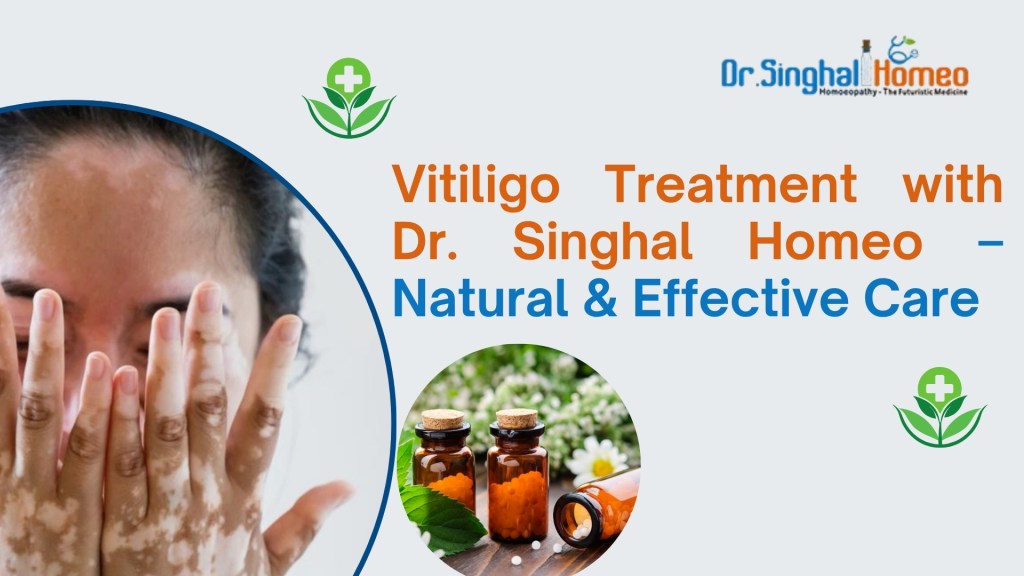
Have you ever noticed white patches on someone’s skin and wondered what causes them? Or maybe you, or someone you care about, has experienced these changes firsthand. These white patches, often called leucoderma or vitiligo, can be more than just a cosmetic concern—they can affect confidence, self-image, and even social interactions. If you’re searching for gentle, natural ways to manage these conditions, you might have come across the idea of homeopathic medicine for leucoderma or homeopathic medicine for vitiligo. But what does homeopathy really offer for these skin conditions? Let’s take a closer look, with optimism and open-mindedness, at how homeopathic remedies might help, what to expect, and how to approach your journey toward healthier skin.
Understanding Leucoderma and Vitiligo: More Than Skin Deep
Leucoderma and vitiligo are terms often used interchangeably, but they both refer to a condition where the skin loses its natural pigment, resulting in white patches. This happens when the cells responsible for producing melanin (the pigment that gives skin its color) stop working or die.
Leucoderma literally means “white skin.” It’s a general term for any loss of skin pigment.
Vitiligo is a specific type of leucoderma, usually considered an autoimmune condition, where the body’s immune system attacks its own pigment cells.
These patches can appear anywhere on the body—face, hands, arms, legs, or even inside the mouth. While they aren’t painful or contagious, they can be emotionally challenging.
The exact cause of vitiligo isn’t fully understood, but several factors may play a role:
Autoimmune response: The immune system mistakenly attacks pigment cells.
Genetics: Family history can increase the risk.
Stress or trauma: Physical injury or emotional stress may trigger or worsen the condition.
Chemical exposure: Certain chemicals or skin injuries can sometimes lead to pigment loss.
“Vitiligo is not just a skin condition—it’s a journey that affects the mind and heart as much as the body.”
The Emotional Side: Living with Leucoderma and Vitiligo
It’s easy to focus on the physical symptoms, but the emotional impact of leucoderma and vitiligo is just as important. Many people feel self-conscious, anxious, or even depressed about their appearance. Social situations, relationships, and even job opportunities can feel more challenging.
But here’s the good news: you’re not alone, and there are ways to manage both the physical and emotional aspects of these conditions. Homeopathic medicine for leucoderma and homeopathic medicine for vitiligo offer a gentle, holistic approach that many people find comforting and supportive.
Homeopathy: A Gentle Path to Healing
Homeopathy is a system of natural medicine developed over 200 years ago. It’s based on the idea that “like cures like”—meaning a substance that causes symptoms in a healthy person can, in very small doses, help treat those same symptoms in someone who is unwell.
Homeopathic remedies are made from plants, minerals, or other natural sources. They’re prepared in a way that makes them very gentle, with minimal risk of side effects. The focus is on treating the whole person, not just the symptoms.
People turn to homeopathic medicine for leucoderma and homeopathic medicine for vitiligo for several reasons:
Gentle and natural: Remedies are non-toxic and safe for long-term use.
Holistic approach: Homeopathy looks at the whole person—physical, emotional, and mental health.
Individualized treatment: Remedies are chosen based on your unique symptoms and experiences.
Support for self-healing: The goal is to stimulate the body’s own healing abilities.
“Homeopathy doesn’t just treat the skin—it aims to restore balance and well-being from the inside out.”
Common Homeopathic Medicines for Leucoderma and Vitiligo
Let’s explore some of the most commonly used homeopathic remedies for these conditions. Remember, it’s always best to consult a qualified homeopath for personalized advice, as the right remedy depends on your individual symptoms and overall health.
Arsenicum Sulphuratum Flavum This is one of the most frequently recommended homeopathic medicines for leucoderma and vitiligo. It’s often used when white patches are spreading and there’s a history of skin problems.
May help slow the progression of white patches.
Often chosen when there’s burning or itching in the affected areas.
Sulphur Sulphur is a classic homeopathic remedy for many skin conditions, including vitiligo.
Useful for people who have dry, itchy skin along with white patches.
Often recommended for those who feel worse from heat or bathing.
Calcarea Carb This remedy is often chosen for people who are sensitive to cold, sweat easily, and may have digestive issues along with skin symptoms.
May help when white patches appear on the face or scalp.
Often used for children with vitiligo.
Sepia Sepia is commonly used for hormonal imbalances and skin discoloration.
May be helpful for women whose vitiligo is linked to hormonal changes (like pregnancy or menopause).
Often chosen when there’s a feeling of emotional heaviness or indifference.
Natrum Muriaticum This remedy is often recommended for people who have a history of grief or emotional stress.
May help when white patches appear after emotional trauma.
Often used for people who are reserved or sensitive.
Silicea Silicea is used for slow-healing skin conditions and may be helpful when there’s a family history of vitiligo.
May support the body’s natural healing processes.
Often chosen for people who are thin, chilly, and prone to infections.
“The best homeopathic remedy is the one that matches your unique story—not just your symptoms.”
What to Expect: The Homeopathic Journey
When you visit a homeopath, they’ll ask detailed questions about your health, lifestyle, emotions, and even your dreams. This helps them choose the remedy that best matches your overall picture.
Initial consultation: Usually lasts 45-90 minutes.
Remedy selection: Based on your unique symptoms and personality.
Follow-up visits: To monitor progress and adjust the remedy if needed.
Patience is key. Homeopathic medicine for leucoderma and homeopathic medicine for vitiligo work gently and gradually. Some people notice changes within a few weeks, while others may need several months.
Early signs of improvement may include a halt in the spread of patches, slight repigmentation, or improved emotional well-being.
Consistency and regular follow-ups are important for the best results.
Homeopathic remedies are generally considered very safe, with minimal risk of side effects. Occasionally, you might notice a temporary worsening of symptoms (called a “healing crisis”), but this usually passes quickly.
“Healing is a journey, not a race. Every small step forward is a victory.”
Real Stories: Finding Confidence Again
Let’s meet a few people who have tried homeopathic medicine for leucoderma and homeopathic medicine for vitiligo:
Priya, 28: “I started noticing white patches on my hands after a stressful year. I was scared and embarrassed. My homeopath listened to my whole story, not just my skin problems. After a few months of treatment, the patches stopped spreading, and I felt calmer and more hopeful.”
John, 35, USA: “I’m a software engineer based in Texas. I first noticed white spots on my neck and arms a couple of years ago. At first, I tried to ignore them, but they kept spreading. I was hesitant about homeopathy, but after reading some positive experiences online, I decided to give it a try. My homeopath took a lot of time to understand my stress levels and lifestyle. After about six months, I noticed the patches weren’t getting bigger, and some even started to regain a bit of color. I feel more comfortable wearing short sleeves again, and my confidence is coming back.”
Meena, 42: “My daughter developed vitiligo at age 10. We wanted a natural approach. With homeopathic medicine, her patches have faded, and she’s happier at school.”
These stories remind us that while results can vary, many people find comfort and hope in the homeopathic approach.
Tips for Living Well with Leucoderma and Vitiligo
While homeopathic medicine for leucoderma and homeopathic medicine for vitiligo can be helpful, there are other ways to support your skin and overall well-being:
Protect Your Skin
Use sunscreen to prevent sunburn on sensitive areas.
Wear protective clothing and hats when outdoors.
Eat a Balanced Diet
Include plenty of fruits, vegetables, and whole grains.
Some people find that avoiding processed foods and artificial additives helps.
Manage Stress
Practice relaxation techniques like meditation, yoga, or deep breathing.
Connect with supportive friends, family, or support groups.
Stay Positive
Focus on your strengths and the things you enjoy.
Remember, your worth is not defined by your skin.
“You are more than your skin. Every patch tells a story of strength and resilience.”
When to See a Doctor
While homeopathic medicine for leucoderma and homeopathic medicine for vitiligo can be a valuable part of your care, it’s important to work with a healthcare professional. If you notice new or rapidly spreading patches, or if you have other health concerns, consult a dermatologist or your family doctor. Sometimes, a combination of treatments works best.
Looking Forward: Embracing Hope and Healing
Leucoderma and vitiligo can be challenging, but they don’t have to define your life. Homeopathic medicine for leucoderma and homeopathic medicine for vitiligo offer a gentle, holistic path to healing—one that respects your unique journey and supports your body’s natural balance.
At Dr. Singhal Homeo Clinic, led by Dr. Vikas Singhal, a renowned expert in classical homeopathy, patients receive compassionate, personalized care tailored to their specific needs. With years of experience, Dr. Singhal provides effective homeopathic treatment aimed at managing vitiligo and restoring skin tone.
“Hope is the best medicine. With the right support, brighter days are always ahead.”
Whether you’re just beginning or searching for a new direction in your healing journey, remember: you’re not alone. With expert guidance and a positive outlook, homeopathy can help you regain confidence and peace of mind.




 Dr. Singhal Homeo – Homeopathic Treatment & Online Consultation