
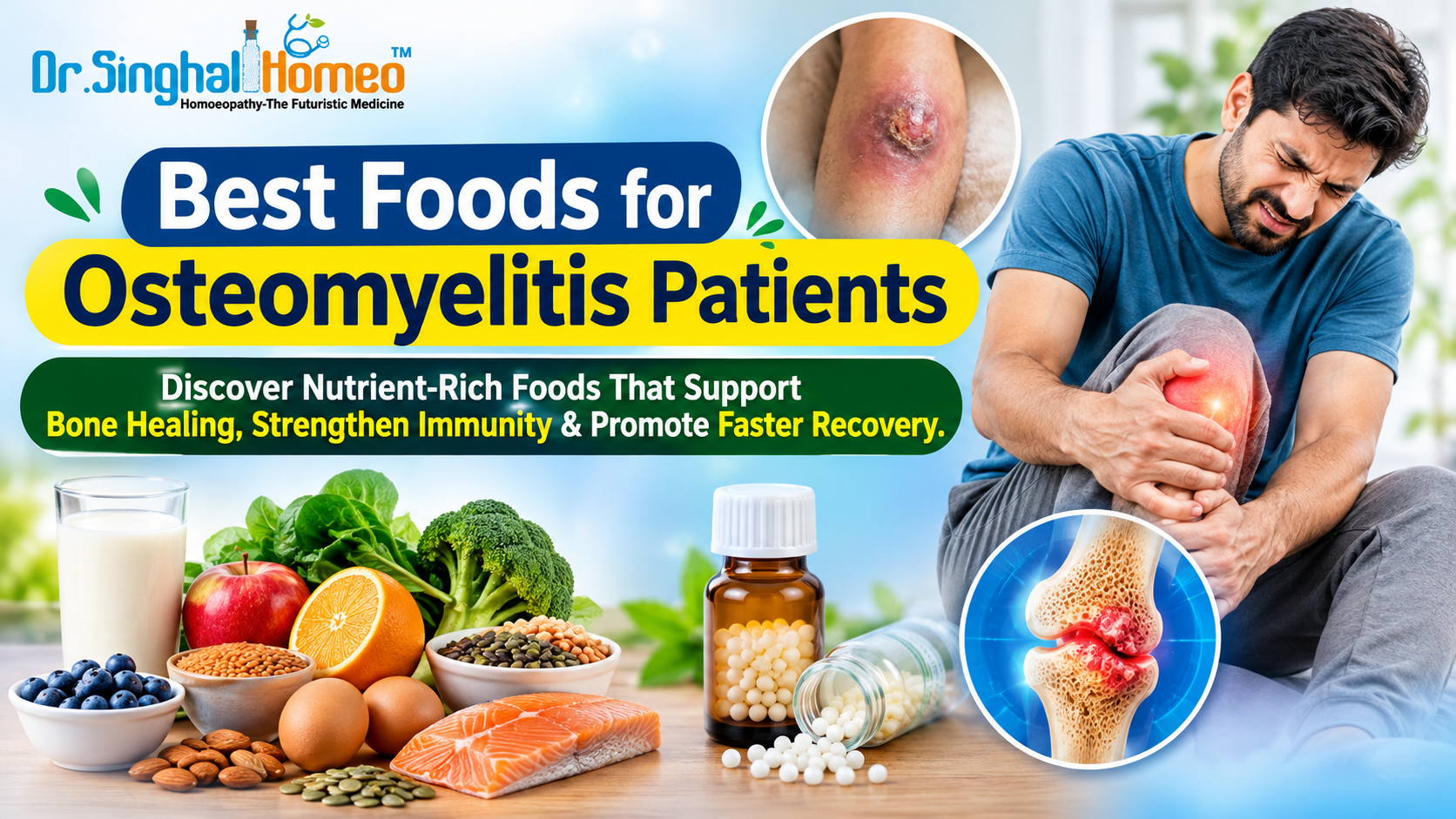
Osteomyelitis, an infection of the bone, requires comprehensive care that extends well beyond medication. Whether the infection is acute or chronic, the body needs a steady supply of nutrients to fight bacteria, repair damaged tissue and rebuild bone. Choosing the best foods for osteomyelitis patients can strengthen immunity, support wound healing and improve overall energy during what is often a long recovery. This guide outlines the key nutrients involved and the foods that provide them.
Why Nutrition Matters in Osteomyelitis
Bone infections place significant demands on the body. The immune system works continuously to control the infection, while bone and soft tissue require raw materials for repair. Poor nutrition can delay healing, weaken immunity and increase the risk of the infection becoming chronic. Patients with diabetes, poor circulation or recent surgery are especially vulnerable, making a well-planned diet an essential part of recovery. Recovery can take weeks or months, so maintaining good nutrition consistently, rather than for a few days, is what makes the difference.
Patients with poor appetite may find small, frequent meals and nourishing soups, smoothies or khichdi easier to manage.
Best Foods for Osteomyelitis Patients
Protein-Rich Foods
Protein is essential for tissue repair, collagen formation and the production of infection-fighting antibodies. Good sources include eggs, milk, paneer, curd, lentils, chickpeas, soybeans, fish and lean poultry. Including a protein source in every meal helps meet the body’s increased needs during healing.
Vitamin C-Rich Fruits and Vegetables
Vitamin C supports collagen synthesis, which forms the framework of new bone, and strengthens immune defences. Amla, oranges, guava, kiwi, strawberries, bell peppers, tomatoes and broccoli are excellent choices.
Calcium and Vitamin D Sources
Calcium provides the mineral structure of bone, while vitamin D helps the body absorb it. Milk, curd, cheese, ragi, sesame seeds, almonds and green leafy vegetables supply calcium. Vitamin D comes from sunlight, egg yolks, fortified foods and oily fish such as salmon and sardines.
Zinc and Iron
Zinc plays a key role in wound healing and immune function, and iron supports oxygen delivery to healing tissues. Pumpkin seeds, nuts, whole grains, legumes, spinach, eggs and lean meat are reliable sources.
Anti-Inflammatory Foods
Omega-3 fatty acids from walnuts, flaxseeds, chia seeds and fish help manage inflammation. Turmeric, ginger, garlic and colourful vegetables also provide antioxidants that support recovery.
Probiotics and Fibre
Long courses of antibiotics can disturb gut health. Curd, buttermilk and other fermented foods help maintain healthy gut bacteria, while fibre from fruits, vegetables and whole grains supports digestion.
Foods to Limit
Refined sugar, sugary drinks, processed snacks, deep-fried foods and excess salt can promote inflammation and, in diabetic patients, raise blood sugar levels that slow healing. Alcohol and smoking should be avoided entirely, as both impair circulation and bone repair. Adequate water intake is equally important for circulation and overall recovery.
The Role of Homeopathy in Recovery
Nutrition works best as part of a broader treatment plan. Classical homeopathy offers individualised support for osteomyelitis, particularly in chronic and recurrent cases. Remedies are selected based on the patient’s complete symptom picture and aim to reduce pain, swelling and discharge, strengthen immunity and support the body’s natural healing processes. Homeopathic treatment can be used alongside ongoing medical care, and patients should continue any prescribed antibiotics or other treatment as advised by their doctor.
Expert Care from Dr. Vikas Singhal
Dr. Vikas Singhal is a practising homeopathic doctor with more than 23 years of experience treating osteomyelitis and chronic bone infections. At Dr. Singhal Homeo Clinic, Chandigarh, he follows the classical homeopathic approach of symptomatology, diagnosis and treatment, combining individualised remedies with practical dietary guidance. Through his Global Telemedicine Services, he treats patients from 73 countries, offering online consultations and delivering prescribed medicines directly to their addresses.
Conclusion
Recovery from osteomyelitis depends on a combination of appropriate treatment, consistent follow-up and good nutrition. Including the best foods for osteomyelitis patients, rich in protein, vitamins and minerals, gives the body the resources it needs to fight infection and rebuild bone. Combined with individualised homeopathic care and ongoing medical supervision, a well-planned diet can make a meaningful difference to the healing journey. Every nourishing meal is a step towards stronger bones.

