
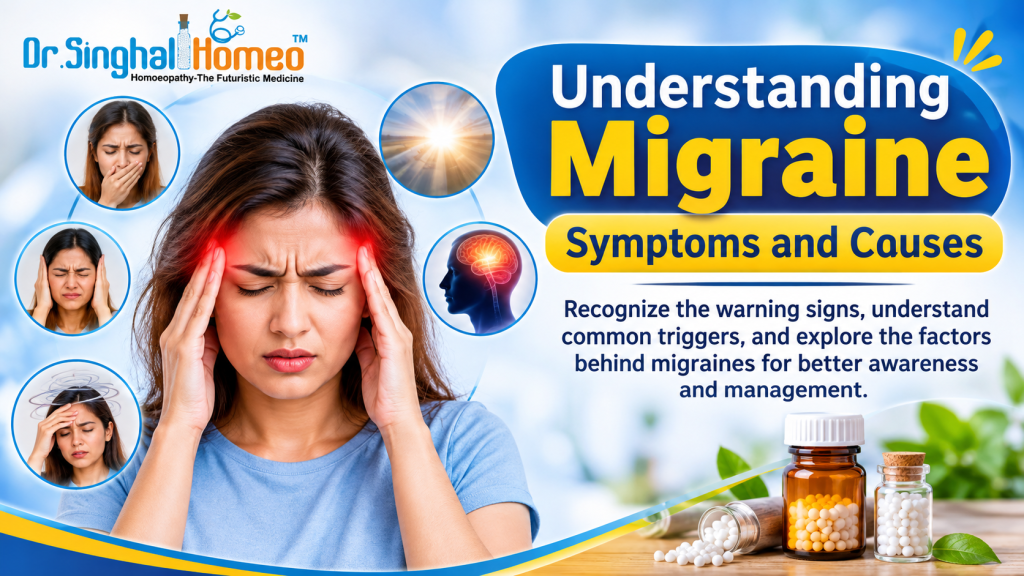
Migraines represent one of the most prevalent and debilitating neurological conditions affecting millions of individuals worldwide. Despite their widespread occurrence, migraines are frequently misunderstood, often dismissed as ordinary headaches by those who have not experienced them. This article provides a thorough examination of migraine symptoms and causes, offering readers a structured and informative resource to better understand this complex condition and its impact on daily life.
Clinical Presentation of Migraines
A migraine is a distinct neurological event characterized by a specific set of symptoms that differentiate it from a standard tension headache or other forms of head pain. Recognizing these symptoms is essential for accurate identification and timely medical intervention.
Primary Symptoms
The hallmark symptom of a migraine is a moderate to severe throbbing or pulsating pain, typically localized to one side of the head, although bilateral pain is also documented in clinical cases. This pain may persist for a duration ranging from 4 hours to 72 hours in the absence of appropriate treatment.
In addition to head pain, individuals with migraines frequently report the following symptoms:
- Nausea, with or without vomiting
- Photophobia — heightened sensitivity to light
- Phonophobia — heightened sensitivity to sound
- Osmophobia — sensitivity to certain odors
- Cognitive disturbances, including difficulty concentrating
- Pronounced fatigue and general physical weakness
- Dizziness or a sensation of lightheadedness
“Migraines extend well beyond the experience of head pain alone. The full spectrum of accompanying symptoms can render an individual functionally incapacitated for the duration of an episode.”
Migraine With Aura
Approximately one-third of individuals who experience migraines report the occurrence of an aura — a series of transient neurological symptoms that typically manifest 20 to 60 minutes prior to the onset of head pain.
Documented aura symptoms include the following:
- Visual disturbances such as zigzag lines, flickering lights, or temporary blind spots
- Sensory phenomena including tingling or numbness in the face, hands, or upper limbs
- Difficulty with speech or language processing
- Temporary unilateral weakness
It is important to note that a subset of individuals experiences aura symptoms in the complete absence of subsequent head pain. This phenomenon is clinically referred to as a silent migraine or acephalgic migraine.
The Four Recognized Phases of a Migraine Episode
Medical literature identifies four distinct phases through which a migraine episode may progress. While not every individual will experience all four phases with each episode, awareness of this progression can assist in early identification and management.
- Prodrome Phase — Occurring one to two days before the migraine, this phase may involve mood fluctuations, food cravings, increased thirst, neck stiffness, and frequent yawning.
- Aura Phase — This phase encompasses the transient neurological symptoms described above and typically precedes the headache phase.
- Attack Phase — This constitutes the primary headache phase, during which the individual experiences intense throbbing pain accompanied by nausea and sensory sensitivities.
- Postdrome Phase — Following the resolution of head pain, many individuals report lingering fatigue, cognitive sluggishness, and emotional changes. This phase is colloquially referred to as a “migraine hangover.”
Established Causes and Contributing Factors
A thorough understanding of migraine symptoms and causes requires examination of both the underlying biological mechanisms and the external factors known to precipitate episodes.
Neurological and Genetic Underpinnings
Current scientific evidence supports the view that migraines have a strong genetic component. Individuals with a first-degree family member who experiences migraines are significantly more likely to develop the condition themselves. Researchers have identified genetic variants that appear to influence how the brain processes pain, rendering certain individuals more susceptible to migraine episodes.
At a neurochemical level, fluctuations in serotonin are understood to play a central role. A reduction in serotonin levels may activate the trigeminal nerve, prompting the release of neuropeptides that travel to the meningeal surfaces of the brain, thereby initiating pain signals.
Recognized Migraine Triggers
A migraine trigger refers to any internal or external factor that precipitates an episode in a susceptible individual. Triggers are highly variable across individuals; however, the following have been consistently identified in clinical and epidemiological studies:
- Psychological stress — Emotional and mental stress remains among the most frequently reported triggers, as stress-related physiological changes may destabilize neurological function.
- Hormonal fluctuations — Many women report a clear association between migraine episodes and hormonal changes related to menstruation, pregnancy, or menopause, with estrogen fluctuations identified as a primary contributing factor.
- Sleep irregularities — Both insufficient and excessive sleep have been linked to migraine onset.
- Dietary factors — Skipping meals, dehydration, and the consumption of certain foods and beverages — including aged cheeses, processed meats, alcohol, and food additives such as monosodium glutamate — have been implicated as triggers in susceptible individuals.
- Sensory stimuli — Exposure to bright or flickering lights, loud sounds, and strong odors may precipitate an episode.
- Meteorological changes — Variations in barometric pressure, temperature, and humidity are reported triggers among a portion of migraine sufferers.
- Medication overuse — Paradoxically, frequent use of analgesic medications can result in medication overuse headache, also known as rebound headache, which may exacerbate the overall migraine pattern.
Indications for Medical Consultation
Individuals who experience recurrent episodes consistent with the migraine symptoms and causes outlined in this article are strongly advised to seek evaluation from a qualified healthcare professional. A physician can provide a confirmed diagnosis, exclude alternative pathological conditions, and develop an appropriate treatment and prevention strategy.
Immediate medical attention should be sought in the following circumstances:
- Sudden onset of an unusually severe headache, often described as the worst headache of one’s life
- Headache accompanied by fever, neck rigidity, or altered mental status
- New or first-time experience of visual disturbances, speech impairment, or focal neurological deficits
Concluding Remarks
Migraines are a complex neurological condition with a well-documented range of symptoms and contributing causes. A thorough understanding of migraine symptoms and causes is an essential foundation for effective management and improved quality of life. Individuals affected by this condition are encouraged to maintain a detailed migraine diary to identify personal triggers, engage in open communication with their healthcare provider, and explore the range of pharmacological and non-pharmacological interventions currently available. With appropriate knowledge and medical support, the burden of migraines can be meaningfully reduced.

