
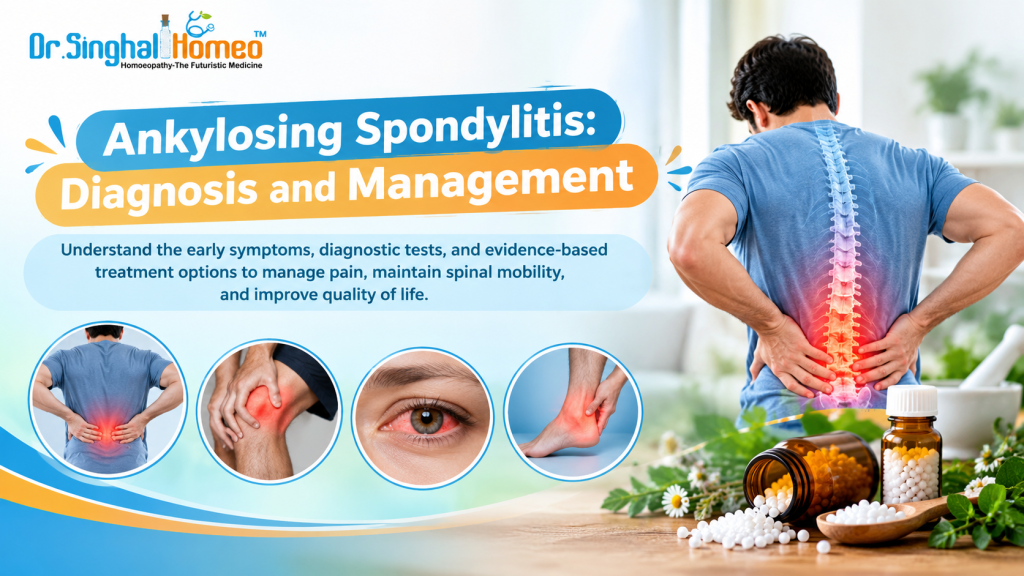
Ankylosing spondylitis (AS) is a chronic inflammatory condition that warrants careful attention from both medical professionals and patients alike. The condition is frequently underdiagnosed or misdiagnosed due to its gradual onset and overlap with more common musculoskeletal complaints. A thorough understanding of ankylosing spondylitis diagnosis and management is therefore essential for timely intervention and improved patient outcomes.
This article provides a structured overview of the condition, covering its clinical presentation, diagnostic criteria, and the full spectrum of management strategies currently available.
Understanding the Nature of Ankylosing Spondylitis
Ankylosing spondylitis is classified under a broader category of rheumatic diseases known as spondyloarthritis. It is characterized primarily by inflammation of the axial skeleton, with particular involvement of the sacroiliac joints and the lumbar spine. As the disease progresses, repeated episodes of inflammation may lead to new bone formation, resulting in the gradual fusion of vertebral segments — a process referred to as ankylosis.
Beyond the spine, AS may manifest in peripheral joints, as well as in extra-articular sites including the eyes, cardiovascular system, and gastrointestinal tract. The systemic nature of this condition underscores the importance of a multidisciplinary approach to both diagnosis and ongoing care.
Ankylosing spondylitis is more prevalent in males and typically presents in late adolescence or early adulthood, though it is not exclusively confined to this demographic.
Clinical Presentation and Early Recognition
Cardinal Symptoms
The hallmark of ankylosing spondylitis is chronic inflammatory back pain, which differs distinctly from mechanical back pain in several key ways:
- Onset before the age of 45
- Duration of symptoms exceeding three months
- Insidious onset rather than sudden onset
- Significant morning stiffness lasting more than 30 minutes
- Improvement with physical activity, but not with rest
- Nocturnal pain that may compel the patient to rise and move about
Associated Features
In addition to spinal involvement, clinicians should remain alert to the following associated manifestations:
- Enthesitis: Inflammation at sites where tendons and ligaments attach to bone, commonly affecting the Achilles tendon and plantar fascia
- Uveitis: Acute anterior uveitis occurs in approximately 25 to 40 percent of individuals with AS and may present as sudden eye redness and photophobia
- Peripheral arthritis: Asymmetric involvement of large joints, particularly the hips and knees
- Fatigue: A frequently reported but often overlooked symptom that significantly impairs quality of life
Diagnostic Criteria and Investigations
Established Classification Criteria
The modified New York criteria remain a widely referenced framework for the classification of ankylosing spondylitis. These criteria incorporate both clinical and radiological findings, with sacroiliitis on imaging serving as the central diagnostic anchor. More recently, the Assessment of SpondyloArthritis International Society (ASAS) criteria have expanded the diagnostic framework to include non-radiographic axial spondyloarthritis, allowing for earlier identification of the condition before structural damage becomes apparent on conventional radiography.
Laboratory Investigations
The following laboratory assessments are routinely employed in the diagnostic workup:
- HLA-B27 genetic marker: Present in approximately 85 to 95 percent of patients with AS in certain populations, though a positive result alone is not diagnostic
- C-reactive protein (CRP) and erythrocyte sedimentation rate (ESR): Elevated levels indicate active systemic inflammation, though normal values do not exclude the diagnosis
- Complete blood count: May reveal mild anemia associated with chronic inflammatory disease
Imaging Studies
- Conventional radiography: Anteroposterior views of the pelvis are used to assess sacroiliac joint changes, including sclerosis, erosion, and eventual fusion. However, structural changes may not be radiographically evident for several years following symptom onset.
- Magnetic resonance imaging (MRI): MRI of the sacroiliac joints and spine is considerably more sensitive in detecting early inflammatory changes, including bone marrow edema, and is now considered an essential diagnostic tool in the early stages of the disease.
Principles of Management
The primary objectives of AS management are to reduce pain and stiffness, preserve spinal mobility, prevent structural damage, and maintain an acceptable quality of life. Treatment is individualized based on disease severity, extent of involvement, and patient-specific factors.
Pharmacological Treatment
- Non-steroidal anti-inflammatory drugs (NSAIDs): Considered the first-line pharmacological treatment, NSAIDs such as diclofenac, naproxen, and indomethacin effectively reduce pain and morning stiffness. Continuous use may also have a disease-modifying effect on radiographic progression.
- Biologic agents: For patients with inadequate response to NSAIDs, biologic therapies are indicated. Tumor necrosis factor (TNF) inhibitors, including adalimumab and etanercept, have demonstrated significant efficacy. Interleukin-17 (IL-17) inhibitors, such as secukinumab and ixekizumab, represent an effective alternative.
- Janus kinase (JAK) inhibitors: Tofacitinib and upadacitinib are newer oral agents that have shown clinical benefit in AS and are increasingly being incorporated into treatment algorithms.
- Conventional DMARDs: Sulfasalazine may be considered for peripheral joint involvement, though it has limited efficacy for axial disease.
Non-Pharmacological Interventions
Non-pharmacological strategies form an indispensable component of comprehensive AS management:
- Physiotherapy and structured exercise: Regular, supervised exercise programs improve spinal flexibility, posture, and overall functional capacity. Hydrotherapy has also demonstrated benefit in reducing stiffness and pain.
- Patient education: Equipping patients with a thorough understanding of their condition promotes adherence to treatment and encourages proactive self-management.
- Smoking cessation: Smoking is associated with accelerated radiographic progression and greater disease burden; cessation is strongly advised.
- Postural training: Guidance on maintaining correct posture during daily activities helps reduce the risk of progressive spinal deformity.
Surgical Considerations
Surgical intervention is reserved for patients with severe structural damage, particularly those with significant hip joint destruction or pronounced spinal deformity that impairs function and quality of life. Total hip arthroplasty and spinal osteotomy are the most commonly performed procedures in advanced cases.
Conclusion
The effective management of ankylosing spondylitis depends upon early and accurate diagnosis, followed by a structured, individualized treatment plan. Given the complexity and systemic reach of the condition, a multidisciplinary team approach — incorporating rheumatology, physiotherapy, ophthalmology, and where necessary, orthopedic surgery — is strongly recommended.
Patients who are identified early and managed appropriately have a considerably improved prognosis in terms of both functional capacity and quality of life. Clinicians and patients alike are encouraged to remain vigilant regarding symptom patterns and to pursue timely specialist evaluation when inflammatory back pain is suspected.
Early recognition and consistent, evidence-based management of ankylosing spondylitis remain the most effective strategies for minimizing long-term disability and preserving patient well-being.

