
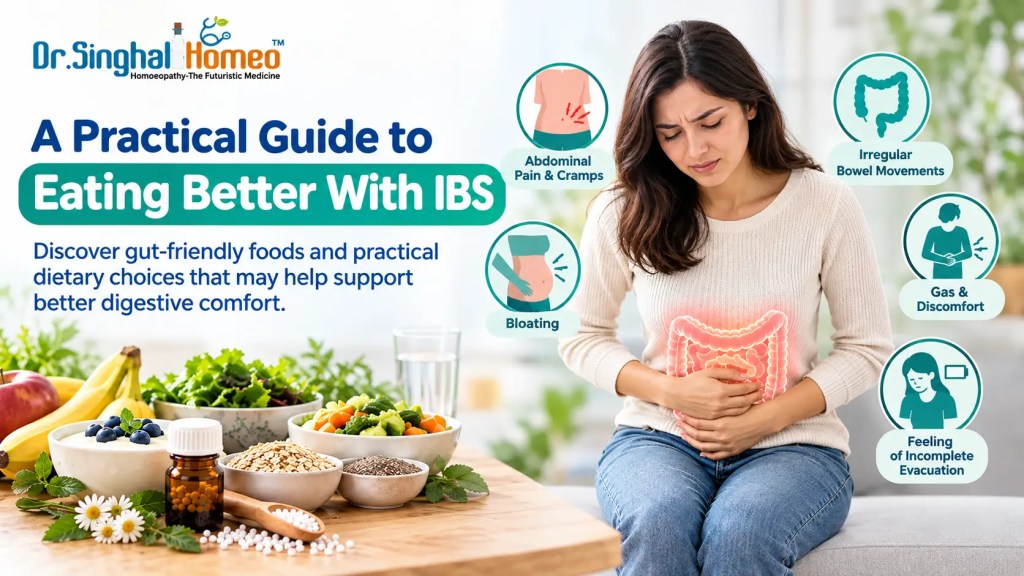
Irritable Bowel Syndrome (IBS) is a chronic gastrointestinal condition that affects millions of individuals worldwide. Characterized by symptoms such as abdominal pain, bloating, excessive gas, diarrhea, and constipation, IBS can significantly impact a person’s quality of life. While there is currently no definitive cure for this condition, dietary management remains one of the most effective and accessible strategies for reducing symptom frequency and severity. This IBS diet guide outlines the foods to eat that are generally well-tolerated by individuals with IBS, along with practical dietary recommendations supported by current nutritional understanding.
The Role of Diet in Managing IBS Symptoms
The relationship between diet and IBS is well-established in clinical literature. The gastrointestinal tract of individuals with IBS tends to be more reactive to certain foods, meaning that dietary choices can either exacerbate or alleviate symptoms. Understanding which foods support digestive comfort is therefore an essential component of IBS management.
It is important to note that IBS presentations vary considerably from one individual to another. What proves beneficial for one patient may not yield the same results for another. Nevertheless, several dietary frameworks and food categories have demonstrated consistent benefits across a broad range of IBS sufferers.
The Low FODMAP Dietary Approach
Among the most clinically recognized dietary interventions for IBS is the low FODMAP diet, developed by researchers at Monash University in Australia. This approach has shown significant promise in reducing IBS symptoms in a substantial proportion of patients.
What Are FODMAPs?
FODMAP is an acronym for Fermentable Oligosaccharides, Disaccharides, Monosaccharides, and Polyols. These are short-chain carbohydrates that are poorly absorbed in the small intestine. Upon reaching the large intestine, they are rapidly fermented by gut bacteria, producing gas and drawing water into the bowel — both of which contribute to the hallmark symptoms of IBS.
Recommended Low FODMAP Foods
The following food categories are generally considered low in FODMAPs and are appropriate for inclusion in an IBS-conscious diet:
- Proteins: Eggs, plain poultry (chicken and turkey), fresh fish, seafood, and firm tofu
- Grains and Starches: White rice, gluten-free pasta, oats (in controlled portions), and sourdough bread made from spelt or wheat in small quantities
- Vegetables: Carrots, spinach, zucchini, bell peppers, green beans, potatoes, and cucumber
- Fruits: Unripe bananas, blueberries, strawberries, oranges, grapes, and cantaloupe
- Dairy and Alternatives: Lactose-free milk and yogurt, hard cheeses such as cheddar and parmesan, and plant-based alternatives such as almond milk or rice milk
Clinical Note: The low FODMAP diet is intended as a structured, short-term elimination protocol rather than a permanent dietary regimen. It is strongly advisable to undertake this approach under the supervision of a registered dietitian, who can guide the reintroduction phase and ensure adequate nutritional intake throughout the process.
Additional Foods That Support Gut Comfort in IBS
Beyond the low FODMAP framework, several other food categories are broadly recognized for their ability to support digestive comfort in individuals with IBS.
Soluble Fiber Sources
Soluble fiber dissolves in water to form a viscous gel within the gastrointestinal tract. This property helps regulate bowel transit time, making it beneficial for both diarrhea-predominant and constipation-predominant subtypes of IBS.
Recommended soluble fiber sources include:
- Oats and oatmeal
- Unripe bananas
- Cooked carrots
- Applesauce
- Psyllium husk, which is also available in supplement form and has been specifically studied for its benefits in IBS management
Lean Protein Sources
Plain, minimally processed proteins are generally well-tolerated by individuals with IBS, as they do not significantly stimulate gut motility or contribute to fermentation. Appropriate options include:
- Grilled or baked chicken and turkey
- Steamed or baked fish
- Eggs prepared without heavy seasoning or high-fat additions
- Plain tofu and tempeh
Probiotic-Containing Foods
Emerging research suggests that the gut microbiome plays a meaningful role in IBS symptom development. Probiotic-rich foods introduce beneficial live bacteria into the digestive system and may contribute to improved gut barrier function and reduced bloating.
Foods with naturally occurring probiotic content include:
- Plain, low-fat yogurt (for those without lactose intolerance)
- Lactose-free yogurt
- Kefir, consumed in modest quantities
- Certain fermented foods, though some may be high in FODMAPs and should be approached with caution
Individual responses to probiotic foods vary. It is advisable to introduce these foods gradually and monitor symptoms accordingly.
Practical Dietary Recommendations for Individuals With IBS
In addition to food selection, certain dietary behaviors have been identified as contributing factors to symptom management in IBS patients:
- Consume smaller, more frequent meals throughout the day rather than large, infrequent ones, as large meals may overstimulate gut motility.
- Eat at a measured pace and chew food thoroughly to reduce the ingestion of excess air, which can contribute to bloating and discomfort.
- Maintain adequate hydration by consuming sufficient water throughout the day, which supports healthy bowel function.
- Maintain a detailed food and symptom diary to identify individual dietary triggers and patterns over time.
- Minimize food consumption during periods of acute stress, given the well-documented influence of the gut-brain axis on gastrointestinal function in IBS patients.
Concluding Recommendations
Dietary management is a cornerstone of IBS treatment and can lead to meaningful improvements in both symptom control and overall well-being. The foods outlined in this IBS diet guide provide a reliable foundation from which individuals can begin building a more gut-friendly eating pattern.
Given the individualized nature of IBS, it is highly recommended that patients consult with a qualified gastroenterologist or registered dietitian before making significant dietary changes. A personalized approach, guided by professional expertise and informed by the patient’s specific symptom profile, is most likely to yield consistent and sustainable results.

