
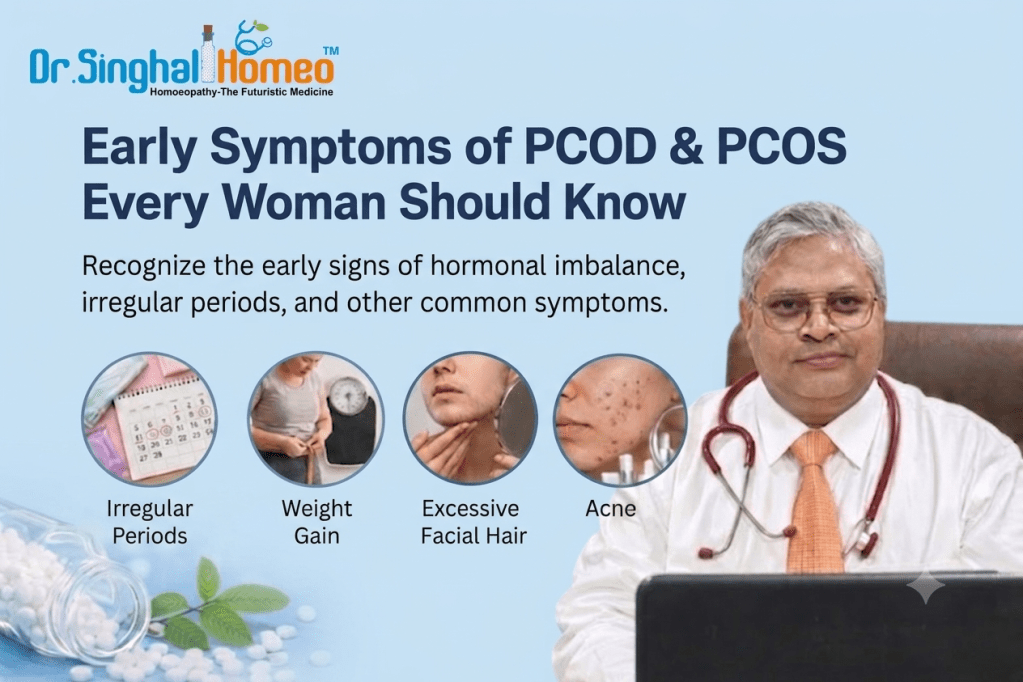
If you’ve been feeling off lately — irregular periods, unexpected weight gain, or stubborn acne that just won’t go away — you might have stumbled across the terms PCOD and PCOS during your search. And honestly, it can feel overwhelming trying to figure out what’s going on with your body.
So let’s break it all down in simple, easy-to-understand terms.
PCOD and PCOS — Are They the Same Thing?
Not exactly. Though people often use these two terms interchangeably, there’s a slight difference.
- PCOD (Polycystic Ovarian Disease) is a condition where the ovaries release immature eggs, which over time turn into cysts.
- PCOS (Polycystic Ovary Syndrome) is a more serious hormonal disorder that can affect several systems in the body.
Both conditions involve cysts on the ovaries and hormonal imbalances, but PCOS tends to have broader health effects.
Common Symptoms of PCOD and PCOS
This is the part most people are searching for — and for good reason. Knowing the symptoms early can make a big difference.
Irregular or Missed Periods
One of the most common signs is an irregular menstrual cycle. Your periods may come late, skip months entirely, or be unusually heavy or light.
Excess Hair Growth
Known as hirsutism, this means growing hair in places like the chin, upper lip, chest, or back — areas where women typically don’t grow thick hair.
Acne and Oily Skin
Hormonal imbalances can trigger breakouts, especially along the jawline and chin.
Weight Gain
Many women with PCOD or PCOS find it hard to lose weight, especially around the belly area.
Hair Thinning or Hair Loss
Thinning hair on the scalp, similar to male-pattern baldness, can also occur.
Mood Changes
Anxiety, depression, and mood swings are commonly reported alongside these conditions.
Difficulty Getting Pregnant
Because ovulation is irregular, conceiving naturally can be challenging for some women.
When Should You See a Doctor?
If you notice even two or three of these symptoms together, it’s worth speaking to a gynecologist or endocrinologist.
Don’t wait for all symptoms to show up. Early diagnosis can help manage the condition more effectively and reduce long-term health risks like diabetes or heart disease.
A Quick Note on Managing Symptoms
While there’s no complete cure, lifestyle changes like eating a balanced diet, exercising regularly, and managing stress can significantly reduce symptoms. Medications prescribed by your doctor can also help regulate hormones and periods.
Final Thoughts
Understanding what are the symptoms of PCOD and PCOS is the first step toward taking care of your health. Your body gives you signals — it’s important to listen. If something feels off, don’t brush it aside. Reach out to a healthcare professional and get the clarity you deserve.
You know your body best. Trust it.
Expert Homeopathic Care for PCOD & PCOS
If you’re experiencing symptoms such as irregular periods, acne, weight gain, excess hair growth, or difficulty conceiving, seeking early guidance can make a significant difference. Dr. Vikas Singhal is one of the leading Homeopathic doctors in India and abroad, with 23+ years of experience at Dr. Singhal Homeo Clinic in Chandigarh. He provides personalized homeopathic care for PCOD, PCOS, and other hormonal disorders, focusing on addressing the root cause naturally and supporting long-term hormonal balance and overall well-being. To learn more or book an appointment, call us at +91 9056551747.

