
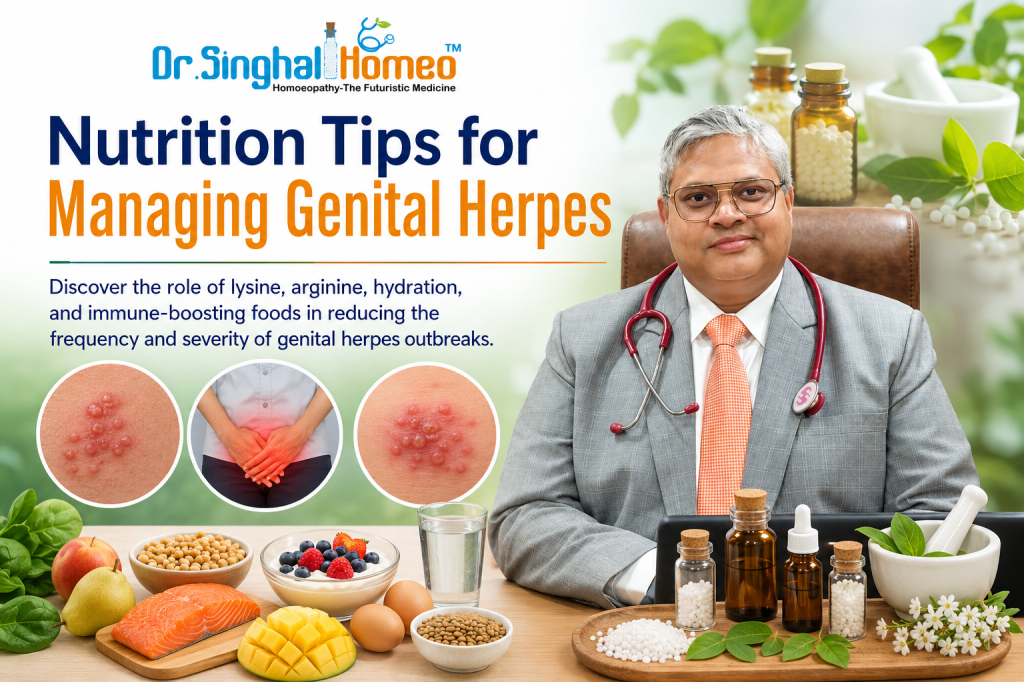
If you’re living with genital herpes, you’ve probably wondered whether your diet plays any role in managing outbreaks. The short answer is yes — what you eat can actually make a difference. While diet alone won’t cure herpes, the right food choices may help reduce the frequency and severity of outbreaks.
How Food Connects to Herpes Outbreaks
The herpes simplex virus (HSV-2) stays dormant in your body between outbreaks. Certain foods can either support your immune system or trigger the virus to become active again. This connection comes down to two key amino acids: lysine and arginine.
- Lysine helps suppress the herpes virus
- Arginine can actually feed and activate it
So, the best diet for genital herpes focuses on getting more lysine and less arginine.
Foods to Eat More Of
Lysine-Rich Foods
These are your best friends when managing herpes:
- Fish like tuna, salmon, and sardines
- Chicken and turkey
- Eggs and dairy products like yogurt and cheese
- Legumes such as lentils and chickpeas
- Fruits like mangoes, apricots, and pears
Immune-Boosting Foods
A stronger immune system means better control over outbreaks:
- Leafy greens like spinach and kale
- Citrus fruits for vitamin C
- Garlic, which has natural antiviral properties
- Probiotic foods like Greek yogurt and kefir
Foods to Limit or Avoid
High-Arginine Foods
These foods may trigger outbreaks in some people:
- Nuts, especially peanuts and almonds
- Seeds like sunflower and pumpkin seeds
- Chocolate and cocoa products
- Whole grains in large amounts
- Protein shakes that contain arginine
Note: Everyone’s body responds differently. You don’t have to cut these foods out completely — just be mindful, especially if you feel an outbreak coming on.
Staying Hydrated and Managing Stress Through Diet
Dehydration and poor gut health can weaken your immune system. Drinking plenty of water and reducing alcohol and sugar intake can support your body in fighting the virus. Foods high in sugar or processed ingredients may cause inflammation, which can make outbreaks worse.
A Simple Day of Eating for Herpes Management
- Breakfast: Greek yogurt with fresh berries and a drizzle of honey
- Lunch: Grilled salmon with spinach salad
- Dinner: Chicken stir-fry with vegetables
- Snacks: Fresh fruit or a boiled egg
Final Thoughts
Following the best diet for genital herpes is not about perfection — it’s about making small, consistent changes that support your immune health. Eating more lysine-rich foods, staying hydrated, and reducing arginine-heavy snacks are practical steps you can start today.
Always work with your doctor alongside any dietary changes, especially if you’re also on antiviral medication. Your diet is just one piece of the puzzle, but it’s a piece that’s absolutely worth paying attention to.
Natural Healing Under Expert Guidance
For those seeking a natural and holistic approach to managing genital herpes, Dr. Vikas Singhal is one of the leading homeopathic doctors in India with over 23 years of clinical experience. At Dr. Singhal Homeo Clinic in Chandigarh, he provides personalized homeopathic treatment for genital herpes and other chronic viral conditions. His treatment approach focuses on addressing the root cause, strengthening the immune system, and naturally reducing the frequency and severity of outbreaks. Combined with a healthy, lysine-rich diet and lifestyle modifications, expert homeopathic care can help improve your overall quality of life and support long-term wellness.
To learn more or book an appointment, call us at +91 9056551747.
Frequently Asked Questions
Q1. Can diet alone stop genital herpes outbreaks completely?
No, diet alone cannot stop outbreaks entirely. However, eating lysine-rich foods and avoiding arginine-heavy foods may help reduce their frequency and severity.
Q2. Is lysine supplement better than getting it from food?
Both work, but food sources are generally safer and more balanced. Supplements can help if your diet lacks lysine, but always consult your doctor first.
Q3. Does sugar make genital herpes outbreaks worse?
Yes, high sugar intake can cause inflammation and weaken immunity, which may trigger outbreaks. Reducing processed sugar is a simple step toward better outbreak management.

