
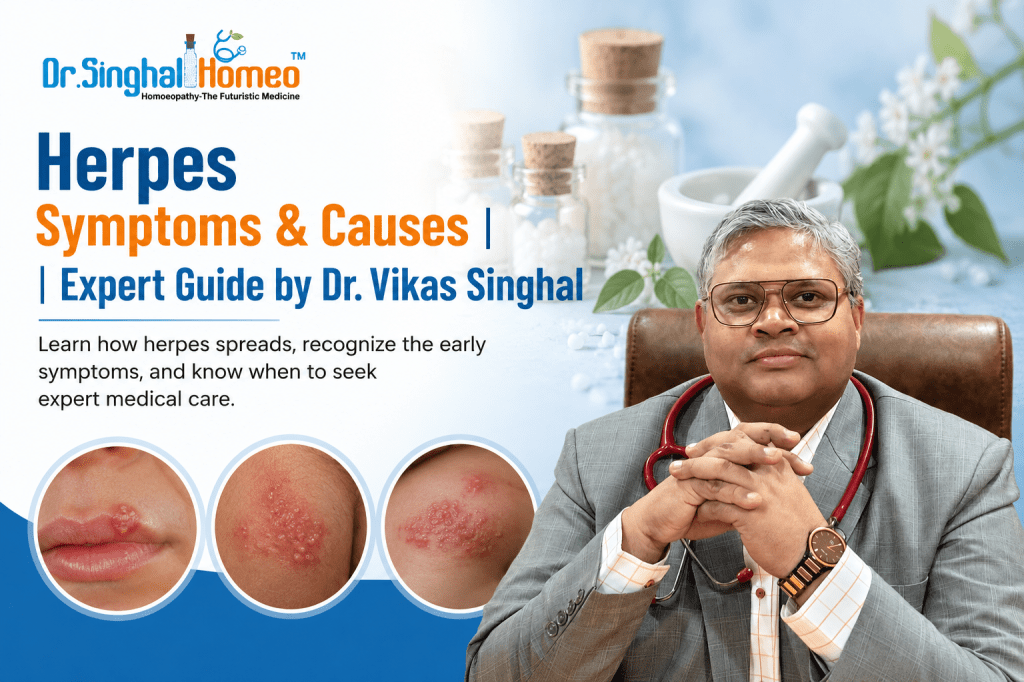
Herpes is one of those topics that many people have heard of but few fully understand. Whether you’ve recently been diagnosed, are worried about exposure, or simply want to learn more, this post will walk you through the basics of herpes — what it is, what causes it, and what symptoms to look out for.
What Exactly Is Herpes?
Herpes is a common viral infection caused by the herpes simplex virus, often shortened to HSV. There are two main types:
- HSV-1 – Usually causes oral herpes (cold sores around the mouth)
- HSV-2 – Usually causes genital herpes
Both types can affect either area, and many people carry the virus without ever knowing it.
What Causes Herpes?
The herpes simplex virus spreads through direct contact with an infected person. Here’s how transmission typically happens:
- Kissing or close oral contact (for HSV-1)
- Sexual contact, including vaginal, anal, or oral sex (for HSV-2)
- Skin-to-skin contact with an active sore
- Touching a sore and then touching another part of your body
One important thing to note: herpes can spread even when no visible sores are present. This is called asymptomatic shedding.
Once the virus enters your body, it stays there for life. It hides in nerve cells and can become active again, especially during times of stress, illness, or a weakened immune system.
Common Symptoms of Herpes
Many people with herpes never show obvious symptoms, which is why it often goes undetected. When symptoms do appear, they may include:
Oral Herpes (HSV-1)
- Tingling or itching around the mouth
- Small blisters or cold sores on or around the lips
- Sores that break open, ooze, and then crust over
- Mild fever or swollen glands during the first outbreak
Genital Herpes (HSV-2)
- Itching, burning, or pain in the genital area
- Small red bumps or blisters that can break and become sores
- Pain while urinating
- Flu-like symptoms during the first episode
The first outbreak is usually the most severe. After that, outbreaks tend to become less frequent and milder over time.
When Should You See a Doctor?
If you notice any unusual sores, blisters, or discomfort in the mouth or genital area, it’s a good idea to speak with a healthcare provider. They can diagnose herpes through a physical exam or lab tests.
Getting tested is the only way to know for sure whether you have herpes.
Final Thoughts
Herpes is more common than most people think, and having it doesn’t define your health or your life. Understanding the symptoms and causes of herpes is the first step toward managing it properly. Talk to a doctor, stay informed, and remember — you’re not alone.
Expert Homeopathic Care for Herpes Management
For those looking for a natural and holistic approach to managing herpes, Dr. Vikas Singhal is one of the leading Homeopathic doctors in India and abroad. With 23 years of experience at Dr. Singhal Homeo Clinic in Chandigarh, he provides personalized homeopathic treatment for herpes and other chronic viral and skin conditions. His treatment focuses on improving the body’s natural immunity, reducing the frequency and severity of outbreaks, and addressing the root cause to support long-term wellness without unwanted side effects. With expert medical guidance and individualized care, managing herpes can become more comfortable and effective.
To learn more or book an appointment, call us at +91 9056551747.

