Homeopathy has recently earned popularity as an effective and safe alternative medication. For citizens of Chandigarh & Mohali seeking holistic treatments, discovering a trustworthy clinic is essential. This article emphasizes the best homeopathic clinics in Chandigarh and Mohali, which are known for delivering personalized care and proven treatments for different health concerns.
Why Choose Homeopathy?
Homeopathy is honoured for its realistic approach to recovery, concentrating on treating the root cause instead of just the symptoms. It provides safe and side-effect-free treatments, making it perfect for individuals of all ages. The best Homeopathic clinic in Mohali offers comprehensive solutions tailored to personal needs, from chronic to lifestyle-related conditions.
How to Select the Right Clinic?
Selecting the best Homeopathic clinic in Chandigarh or Mohali involves evaluating factors such as the clinic reputation, doctor’s expertise, and patient reviews. Look for clinics that provide transparent pricing and detailed consultations.
Why Choose Us?
Dr. Vikas Singhal is one of the reputed & best Homeopathic doctors in India and abroad. For 22 years, he has been practicing at Dr. Singhal Homeo clinic. Dr. Singhal Homeo is the most famous and best Homeopathic clinic in Chandigarh. He prescribes individualized Homeopathic treatment after analyzing the patient’s medical history, diagnosis report, lifestyle, symptoms, diet, etc.
He offers the most effective and safe homeopathic medicines for various diseases at an affordable cost. He provides offline and online consultations, depending on the patient’s needs and the expert’s available time slot.
Allergies can significantly affect the quality of life, causing symptoms such as itching, sneezing, and skin rashes. For those pursuing a natural and sustainable solution, allergy treatment in homeopathy offers an effective and holistic method to address allergies and their root causes.
How Does Allergy Treatment in Homeopathy Work?
Homeopathy treats allergies by focusing on the person’s unique signs and immune reaction. Rather than suppressing signs, it seeks to maintain the body’s immune system and restore balance. Medications are tailored to each individual, ensuring personalized care. This makes allergy treatment in Homeopathy especially appealing for long-term comfort.
Discovering the Best Doctor for Allergy Treatment
Selecting the best doctor for allergy treatment is critical for effective results. A qualified homeopathic doctor evaluates the patient’s physical, emotional, and mental state before prescribing a medication. This individualized process ensures better results compared to generic treatments.
Benefits of Allergy Treatment in Homeopathy
The following are some benefits of allergy treatment in Homeopathy:
Safe & Natural: Homeopathic medications are free from harmful chemicals and adverse effects, making them suitable for everyone.
Holistic Approach: By managing the root cause of allergies, homeopathy offers long-term relief rather than temporary fixes.
Customized Care: Every treatment is tailored to the person’s requirements, ensuring optimal effectiveness.
Why Choose Dr. Singhal Homeo for Allergy Treatment in Homeopathy?
Dr. Vikas Singhal is among the most reputed and best doctors for allergy treatment in Homeopathy. For 22 years, he has been practicing at his Dr. Singhal Homeo clinic in Chandigarh. We offer face-to-face & online consultations according to patients’ choices and available time slots. Moreover, he prescribes individualized allergy treatment in Homeopathy after examining the patient’s medical history, diagnosis report, lifestyle, etc. To make an appointment with the best doctor for allergy treatment in homeopathy, call or WhatsApp us at +91 9056551747.
Understanding PCOD and Its Impact on Women’s Health
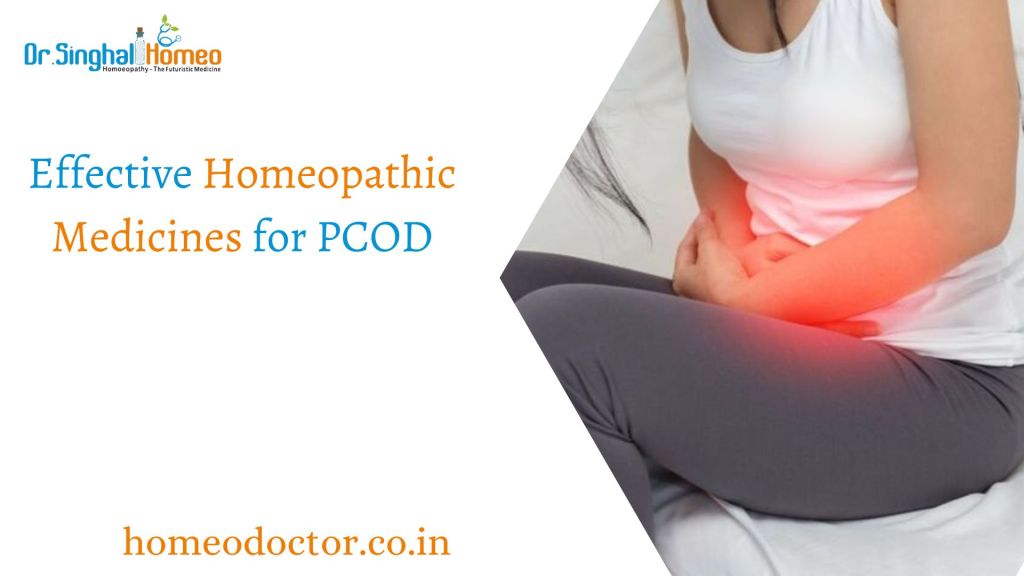
Polycystic Ovary Syndrome (PCOS) or Polycystic Ovarian Disease (PCOD) is a common hormonal disorder affecting women of reproductive age. It’s characterized by irregular menstrual cycles, hormonal imbalances, and the development of small cysts on the ovaries. For many women seeking alternative treatments, homeopathic medicine for PCOD has emerged as a potential solution.
PCOD can significantly impact a woman’s quality of life, causing symptoms such as:
Irregular or absent menstrual periods
Excessive hair growth (hirsutism)
Acne
Weight gain
Difficulty conceiving
While conventional medicine offers various treatments, an increasing number of women are turning to homeopathy for a more holistic approach to managing PCOD.
The Principles of Homeopathy in Treating PCOD
Homeopathy is based on the principle of “like cures like,” using highly diluted substances that, in larger amounts, would produce symptoms similar to those of the condition being treated. When it comes to homeopathic medicine for PCOD, practitioners focus on treating the individual as a whole, rather than just addressing the symptoms.
Individualized Treatment Plans
One of the key aspects of homeopathic treatment for PCOD is its individualized approach. Homeopaths consider various factors, including:
Physical symptoms
Emotional state
Lifestyle
Diet
Family history
This comprehensive evaluation allows for a tailored treatment plan that addresses the unique needs of each patient.
Common Homeopathic Remedies for PCOD
While treatment plans are individualized, there are several homeopathic remedies commonly used in the management of PCOD. It’s important to note that these should only be taken under the guidance of a qualified homeopathic practitioner.
1. Pulsatilla
Pulsatilla is often prescribed for women with PCOD who experience:
Irregular menstrual cycles
Mood swings
Hormonal imbalances
This remedy is particularly beneficial for women who tend to be emotional and seek comfort and reassurance.
2. Sepia
Sepia is another popular homeopathic medicine for PCOD, especially for women experiencing:
Irritability
Fatigue
Low libido
Irregular menstruation
It’s often recommended for those who feel overwhelmed by their responsibilities and tend to withdraw from social interactions.
3. Natrum Muriaticum
Natrum Muriaticum is frequently used for PCOD patients who suffer from:
Depression
Headaches
Irregular periods
Tendency to retain water
This remedy is particularly useful for women who have difficulty expressing their emotions and tend to dwell on past hurts.
4. Calcarea Carbonica
Calcarea Carbonica is often prescribed for PCOD patients who:
Gain weight easily
Have a sluggish metabolism
Experience fatigue and weakness
It’s particularly beneficial for women who tend to worry excessively and feel overwhelmed by their responsibilities.
The Holistic Approach of Homeopathy in PCOD Management
Homeopathic medicine for PCOD goes beyond just treating the physical symptoms. It aims to address the underlying imbalances in the body that contribute to the condition. This holistic approach often includes:
Lifestyle Modifications
Homeopaths often recommend lifestyle changes to complement the treatment, such as:
Regular exercise
Stress management techniques like yoga or meditation
Adequate sleep
These modifications can help improve overall health and potentially alleviate PCOD symptoms.
Dietary Recommendations
A balanced diet plays a crucial role in managing PCOD. Homeopathic practitioners often suggest:
Reducing refined carbohydrates and sugars
Increasing fiber intake
Incorporating more whole foods
Staying hydrated
These dietary changes can help regulate blood sugar levels and potentially improve hormonal balance.
The Benefits of Homeopathic Treatment for PCOD
Many women choose homeopathic medicine for PCOD due to several perceived benefits:
Minimal side effects: Homeopathic remedies are highly diluted, reducing the risk of adverse reactions.
Holistic healing: The treatment aims to balance the body as a whole, potentially addressing other health issues simultaneously.
Non-invasive: Homeopathy doesn’t require surgical interventions or hormone therapies.
Long-term results: By addressing the root cause, homeopathy aims for lasting improvements rather than just symptom management.
Combining Homeopathy with Conventional Medicine
It’s important to note that homeopathic medicine for PCOD can be used alongside conventional treatments. Many women find that a complementary approach, combining homeopathy with traditional medical care, yields the best results.
However, it’s crucial to inform both your homeopath and your regular doctor about all treatments you’re receiving to ensure there are no contraindications.
The Importance of Professional Guidance
While homeopathy is generally considered safe, self-prescription is not recommended. A qualified homeopathic practitioner can:
Conduct a thorough assessment of your condition
Prescribe the most appropriate remedies
Monitor your progress and adjust the treatment as needed
This professional guidance is essential for achieving the best possible outcomes with homeopathic medicine for PCOD.
What to Expect from Homeopathic Treatment for PCOD
Gradual improvement: Unlike some conventional treatments, homeopathy often works gradually. Patience is key.
Potential initial aggravation: Some patients may experience a temporary worsening of symptoms before improvement. This is often seen as a positive sign that the remedy is working.
Regular follow-ups: Your homeopath will likely schedule regular check-ins to assess your progress and make any necessary adjustments to your treatment plan.
Research and Evidence on Homeopathy for PCOD
While many women report positive experiences with homeopathic medicine for PCOD, it’s important to note that scientific research in this area is limited. Some small-scale studies have shown promising results, but larger, more rigorous clinical trials are needed to establish the efficacy of homeopathy in treating PCOD.
“While more research is needed, many patients report improvements in their PCOD symptoms with homeopathic treatment. It’s a promising area that deserves further investigation.” – Dr. Jane Smith, Homeopathic Practitioner
Conclusion: Is Homeopathic Medicine Right for Your PCOD?
Homeopathic medicine for PCOD offers a natural, holistic approach to managing this complex hormonal disorder. Many women find relief from their symptoms and appreciate the individualized nature of homeopathic treatment.
However, it’s important to approach any treatment decision with careful consideration:
Consult with both a qualified homeopath and a conventional medical doctor
Discuss your options, potential benefits, and any risks
Consider your personal health goals and preferences
Remember, what works for one person may not work for another. The key is to find a treatment approach that aligns with your individual needs and helps you achieve optimal health and well-being.
Whether you choose homeopathy, conventional medicine, or a combination of both, taking an active role in your health and seeking professional guidance are crucial steps in managing PCOD effectively.
Understanding Rheumatoid Arthritis and Its Challenges
Rheumatoid arthritis (RA) is a chronic autoimmune condition that affects millions of people worldwide. It causes inflammation in the joints, leading to pain, stiffness, and reduced mobility. For those living with RA, finding effective treatments can be a challenging journey. While conventional medicine offers various options, many individuals are turning to alternative approaches, including homeopathy, to manage their symptoms and improve their quality of life.
In this comprehensive guide, we’ll explore the world of homeopathic medicines for rheumatoid arthritis, discussing their potential benefits, popular remedies, and how they can be integrated into a holistic treatment plan.
The Principles of Homeopathy in Treating Rheumatoid Arthritis
Homeopathy is a system of alternative medicine based on the principle of “like cures like.” This means that a substance that causes symptoms in a healthy person can be used in small doses to treat similar symptoms in a sick person. When it comes to rheumatoid arthritis, homeopathic practitioners aim to stimulate the body’s natural healing processes and address the root cause of the condition, rather than just alleviating symptoms.
Individualized Treatment Approach
One of the key aspects of homeopathy is its focus on individualized treatment. Unlike conventional medicine, which often prescribes the same medications for all patients with a particular condition, homeopathic practitioners take into account each person’s unique symptoms, physical and emotional characteristics, and overall health history. This personalized approach can be particularly beneficial for RA patients, as the disease can manifest differently in each individual.
Popular Homeopathic Medicines for Rheumatoid Arthritis
While the specific remedy prescribed will depend on an individual’s symptoms and overall health, there are several homeopathic medicines commonly used in the treatment of rheumatoid arthritis. Let’s explore some of these remedies and their potential benefits:
1. Rhus Toxicodendron
Derived from poison ivy
Often recommended for joint stiffness and pain that improves with movement
Particularly useful for patients who experience worse symptoms in cold, damp weather
Rhus toxicodendron is one of the most frequently prescribed homeopathic remedies for rheumatoid arthritis. It is especially beneficial for individuals who find that their joints feel stiff and painful when they first start moving but improve as they continue to be active. This remedy may also be helpful for those who experience a worsening of symptoms in cold, damp conditions.
2. Bryonia Alba
Made from the root of the white bryony plant
Indicated for sharp, stitching pains that worsen with movement
Useful for patients who prefer to stay still and avoid any motion
Bryonia alba is often recommended for RA patients who experience sharp, stitching pains in their joints that worsen with even the slightest movement. These individuals typically prefer to remain still and may feel irritable due to their discomfort. The pain associated with Bryonia alba is often described as feeling better with firm pressure or when lying on the affected side.
3. Causticum
Prepared from a potassium compound
Helpful for burning pains and muscle weakness
Particularly beneficial for patients with joint deformities
Causticum is a remedy that may be prescribed for RA patients who experience burning pains in their joints, along with muscle weakness and stiffness. This remedy is often considered for individuals who have developed joint deformities as a result of their condition. Patients who benefit from Causticum may also notice that their symptoms improve in warm, wet weather.
4. Pulsatilla
Derived from the windflower plant
Useful for shifting pains that move from joint to joint
Often prescribed for patients with mild, changeable symptoms
Pulsatilla is a homeopathic remedy that may be beneficial for RA patients who experience shifting pains that move from one joint to another. This remedy is often considered for individuals with milder symptoms that tend to change frequently. Patients who respond well to Pulsatilla may also notice that their symptoms improve in cool, open air and worsen in warm, stuffy environments.
5. Apis Mellifica
Made from the honeybee
Indicated for hot, swollen joints with stinging pains
Particularly useful for patients whose symptoms improve with cold applications
Apis mellifica is a remedy often prescribed for RA patients who experience hot, swollen joints with stinging or burning pains. This remedy may be particularly helpful for individuals whose symptoms improve with the application of cold compresses or ice packs. Patients who benefit from Apis mellifica may also notice that their symptoms worsen in warm environments or with heat applications.
Integrating Homeopathy into Your RA Treatment Plan
While homeopathic medicines can offer potential benefits for managing rheumatoid arthritis symptoms, it’s essential to approach treatment holistically and in consultation with healthcare professionals. Here are some tips for incorporating homeopathy into your RA management strategy:
Consult with a Qualified Homeopath
To ensure you receive the most appropriate and effective homeopathic treatment, it’s crucial to consult with a qualified homeopathic practitioner. They will conduct a thorough assessment of your symptoms, health history, and individual characteristics to prescribe the most suitable remedy and dosage for your specific needs.
Communicate with Your Conventional Healthcare Providers
It’s important to maintain open communication with your rheumatologist or primary care physician about your interest in homeopathy. They can provide valuable insights and help you integrate alternative treatments safely alongside conventional therapies.
Monitor Your Progress
Keep a journal to track your symptoms, noting any improvements or changes you experience after starting homeopathic treatment. This information can be helpful for both you and your healthcare providers in assessing the effectiveness of the remedies and making any necessary adjustments to your treatment plan.
Adopt a Holistic Approach
Remember that homeopathy is just one aspect of managing rheumatoid arthritis. Combine it with other lifestyle modifications, such as:
Following an anti-inflammatory diet
Engaging in regular, gentle exercise
Practicing stress-reduction techniques like meditation or yoga
Getting adequate sleep and rest
By taking a comprehensive approach to your RA management, you can potentially enhance the effectiveness of homeopathic treatments and improve your overall well-being.
The Promise and Limitations of Homeopathy for Rheumatoid Arthritis
While many individuals with rheumatoid arthritis report positive experiences with homeopathic medicines, it’s important to approach this treatment option with realistic expectations. Homeopathy may offer several potential benefits for RA patients, including:
Reduced pain and inflammation
Improved joint mobility and flexibility
Fewer side effects compared to some conventional medications
A personalized approach to treatment
However, it’s crucial to acknowledge that scientific evidence supporting the effectiveness of homeopathy for rheumatoid arthritis is limited. More research is needed to fully understand its potential benefits and limitations.
“Homeopathy offers a gentle, individualized approach to managing rheumatoid arthritis symptoms, but it should be considered as part of a comprehensive treatment plan rather than a standalone solution.”
Conclusion: Embracing a Natural Approach to RA Management
Homeopathic medicines for rheumatoid arthritis offer a natural, personalized approach to managing this challenging condition. While they may not replace conventional treatments entirely, many individuals find that incorporating homeopathy into their RA management strategy can provide additional relief and improve their overall quality of life.
By working closely with qualified healthcare professionals, both in conventional and homeopathic medicine, you can develop a comprehensive treatment plan that addresses your unique needs and helps you navigate the complexities of living with rheumatoid arthritis. Remember that every individual’s journey with RA is different, and finding the right combination of treatments may take time and patience.
As you explore homeopathic medicines for rheumatoid arthritis, stay informed, remain open to various treatment options, and listen to your body. With a thoughtful and holistic approach, you can take positive steps towards managing your symptoms and reclaiming control over your health and well-being.
Psoriasis is a chronic autoimmune condition that affects millions of people worldwide. It’s characterized by red, itchy, and scaly patches on the skin, often causing discomfort and self-consciousness. While conventional treatments exist, many individuals are turning to homeopathic medicines for psoriasis treatment as a gentler, more holistic approach.
In this comprehensive guide, we’ll explore the world of homeopathic medicines for psoriasis treatment, discussing their potential benefits, popular remedies, and how they can be integrated into your skincare routine. Whether you’re new to homeopathy or have been considering it for some time, this article will provide you with valuable insights to help you make informed decisions about your psoriasis management.
The Homeopathic Approach to Psoriasis
Homeopathy is a system of alternative medicine that operates on the principle of “like cures like.” This means that a substance that causes symptoms in a healthy person can be used in small doses to treat similar symptoms in someone who is ill. When it comes to psoriasis, homeopathic practitioners look at the whole person, not just the skin condition, to determine the most appropriate treatment.
Key Principles of Homeopathic Treatment for Psoriasis
Individualized treatment: Each person’s psoriasis is unique, and so is their homeopathic treatment plan.
Minimal side effects: Homeopathic remedies are highly diluted, reducing the risk of adverse reactions.
Long-term management: The goal is to address the root cause of psoriasis, not just its symptoms.
Popular Homeopathic Medicines for Psoriasis Treatment
Let’s dive into some of the most commonly recommended homeopathic remedies for psoriasis. Remember, it’s essential to consult with a qualified homeopathic practitioner before starting any new treatment regimen.
1. Arsenicum Album
Arsenicum Album is often prescribed for psoriasis characterized by dry, scaly skin that burns and itches intensely. It’s particularly useful for individuals who experience anxiety about their health and feel restless, especially at night.
Symptoms it addresses:
Intense itching and burning sensations
Dry, scaly skin
Anxiety and restlessness
2. Graphites
Graphites is a remedy derived from pure carbon and is often used for thick, cracked skin with a tendency to ooze a honey-like fluid. It’s particularly effective for psoriasis that affects skin folds and is accompanied by a tendency towards obesity.
Symptoms it addresses:
Thick, cracked skin
Oozing, sticky discharge
Psoriasis in skin folds
3. Sulphur
Sulphur is one of the most frequently prescribed homeopathic medicines for psoriasis treatment. It’s particularly useful for red, itchy skin that feels worse with heat and bathing. People who benefit from Sulphur often have a tendency towards being warm-blooded and may have a strong thirst.
Symptoms it addresses:
Red, itchy skin
Worsening of symptoms with heat
Strong thirst and warm-bloodedness
4. Natrum Muriaticum
Natrum Muriaticum, derived from sea salt, is often recommended for psoriasis that worsens with sun exposure. It’s particularly helpful for individuals who tend to be reserved, enjoy solitude, and have a craving for salt.
Symptoms it addresses:
Psoriasis exacerbated by sun exposure
Dry, flaky skin
Emotional reservation and craving for salt
5. Petroleum
Petroleum is often prescribed for psoriasis that becomes worse in cold, dry weather. It’s particularly useful for skin that is rough, cracked, and bleeds easily, especially on the hands and feet.
Symptoms it addresses:
Worsening of symptoms in cold, dry weather
Rough, cracked skin prone to bleeding
Psoriasis affecting hands and feet
How to Use Homeopathic Medicines for Psoriasis Treatment
When using homeopathic medicines for psoriasis treatment, it’s important to follow the guidance of a qualified practitioner. However, here are some general guidelines to keep in mind:
Take remedies as prescribed: Homeopathic medicines are typically taken in the form of small pellets or liquid drops. Follow your practitioner’s instructions on dosage and frequency.
Avoid interfering substances: Some substances, such as coffee, mint, and camphor, can interfere with homeopathic remedies. Your practitioner will provide specific guidelines.
Be patient: Homeopathic treatment often takes time to show results. Stick with the prescribed treatment plan and keep track of any changes in your symptoms.
Maintain a healthy lifestyle: Support your homeopathic treatment with a balanced diet, regular exercise, and stress management techniques.
Keep your practitioner informed: Report any changes in your symptoms or overall health to your homeopathic practitioner.
Complementary Approaches to Psoriasis Management
While homeopathic medicines can be effective for psoriasis treatment, they work best as part of a comprehensive approach to skin health. Consider incorporating these complementary strategies:
Dietary Modifications
Certain foods may trigger or exacerbate psoriasis symptoms in some individuals. Consider keeping a food diary to identify potential triggers. Many people with psoriasis find benefit in:
While more research is needed to fully understand the mechanisms of homeopathic medicines for psoriasis treatment, some studies have shown promising results. A 2018 review published in the Journal of Alternative and Complementary Medicine found that homeopathy may be effective in managing psoriasis symptoms and improving quality of life for some patients.
“Homeopathy offers a personalized approach to psoriasis treatment, addressing not just the skin symptoms but the whole person. This holistic perspective can lead to improvements in overall well-being, beyond just skin health.”
It’s important to note that while many people find relief through homeopathy, it should not replace conventional medical care. Always consult with your healthcare provider before starting any new treatment regimen.
Choosing a Homeopathic Practitioner
If you’re considering homeopathic medicines for psoriasis treatment, it’s crucial to work with a qualified practitioner. Here are some tips for finding a reputable homeopath:
Look for proper credentials: Choose a practitioner who has completed formal training in homeopathy.
Check for registration: Many countries have regulatory bodies for homeopathic practitioners. Check if your practitioner is registered with a recognized organization.
Ask about experience: Inquire about the practitioner’s experience in treating psoriasis specifically.
Discuss your medical history: Be prepared to share your complete medical history, including any current treatments or medications.
Trust your instincts: Choose a practitioner you feel comfortable with and who takes the time to listen to your concerns.
Conclusion: A Holistic Path to Skin Health
Homeopathic medicines for psoriasis treatment offer a gentle, individualized approach to managing this challenging skin condition. By addressing the whole person – not just the symptoms – homeopathy aims to bring about long-lasting improvements in skin health and overall well-being.
Remember, the journey to managing psoriasis is often a personal one, and what works for one individual may not work for another. Homeopathy offers an additional tool in your psoriasis management toolkit, potentially complementing other treatments and lifestyle changes.
If you’re curious about exploring homeopathic medicines for your psoriasis, take the first step by consulting with a qualified homeopathic practitioner. They can guide you through the process of finding the right remedies for your unique situation, helping you on your path to clearer, healthier skin.
By combining homeopathic treatments with a healthy lifestyle, stress management, and proper skincare, you can take a comprehensive approach to managing your psoriasis. Remember, patience and consistency are key – give your body time to respond to the treatment, and don’t hesitate to communicate openly with your healthcare providers about your progress and any concerns.
With the right approach and support, you can work towards achieving better control over your psoriasis symptoms and improving your quality of life. Embrace the journey towards healthier skin, and remember that you’re not alone in this process – many others have found relief and hope through homeopathic medicines for psoriasis treatment.
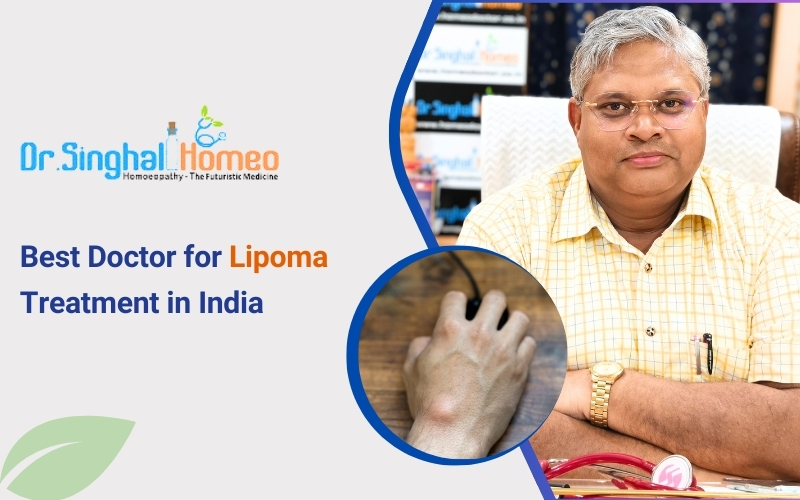
Lipomas are soft, fatty lumps that grow beneath the skin. While usually harmless, they can cause discomfort and affect one’s appearance. If you’re dealing with lipomas, you’re likely searching for the best treatment options available. This guide will help you navigate the process of finding the best doctor for lipoma treatment, with a special focus on homeopathic approaches and the expertise of Dr. Vikas Singhal in Chandigarh.
Why Choosing the Right Doctor Matters
When it comes to treating lipomas, the expertise of your doctor can make all the difference. A skilled physician not only provides effective treatment but also ensures your comfort throughout the process. Let’s explore the qualities that make a doctor stand out in lipoma treatment.
Experience and Specialization
Look for doctors with extensive experience in treating lipomas
Seek specialists who focus on skin conditions and benign tumors
Consider their track record of successful treatments
Patient-Centered Approach
Choose a doctor who listens to your concerns
Opt for physicians who explain treatment options clearly
Prioritize those who tailor treatment plans to individual needs
The Promise of Homeopathic Treatment for Lipomas
Homeopathy offers a gentle, non-invasive approach to treating lipomas. This alternative medicine system has gained popularity for its holistic perspective and minimal side effects.
Benefits of Homeopathic Treatment
Natural and safe remedies
Addresses the root cause, not just symptoms
Promotes overall health and well-being
Why Consider a Homeopathic Approach?
Many patients prefer homeopathy for lipoma treatment due to its non-surgical nature. It’s particularly appealing for those who want to avoid the risks associated with traditional surgical removal.
“Homeopathy offers a gentle yet effective approach to treating lipomas, focusing on overall health improvement.” – Dr. Vikas Singhal.
.
Dr. Vikas Singhal: A Leader in Lipoma Treatment
When searching for the best doctor for lipoma treatment, Dr. Vikas Singhal in Chandigarh stands out as a prominent figure in the field of homeopathy.
Dr. Singhal’s Expertise
Years of experience in treating various skin conditions
Specialized focus on lipoma treatment
Combines traditional homeopathy with modern medical knowledge
Patient Success Stories
Dr. Singhal’s patients often report significant improvements in their lipoma conditions. Many have experienced a reduction in lipoma size and discomfort, with some even seeing complete resolution of their lipomas.
The Treatment Process at Dr. Singhal’s Clinic
Understanding what to expect can ease any apprehensions about seeking treatment. Here’s an overview of the typical process at Dr. Singhal’s clinic:
Initial Consultation: A thorough examination and discussion of your medical history
Customized Treatment Plan: Tailored homeopathic remedies based on your specific condition
Regular Follow-ups: Monitoring progress and adjusting treatment as needed
Lifestyle Recommendations: Guidance on diet and lifestyle changes to support treatment
Why Chandigarh for Lipoma Treatment?
Chandigarh, known for its advanced medical facilities, is an ideal location for seeking lipoma treatment. The city offers:
State-of-the-art medical infrastructure
A blend of traditional and modern treatment approaches
Easy accessibility for patients from surrounding regions
Making the Decision: Factors to Consider
Choosing the best doctor for lipoma treatment is a personal decision. Consider these factors:
Treatment approach: Are you inclined towards homeopathy or conventional medicine?
Doctor’s reputation: Research patient reviews and testimonials
Convenience: Consider the location and accessibility of the clinic
Cost: Understand the treatment costs and any insurance coverage
Preparing for Your First Appointment
Once you’ve decided on a doctor, preparing for your first appointment can help you get the most out of it. Here are some tips:
List your symptoms and when you first noticed the lipoma
Prepare questions about treatment options and expected outcomes
Bring any relevant medical records or previous test results
Be ready to discuss your medical history and any medications you’re taking
The Road to Recovery: What to Expect
Treatment for lipomas can be a journey. With the right doctor, like Dr. Vikas Singhal, you can expect:
A comprehensive treatment plan
Gradual improvement in lipoma size and associated discomfort
Guidance on preventing future lipomas
Support throughout your treatment journey
Conclusion: Your Path to Effective Lipoma Treatment
Finding the best doctor for lipoma treatment is crucial for your health and peace of mind. By considering homeopathic treatment and exploring the expertise of specialists like Dr. Vikas Singhal in Chandigarh, you’re taking a significant step towards managing your lipomas effectively.
Remember, every individual’s experience with lipomas is unique. The best treatment approach for you will depend on various factors, including the size and location of your lipomas, your overall health, and your personal preferences.
Don’t let lipomas impact your quality of life. Take action today by scheduling a consultation with a reputable doctor specializing in lipoma treatment. With the right care and guidance, you can look forward to a future free from the discomfort and worry of lipomas.
To make an appointment with a skilled Homeopathic doctor for lipoma treatment, contact us at +91 9056551747.
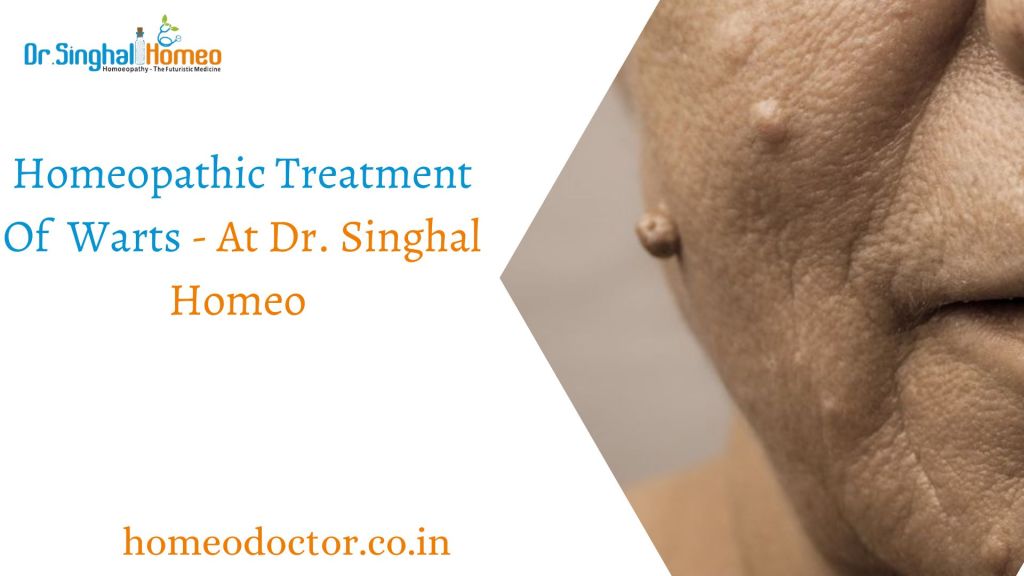
Warts can be an embarrassing and uncomfortable skin condition that affects people of all ages. These small, rough growths on the skin are caused by the human papillomavirus (HPV) and can appear on various parts of the body. While they’re generally harmless, many people seek treatment for cosmetic reasons or due to discomfort. Finding the best doctor for warts treatment is crucial to ensure effective and safe removal.
The Importance of Choosing the Right Doctor
When it comes to treating warts, not all doctors are created equal. It’s essential to find a healthcare professional who specializes in dermatological conditions and has experience in treating warts specifically. The right doctor will not only provide effective treatment but also ensure your comfort and address any concerns you may have throughout the process.
Exploring Treatment Options
Conventional Treatments
Many doctors offer conventional treatments for warts, which may include:
Cryotherapy (freezing the wart)
Electrocautery (burning the wart)
Surgical excision
Topical medications
While these methods can be effective, they often come with side effects and may not address the root cause of the problem.
The Homeopathic Approach
Homeopathy offers a gentler, more holistic approach to warts treatment. This alternative medicine system focuses on stimulating the body’s natural healing processes. Homeopathic treatments for warts are known for their effectiveness and lack of side effects, making them an appealing option for many patients.
Why Consider Homeopathy for Warts Treatment?
Homeopathic treatment for warts offers several advantages:
Non-invasive: Unlike surgical procedures, homeopathic remedies don’t require cutting or burning the skin.
No scarring: Homeopathic treatments typically don’t leave scars, preserving the skin’s appearance.
Addresses the root cause: Homeopathy aims to boost the body’s immune system, potentially preventing future wart outbreaks.
Personalized approach: Homeopathic doctors consider each patient’s unique constitution and symptoms to provide tailored treatment.
Introducing Dr. Vikas Singhal: A Leading Homeopath in Warts Treatment
When searching for the best doctor for warts treatment, Dr. Vikas Singhal stands out as a top choice. Based in Chandigarh, Dr. Singhal is renowned for his expertise in homeopathic treatments for various skin conditions, including warts.
Dr. Singhal’s Approach to Warts Treatment
Dr. Vikas Singhal takes a comprehensive approach to treating warts:
Thorough assessment: He begins by understanding the patient’s overall health, lifestyle, and specific wart symptoms.
Customized treatment plan: Based on the assessment, Dr. Singhal develops a personalized homeopathic treatment plan.
Regular follow-ups: He monitors progress closely and adjusts the treatment as needed.
Patient education: Dr. Singhal empowers patients with knowledge about wart prevention and overall skin health.
The Benefits of Choosing Dr. Vikas Singhal for Warts Treatment
Expertise and Experience
With years of experience in treating warts and other skin conditions, Dr. Singhal has helped numerous patients achieve clear, healthy skin. His deep understanding of homeopathy and its application in dermatology sets him apart as a leading expert in the field.
State-of-the-Art Clinic
Dr. Singhal’s clinic in Chandigarh is equipped with modern facilities, ensuring a comfortable and hygienic environment for patients. The clinic adheres to strict safety protocols, providing peace of mind during your treatment journey.
Comprehensive Care
Beyond just treating warts, Dr. Singhal takes a holistic approach to skin health. He addresses underlying factors that may contribute to wart formation, helping patients achieve long-term skin wellness.
Online Consultations: Accessible Care from Anywhere
In today’s digital age, geographical barriers shouldn’t prevent you from accessing the best healthcare. Dr. Vikas Singhal offers online consultations, making it convenient for patients worldwide to benefit from his expertise in warts treatment.
Advantages of Online Consultations with Dr. Singhal
Convenience: Consult from the comfort of your home, saving time and travel expenses.
Flexibility: Schedule appointments that fit your busy lifestyle.
Same quality care: Receive the same level of attention and personalized treatment as in-person visits.
Easy follow-ups: Maintain consistent care with regular online check-ins.
Patient Success Stories
“After struggling with warts for years and trying various treatments, I found Dr. Singhal. His homeopathic approach not only cleared my warts but also improved my overall skin health. I’m so grateful!” – Priya M.
“I was skeptical about online consultations, but Dr. Singhal’s expertise and attention to detail impressed me. The homeopathic treatment he prescribed worked wonders for my warts. Highly recommended!” – Vyom D.
Taking the First Step Towards Wart-Free Skin
If you’re searching for the best doctor for warts treatment, look no further than Dr. Vikas Singhal. His expertise in homeopathy, personalized approach, and commitment to patient care make him a top choice for those seeking effective and gentle wart removal.
Don’t let warts affect your confidence or quality of life any longer. Schedule an online consultation with Dr. Singhal today and take the first step towards clear, healthy skin. With his homeopathic approach, you can say goodbye to warts and hello to renewed confidence in your appearance.
Remember, when it comes to your skin health, choosing the right doctor makes all the difference. Trust in Dr. Vikas Singhal’s expertise and experience to guide you towards a wart-free future. Call or WhatsApp us at +91 9056551747 to take the first step. Your journey to clearer skin starts here!
Understanding Prurigo Nodularis: More Than Just an Itch
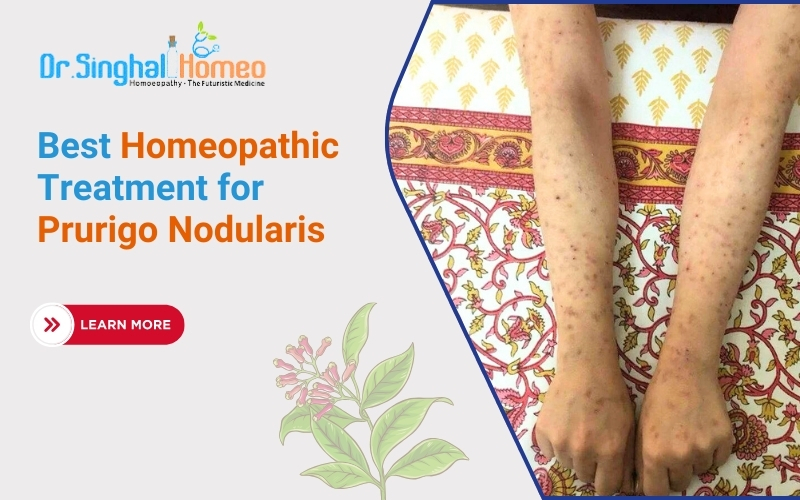
Prurigo nodularis is a challenging skin condition that affects many individuals, causing intense itching and the development of hard, itchy nodules on the skin. For those living with this condition and their families, finding effective relief can be a frustrating journey. While conventional treatments exist, many are turning to alternative approaches like homeopathy for a more natural solution. In this blog post, we’ll explore the world of prurigo nodularis homeopathic treatment, offering insights and hope for those seeking a gentler path to healing.
The Basics of Prurigo Nodularis
Before delving into homeopathic treatments, it’s crucial to understand what prurigo nodularis is and how it affects the body. This chronic skin condition is characterized by:
Intense, persistent itching
Hard, itchy nodules on the skin
Thickened, leathery skin texture
Potential scarring and pigmentation changes
The exact cause of prurigo nodularis remains unknown, but it’s often associated with various underlying conditions such as allergies, nerve disorders, or immune system issues. The constant urge to scratch can lead to a vicious cycle of itching and skin damage, making effective treatment essential for both physical and emotional well-being.
Homeopathy: A Holistic Approach to Skin Health
Homeopathy is a system of alternative medicine that has been practiced for over 200 years. It’s based on the principle of “like cures like,” using highly diluted substances to stimulate the body’s natural healing processes. When it comes to prurigo nodularis homeopathic treatment, practitioners take a holistic view, considering not just the physical symptoms but also the patient’s overall health, emotional state, and lifestyle factors.
Key Principles of Homeopathic Treatment
Individualized approach: Each person’s treatment plan is tailored to their specific symptoms and constitution.
Minimal side effects: Homeopathic remedies are highly diluted, reducing the risk of adverse reactions.
Whole-body healing: The goal is to address the root cause of the condition, not just manage symptoms.
Long-term relief: Homeopathy aims to provide lasting improvement rather than temporary relief.
Common Homeopathic Remedies for Prurigo Nodularis
While homeopathic treatment is highly individualized, there are several remedies commonly used in the management of prurigo nodularis. It’s important to note that these should only be taken under the guidance of a qualified homeopathic practitioner:
Sulphur
Sulphur is often considered when the itching is intense, burning, and worsened by heat. Patients who benefit from Sulphur may experience:
Itching that’s worse at night or after bathing
A tendency to scratch until the skin bleeds
Red, inflamed skin around the nodules
Arsenicum Album
This remedy may be suitable for those with prurigo nodularis who experience:
Burning, itching sensations that improve with warmth
Anxiety or restlessness associated with the skin condition
Dry, scaly skin that may peel off
Graphites
Graphites might be prescribed when the skin is:
Thick, hardened, and cracked
Prone to oozing a sticky, honey-like fluid
Itchy, with a tendency to form scabs
Rhus Toxicodendron
This remedy is often considered when:
Itching is accompanied by a stinging sensation
Symptoms improve with hot applications or movement
There’s a restless feeling associated with the itching
The Homeopathic Consultation Process
When seeking prurigo nodularis homeopathic treatment, the first step is a comprehensive consultation with a homeopathic practitioner. This process typically involves:
Detailed medical history: The practitioner will ask about your symptoms, overall health, and any previous treatments.
Lifestyle assessment: Factors such as diet, stress levels, and environmental influences are considered.
Emotional well-being: Your mental and emotional state plays a crucial role in homeopathic treatment.
Physical examination: The practitioner may examine the affected skin areas.
Remedy selection: Based on all the information gathered, a personalized remedy is chosen.
Follow-up appointments: Regular check-ins help monitor progress and adjust treatment as needed.
Complementary Approaches to Support Homeopathic Treatment
While homeopathy forms the core of this natural approach to treating prurigo nodularis, there are several complementary strategies that can enhance its effectiveness:
Dietary Modifications
Certain foods may exacerbate skin inflammation. Consider:
Increasing intake of anti-inflammatory foods like omega-3 rich fish, leafy greens, and berries
Reducing or eliminating potential trigger foods such as dairy, gluten, or nightshade vegetables
Staying well-hydrated to support overall skin health
Stress Management
Stress can significantly impact skin conditions. Incorporate stress-reduction techniques such as:
Regular meditation or mindfulness practices
Gentle yoga or tai chi
Deep breathing exercises
Topical Natural Remedies
In addition to internal homeopathic remedies, some natural topical applications may provide relief:
Aloe vera gel for its soothing and cooling properties
Coconut oil as a natural moisturizer
Colloidal oatmeal baths to reduce itching and inflammation
Navigating the Healing Journey
It’s important for patients and their families to understand that healing with homeopathy is often a gradual process. Unlike conventional treatments that may offer quick symptom relief, homeopathic treatment aims to address the underlying imbalances causing the condition. This approach may take time, but many find it leads to more sustainable improvements.
“Patience and persistence are key in homeopathic treatment. Trust the process and communicate openly with your practitioner about your progress and any concerns.”
Initial aggravation: Some patients may experience a temporary worsening of symptoms before improvement. This is often seen as a positive sign that the remedy is working.
Finding the right remedy: It may take time to identify the most effective remedy for your specific case. Open communication with your practitioner is crucial.
Managing expectations: Healing timelines can vary greatly between individuals. Set realistic expectations and celebrate small improvements along the way.
Consistency: Regular follow-ups and adherence to the treatment plan are essential for success.
The Role of Family Support
For those supporting a loved one with prurigo nodularis, your role is invaluable. Here are ways you can help:
Educate yourself about the condition and homeopathic approach
Offer emotional support during challenging times
Help create a skin-friendly home environment
Assist in tracking symptoms and treatment progress
Conclusion: A Natural Path to Skin Health
Prurigo nodularis homeopathic treatment offers a gentle, holistic approach to managing this challenging skin condition. By addressing the whole person – not just the symptoms – homeopathy aims to restore balance and promote lasting healing. While it may require patience and commitment, many find the journey to be rewarding, often experiencing improvements not just in their skin, but in their overall well-being.
If you’re considering homeopathy for prurigo nodularis, take the time to find a qualified practitioner who can guide you through the process. Remember, every individual’s path to healing is unique, and what works for one person may not work for another. Stay open-minded, be patient with the process, and most importantly, listen to your body.
By exploring natural approaches like homeopathy, you’re taking an active role in your health journey. Whether you’re dealing with prurigo nodularis yourself or supporting a loved one, know that there are options available, and hope for relief and healing.
Hormonal fluctuations can lead to various health issues, including weight gain, irregular periods, mood swings, fatigue, and more. While conventional medication often prescribes artificial hormones, homeopathy for hormonal imbalances provides a natural and holistic option to restore balance without the adverse effects of pharmaceutical treatments.
Homeopathy treatment for hormonal imbalance is performed by stimulating the body’s innate healing mechanisms. Homeopathic medications are customized to each person’s signs and overall well-being, targeting the root cause of the changes rather than just managing the signs.
One of the primary advantages of homeopathy for hormonal imbalance is its emphasis on addressing the whole person. Homeopaths take into account not only physical signs but also psychological and emotional factors. This method helps manage problems such as depression, stress, and anxiety, which can frequently worsen hormonal fluctuations.
When pursuing treatment for hormonal imbalance, it is important to discover the best doctor for hormonal imbalance treatment. A skilled homeopathic doctor will carefully evaluate your medical history, symptoms, and lifestyle before recommending a personalized treatment program. With the proper guidance, homeopathy can be an effective, safe, and long-lasting solution to hormonal changes.
In addition to providing personalized medications, homeopathic treatments also help maintain the immune system and enhance overall well-being, encouraging long-term health benefits. If you are experiencing signs of hormonal changes, consult homeopathy for hormonal imbalanceto explore a holistic and natural path to recovery.
Why Choose Dr. Vikas Singhal as the Best Doctor for Hormonal Imbalance Treatment?
Dr. Vikas Singhal is a well-reputed and the best doctor for hormonal imbalance treatment, providing expert care through homeopathy for hormonal imbalance. With numerous years of experience, he offers homeopathy treatment for hormonal imbalances tailored to personal needs, managing both physical & emotional factors. His holistic method ensures effective, safe, and lasting results, making him the perfect choice for treatment.
Homeopathy, a holistic system of medicine, has gained significant popularity in India over the years. With its gentle approach and focus on stimulating the body’s natural healing processes, many individuals are turning to homeopathic treatment for various health conditions. In this comprehensive guide, we will explore the best homeopathic treatment in India, discussing the principles of homeopathy, its benefits, and how to access quality care.
Understanding Homeopathy: Principles and Practice
The Foundations of Homeopathic Medicine
Homeopathy is based on the principle of “like cures like,” which suggests that a substance that causes symptoms in a healthy person can be used in small amounts to treat similar symptoms in a sick person. This approach aims to stimulate the body’s self-healing mechanisms.
Key Principles of Homeopathy
Individualization: Treatment is tailored to each patient’s unique symptoms and overall health profile.
Minimal Dosage: Homeopathic remedies are highly diluted, believed to enhance their therapeutic effects while minimizing side effects.
Holistic Approach: Homeopathy considers the whole person, including physical, mental, and emotional aspects, rather than just treating specific symptoms.
The Rise of Homeopathy in India
Historical Context
Homeopathy was introduced in India in the early 19th century and has since become one of the most popular alternative medicine systems in the country. Its integration into the Indian healthcare system has led to widespread acceptance and government support.
Current Status
India has over 200,000 registered homeopathic practitioners.
There are numerous homeopathic medical colleges and research institutes across the country.
The Indian government recognizes homeopathy as one of the national systems of medicine.
Advantages of Homeopathic Treatment
Safe and Gentle
Homeopathic remedies are highly diluted, making them safe for most people, including children and the elderly. They typically do not cause side effects or interact with other medications.
Non-Invasive
Homeopathic treatments are administered orally or topically, avoiding invasive procedures and reducing the risk of complications.
Cost-Effective
Compared to many conventional treatments, homeopathic remedies are often more affordable, making them accessible to a wider population.
Holistic Healing
Homeopathy aims to treat the root cause of illnesses rather than just managing symptoms, potentially leading to long-term health improvements.
Best Homeopathic Treatment Options in India
Chronic Diseases
Homeopathy has shown promising results in managing various chronic conditions, including:
Allergies and Asthma
Arthritis
Skin Disorders (e.g., Psoriasis, Eczema)
Digestive Issues
Migraine Headaches
Acute Conditions
Homeopathic remedies can also be effective for acute illnesses such as:
Common Cold and Flu
Fever
Minor Injuries and Sprains
Acute Gastric Issues
Mental Health
Homeopathy offers treatments for various mental health concerns, including:
Anxiety Disorders
Depression
Stress-related Conditions
Sleep Disorders
Finding the Best Homeopathic Treatment in India
Qualified Practitioners
To ensure the best homeopathic treatment, it is crucial to consult a qualified and registered homeopathic practitioner. Look for doctors with:
A Bachelor of Homeopathic Medicine and Surgery (BHMS) degree
Registration with the Central Council of Homoeopathy (CCH)
Significant clinical experience
Reputable Clinics and Hospitals
India has several renowned homeopathic clinics and hospitals that offer high-quality treatment. Some notable institutions include:
Dr. Batra’s Healthcare
Welcome Cure
Homeocare International
SBL Homeopathy Clinics
Online Homeopathic Consultation
With the advent of telemedicine, many reputable homeopathic practitioners now offer online consultations. This option provides:
Convenience for patients unable to visit clinics in person
Access to experienced practitioners from anywhere in India
Continuity of care through follow-up consultations
The Consultation Process
Initial Assessment
A typical homeopathic consultation involves:
A detailed discussion of your medical history
Examination of current symptoms and overall health
Questions about lifestyle, emotional well-being, and stress factors
Remedy Selection
Based on the assessment, the homeopath will select a remedy that best matches your individual symptom picture. This process may involve:
Repertorization: Using reference books or software to analyze symptoms and select appropriate remedies
Consideration of potency and dosage based on individual factors
Follow-up Care
Regular follow-up appointments are essential to monitor progress and adjust treatment as needed. These may involve:
Assessing changes in symptoms
Adjusting remedies or potencies
Providing lifestyle and dietary recommendations
Government Initiatives and Regulation
AYUSH Ministry
The Ministry of Ayurveda, Yoga & Naturopathy, Unani, Siddha and Homoeopathy (AYUSH) oversees the development and regulation of homeopathy in India. Their initiatives include:
Promoting research in homeopathy
Ensuring quality control of homeopathic medicines
Supporting homeopathic education and training
Quality Assurance
To ensure the best homeopathic treatment in India, regulatory bodies enforce:
Standardization of homeopathic medicines
Accreditation of homeopathic colleges and institutions
Continuing education programs for practitioners
Research and Evidence
Clinical Studies
While more research is needed, several studies have shown positive results for homeopathic treatments in various conditions. Some areas of promising research include:
Treatment of respiratory infections
Management of chronic pain conditions
Alleviating symptoms of allergies and skin disorders
Ongoing Research Initiatives
India has several institutions dedicated to homeopathic research, including:
Central Council for Research in Homoeopathy (CCRH)
National Institute of Homoeopathy (NIH)
Homoeopathic Pharmacopoeia Laboratory (HPL)
Integrating Homeopathy with Conventional Medicine
Complementary Approach
Many patients in India choose to use homeopathy alongside conventional treatments. This integrative approach can:
Enhance overall treatment outcomes
Reduce side effects of conventional medications
Address both acute symptoms and underlying health issues
Communication with Healthcare Providers
It is essential to inform all healthcare providers about any homeopathic treatments you are receiving to ensure safe and effective care.
Conclusion
The best homeopathic doctor and treatment in India offers a gentle, holistic approach to healthcare that has gained widespread acceptance and government support. With its focus on individualized care and stimulating the body’s natural healing processes, homeopathy provides an attractive option for those seeking alternative or complementary treatments.
To access the best homeopathic treatment in India, it is crucial to consult qualified practitioners, whether in-person or through online consultations. The growing body of research and ongoing government initiatives continue to support the development and regulation of homeopathy in the country.
As with any medical treatment, it is important to approach homeopathy with an informed perspective and to communicate openly with all healthcare providers. By doing so, patients can make the most of what homeopathy has to offer while ensuring their overall health and well-being are prioritized.



 health