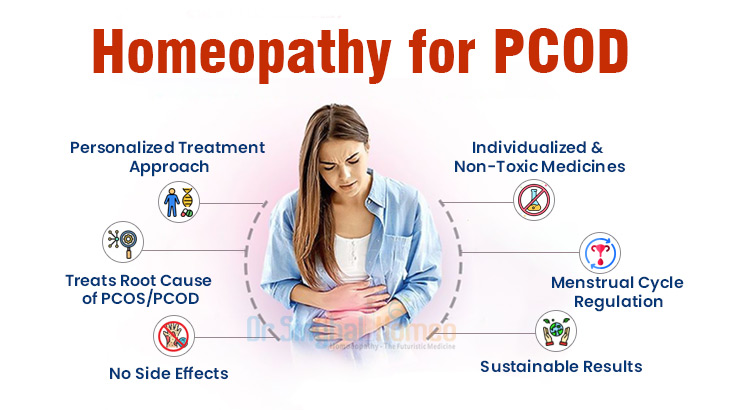
Polycystic Ovary Syndrome (PCOD), alternatively termed Polycystic Ovary Syndrome (PCOS), represents a prevalent endocrine disorder affecting reproductive-aged women globally. This condition manifests through complex hormonal imbalances, insulin resistance, and metabolic dysfunction, significantly impacting patients’ quality of life and reproductive health. As healthcare practitioners and patients increasingly explore integrative treatment modalities, homeopathic medicine for PCOD has gained considerable attention as a complementary therapeutic approach that addresses the fundamental pathophysiology of this condition.
This clinical review examines the therapeutic potential of homeopathic medicine for PCOD, evaluating treatment protocols, commonly prescribed remedies, and evidence-based outcomes. Healthcare professionals and patients seeking comprehensive information regarding homeopathic interventions for PCOD will find this analysis particularly relevant for informed clinical decision-making.
Pathophysiology and Clinical Presentation of PCOD
Polycystic Ovary Syndrome constitutes a multifaceted endocrinological disorder characterized by hyperandrogenism, ovulatory dysfunction, and polycystic ovarian morphology. The condition’s etiology involves complex interactions between genetic predisposition, environmental factors, and metabolic abnormalities, particularly insulin resistance.
Clinical manifestations typically include oligomenorrhea or amenorrhea, hirsutism, acne, alopecia, obesity, and fertility complications. These symptoms result from elevated circulating androgens and disrupted hypothalamic-pituitary-ovarian axis function. Additionally, patients frequently present with metabolic complications, including glucose intolerance, dyslipidemia, and increased cardiovascular risk factors.
Conventional therapeutic interventions primarily focus on symptomatic management through hormonal contraceptives, insulin sensitizers, and ovulation induction agents. While these treatments demonstrate efficacy in symptom control, they often fail to address the underlying constitutional factors contributing to the disorder’s persistence and may present adverse effects that impact patient compliance and long-term outcomes.
Homeopathic Therapeutic Framework for PCOD
Homeopathic medicine for PCOD operates within a holistic therapeutic paradigm that emphasizes individualized treatment based on constitutional assessment and symptom totality. This medical system, established by Dr. Samuel Hahnemann, employs the principle of similitude, utilizing highly potentized substances to stimulate the organism’s inherent healing capacity.
The homeopathic approach to PCOD treatment differs fundamentally from conventional allopathic methods by addressing the patient’s complete physiological, psychological, and constitutional profile. This comprehensive evaluation enables practitioners to identify the underlying miasmatic tendencies and constitutional weaknesses that predispose individuals to developing PCOD.
Constitutional Assessment Methodology
Homeopathic prescribing for PCOD requires extensive constitutional analysis, incorporating multiple diagnostic parameters:
- Detailed symptomatology assessment including onset, modalities, and characteristic features
- Constitutional type evaluation based on physical, mental, and emotional characteristics
- Miasmatic analysis to identify inherited predispositions
- Hormonal pattern evaluation and menstrual cycle characteristics
- Metabolic assessment including dietary preferences and digestive function
- Psychological profile including stress response patterns and emotional tendencies
This comprehensive evaluation ensures that prescribed remedies address the individual’s unique constitutional requirements rather than applying standardized treatment protocols.
Primary Homeopathic Remedies in PCOD Management
Clinical experience and homeopathic literature have identified several key remedies that demonstrate particular efficacy in treating PCOD-related symptoms. The selection of appropriate remedies depends upon careful constitutional matching and symptom similarity.
Pulsatilla Nigricans
Pulsatilla represents one of the most frequently indicated remedies in PCOD cases, particularly for patients presenting with irregular, scanty menstruation accompanied by emotional lability. The remedy’s indication extends to individuals demonstrating changeable symptoms, preference for cool environments, and a gentle, yielding disposition. Clinical presentations often include thick, bland leucorrhea, weight fluctuations, and marked sensitivity to hormonal changes.
Sepia Officinalis
Sepia demonstrates particular efficacy in PCOD cases characterized by bearing-down pelvic sensations, irregular menstrual patterns, and emotional indifference or irritability. This remedy proves beneficial for patients experiencing alopecia, melasma, and profound fatigue. The constitutional picture often includes a history of hormonal stress, childbearing complications, or significant life transitions.
Calcarea Carbonica
This remedy addresses PCOD manifestations in patients with pronounced metabolic dysfunction, particularly those presenting with obesity, cold sensitivity, and profuse perspiration. Calcarea Carbonica patients typically demonstrate delayed or suppressed menstruation, anxiety regarding health matters, and preference for routine and security.
Natrum Muriaticum
Natrum Muriaticum proves particularly valuable in PCOD cases with underlying emotional trauma or chronic grief patterns. This remedy addresses irregular menstruation, hirsutism, and the psychological components of hormonal imbalance, particularly in patients with a history of emotional suppression or relationship difficulties.
Treatment Protocols and Clinical Outcomes
Homeopathic medicine for PCOD typically requires extended treatment periods to achieve sustainable therapeutic outcomes. Clinical protocols generally involve initial constitutional prescribing followed by careful monitoring and remedy adjustment based on patient response patterns.
Treatment duration varies considerably depending upon individual constitutional factors, symptom severity, and treatment compliance. Most patients demonstrate initial improvements within three to six months of commencing homeopathic treatment, with significant clinical changes occurring between six to eighteen months of consistent therapy.
Monitoring and Assessment Parameters
Effective homeopathic treatment of PCOD requires systematic monitoring of multiple clinical parameters:
- Menstrual cycle regularity and flow characteristics
- Anthropometric measurements including weight and body mass index
- Hormonal profile changes including androgen levels and insulin sensitivity
- Dermatological improvements in acne and hirsutism
- Psychological well-being and stress response patterns
- Overall energy levels and functional capacity
Regular follow-up consultations, typically scheduled at monthly intervals initially, allow for precise treatment adjustments and remedy modification based on evolving symptom patterns and constitutional changes.
Integrative Treatment Considerations
Homeopathic medicine for PCOD demonstrates enhanced therapeutic efficacy when integrated with appropriate lifestyle modifications and complementary interventions. This integrative approach addresses multiple pathophysiological factors contributing to PCOD development and maintenance.
Nutritional interventions focusing on glycemic control, anti-inflammatory dietary patterns, and micronutrient optimization support homeopathic treatment outcomes. Regular physical activity, stress management techniques, and sleep hygiene protocols further enhance therapeutic responses and promote sustainable health improvements.
Safety Profile and Contraindications
Homeopathic remedies generally demonstrate excellent safety profiles with minimal adverse effects when prescribed by qualified practitioners. However, proper clinical assessment and professional supervision remain essential for optimal treatment outcomes and patient safety.
Practitioners must consider potential interactions with conventional medications and ensure appropriate monitoring of patients with concurrent medical conditions requiring conventional medical management.
Clinical Evidence and Future Directions
While homeopathic medicine for PCOD shows promising clinical outcomes in practice, rigorous research studies examining its efficacy remain limited. Existing case studies and clinical observations suggest significant therapeutic potential, particularly in improving menstrual regularity, reducing hirsutism, and enhancing overall quality of life.
Future research initiatives should focus on well-designed clinical trials examining homeopathic treatment protocols for PCOD, with particular emphasis on long-term outcomes and comparative effectiveness studies with conventional treatments.
Professional Recommendations and Conclusions
Homeopathic medicine for PCOD offers a holistic and individualized treatment approach that focuses on addressing underlying constitutional imbalances rather than merely controlling symptoms. Its gentle, non-invasive nature makes it an appealing option for patients seeking long-term solutions without the side effects often associated with conventional hormonal therapies.
For effective outcomes, homeopathic treatment for PCOD should be guided by qualified and experienced practitioners who understand both homeopathic principles and the complex hormonal and metabolic factors involved in PCOD. Collaborative care alongside conventional medicine, when required, further supports comprehensive patient management.
Dr. Vikas Singhal, a well-respected homeopathic doctor at Dr. Singhal Homeo Clinic, provides expert consultations for chronic and lifestyle-related conditions such as PCOD. With over 23 years of clinical experience, he has successfully treated patients from 73 countries, including Canada, the USA, and the UK. Dr. Singhal offers both in-clinic and online consultations, along with telemedicine services, and ensures homeopathic medicines are delivered directly to patients for added convenience.
The integration of homeopathic medicine for PCOD into a structured and personalized treatment plan has strong potential to improve overall health outcomes while minimizing adverse effects. Ongoing clinical practice and research continue to reinforce the role of homeopathy as a supportive and effective option in modern PCOD management.
 health