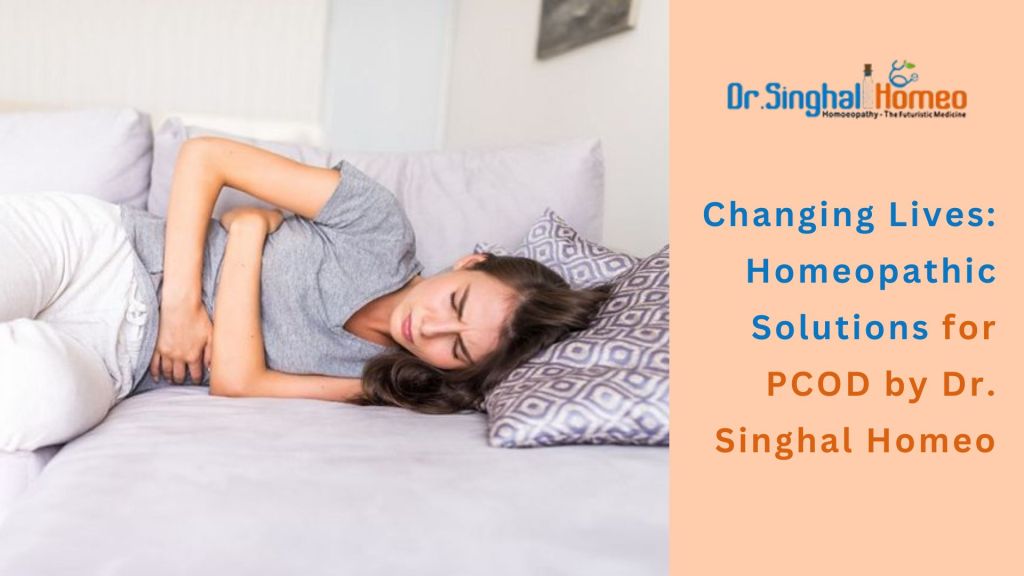
Polycystic Ovarian Disease (PCOD) represents a significant health concern affecting numerous women worldwide. As medical professionals and patients increasingly seek alternative therapeutic approaches, homeopathic medicine for PCOD has emerged as a viable treatment modality worthy of serious consideration. This article examines the principles, applications, and potential benefits of homeopathic interventions in managing PCOD symptoms and underlying pathophysiology.
The growing interest in homeopathic medicine for PCOD stems from its holistic approach to treatment, which addresses both symptomatic relief and constitutional healing. Unlike conventional pharmaceutical interventions that primarily focus on symptom management, homeopathic medicine aims to restore physiological balance through individualized treatment protocols.
Clinical Understanding of PCOD and Treatment Challenges
PCOD constitutes a complex endocrine disorder characterized by hormonal imbalances that manifest through various clinical presentations. The condition typically presents with irregular menstrual cycles, hyperandrogenism, insulin resistance, metabolic dysfunction, and reproductive challenges. These multifaceted symptoms require comprehensive treatment approaches that address the underlying pathophysiology rather than merely suppressing individual symptoms.
Conventional medical treatments for PCOD often include hormonal contraceptives, metformin, and various symptomatic therapies. While these interventions can provide temporary relief, they may present limitations including potential side effects, dependency issues, and failure to address the fundamental hormonal imbalances driving the condition.
Homeopathic medicine for PCOD offers an alternative therapeutic framework that considers the individual’s complete symptom picture, constitutional characteristics, and underlying susceptibility patterns. This approach recognizes that PCOD manifestations vary significantly among patients, necessitating personalized treatment strategies rather than standardized protocols.
Theoretical Framework of Homeopathic Treatment
The application of homeopathic medicine for PCOD operates on established homeopathic principles, including the law of similars, individualization, and minimum dose methodology. The law of similars suggests that substances capable of producing specific symptoms in healthy individuals can treat similar symptoms in diseased states when administered in appropriate dilutions.
Homeopathic treatment protocols for PCOD emphasize constitutional prescribing, which considers the patient’s physical, mental, and emotional characteristics alongside presenting symptoms. This comprehensive assessment enables practitioners to identify the most suitable remedies that correspond to the individual’s unique presentation pattern.
The concept of miasmatic treatment in homeopathy provides additional therapeutic depth for PCOD management. Practitioners evaluate inherited predispositions and acquired susceptibilities that may contribute to hormonal dysregulation, enabling more targeted interventions that address fundamental causes rather than superficial manifestations.
Evidence-Based Homeopathic Remedies for PCOD
Clinical experience and homeopathic literature identify several well-indicated remedies for PCOD management. Sepia officinalis demonstrates particular efficacy in cases presenting with irregular menses, emotional lability, and characteristic physical symptoms including bearing-down sensations and hormonal fluctuations.
Pulsatilla nigricans proves beneficial for patients exhibiting changeable symptoms, emotional sensitivity, and menstrual irregularities that vary in presentation. This remedy addresses both physical symptoms and the emotional components often associated with hormonal imbalances in PCOD patients.
Calcarea carbonica shows clinical effectiveness in managing metabolic aspects of PCOD, particularly in patients presenting with weight management challenges, sluggish metabolism, and constitutional characteristics consistent with this remedy’s symptom profile.
Natrum muriaticum addresses specific presentations involving hair-related symptoms, emotional patterns, and menstrual irregularities characteristic of certain PCOD phenotypes. The remedy’s sphere of action encompasses both physical symptoms and psychological components frequently observed in affected individuals.
These remedies represent established therapeutic options within homeopathic medicine for PCOD, though proper case analysis and individualization remain essential for optimal outcomes.
Clinical Methodology and Treatment Protocols
The implementation of homeopathic medicine for PCOD requires systematic case-taking procedures that document comprehensive symptom presentations, constitutional characteristics, and relevant medical history. Practitioners employ detailed questionnaires and clinical interviews to gather necessary information for accurate remedy selection.
Treatment protocols typically involve initial remedy prescription based on constitutional analysis, followed by regular monitoring and assessment periods. Response evaluation considers both subjective symptom improvements and objective clinical markers when available.
Dosage considerations in homeopathic medicine for PCOD depend on individual sensitivity patterns, symptom severity, and constitutional factors. Practitioners may utilize various potency levels and repetition frequencies based on case-specific requirements and response patterns.
Integration with conventional medical care represents an important consideration in treatment planning. Many patients benefit from coordinated care approaches that combine homeopathic interventions with appropriate conventional monitoring and support measures.
Treatment Outcomes and Clinical Expectations
Clinical observations suggest that homeopathic medicine for PCOD can produce significant improvements in various symptom categories. Menstrual regulation frequently occurs within several months of appropriate treatment, with many patients experiencing more predictable cycles and reduced associated symptoms.
Metabolic improvements, including enhanced insulin sensitivity and weight management, often manifest gradually throughout the treatment process. These changes typically reflect underlying hormonal rebalancing rather than suppressive effects, potentially offering more sustainable outcomes.
Psychological and emotional improvements frequently accompany physical symptom resolution, reflecting homeopathy’s constitutional approach to treatment. Patients often report enhanced mood stability, reduced anxiety, and improved overall well-being alongside physical improvements.
The timeline for therapeutic response varies among individuals, with some patients noting initial improvements within weeks while others require several months for significant clinical changes. Factors influencing response rates include symptom duration, constitutional strength, and treatment compliance.
Conclusion and Clinical Recommendations
Homeopathic medicine for PCOD represents a valuable therapeutic option within comprehensive treatment plans. At Dr Singhal Homeo Clinic, the individualized approach of homeopathy is applied to address the complex and multifaceted nature of PCOD while minimizing potential side effects often associated with conventional treatments.
Patients considering homeopathic medicine for PCOD are guided by experienced practitioners who perform thorough case analysis, select the most suitable remedies, and provide ongoing monitoring to ensure effective outcomes. Integrating homeopathy with broader therapeutic approaches can offer enhanced possibilities for natural, constitutional healing and overall hormonal balance.
 health