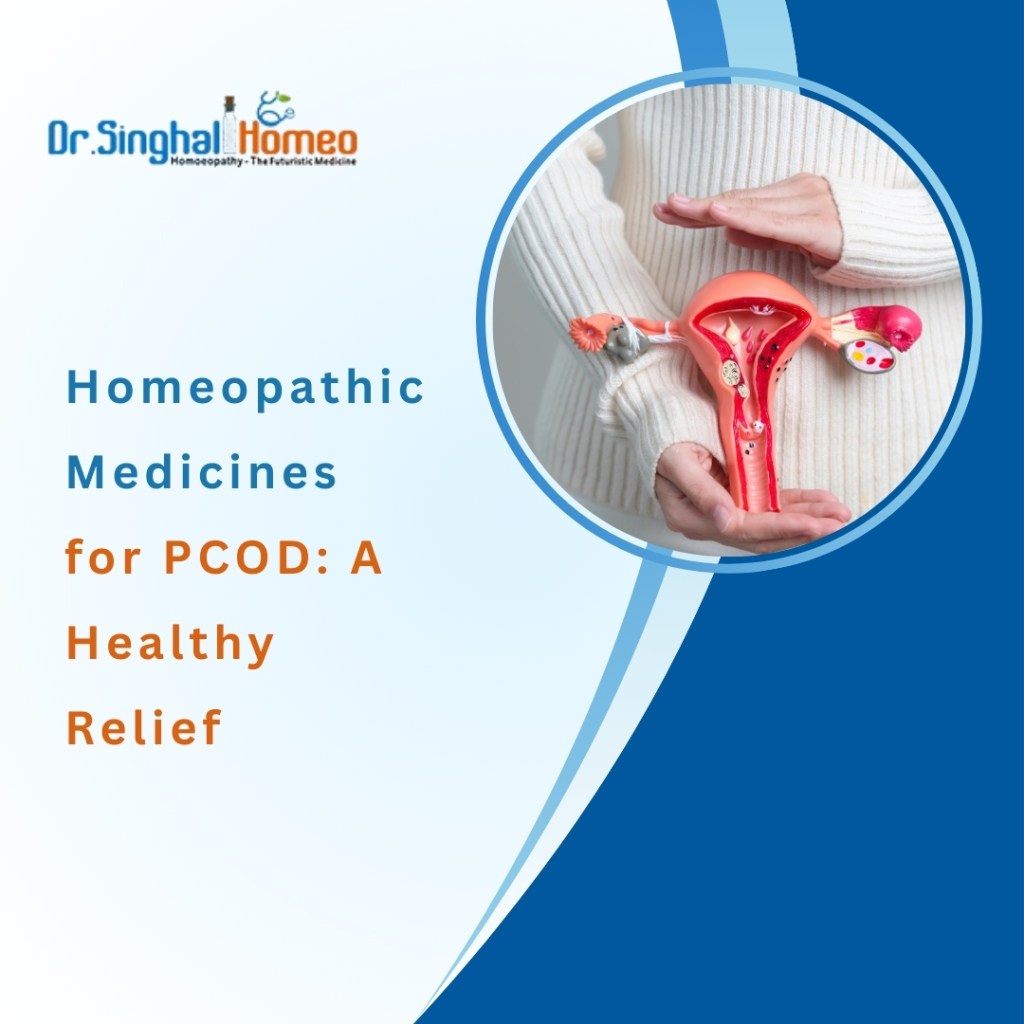
Polycystic Ovarian Disease (PCOD) affects millions of women globally, presenting a complex array of symptoms that significantly impact quality of life. For those seeking alternative treatment approaches, homeopathic medicine for PCOD has emerged as a promising therapeutic option that addresses the condition’s multifaceted nature through natural healing principles.
Unlike conventional treatments that often focus on symptom suppression, homeopathic medicine for PCOD works to restore hormonal balance by treating the individual as a whole. This comprehensive approach considers the interconnected nature of PCOD symptoms and aims to address underlying causes rather than merely managing surface-level manifestations.
Understanding PCOD’s Complex Nature
Polycystic Ovarian Disease represents one of the most common endocrine disorders affecting women of reproductive age. The condition manifests through various symptoms including irregular menstrual cycles, hirsutism, weight management difficulties, insulin resistance, and fertility challenges.
The complexity of PCOD lies in its multisystem involvement. Hormonal imbalances affect insulin sensitivity, androgen production, and reproductive function simultaneously. This interconnected web of physiological disruptions requires treatment approaches that can address multiple systems concurrently.
Homeopathic medicine for PCOD recognizes this complexity and approaches treatment through individualized remedy selection based on constitutional assessment. This methodology considers not only physical symptoms but also emotional states, lifestyle factors, and individual response patterns to environmental stimuli.
Principles of Homeopathic Treatment for PCOD
Homeopathic medicine for PCOD operates on the fundamental principle of “similia similibus curentur” (like cures like), utilizing highly diluted natural substances to stimulate the body’s inherent healing mechanisms. This approach works by triggering the organism’s self-regulatory processes to restore optimal function.
The homeopathic consultation process involves comprehensive case-taking that examines the patient’s complete symptom picture, including physical manifestations, emotional tendencies, general vitality, and constitutional characteristics. This detailed assessment enables practitioners to select remedies that match the individual’s specific pattern of imbalance.
Treatment protocols focus on addressing the root cause of hormonal disruption rather than suppressing symptoms. Many patients report improvements in energy levels and emotional well-being before physical symptoms begin to resolve, indicating the treatment’s systemic effects on overall health.
Evidence-Based Homeopathic Remedies
Several homeopathic medicines have demonstrated efficacy in managing PCOD symptoms through clinical observation and practice. Each remedy targets specific aspects of the condition based on individual presentation patterns.
Sepia officinalis is frequently indicated for patients experiencing irregular menstruation accompanied by emotional detachment and physical exhaustion. This remedy particularly benefits individuals who exhibit indifference toward family responsibilities and experience bearing-down sensations in the pelvic region.
Pulsatilla nigricans addresses cases involving highly variable menstrual patterns and emotional lability. Patients requiring this remedy typically demonstrate changeable moods, prefer cool environments, and experience symptom aggravation during emotional stress.
Calcarea carbonica is prescribed for individuals presenting with PCOD-related weight gain, profuse menstruation, and constitutional coldness. This remedy particularly suits patients with slow metabolism and tendency toward easy fatigue.
Lycopodium clavatum effectively addresses digestive disturbances commonly associated with PCOD, including bloating, flatulence, and carbohydrate cravings. This remedy helps improve insulin sensitivity and metabolic function in susceptible individuals.
Disclaimer: The information provided about homeopathic remedies is for educational purposes only and should not replace professional medical consultation. Individuals should consult qualified homeopathic practitioners for proper remedy selection and dosage recommendations.
Integrative Approach to PCOD Management
Homeopathic medicine for PCOD achieves optimal results when combined with appropriate lifestyle modifications. This integrative approach enhances treatment efficacy by creating supportive conditions for remedy action.
Regular physical activity plays a crucial role in PCOD management by improving insulin sensitivity and promoting healthy hormone metabolism. Moderate exercise such as walking, yoga, or swimming complements homeopathic treatment by supporting the body’s natural regulatory mechanisms.
Stress management represents another vital component of comprehensive PCOD care. Chronic stress disrupts hypothalamic-pituitary-ovarian axis function, potentially interfering with treatment outcomes. Techniques such as meditation, deep breathing exercises, and adequate sleep support the therapeutic process.
Nutritional considerations also influence treatment success. A balanced diet emphasizing whole foods, adequate protein intake, and reduced processed food consumption creates optimal conditions for homeopathic remedies to work effectively.
Treatment Timeline and Expectations
Patients beginning homeopathic medicine for PCOD should understand that improvement typically occurs gradually over several months. The healing process often follows a predictable pattern, with subjective improvements preceding objective symptom resolution.
Initial improvements commonly include enhanced energy levels, improved sleep quality, and better emotional stability. These early changes typically occur within the first two to three months of treatment and indicate positive treatment response.
Physical symptoms such as menstrual irregularities and hirsutism generally require longer treatment periods for significant improvement. Patients should maintain realistic expectations and understand that lasting hormonal balance develops progressively through consistent treatment.
Regular follow-up appointments allow practitioners to monitor treatment progress and adjust remedies as needed. This individualized approach ensures that treatment protocols evolve with changing symptom patterns and overall health improvements.
Professional Guidance and Safety Considerations
Successful homeopathic treatment for PCOD works best under the guidance of an experienced and qualified practitioner who understands women’s hormonal health. At Dr. Singhal Homeo, Dr. Vikas Singhal, a senior classical homeopath with decades of clinical experience, provides individualized homeopathic care for PCOD patients. His approach focuses on correct remedy selection, appropriate dosage, and regular monitoring to ensure safe and effective results.
Dr. Vikas Singhal emphasizes a collaborative and transparent treatment plan, encouraging patients to openly discuss all ongoing therapies for balanced care. Homeopathic medicine for PCOD is gentle, safe for long-term use, and aims to improve hormonal balance, menstrual health, and overall well-being. With professional supervision at Dr. Singhal Homeo, many women experience meaningful symptom relief and a better quality of life through natural healing.
 health