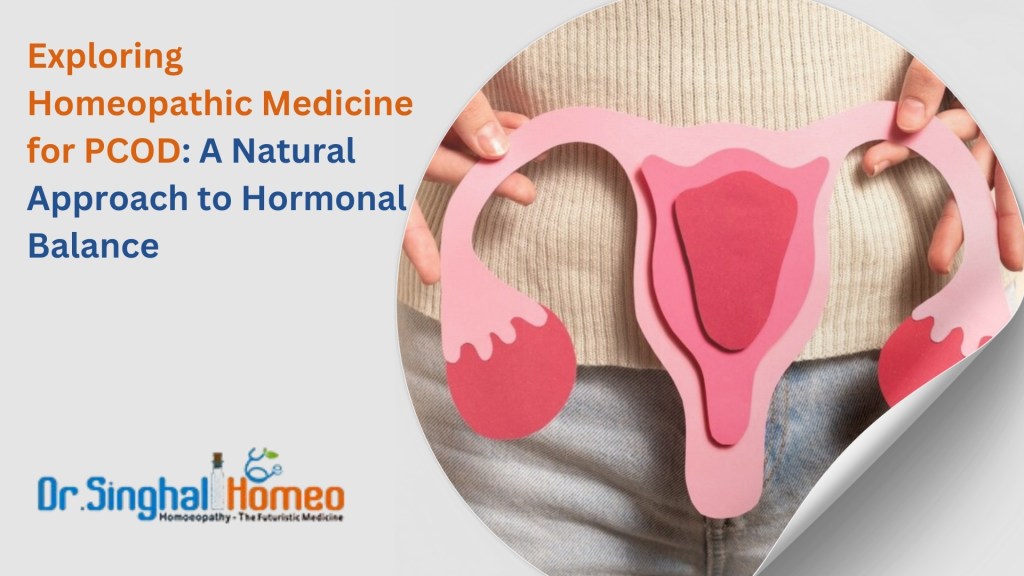
Understanding PCOD and Its Impact
Polycystic Ovary Syndrome (PCOS), also known as Polycystic Ovarian Disease (PCOD), is a common hormonal disorder affecting women of reproductive age. This condition can have a significant impact on a woman’s overall health and well-being. As more women seek alternative treatment options, Homeopathic treatment for PCOD has emerged as a potential solution for managing symptoms effectively.
What is PCOD?
PCOD is characterized by an imbalance in reproductive hormones, leading to various symptoms and complications. The primary features of this condition include:
- Irregular menstrual cycles
- Multiple small cysts on the ovaries
- Excess androgen production
- Insulin resistance
These factors can contribute to a range of symptoms, including weight gain, acne, excessive hair growth, and fertility issues. While conventional medicine offers various treatment options, many women are turning to homeopathy as a complementary or alternative approach.
The Principles of Homeopathy
Homeopathy is a holistic system of medicine that focuses on stimulating the body’s natural healing processes. Founded by Samuel Hahnemann in the late 18th century, homeopathy is based on the principle of “like cures like.” This means that a substance that causes symptoms in a healthy person can be used in small doses to treat similar symptoms in a sick person.
Key Concepts in Homeopathic Treatment
- Individualization: Homeopathic treatment is tailored to each patient’s unique symptoms and constitution.
- Minimal dosage: Homeopathic remedies are highly diluted, believed to enhance their therapeutic effects while minimizing side effects.
- Holistic approach: Homeopathy aims to treat the whole person, not just isolated symptoms.
Homeopathic Treatment for PCOD
Homeopathic treatment for PCOD focuses on addressing the underlying hormonal imbalances and associated symptoms. The goal is to restore the body’s natural balance and promote overall well-being.
Commonly Used Homeopathic Remedies for PCOD
- Pulsatilla: Often prescribed for women with irregular menstrual cycles and mood swings.
- Sepia: Useful for addressing hormonal imbalances and associated symptoms like fatigue and irritability.
- Natrum Muriaticum: Beneficial for women experiencing emotional sensitivity and water retention.
- Calcarea Carbonica: Helpful for those with weight gain and insulin resistance issues.
- Lycopodium: Prescribed for women with digestive problems and bloating associated with PCOD.
It’s important to note that these remedies are not one-size-fits-all solutions. A qualified homeopathic practitioner will consider the individual’s specific symptoms, overall health, and constitutional type before prescribing a treatment plan.
The Homeopathic Approach to PCOD Management
Homeopathic treatment for PCOD goes beyond simply addressing the physical symptoms. It takes into account the patient’s emotional and mental well-being, as well as their lifestyle factors.
Holistic Assessment
A homeopathic practitioner will conduct a thorough assessment, considering:
- Physical symptoms
- Emotional and mental state
- Sleep patterns
- Dietary habits
- Stress levels
- Family history
This comprehensive evaluation helps in selecting the most appropriate remedies and developing a personalized treatment plan.
Lifestyle Modifications
In addition to homeopathic remedies, practitioners often recommend lifestyle changes to support the treatment process:
- Balanced diet: Emphasizing whole foods, lean proteins, and complex carbohydrates.
- Regular exercise: Encouraging physical activity to help manage weight and improve insulin sensitivity.
- Stress management: Incorporating relaxation techniques like yoga or meditation.
- Adequate sleep: Ensuring proper rest to support hormonal balance.
These lifestyle modifications work in conjunction with homeopathic remedies to promote overall health and well-being.
Benefits of Homeopathic Treatment for PCOD
Many women choose homeopathic treatment for PCOD due to its potential benefits:
- Minimal side effects: Homeopathic remedies are generally considered safe and well-tolerated.
- Non-invasive: Treatment doesn’t involve surgery or hormonal medications.
- Holistic approach: Addresses the root cause rather than just managing symptoms.
- Personalized care: Tailored treatment plans based on individual needs.
Potential Limitations and Considerations
While homeopathy offers a natural approach to PCOD management, it’s essential to consider its limitations:
- Limited scientific evidence: More research is needed to establish the efficacy of homeopathic treatments for PCOD.
- Varied results: As with any medical treatment, results can vary from person to person.
- Time-intensive: Homeopathic treatment may require patience, as improvements can take time to manifest.
- Not a substitute for emergency care: In cases of severe symptoms or complications, conventional medical treatment may be necessary.
Integrating Homeopathy with Conventional Medicine
For many women, a complementary approach that combines homeopathy with conventional medical treatments may be beneficial. This integrated approach can provide comprehensive care for PCOD management.
Potential Benefits of an Integrated Approach
- Addresses both acute symptoms and underlying imbalances
- Reduces reliance on long-term medication use
- Provides a more holistic treatment plan
It’s crucial to inform both your homeopathic practitioner and conventional healthcare provider about all treatments you are receiving to ensure safe and effective care.
Choosing a Homeopathic Practitioner
When considering homeopathic treatment for PCOD, it’s essential to choose a qualified and experienced practitioner. Look for the following qualities:
- Proper certification and training in homeopathy
- Experience in treating PCOD and other hormonal disorders
- Good communication skills and a willingness to answer questions
- A comprehensive approach to treatment
- Positive patient reviews and testimonials
The Importance of Patient Commitment
Successful homeopathic treatment for PCOD requires active participation from the patient. This includes:
- Following the prescribed treatment plan consistently
- Maintaining open communication with the practitioner
- Implementing recommended lifestyle changes
- Being patient and allowing time for the treatment to take effect
Case Studies: Homeopathic Success Stories
While individual results may vary, many women have reported positive outcomes with homeopathic treatment for PCOD. Here are two brief case studies:
Case 1: Sarah, 28, experienced irregular periods and weight gain due to PCOD. After six months of homeopathic treatment, her menstrual cycle regularized, and she lost 10 pounds.
Case 2: Emma, 35, struggled with fertility issues related to PCOD. Homeopathic treatment, combined with lifestyle changes, helped balance her hormones, and she conceived naturally after a year of treatment.
These cases highlight the potential of homeopathy in managing PCOD symptoms, but it’s important to remember that results can vary for each individual.
Conclusion: Is Homeopathy Right for Your PCOD Management?
Homeopathic treatment for PCOD offers a natural, holistic approach to managing this complex hormonal disorder. While it may not be suitable for everyone, many women find relief and improved overall health through homeopathic remedies and lifestyle modifications.
Dr. Vikas Singhal is a well-known homeopathic doctor with years of experience treating rare, chronic, and autoimmune diseases. He has helped multiple women manage PCOD effectively. His personalized approach addresses the root cause of hormonal changes, providing long-term comfort without adverse effects.
If you’re considering homeopathy treatment for PCOD, it’s essential to:
- Consult with a qualified homeopathic practitioner
- Maintain open communication with your healthcare providers
- Be patient and committed to the treatment process
- Consider an integrated approach if appropriate for your situation
Ultimately, the decision to pursue homeopathic treatment for PCOD should be made in consultation with professionals, considering individual health needs. With proper guidance from experts like Dr. Vikas Singhal and a holistic approach, homeopathy may offer a valuable tool for managing PCOD and improving overall well-being.
To book an appointment regarding Homeopathic treatment for PCOD or know more, feel free to contact us at +91 9056551747.
 health