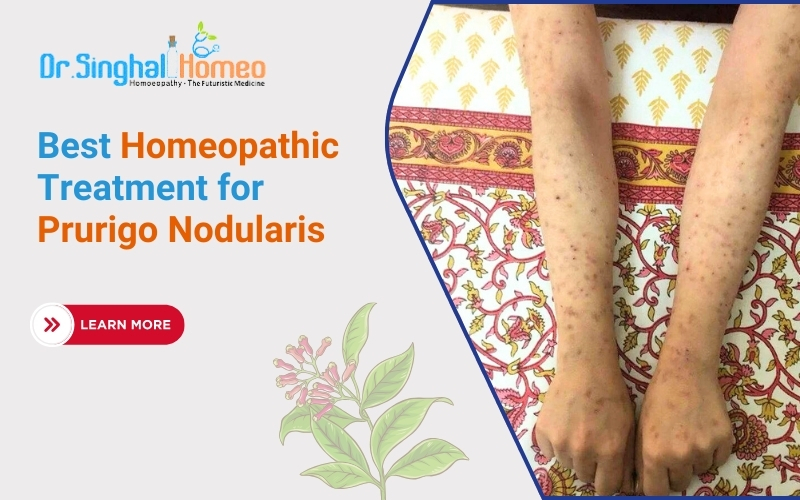
Understanding Prurigo Nodularis: More Than Just an Itch
Prurigo nodularis is a challenging skin condition that affects many individuals, causing intense itching and the development of hard, itchy nodules on the skin. For those living with this condition and their families, finding effective relief can be a frustrating journey. While conventional treatments exist, many are turning to alternative approaches like homeopathy for a more natural solution. In this blog post, we’ll explore the world of prurigo nodularis homeopathic treatment, offering insights and hope for those seeking a gentler path to healing.
The Basics of Prurigo Nodularis
Before delving into homeopathic treatments, it’s crucial to understand what prurigo nodularis is and how it affects the body. This chronic skin condition is characterized by:
- Intense, persistent itching
- Hard, itchy nodules on the skin
- Thickened, leathery skin texture
- Potential scarring and pigmentation changes
The exact cause of prurigo nodularis remains unknown, but it’s often associated with various underlying conditions such as allergies, nerve disorders, or immune system issues. The constant urge to scratch can lead to a vicious cycle of itching and skin damage, making effective treatment essential for both physical and emotional well-being.
Homeopathy: A Holistic Approach to Skin Health
Homeopathy is a system of alternative medicine that has been practiced for over 200 years. It’s based on the principle of “like cures like,” using highly diluted substances to stimulate the body’s natural healing processes. When it comes to prurigo nodularis homeopathic treatment, practitioners take a holistic view, considering not just the physical symptoms but also the patient’s overall health, emotional state, and lifestyle factors.
Key Principles of Homeopathic Treatment
- Individualized approach: Each person’s treatment plan is tailored to their specific symptoms and constitution.
- Minimal side effects: Homeopathic remedies are highly diluted, reducing the risk of adverse reactions.
- Whole-body healing: The goal is to address the root cause of the condition, not just manage symptoms.
- Long-term relief: Homeopathy aims to provide lasting improvement rather than temporary relief.
Common Homeopathic Remedies for Prurigo Nodularis
While homeopathic treatment is highly individualized, there are several remedies commonly used in the management of prurigo nodularis. It’s important to note that these should only be taken under the guidance of a qualified homeopathic practitioner:
Sulphur
Sulphur is often considered when the itching is intense, burning, and worsened by heat. Patients who benefit from Sulphur may experience:
- Itching that’s worse at night or after bathing
- A tendency to scratch until the skin bleeds
- Red, inflamed skin around the nodules
Arsenicum Album
This remedy may be suitable for those with prurigo nodularis who experience:
- Burning, itching sensations that improve with warmth
- Anxiety or restlessness associated with the skin condition
- Dry, scaly skin that may peel off
Graphites
Graphites might be prescribed when the skin is:
- Thick, hardened, and cracked
- Prone to oozing a sticky, honey-like fluid
- Itchy, with a tendency to form scabs
Rhus Toxicodendron
This remedy is often considered when:
- Itching is accompanied by a stinging sensation
- Symptoms improve with hot applications or movement
- There’s a restless feeling associated with the itching
The Homeopathic Consultation Process
When seeking prurigo nodularis homeopathic treatment, the first step is a comprehensive consultation with a homeopathic practitioner. This process typically involves:
- Detailed medical history: The practitioner will ask about your symptoms, overall health, and any previous treatments.
- Lifestyle assessment: Factors such as diet, stress levels, and environmental influences are considered.
- Emotional well-being: Your mental and emotional state plays a crucial role in homeopathic treatment.
- Physical examination: The practitioner may examine the affected skin areas.
- Remedy selection: Based on all the information gathered, a personalized remedy is chosen.
- Follow-up appointments: Regular check-ins help monitor progress and adjust treatment as needed.
Complementary Approaches to Support Homeopathic Treatment
While homeopathy forms the core of this natural approach to treating prurigo nodularis, there are several complementary strategies that can enhance its effectiveness:
Dietary Modifications
Certain foods may exacerbate skin inflammation. Consider:
- Increasing intake of anti-inflammatory foods like omega-3 rich fish, leafy greens, and berries
- Reducing or eliminating potential trigger foods such as dairy, gluten, or nightshade vegetables
- Staying well-hydrated to support overall skin health
Stress Management
Stress can significantly impact skin conditions. Incorporate stress-reduction techniques such as:
- Regular meditation or mindfulness practices
- Gentle yoga or tai chi
- Deep breathing exercises
Topical Natural Remedies
In addition to internal homeopathic remedies, some natural topical applications may provide relief:
- Aloe vera gel for its soothing and cooling properties
- Coconut oil as a natural moisturizer
- Colloidal oatmeal baths to reduce itching and inflammation
Navigating the Healing Journey
It’s important for patients and their families to understand that healing with homeopathy is often a gradual process. Unlike conventional treatments that may offer quick symptom relief, homeopathic treatment aims to address the underlying imbalances causing the condition. This approach may take time, but many find it leads to more sustainable improvements.
“Patience and persistence are key in homeopathic treatment. Trust the process and communicate openly with your practitioner about your progress and any concerns.”
Potential Challenges and How to Address Them
While many find success with prurigo nodularis homeopathic treatment, it’s not without its challenges:
- Initial aggravation: Some patients may experience a temporary worsening of symptoms before improvement. This is often seen as a positive sign that the remedy is working.
- Finding the right remedy: It may take time to identify the most effective remedy for your specific case. Open communication with your practitioner is crucial.
- Managing expectations: Healing timelines can vary greatly between individuals. Set realistic expectations and celebrate small improvements along the way.
- Consistency: Regular follow-ups and adherence to the treatment plan are essential for success.
The Role of Family Support
For those supporting a loved one with prurigo nodularis, your role is invaluable. Here are ways you can help:
- Educate yourself about the condition and homeopathic approach
- Offer emotional support during challenging times
- Help create a skin-friendly home environment
- Assist in tracking symptoms and treatment progress
Conclusion: A Natural Path to Skin Health
Prurigo nodularis homeopathic treatment offers a gentle, holistic approach to managing this challenging skin condition. By addressing the whole person – not just the symptoms – homeopathy aims to restore balance and promote lasting healing. While it may require patience and commitment, many find the journey to be rewarding, often experiencing improvements not just in their skin, but in their overall well-being.
If you’re considering homeopathy for prurigo nodularis, take the time to find a qualified practitioner who can guide you through the process. Remember, every individual’s path to healing is unique, and what works for one person may not work for another. Stay open-minded, be patient with the process, and most importantly, listen to your body.
By exploring natural approaches like homeopathy, you’re taking an active role in your health journey. Whether you’re dealing with prurigo nodularis yourself or supporting a loved one, know that there are options available, and hope for relief and healing.
 health