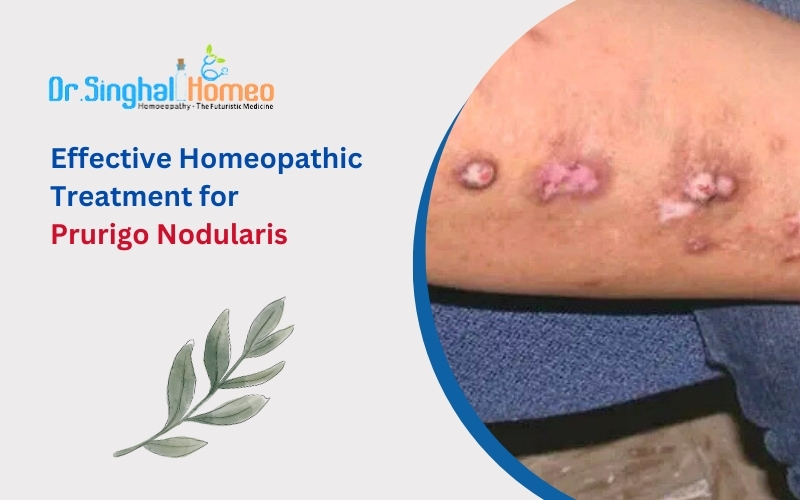
Understanding Prurigo Nodularis
Prurigo nodularis (PN) is a chronic skin condition characterized by intensely itchy, firm nodules on the skin. This distressing disorder can significantly impact a person’s quality of life, causing persistent discomfort and affecting both physical and emotional well-being. While conventional medicine offers various treatment options, many patients and their families are exploring alternative approaches, including homeopathy, to manage this challenging condition.
What is Prurigo Nodularis?
Prurigo nodularis typically presents as multiple, symmetrically distributed, firm, itchy nodules on the skin. These lesions are often found on the extensor surfaces of the limbs, trunk, and sometimes on the face. The exact cause of PN remains unclear, but it is believed to be associated with various factors, including:
- Chronic pruritus (itching)
- Neurological factors
- Immune system dysfunction
- Psychological stress
Common Symptoms and Complications
Patients with prurigo nodularis often experience:
- Intense, persistent itching
- Thickened, scaly skin in affected areas
- Scarring and pigmentation changes
- Sleep disturbances due to itching
- Psychological distress and reduced quality of life
Conventional Treatment Approaches
Before delving into homeopathy treatment for prurigo nodularis, it’s important to understand the conventional medical approaches to managing prurigo nodularis. These typically include:
- Topical corticosteroids
- Oral antihistamines
- Phototherapy
- Systemic immunosuppressants
- Topical calcineurin inhibitors
While these treatments can be effective for some patients, they may come with side effects or limited long-term efficacy. This has led many individuals to explore complementary and alternative medicine options, such as homeopathy.
Introduction to Homeopathy
Homeopathy is a holistic system of medicine developed by Samuel Hahnemann in the late 18th century. It is based on the principle of “like cures like,” which suggests that a substance that causes symptoms in a healthy person can be used in diluted form to treat similar symptoms in a sick person.
Core Principles of Homeopathy
- Law of Similars: The primary principle that “like cures like.”
- Individualization: Treatments are tailored to each patient’s unique symptoms and constitution.
- Minimum Dose: Homeopathic remedies are highly diluted to minimize side effects while maintaining therapeutic effects.
- Single Remedy: Typically, only one remedy is prescribed at a time.
Homeopathic Approach to Prurigo Nodularis
Homeopathy takes a holistic approach to treating prurigo nodularis, considering not only the physical symptoms but also the patient’s emotional state, lifestyle, and overall health. A homeopathic practitioner will conduct a thorough assessment to determine the most appropriate remedy for each individual.
Common Homeopathic Remedies for Prurigo Nodularis
While the choice of remedy is highly individualized, some common homeopathic medicines used in the treatment of prurigo nodularis include:
- Sulphur: Often prescribed for intensely itchy skin conditions, especially when scratching provides temporary relief but worsens the condition.
- Arsenicum Album: Useful for burning, itching sensations that worsen at night and in cold conditions. Patients who benefit from this remedy may also experience anxiety and restlessness.
- Graphites: Indicated for thick, rough skin with cracks and fissures. It may be particularly helpful for patients who experience oozing and crusting of lesions.
- Rhus Toxicodendron: Beneficial for itching that improves with warm applications and worsens in cold, damp weather.
- Mezereum: Prescribed for intense itching with burning sensations, especially when the skin feels hot to the touch.
- Psorinum: Useful for chronic skin conditions with intense itching, especially in patients with a history of skin disorders or allergies.
The Homeopathic Consultation Process
A typical homeopathic consultation for prurigo nodularis involves:
- Detailed case-taking: The practitioner will ask about your symptoms, medical history, lifestyle, and emotional state.
- Physical examination: The practitioner may examine the affected skin areas.
- Remedy selection: Based on the information gathered, the homeopath will choose a remedy that best matches your symptom picture.
- Dosage and administration: Instructions on how to take the remedy will be provided.
- Follow-up appointments: Regular follow-ups are essential to monitor progress and adjust treatment as needed.
Potential Benefits of Homeopathic Treatment
Patients and families considering homeopathy for prurigo nodularis may find several potential benefits:
- Minimal side effects: Homeopathic remedies are highly diluted, reducing the risk of adverse reactions.
- Holistic approach: Treatment addresses not just the skin symptoms but overall health and well-being.
- Individualized care: Remedies are selected based on each patient’s unique symptom picture.
- Complementary use: Homeopathy can often be used alongside conventional treatments, under professional guidance.
Limitations and Considerations
While many patients report positive experiences with homeopathic treatment for prurigo nodularis, it’s important to consider the following:
- Limited scientific evidence: Large-scale clinical trials on homeopathy for PN are lacking.
- Variability in response: Not all patients may respond equally to homeopathic treatment.
- Time factor: Homeopathic treatment may require patience, as improvements can be gradual.
- Need for professional guidance: Self-prescription is not recommended; consult a qualified homeopathic practitioner.
Integrating Homeopathy with Conventional Care
For many patients, the most effective approach to managing prurigo nodularis may involve integrating homeopathic treatment with conventional care. This integrated approach can potentially offer the benefits of both systems while minimizing drawbacks.
Tips for Integrating Care:
- Communicate openly with all healthcare providers about your treatment choices.
- Continue prescribed conventional treatments unless advised otherwise by your physician.
- Monitor your symptoms closely and report any changes to both your conventional doctor and homeopath.
- Be patient and allow time for the homeopathic treatment to take effect.
Lifestyle Measures to Support Treatment
In addition to homeopathic remedies, certain lifestyle measures can support the management of prurigo nodularis:
- Avoid triggers: Identify and avoid factors that exacerbate itching, such as certain fabrics or environmental irritants.
- Moisturize regularly: Keep skin well-hydrated to reduce itching and improve skin barrier function.
- Practice stress management: Stress can worsen PN symptoms, so techniques like meditation or yoga may be helpful.
- Maintain good sleep hygiene: Adequate rest is crucial for overall health and can help manage stress.
- Follow a balanced diet: Some patients find that certain dietary changes can improve their symptoms.
The Future of Homeopathy in Prurigo Nodularis Treatment
As interest in complementary and alternative medicine grows, more research is needed to fully understand the potential role of homeopathy in treating prurigo nodularis. Future studies may provide more concrete evidence regarding its efficacy and help refine treatment protocols.
Conclusion
Prurigo nodularis is a challenging skin condition that can significantly impact quality of life. While conventional treatments remain the mainstay of management, homeopathy treatment for prurigo nodularis offers a complementary approach that some patients find beneficial. The individualized nature of homeopathic treatment, coupled with its minimal side effects, makes it an attractive option for many.
However, it’s crucial to approach homeopathy as part of a comprehensive treatment plan, ideally under the guidance of both a qualified homeopath and a dermatologist. By combining the best of both conventional and homeopathic approaches, patients with prurigo nodularis may find improved symptom management and overall well-being.
Remember, every patient’s journey with prurigo nodularis is unique. What works for one person may not work for another. Patience, persistence, and open communication with healthcare providers are key to finding the most effective treatment approach for each individual.
 health