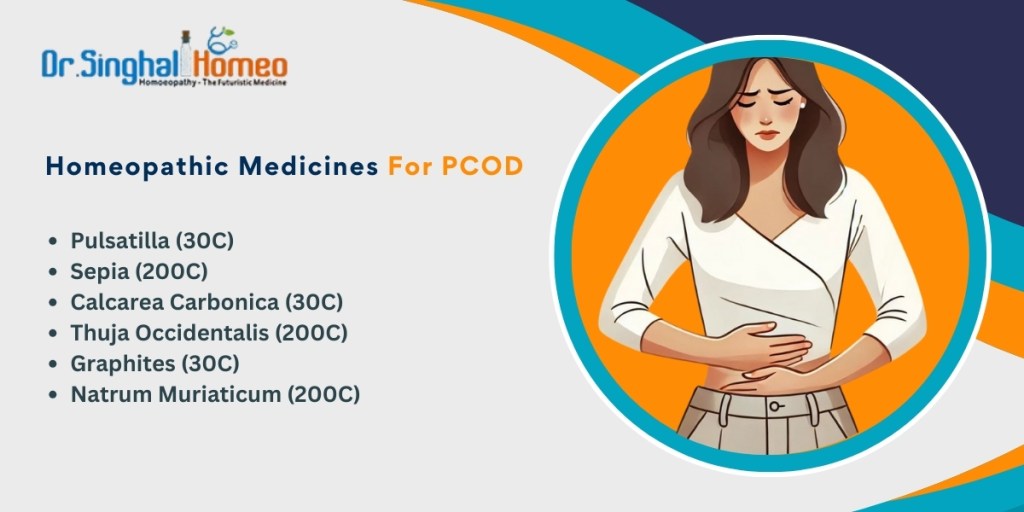
Understanding PCOD and Its Impact
Polycystic Ovarian Disease (PCOD), also known as Polycystic Ovary Syndrome (PCOS), is a common hormonal disorder affecting women of reproductive age. This condition can cause a range of symptoms, from irregular periods to fertility issues, and can significantly impact a woman’s quality of life. While conventional medicine offers various treatment options, many women are turning to homeopathic medicine for PCOD as a natural and holistic alternative.
What is PCOD?
PCOD is characterized by an imbalance in female hormones, leading to the formation of small cysts on the ovaries. These cysts are not harmful in themselves but can disrupt the normal functioning of the ovaries. As a result, women with PCOD may experience:
- Irregular menstrual cycles
- Excessive hair growth (hirsutism)
- Acne
- Weight gain
- Difficulty in conceiving
Understanding the root cause of PCOD is crucial for effective treatment. While the exact cause is not fully understood, factors such as genetics, insulin resistance, and inflammation are believed to play a role.
The Homeopathic Approach to PCOD
Homeopathy is a system of alternative medicine that treats the whole person, not just the symptoms. When it comes to PCOD, homeopathic medicine aims to restore hormonal balance and improve overall health. Let’s explore how homeopathic medicine for PCOD works and its potential benefits.
Principles of Homeopathy in PCOD Treatment
Homeopathy operates on the principle of “like cures like.” This means that a substance that can cause symptoms in a healthy person can be used in minute doses to treat similar symptoms in a sick person. For PCOD, homeopathic practitioners select remedies based on the individual’s specific symptoms, constitution, and overall health picture.
Individualized Treatment Plans
One of the key advantages of homeopathic medicine for PCOD is its individualized approach. No two women with PCOD are exactly alike, and homeopathy recognizes this. A homeopathic practitioner will take into account:
- The specific symptoms you’re experiencing
- Your emotional state
- Your lifestyle and habits
- Your family history
This comprehensive assessment allows for a tailored treatment plan that addresses your unique needs.
Common Homeopathic Remedies for PCOD
While the choice of remedy will depend on your individual case, there are several homeopathic medicines commonly used in the treatment of PCOD. Let’s look at some of these remedies and their potential benefits:
1. Pulsatilla
Pulsatilla is often prescribed for women with PCOD who experience:
- Irregular menstrual cycles
- Mood swings
- Hormonal imbalances
This remedy is particularly suited to women who are emotional, mild-mannered and tend to feel better with comfort and consolation.
2. Sepia
Sepia is another frequently used homeopathic medicine for PCOD. It may be beneficial for women experiencing:
- Irregular periods
- Low libido
- Irritability
- Fatigue
Sepia is often recommended for women who feel overwhelmed by their responsibilities and tend to be indifferent to their loved ones.
3. Calcarea Carbonica
Calcarea Carbonica is often prescribed for PCOD patients who:
- Struggle with weight gain
- Have a tendency towards fatigue
- Experience anxiety about their health
This remedy is particularly suited to women who are responsible and hardworking but easily overwhelmed by stress.
4. Natrum Muriaticum
Natrum Muriaticum may be beneficial for women with PCOD who experience:
- Depression
- Headaches
- Irregular menstrual cycles
- A tendency to dwell on past hurts
This remedy is often prescribed for women who are reserved and tend to keep their emotions bottled up.
The Benefits of Homeopathic Medicine for PCOD
Choosing homeopathic medicine for PCOD offers several potential benefits:
- Gentle and Non-Invasive: Homeopathic remedies work gently with your body’s natural healing processes, without harsh side effects.
- Holistic Approach: Homeopathy treats the whole person, addressing not just physical symptoms but also emotional and mental aspects of PCOD.
- Long-Term Results: Rather than just suppressing symptoms, homeopathy aims to correct the underlying imbalance, potentially leading to long-lasting improvements.
- Safe to Use: Homeopathic remedies are highly diluted, making them safe for long-term use without the risk of drug interactions or dependencies.
- Complementary Treatment: Homeopathy can be used alongside conventional treatments, potentially enhancing overall results.
Lifestyle Changes to Support Homeopathic Treatment
While homeopathic medicine for PCOD can be effective, it’s important to remember that lifestyle factors play a crucial role in managing the condition. To support your homeopathic treatment and improve your overall health, consider implementing the following changes:
Balanced Diet
A nutritious diet can help manage PCOD symptoms and support hormonal balance. Focus on:
- Whole grains
- Lean proteins
- Plenty of fruits and vegetables
- Healthy fats like those found in avocados and nuts
Avoid processed foods, excessive sugar, and refined carbohydrates, which can exacerbate insulin resistance.
Regular Exercise
Physical activity is crucial for managing PCOD. Regular exercise can help:
- Improve insulin sensitivity
- Manage weight
- Reduce stress
- Boost mood
Aim for at least 30 minutes of moderate exercise most days of the week. This could include walking, swimming, cycling, or yoga.
Stress Management
Chronic stress can worsen PCOD symptoms. Incorporate stress-reduction techniques into your daily routine, such as:
- Meditation
- Deep breathing exercises
- Journaling
- Spending time in nature
Adequate Sleep
Good sleep is essential for hormonal balance. Aim for 7-9 hours of quality sleep each night. Establish a relaxing bedtime routine and create a sleep-friendly environment in your bedroom.
Consulting a Homeopathic Practitioner
While some homeopathic remedies are available over the counter, it’s crucial to consult with a qualified homeopathic practitioner for PCOD treatment. A professional can:
- Conduct a thorough assessment of your condition
- Prescribe the most appropriate remedy for your specific case
- Monitor your progress and adjust the treatment as needed
- Provide guidance on lifestyle changes to support your treatment
Remember, homeopathy is a complex system of medicine, and self-prescription can lead to ineffective treatment or delay in seeking appropriate care.
The Journey to Hormonal Balance
Treating PCOD with homeopathic medicine is not an overnight process. It requires patience, commitment, and a willingness to make lifestyle changes. However, many women report significant improvements in their symptoms and overall well-being with homeopathic treatment.
“Homeopathy didn’t just treat my PCOD symptoms; it helped me feel better overall. I have more energy, my cycles are more regular, and I feel more in balance.” – Sarah, 32
As you embark on your journey with homeopathic medicine for PCOD, remember that everyone’s path to healing is unique. What works for one person may not work for another, which is why the individualized approach of homeopathy can be so beneficial.
Conclusion: A Natural Path to Wellness
Homeopathic medicine for PCOD offers a gentle, holistic approach to managing this complex condition. By addressing the root cause of hormonal imbalance and treating the whole person, homeopathy has the potential to bring about lasting improvements in PCOD symptoms.
If you’re considering homeopathic treatment for PCOD, take the first step by consulting with a qualified homeopathic practitioner. They can guide you through the process, helping you find the right remedies and lifestyle changes to support your journey to hormonal balance and overall wellness.
Remember, managing PCOD is a process, and combining homeopathic treatment with a healthy lifestyle can lead to the best results. Be patient with your body, listen to its needs, and celebrate the small victories along the way. With the right approach and support, you can take control of your PCOD and improve your quality of life.
 health