Introduction
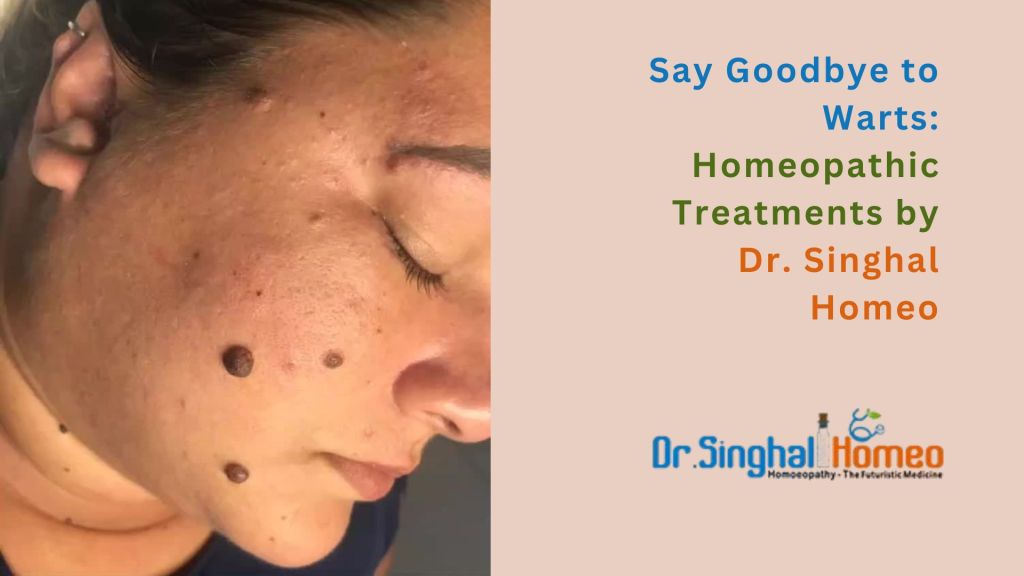
Warts are common skin growths caused by the human papillomavirus (HPV). While they are generally harmless, many individuals seek treatment for cosmetic reasons or due to discomfort. In recent years, homeopathic medicine has gained attention as a potential alternative treatment for warts. This article aims to provide a comprehensive overview of warts and the use of homeopathic medicine in their management.
Understanding Warts
What Are Warts?
Warts are benign skin growths that occur when the human papillomavirus infects the top layer of skin. They can appear on various parts of the body and are typically rough to the touch.
Types of Warts
There are several types of warts, including:
- Common warts
- Plantar warts
- Flat warts
- Filiform warts
- Periungual warts
Causes and Risk Factors
The primary cause of warts is the human papillomavirus. Risk factors for developing warts include:
- Direct contact with infected individuals
- Compromised immune system
- Skin injuries or breaks
- Frequent use of public spaces like swimming pools or locker rooms
Conventional Treatments for Warts
Before delving into homeopathic approaches, it’s important to understand the conventional treatments available for warts:
- Topical medications (e.g., salicylic acid)
- Cryotherapy (freezing)
- Electrocautery
- Laser therapy
- Surgical excision
While these treatments can be effective, they may come with side effects or require multiple sessions.
Introduction to Homeopathy
Principles of Homeopathy
Homeopathy is a form of alternative medicine based on the principle of “like cures like.” It involves using highly diluted substances that, in larger amounts, would produce symptoms similar to those of the condition being treated.
Homeopathic Approach to Warts
In warts homeopathy medicine, warts are viewed as a manifestation of an underlying imbalance in the body’s vital force. Treatment aims to stimulate the body’s natural healing processes rather than directly attacking the wart.
Homeopathic Medicines for Warts
Thuja Occidentalis
Thuja Occidentalis is one of the most commonly prescribed homeopathic medicines for warts. It is particularly indicated for:
- Warts with a cauliflower-like appearance
- Warts on the hands, feet, or genitals
- Warts that are large and painful
Antimonium Crudum
Antimonium Crudum is often recommended for:
- Hard, smooth warts
- Warts on the soles of the feet
- Warts associated with digestive disturbances
Causticum
Causticum may be prescribed for:
- Large, jagged warts
- Warts on the fingertips or around the nails
- Warts that bleed easily
Nitric Acidum
Nitric Acidum is typically used for:
- Warts with a pedunculated appearance (attached by a stalk)
- Warts that are painful or bleed easily
- Warts on mucous membranes
Dulcamara
Dulcamara is often considered for:
- Warts that worsen in cold, damp weather
- Flat warts on the face or hands
- Warts in children
Selecting the Right Homeopathic Medicine
The selection of the appropriate homeopathic remedy is crucial for effective treatment. Factors considered include:
- The appearance and location of the wart
- Associated symptoms
- Individual constitution and overall health
It’s important to note that homeopathic treatment is highly individualized, and what works for one person may not work for another with seemingly similar symptoms.
Administration of Homeopathic Medicines
Homeopathic medicines for warts are typically administered in the following forms:
- Oral pellets or tablets
- Liquid dilutions
- Topical applications (in some cases)
The potency and frequency of dosing are determined by a qualified homeopathic practitioner based on the individual case.
Expected Course of Treatment
The duration of homeopathic treatment for warts can vary significantly among individuals. Some may see improvement within a few weeks, while others may require several months of treatment. Factors influencing the treatment duration include:
- The size and number of warts
- The individual’s overall health and immune function
- Adherence to the prescribed treatment regimen
It’s important for patients to maintain regular follow-ups with their homeopathic practitioner to monitor progress and adjust treatment as needed.
Potential Benefits of Homeopathic Treatment for Warts
Proponents of homeopathy cite several potential benefits:
- Non-invasive nature of treatment
- Minimal side effects
- Holistic approach addressing overall health
- Potential for long-term resolution
However, it’s crucial to note that scientific evidence supporting the efficacy of homeopathy for warts is limited, and more research is needed in this area.
Limitations and Considerations
While homeopathy may offer a gentle approach to treating warts, there are several important considerations:
- Lack of robust scientific evidence: Many conventional medical professionals argue that the principles of homeopathy are not scientifically plausible.
- Variability in response: Not all individuals respond to homeopathic treatment, and results can be unpredictable.
- Potential delay in effective treatment: Relying solely on homeopathy may delay the use of proven conventional treatments, particularly for persistent or problematic warts.
- Regulatory concerns: The regulation of homeopathic products varies by country, and quality control can be an issue.
Integrating Homeopathy with Conventional Care
For individuals considering homeopathic treatment for warts, it’s advisable to:
- Consult with a qualified healthcare provider for proper diagnosis
- Discuss the use of homeopathy with both a homeopathic practitioner and a conventional medical doctor
- Consider homeopathy as a complementary approach rather than a replacement for proven treatments
- Monitor the warts closely and seek medical attention if there are signs of progression or complications
Lifestyle Measures to Support Treatment
Regardless of the chosen treatment approach, certain lifestyle measures can support the management of warts:
- Maintaining good hygiene to prevent spread
- Boosting immune function through a balanced diet and regular exercise
- Avoiding picking or scratching warts
- Protecting the skin from excessive moisture or friction
Conclusion
Warts homeopathy medicine offers an alternative approach to treating warts that some individuals find appealing due to its gentle nature and holistic philosophy. While there are anecdotal reports of success, the scientific evidence supporting its efficacy remains limited. Patients considering homeopathic treatment for warts should approach it with realistic expectations, ideally under the guidance of qualified healthcare professionals who can provide balanced advice and monitor progress. As with any medical condition, a comprehensive approach that considers all available treatment options and individual patient factors is likely to yield the best outcomes in managing warts.
 health