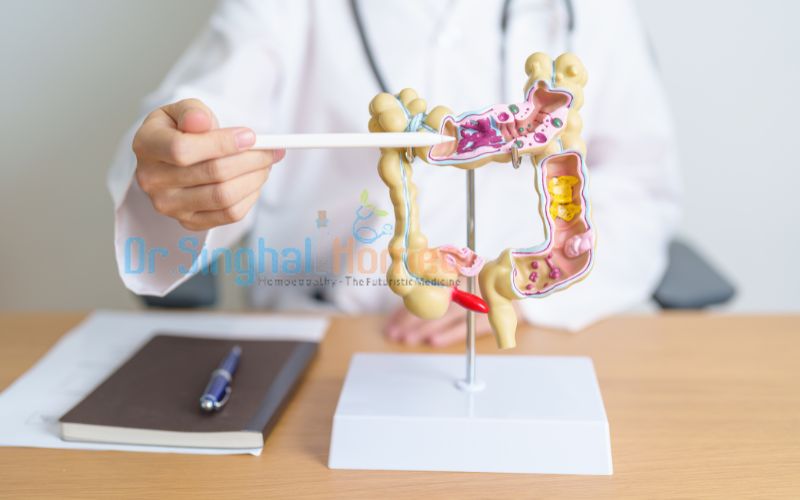
Understanding Ulcerative Colitis
Ulcerative colitis is a chronic inflammatory bowel disease that affects the large intestine, causing inflammation and ulcers in the digestive tract. This condition can be debilitating and sometimes lead to life-threatening complications. While conventional medicine offers various treatment options, some patients seek alternative therapies like homeopathy to manage their symptoms and improve their quality of life. By managing the root causes of the disorder and stimulating balance within the body, many people have experienced significant improvements and, in some cases, a permanent cure for ulcerative colitis in homeopathy.
The Principles of Homeopathy
Homeopathy, a unique system of alternative medicine, operates on the principle of ‘like cures like.’ This approach posits that a substance causing symptoms in a healthy person can be used in small doses to treat similar symptoms in a sick person. The remedies used in homeopathy are highly diluted substances derived from plants, minerals, or animals, setting it apart from conventional medicine.
Homeopathic Approach to Ulcerative Colitis
Homeopathic treatment for ulcerative colitis aims to address the underlying causes of the condition rather than just managing symptoms. Practitioners believe that by stimulating the body’s natural healing processes, homeopathy can help reduce inflammation, promote healing, and improve overall digestive health.
Individualized Treatment Plans
One of the defining features of homeopathy is its individualized treatment plans. Homeopathic practitioners craft personalized plans based on a patient’s specific symptoms, medical history, and overall constitution. This tailored approach ensures that each patient with ulcerative colitis receives a unique remedy that best suits their condition. To ensure the best results, it’s vital to seek guidance from the best doctor for ulcerative colitis treatment, who can tailor a treatment program customized to the patient’s needs.
Common Homeopathic Remedies for Ulcerative Colitis
Looking for homeopathic remedies for ulcerative colitis? While treatment is personalized, there are several commonly used remedies to consider.
- Arsenicum album: Often prescribed for patients with burning pain, anxiety, and restlessness
- Mercurius corrosives: Used for severe abdominal pain, bloody stools, and tenesmus
- Phosphorus: Indicated for patients with bleeding, weakness, and a craving for cold drinks
- Podophyllum: Considered for profuse, painless diarrhea and prolapse of the rectum
- Aloe: Used for hemorrhoids, involuntary stools, and a feeling of insecurity in the rectum
It’s important to note that these remedies should only be used under the guidance of a qualified homeopathic practitioner.
The Process of Homeopathic Treatment
Initial Consultation
The first step in homeopathic treatment for ulcerative colitis is a comprehensive consultation. During this session, the practitioner will:
- Take a detailed medical history
- Inquire about specific symptoms and their patterns
- Assess the patient’s emotional and mental state
- Consider lifestyle factors and environmental influences
This holistic approach helps the practitioner understand the patient’s overall health picture and select the most appropriate remedy.
Remedy Selection and Administration
Based on the information gathered, the homeopath will choose a remedy that best matches the patient’s symptom picture. Remedies are typically given in the form of small pills or liquid drops, often in very low doses.
Follow-up and Adjustments
Regular follow-up appointments are essential to monitor progress and make any necessary adjustments to the treatment plan. The practitioner may change the remedy or its potency based on the patient’s response.
Potential Benefits of Homeopathic Treatment
Proponents of homeopathy for ulcerative colitis claim several potential benefits:
- Reduced inflammation in the colon
- Decreased frequency and severity of flare-ups
- Improved bowel movements and stool consistency
- Enhanced overall digestive function
- Better management of associated symptoms like fatigue and joint pain
- Minimal side effects compared to conventional medications
However, it’s crucial to note that scientific evidence supporting these claims is limited, and more research is needed to establish the efficacy of homeopathy for ulcerative colitis.
Integrating Homeopathy with Conventional Treatment
Many patients choose to use homeopathy as a complementary therapy alongside conventional medical treatment. This integrative approach may help manage symptoms and improve quality of life. However, it’s essential to inform all healthcare providers about any treatments being used to ensure safe and coordinated care.
Open communication is key to ensuring comprehensive and safe management of ulcerative colitis. Patients should maintain a dialogue with both their gastroenterologist and homeopathic practitioner, informing them about all treatments being used. This collaborative approach helps to coordinate care and ensure the best possible outcomes for the patient.
Lifestyle Considerations
In addition to homeopathic remedies, practitioners often recommend lifestyle modifications to support overall health and manage symptoms of ulcerative colitis:
– Dietary changes: Identifying and avoiding trigger foods.
– Stress management techniques: Meditation, yoga, or deep breathing exercises.
– Regular exercise: Moderate physical activity to support overall health.
– Adequate rest: Ensuring sufficient sleep and relaxation.
These lifestyle factors can play a significant role in managing ulcerative colitis and may complement homeopathic treatment.
Challenges and Limitations
While some patients report positive experiences with homeopathy for ulcerative colitis, it’s important to acknowledge the challenges and limitations:
- Limited scientific evidence: There is a lack of large-scale, rigorous clinical trials supporting the efficacy of homeopathy for ulcerative colitis.
- Variability in practitioner expertise: The quality of homeopathic treatment can vary depending on the practitioner’s training and experience.
- Potential for delayed conventional treatment: Relying solely on homeopathy may delay necessary conventional medical interventions in some cases.
- Regulatory concerns: Homeopathic remedies are not subject to the same regulatory standards as conventional medications in many countries.
Conclusion
Homeopathy is a different way to help with ulcerative colitis by giving personalized treatment and encouraging the body’s own healing abilities. Some people have found it helpful, but it’s important to keep an open mind about it.
Patients considering homeopathy for ulcerative colitis should consult with both their gastroenterologist and a qualified homeopathic practitioner to make informed decisions about their care. An integrative approach that combines the best of conventional medicine and complementary therapies may offer the most comprehensive management strategy for this complex condition.
It’s important to keep in mind that ulcerative colitis is a significant medical condition that needs to be carefully monitored and managed. Any adjustments to your treatment plan should be discussed with your healthcare providers to ensure the best possible results for your health and overall well-being.
To fix an appointment or get the best results for ulcerative colitis Homeopathic treatment, contact us at +91 9056551747.
 health